Interview: Sercan Meriç
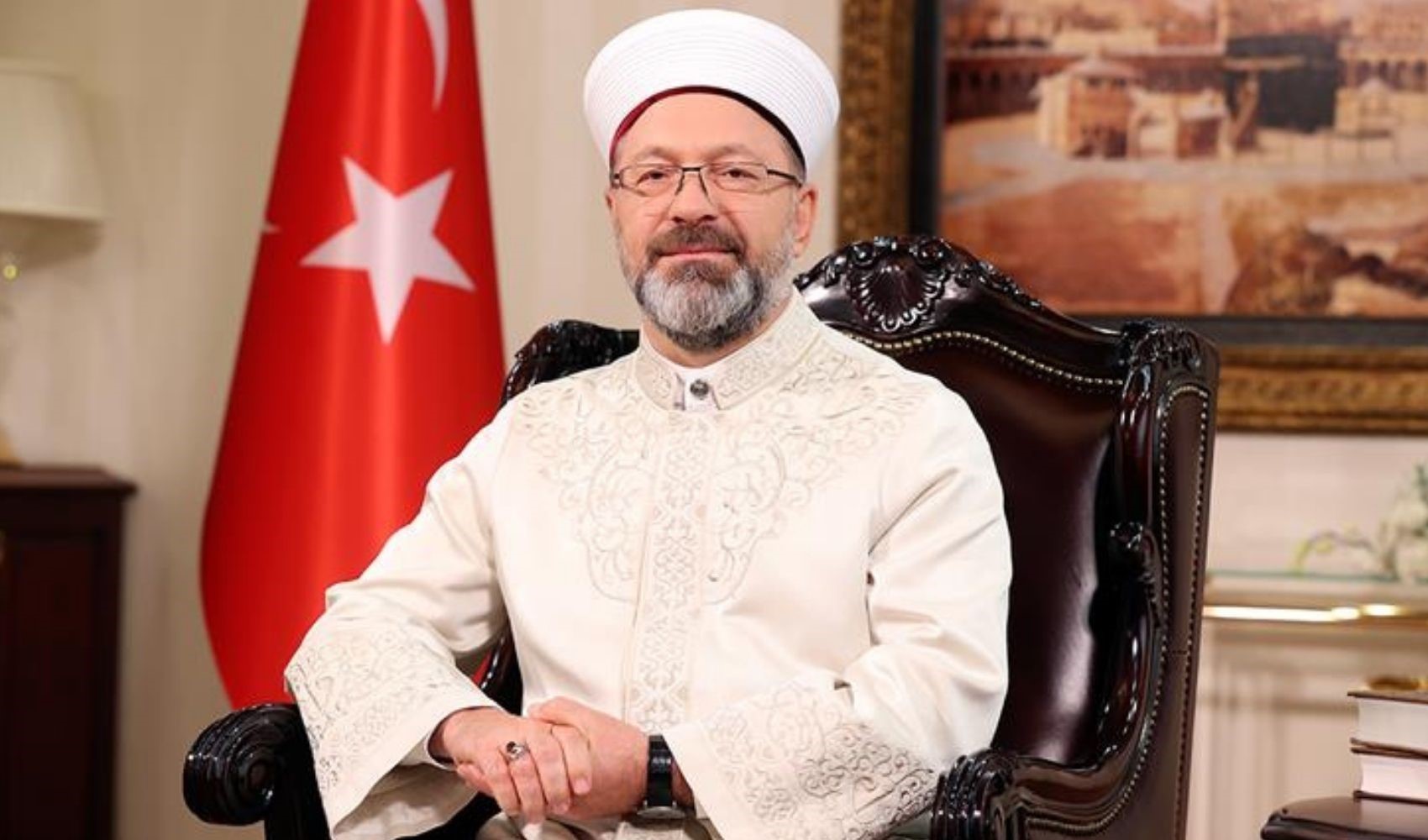
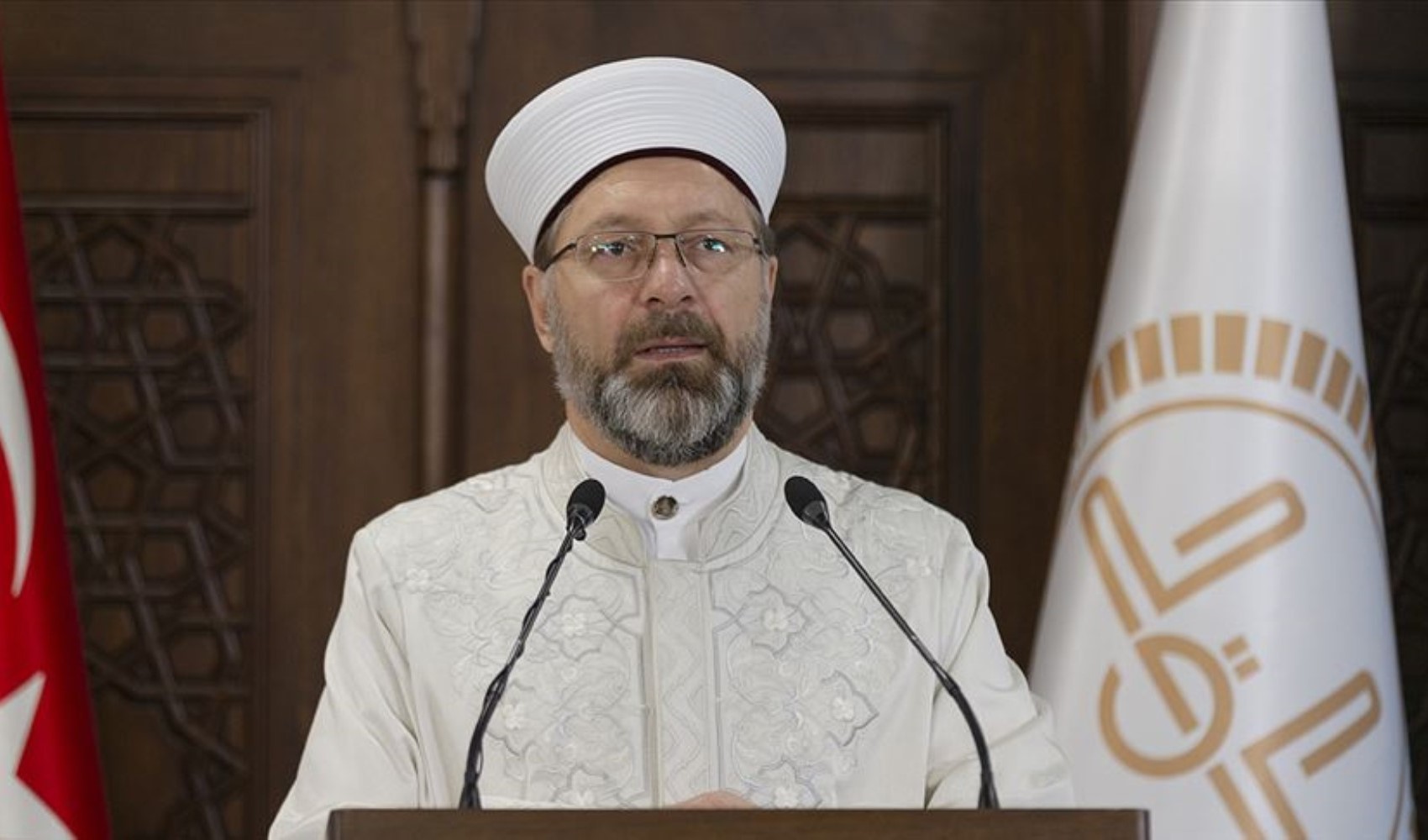
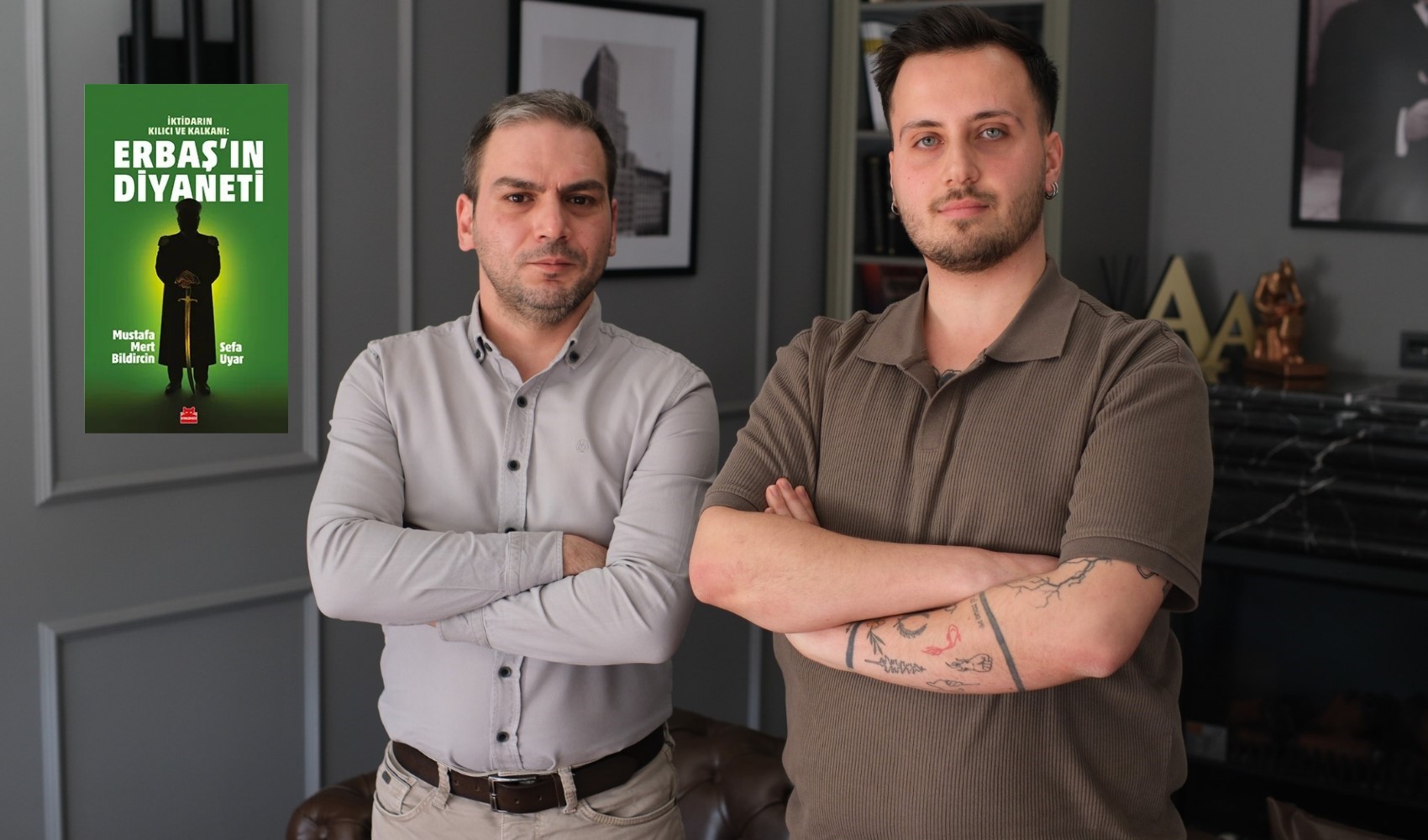
The Directorate of Religious Affairs (Diyanet) has become a focal point of public and political attention following Ali Erbaş's appointment. Its increasing budget, controversial statements, close relationship with the ruling power, and influence on social life have frequently been on the agenda. Journalists Mustafa Mert Bildircin and Sefa Uyar have examined this change under a microscope. The book titled "The Sword and Shield of the Power: Erbaş's Diyanet" was published under the Kırmızı Kedi Publishing label. The book addresses the Diyanet's ideological transformation, its organizational structure, the activities it conducts with its massive budget, and its relationship with political developments. It also touches upon the influence of certain preachers who fuel social polarization. We met with Bildircin and Uyar to discuss this book and the Diyanet.
When you finished the book, what kind of Diyanet did you perceive?
Sefa Uyar: What we see when we finish this book is this: Since the Ali Erbaş era, the Directorate of Religious Affairs has become so intertwined with the ruling power that the Diyanet has been made to play a pioneering role in the political power's efforts to Islamize social life and take steps in this direction...
What kind of transformation did the Directorate of Religious Affairs undergo with the Ali Erbaş era?
Mustafa Mert Bildircin: As you know, Ali Erbaş took office in 2017. In 2018, there was a regime change in Turkey as well. It is an institution affiliated with the Presidency... Therefore, its existing weight increased even further with the regime change. Consequently, Ali Erbaş's term as president has been a period in which the Diyanet's influence over all of social life has increased. This can be explained both by its practices, its fatwas, its effort to intervene in almost every field from justice to education, from health to the judicial system, and by the growth in its economic structure. Therefore, Ali Erbaş's era is a period in which the Diyanet has gradually grown, both in terms of personnel numbers and economic power. This was also the starting point of the book.
While the state, for example, calls for austerity, we witness many news reports about the Diyanet spending lavishly. Could you summarize some of these?
Sefa Uyar: Even though Diyanet officials currently say that this budget is not enough for them, that there is still a shortage of imams in many mosques, and that more than 90 percent of this budget goes to personnel, the Directorate of Religious Affairs continues to exist as the institution that spends the most and manages the largest budget, both with its number of personnel and its expenditures.
For example, we can see the programs and in-service training sessions that the Diyanet organizes in 5-star hotels. The Diyanet has meeting halls in Ankara, at its headquarters. They use these meeting halls at times. However, we see that the Diyanet conducts in-service training sessions by inviting personnel to holiday regions like Antalya, along with their families.
The tenders made in printing and publishing points cause the Diyanet's budget to reach a highly controversial point. Besides this, there is another very important point: The Diyanet has a Turkey Diyanet Foundation that is far from oversight. This foundation is an institution outside of audit, and donations made in mosques go directly to this foundation and turn into a budget of millions of liras. For example, there was a recent purchase of a luxury brand vehicle from the Turkey Diyanet Foundation. This vehicle was sent to the presidency through a subsidiary of the Turkey Diyanet Foundation. Here we see that: In fact, a portion of the Diyanet's budget can be spent very easily because it is kept away from oversight.
In the book, you state that Ali Erbaş is also aspiring to the role of 'Sheikh ul-Islam'. What is the difference between Erbaş and previous presidents?
Mustafa Mert Bildircin: In Turkey, we have seen Diyanet President Ali Erbaş on the stage after every crisis experienced by the political power. Sometimes this was in a mosque, on the minbar. Sometimes at a table in an organization, with a microphone in front of him. One of the most striking examples of this was the Diyanet's fatwa that "God is the one who determines prices" during a period when millions of citizens were struggling to survive. We also heard the advice to "go to the evening market." In short, it is as if the Directorate of Religious Affairs has a role in Turkey to reduce the crisis created by the political power and to numb the people. We can easily state that Ali Erbaş is playing the role of Sheikh ul-Islam.
Sefa Uyar: We can add this, there is an emphasis we mention in the book: Just as Muawiyah attached pages of the Quran to the tips of his spears, we see the Diyanet jumping to the forefront at the slightest political crisis. For example, when the President makes a speech themed "You are not being grateful, you need to be grateful," we see that the first Friday sermon of the Diyanet after this speech is themed "gratitude." Until Erbaş took office, Diyanet Presidents had never been so intertwined with politics in the democratic culture that was progressing in Turkey, even if it was flawed.
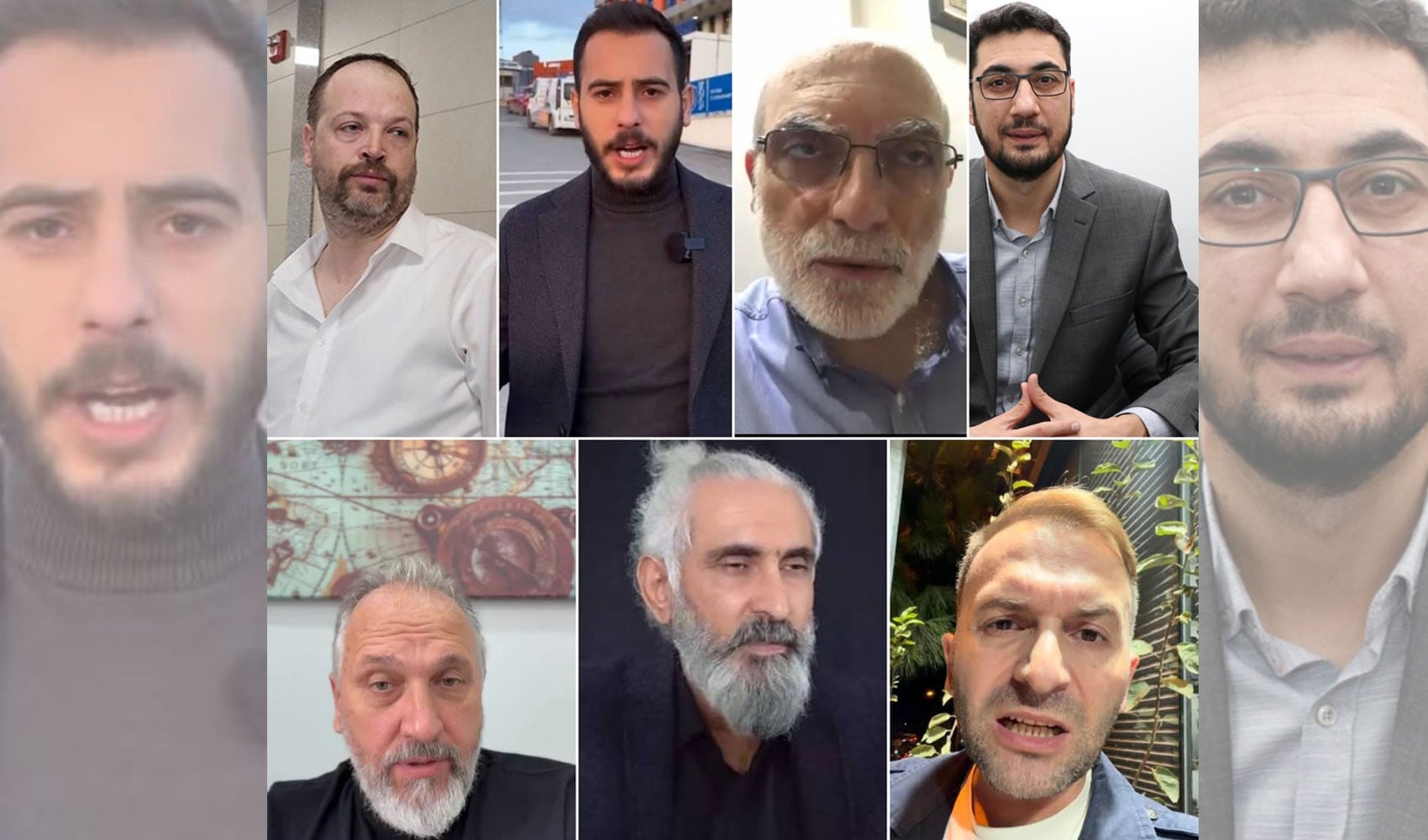
There are also some imams and preachers who are phenomena on social media. They draw reactions, but there is also a perception that they are untouchable. Does the Diyanet act as a protective umbrella for these individuals?
Mustafa Mert Bildircin: I think that is the case. Because there is impunity. They have a role that directly intervenes in social life, sometimes plays with the nerve endings of society, and makes polarization even sharper. We see that the Diyanet does not open any investigations against these individuals who are members of the Directorate of Religious Affairs. Therefore, taking courage from this impunity and lack of sanctions, they raise the bar even higher each time.
Sefa Uyar: The founding cadres of the Republic said that the Diyanet was established to convey correct information to the public and that it should perhaps take on a role to fight against these religious merchants, sects, and cults. However, when we come to today, we see that the situation has turned exactly the opposite.
For example, some of the 4-6 age Quran courses are directly connected to sects and cults today. All of these courses are legally affiliated with the Diyanet. For example, in Istanbul, we can see them walking around Istanbul with turbans and robes, chanting slogans before a graduation ceremony at a Quran course connected to a foundation. The Speaker of the Parliament can attend this ceremony, and the President can also attend. We can see that Atatürk and the Republic are insulted and cursed at these ceremonies. For example, the Diyanet has religious specialization centers. The director of an important specialization center in Istanbul is the son of the former leader of the İsmailağa sect.
What kind of Turkey does Ali Erbaş want?
Mustafa Mert Bildircin: I don't think Ali Erbaş has a dream of a Turkey. Maybe he is worried about his position. Maybe he is thinking about his own future. However, I don't think he has a vision for Turkey.
When we evaluate his work as a whole, he might want a society where religion is dominant. However, it is possible to see that this dream of Turkey in Erbaş's mind does not overlap with the demands of the street. Because families may be sending their children to 4-6 age Quran courses with sincere, good feelings, but at the same time, they are reading reports that these 4-6 age Quran courses are not pedagogically suitable for their children through the Diyanet's own research.
We know that there are reactions from the public and prisoners to the officials in prisons. Therefore, we know that the work the Diyanet is doing in the Turkey of 2025 does not actually have as much of a response in society as is thought. It should be added. Almost every criticism directed at the Directorate of Religious Affairs is met with "These are enemies of religion." Perhaps it is necessary to respond to this in particular. I am not an enemy of religion. I know that Sefa is not either. We know that the citizens who will read this book are not enemies of religion either. No one has a problem with religion or faith. Our concern is Turkey's resources. Because we are two people who love this country. 85 million people who love this country have the right to know how their taxes are used. We have to know where and how the money entrusted to the Directorate of Religious Affairs is spent, again with our taxes. Just as we have no problem with anyone's faith, I think we defend freedom of belief more than the current administration of the Directorate of Religious Affairs right now.
What kind of influence did the Diyanet have in the rise of FETÖ? How had they opened space or how had the Fethullahists used the Diyanet?
Sefa Uyar: The President also draws attention to this in the same way. He says that the Diyanet was late in the fight on this issue. The Diyanet is very late in regulating its relations with all sects and cults and perhaps in fighting them. There are many names expelled from the Diyanet after July 15. Some of them were high-level executives. Perhaps we can go one step further.
For example, we know that Ali Erbaş was influential in the Interreligious Dialogue, which is one of the most important tools of FETÖ.
We know that he was an executive of a platform that was an institution of FETÖ. We know that the publishing house that published the Interreligious Dialogue book was closed due to FETÖ after July 15. He is among the founding academics of the Faculty of Theology in Sakarya, which was established in 1993. We know that the founder of that faculty, Suat Yıldırım, who is known as the number 2 of FETÖ, was very close to Ali Erbaş.
News Source: Sercan Meriç