 1 / 19
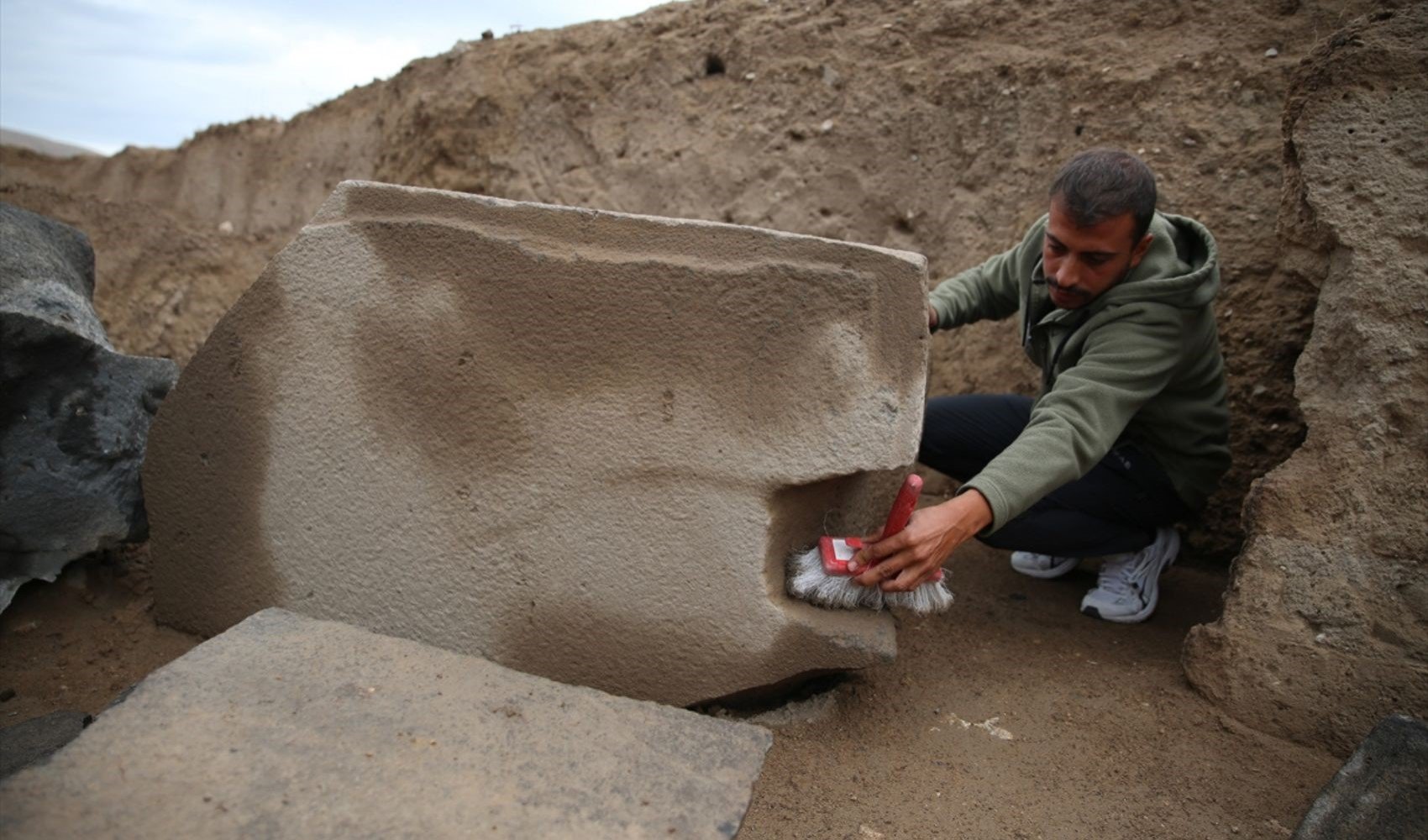
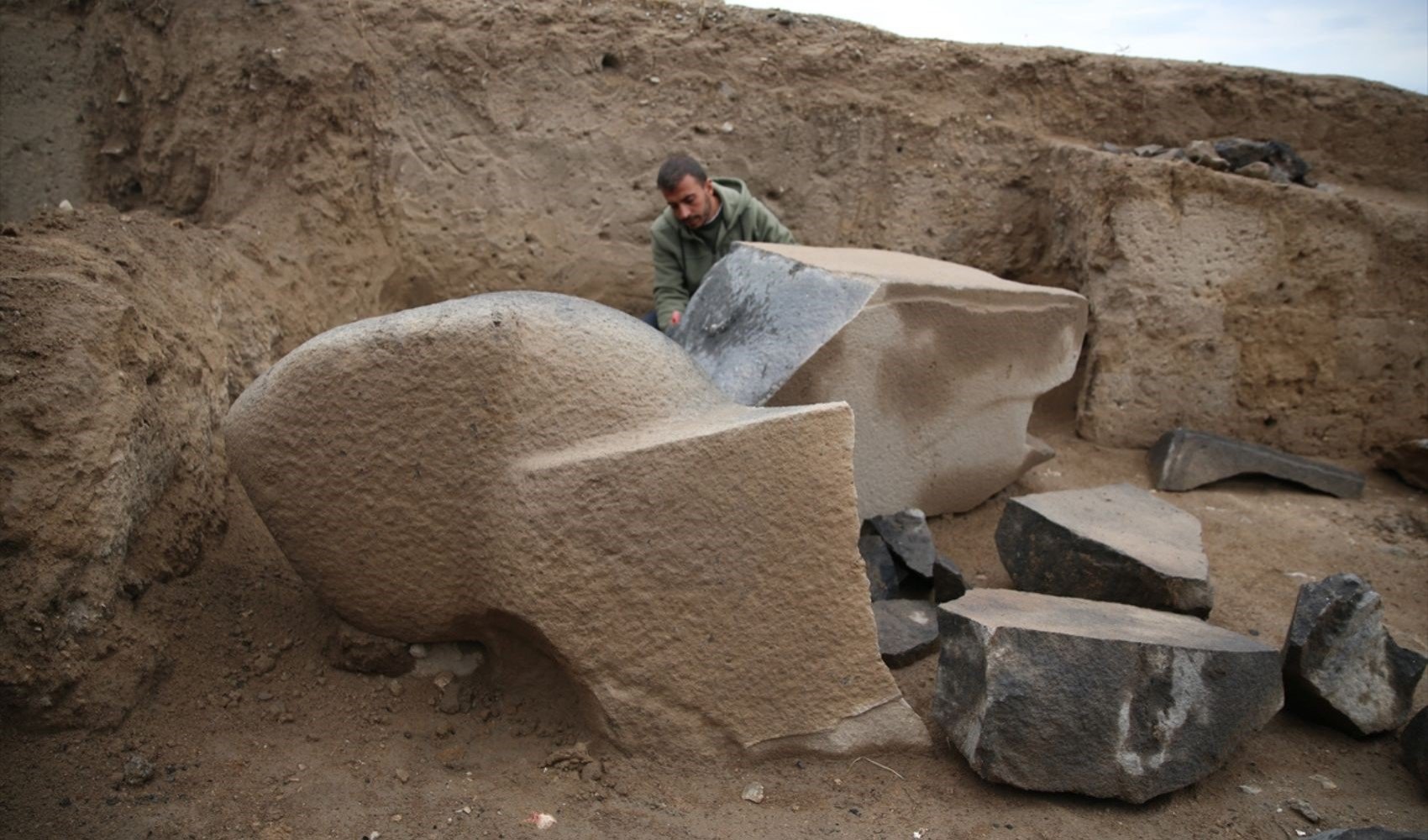
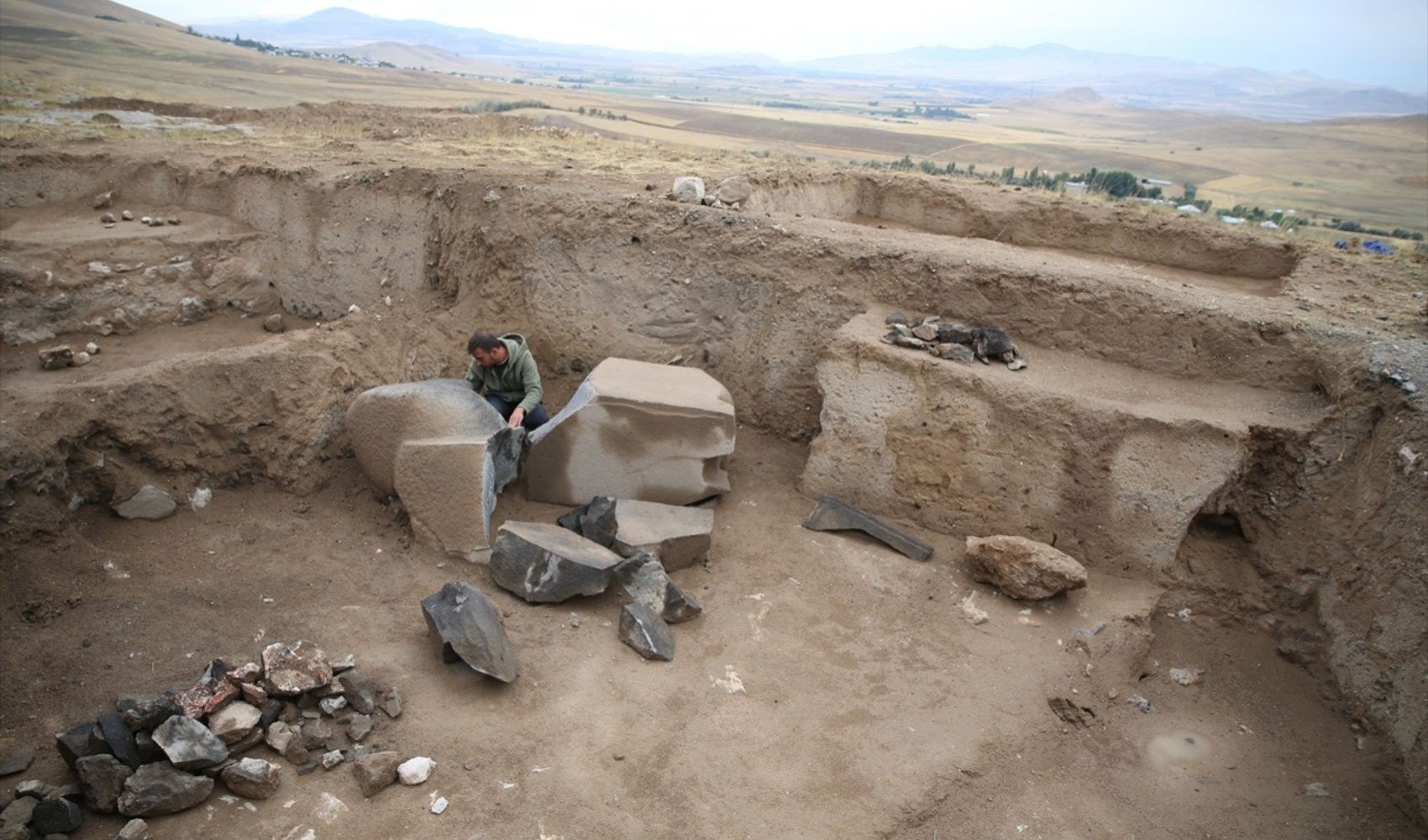
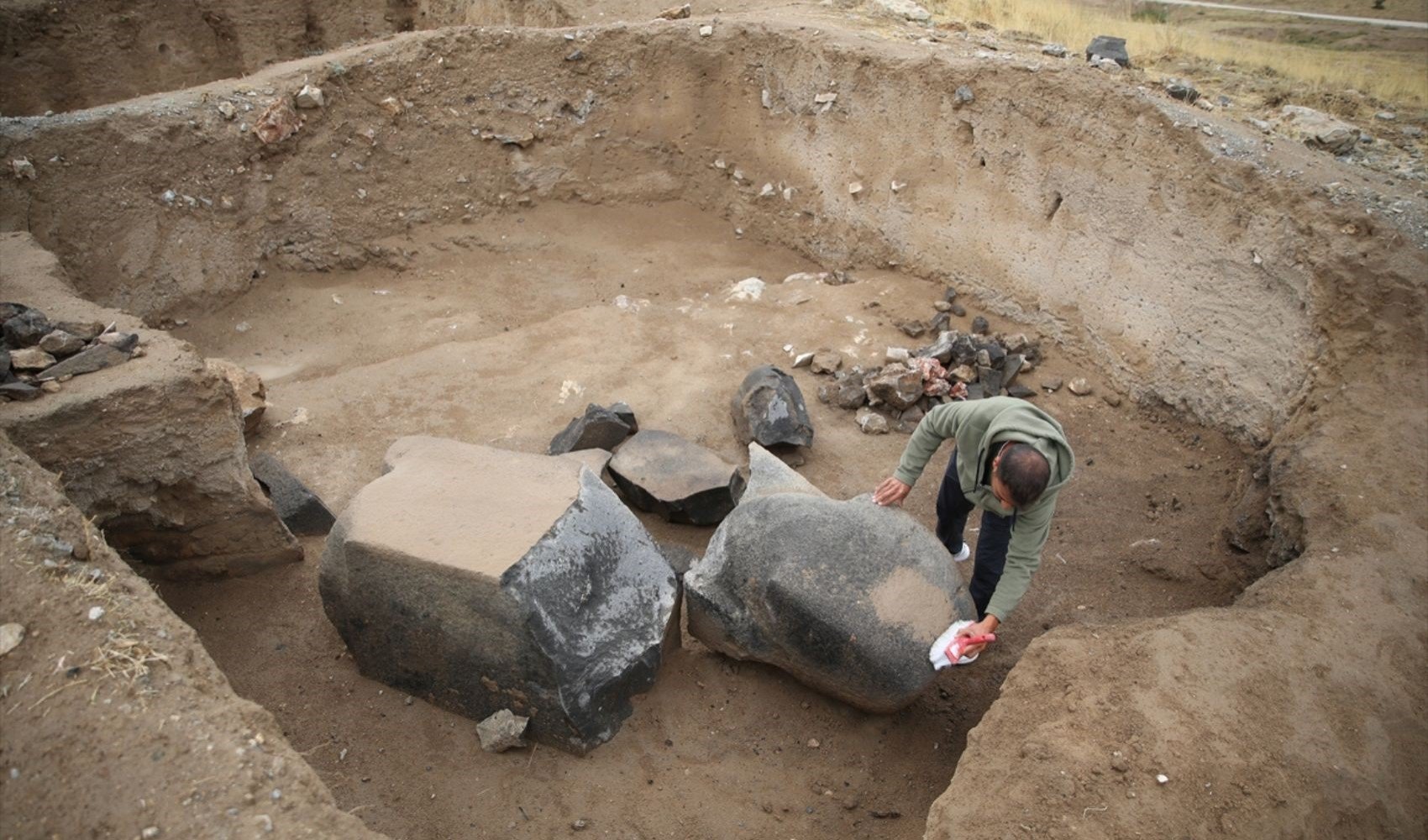
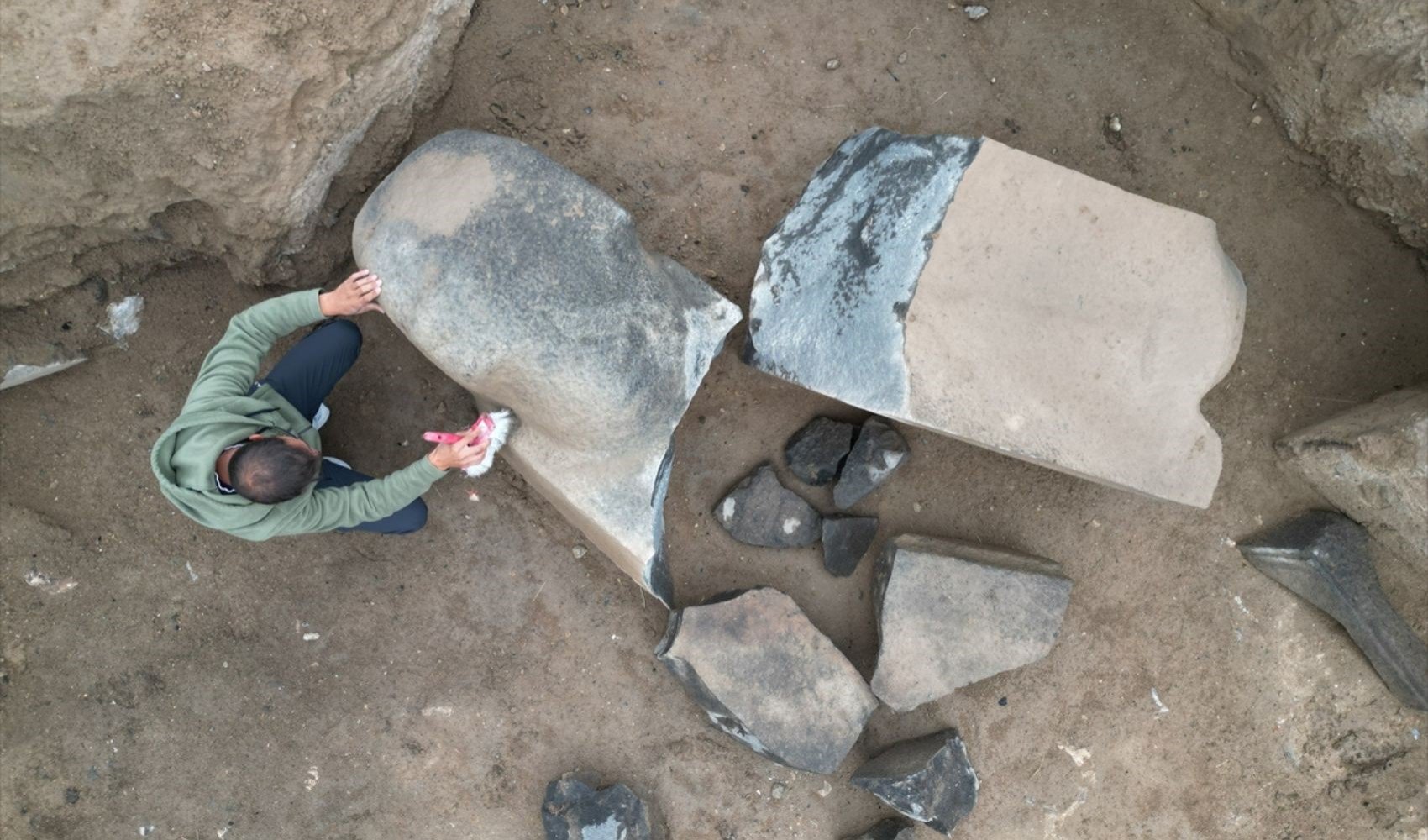
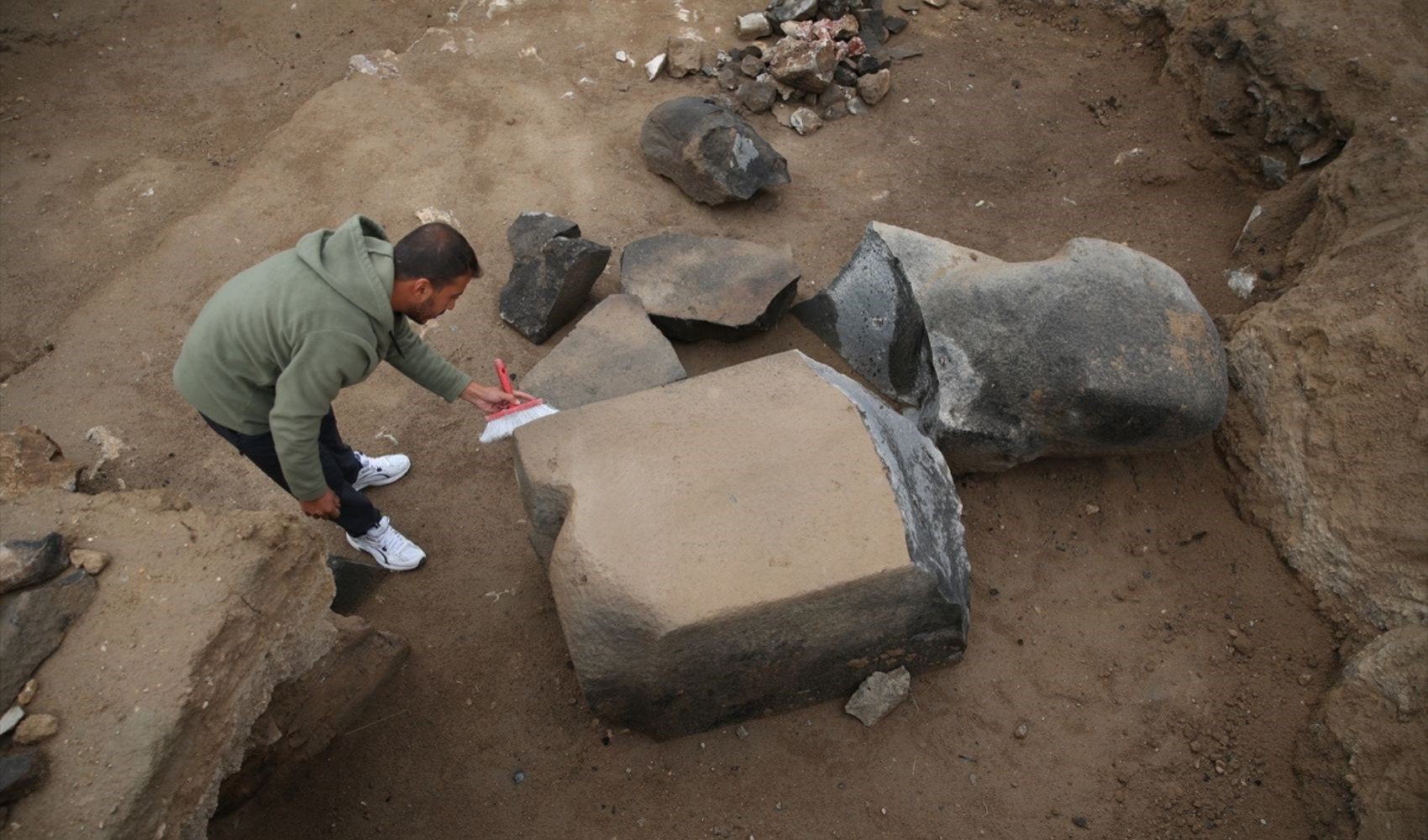
A statue made of basalt stone, weighing approximately one ton and dating back to the Urartian period, has been unearthed during archaeological excavations in the Tuşba district of Van, in an area where rescue excavations were conducted last year.
 2 / 19
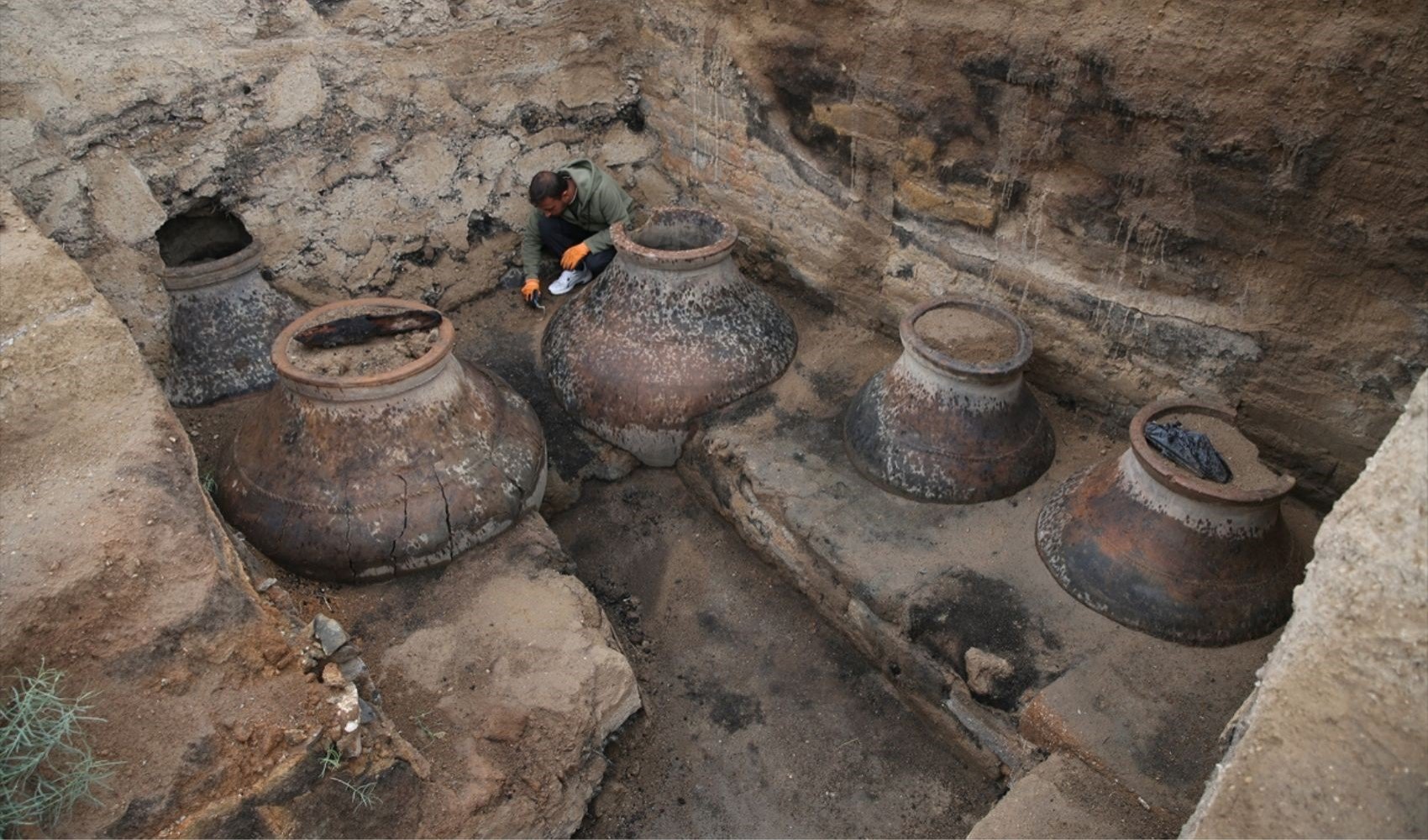
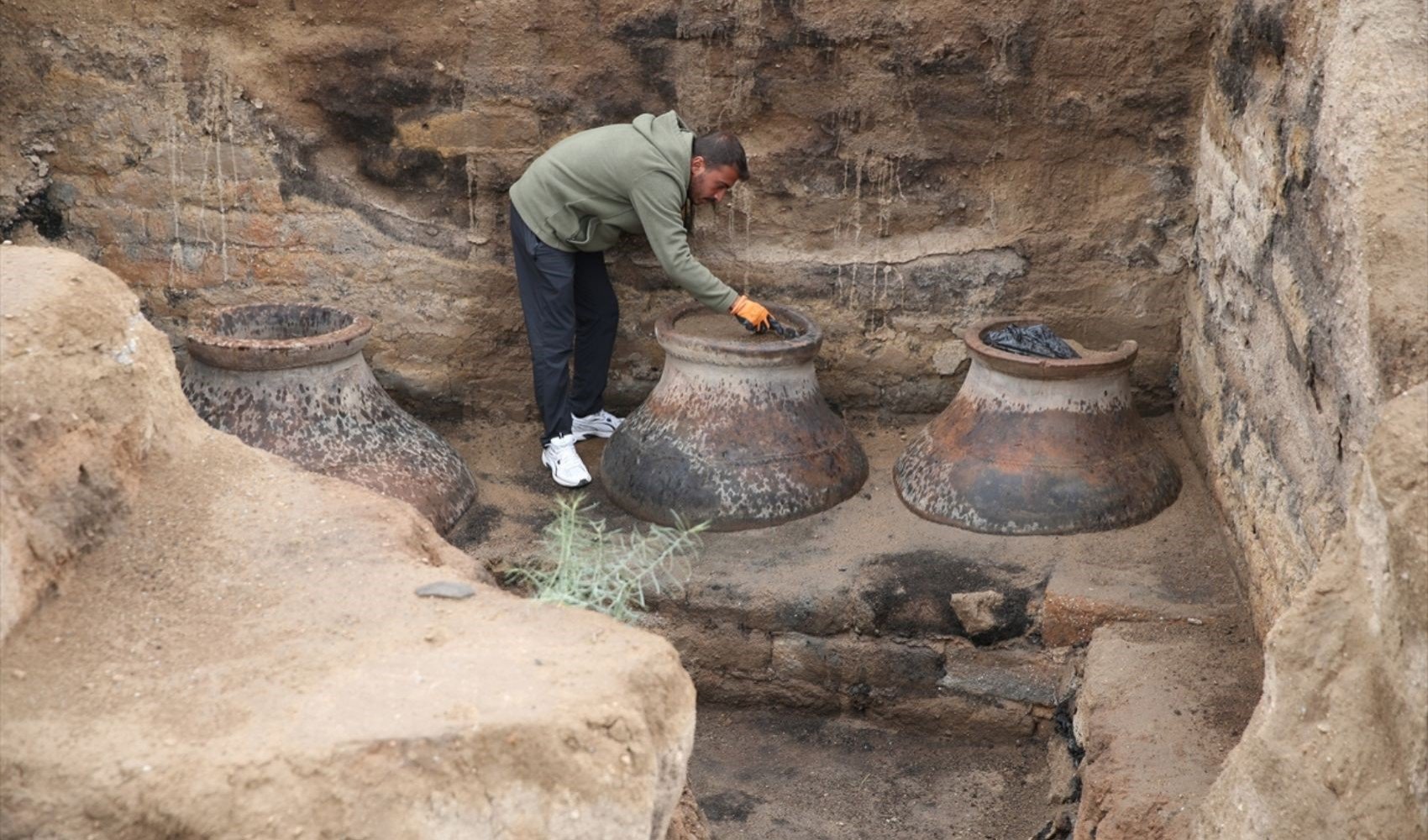
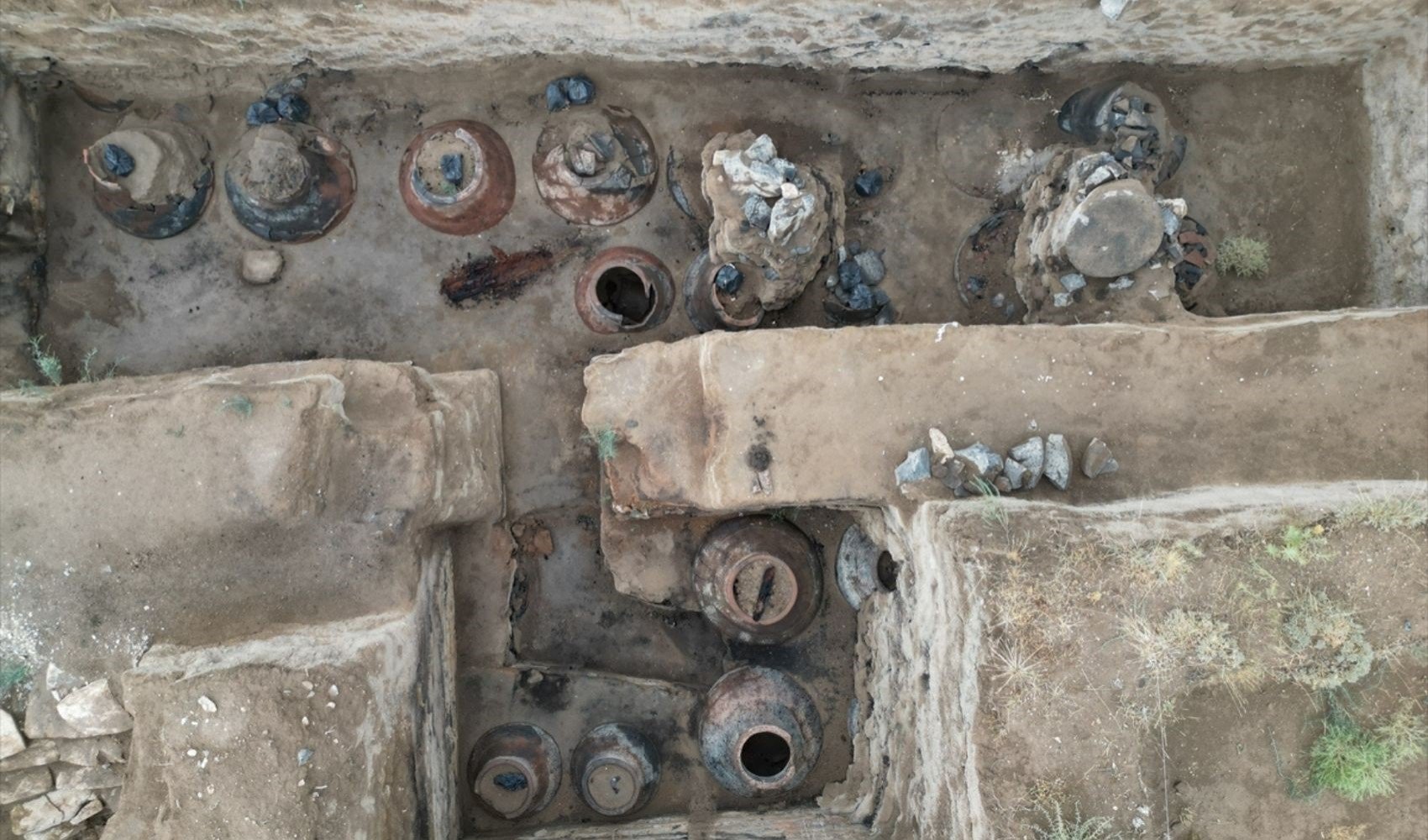
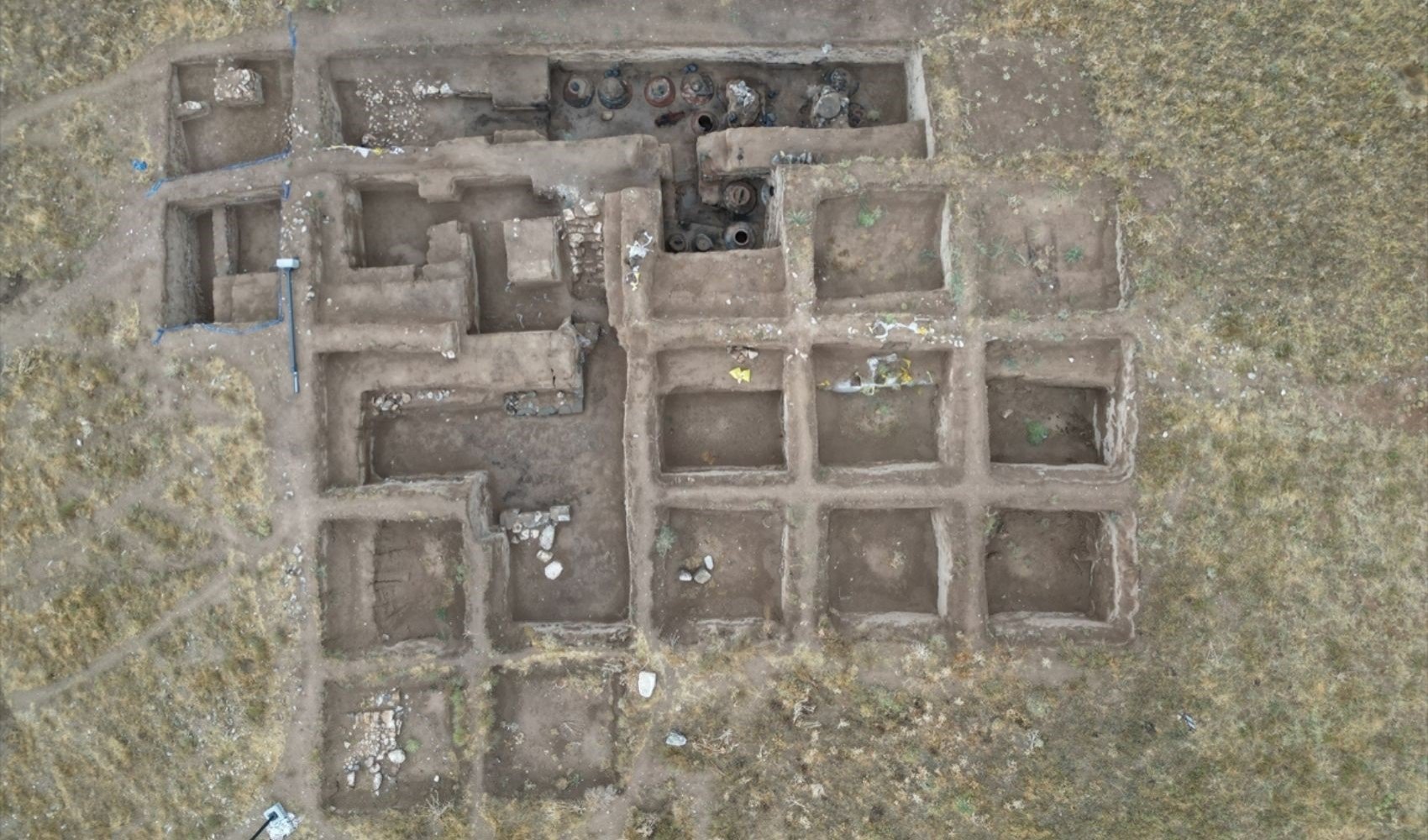
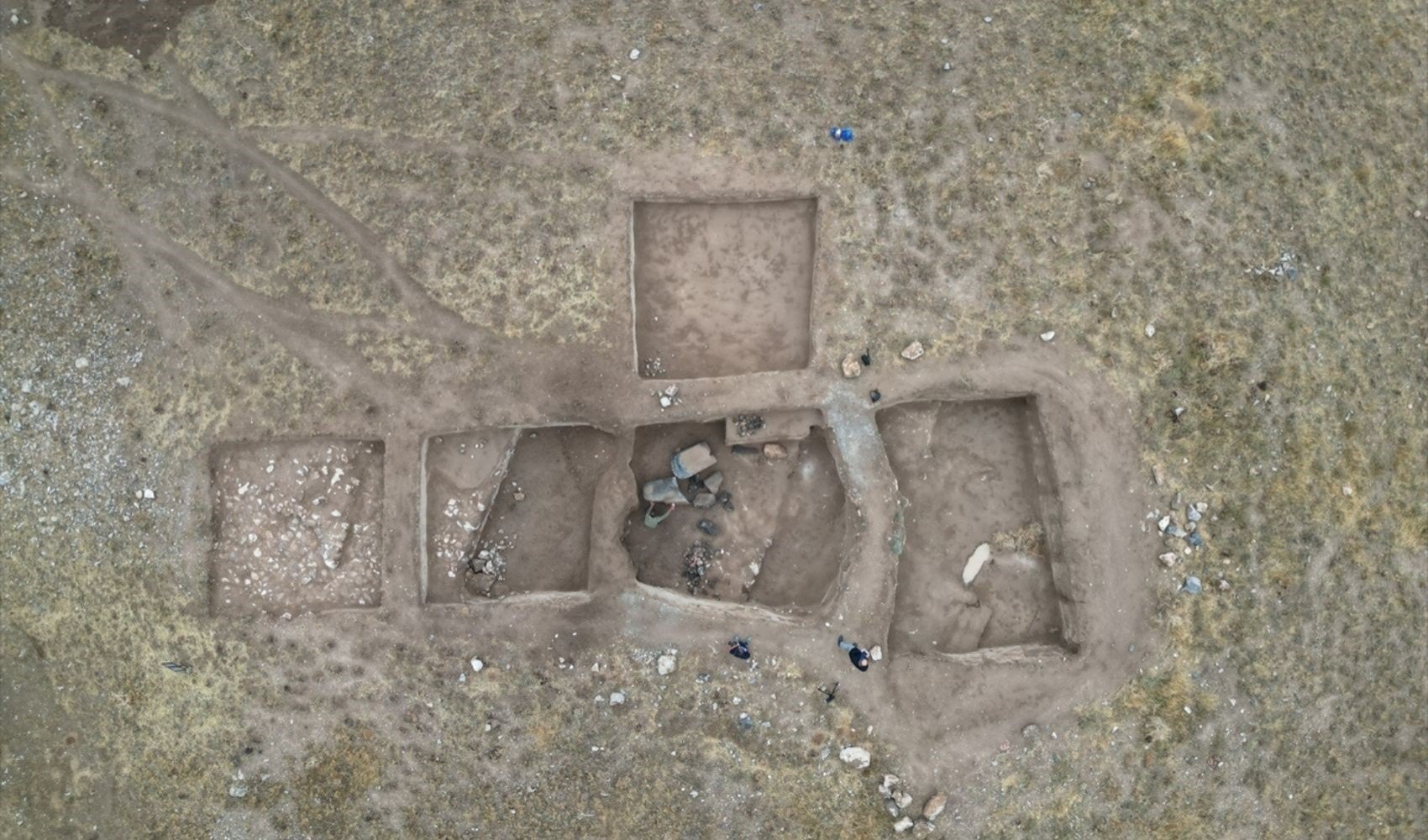
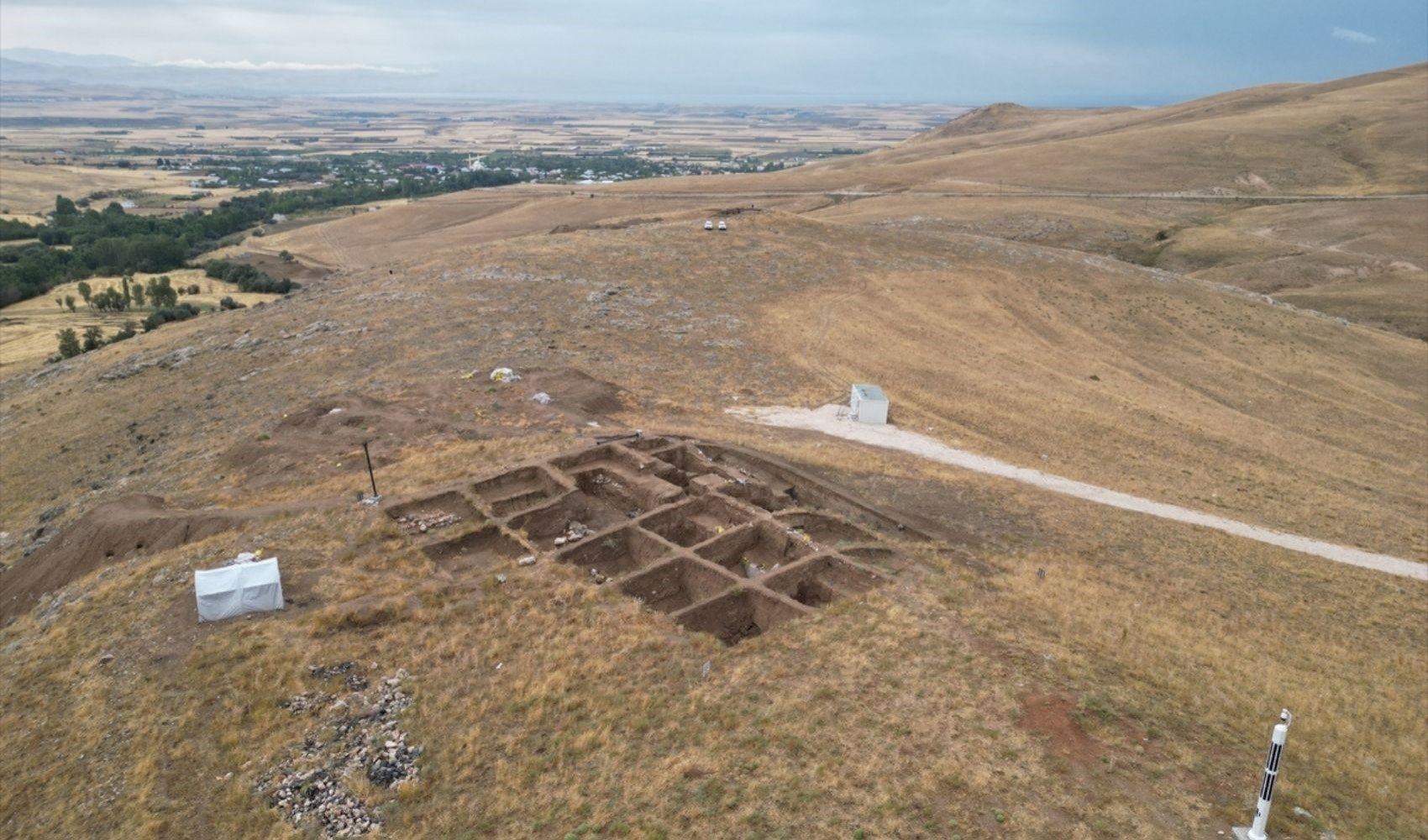
Excavation work continues at the historical site identified during rescue excavations last year at Garibin Tepe, located 30 kilometers from the city center and 3 kilometers from Ayanis Castle.
 3 / 19
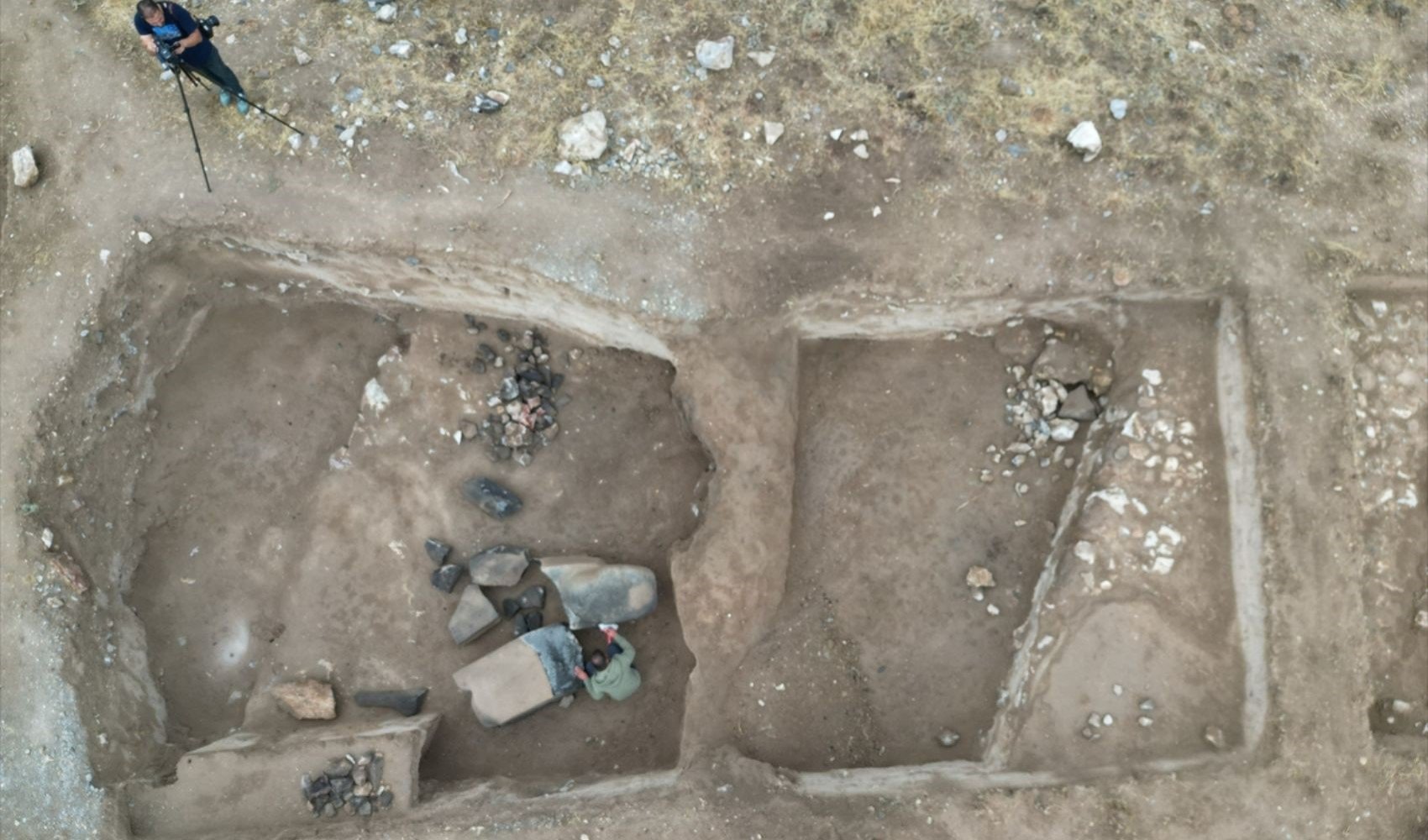
The excavation, carried out under the auspices of the Van Museum with the permission of the Ministry of Culture and Tourism and under the scientific consultancy of Prof. Dr. Mehmet Işıklı, a faculty member of the Department of Archaeology at Atatürk University's Faculty of Letters, was concentrated on the southern part of the hill this year.
 4 / 19
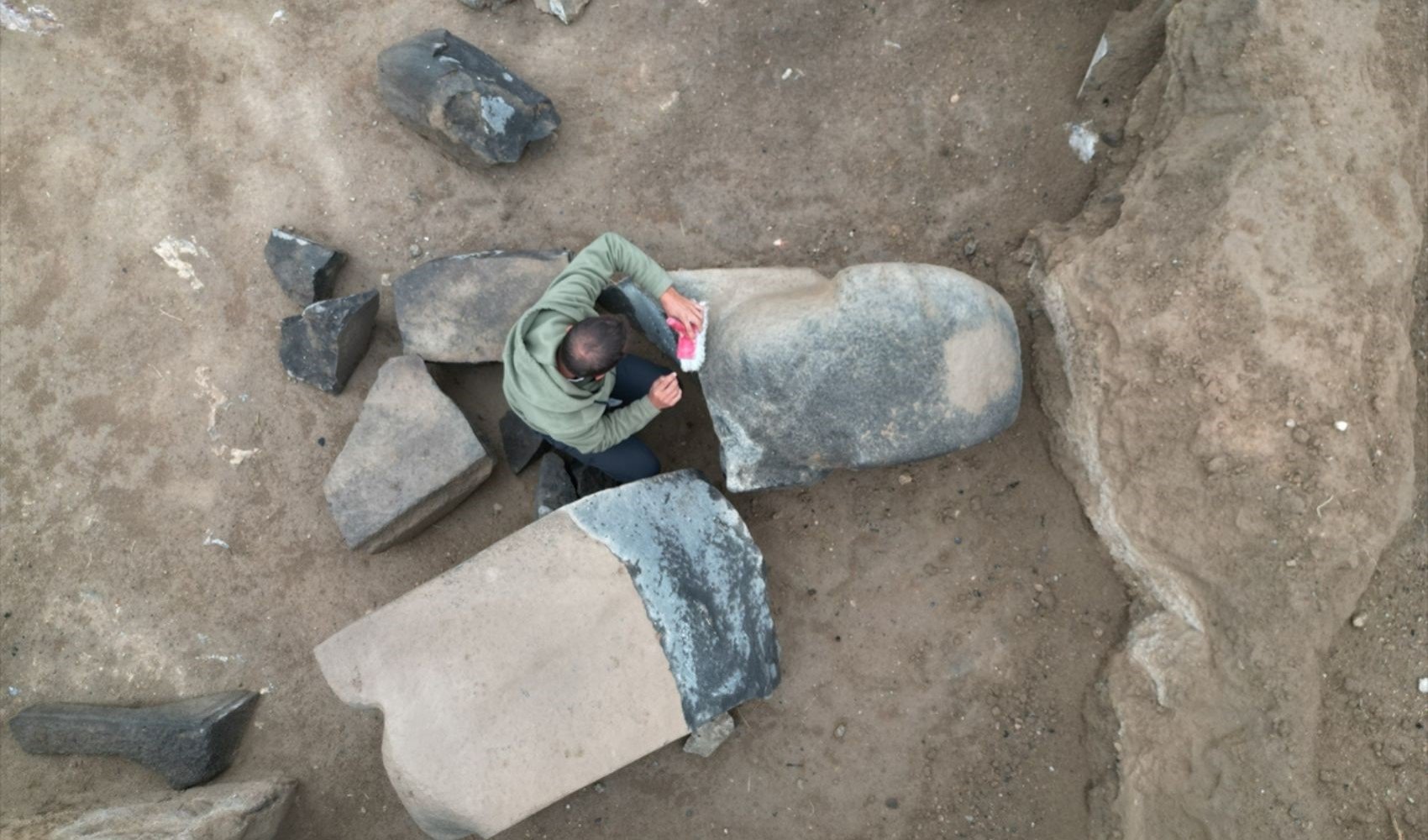
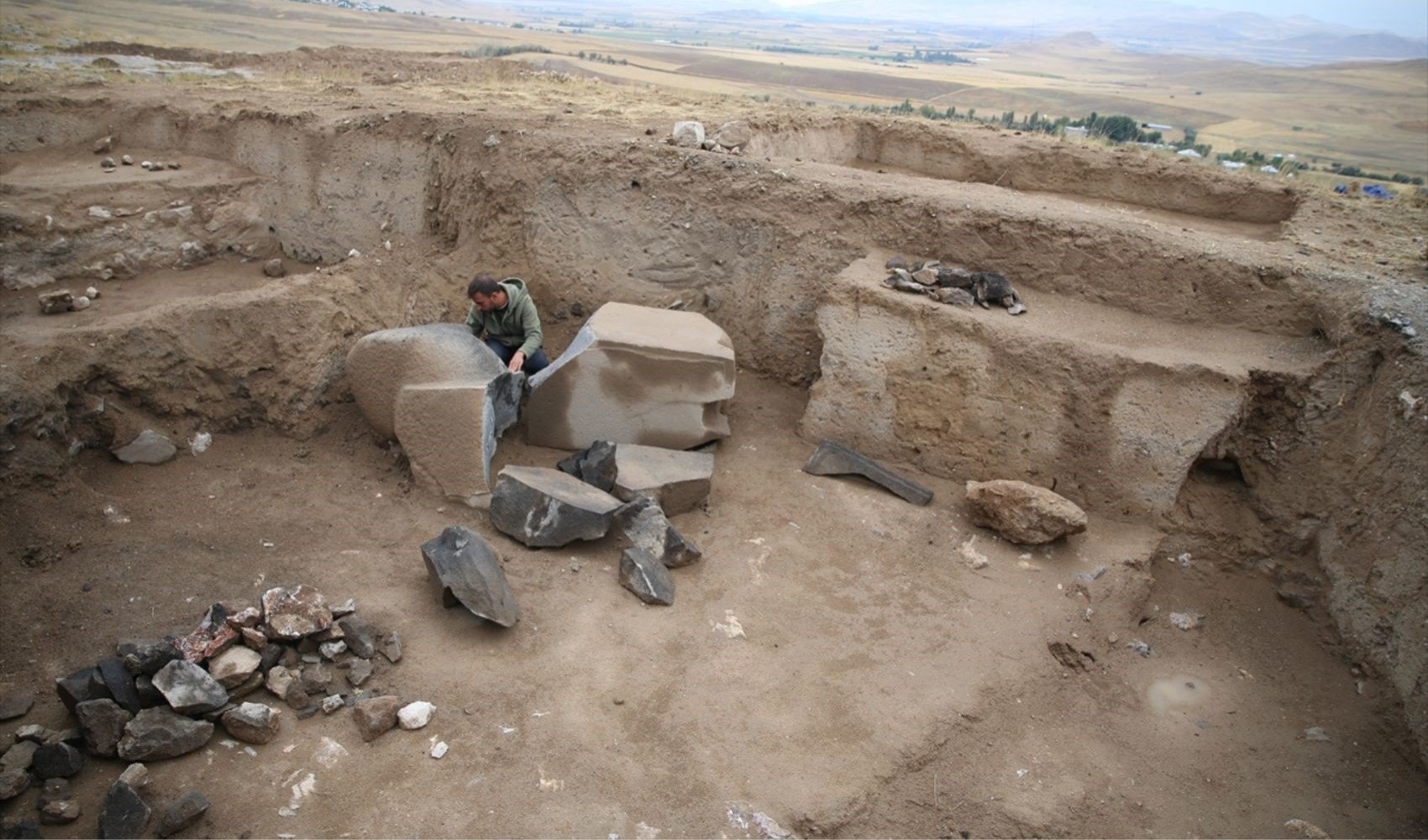
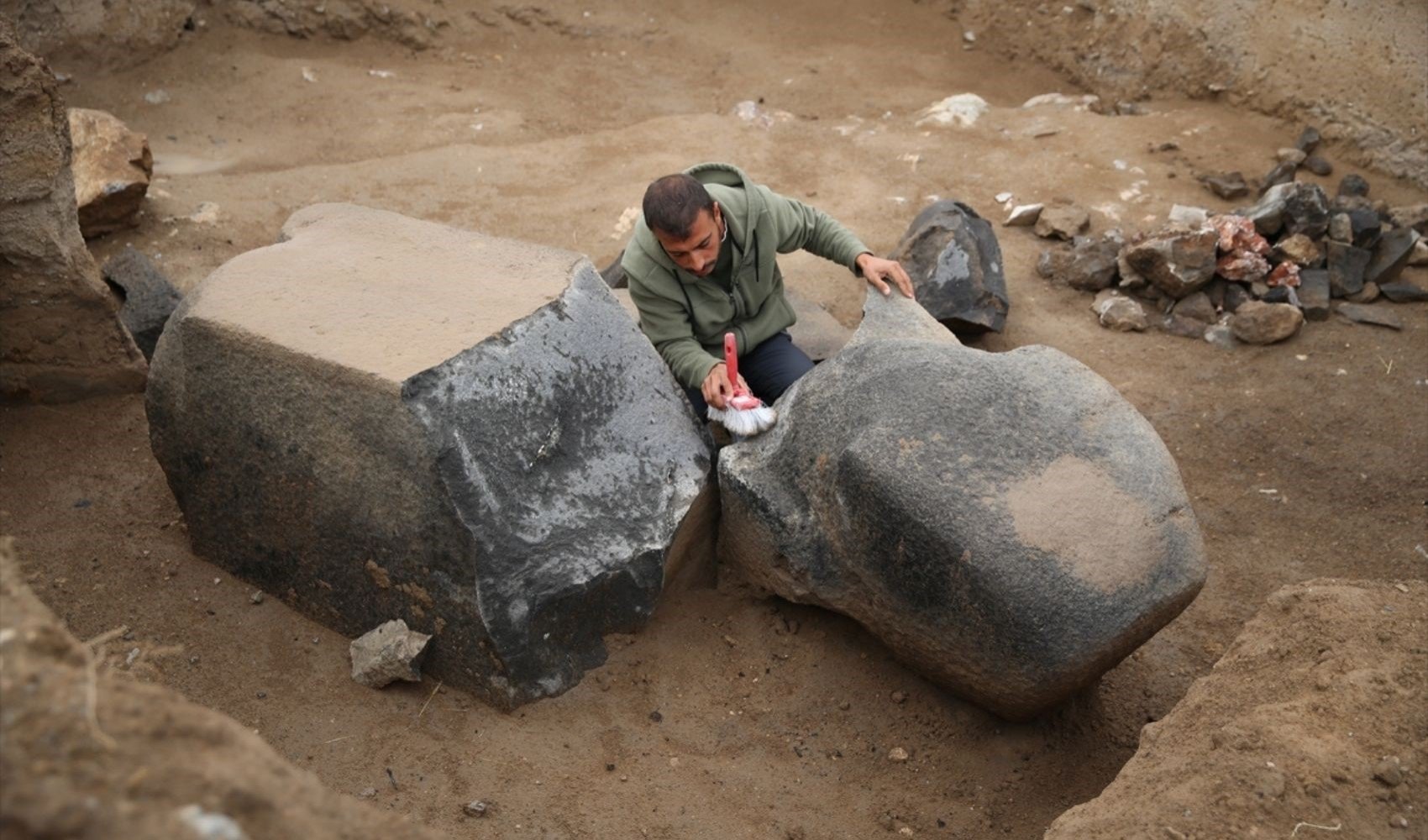
According to AA's report, archaeologists excavating the area where a monumental building group had previously been unearthed encountered a statue made of basalt stone, 2 meters long and 1 meter wide.
 5 / 19
The statue, which weighs approximately one ton and is considered monumental, has a broken neck area and has been transported to the Van Museum for restoration.
 6 / 19
The mystery of the basalt statue is expected to be solved following a detailed examination by a team arriving from Ankara.
 7 / 19
'A VERY STRIKING EXAMPLE OF URARTIAN PLASTIC ART'
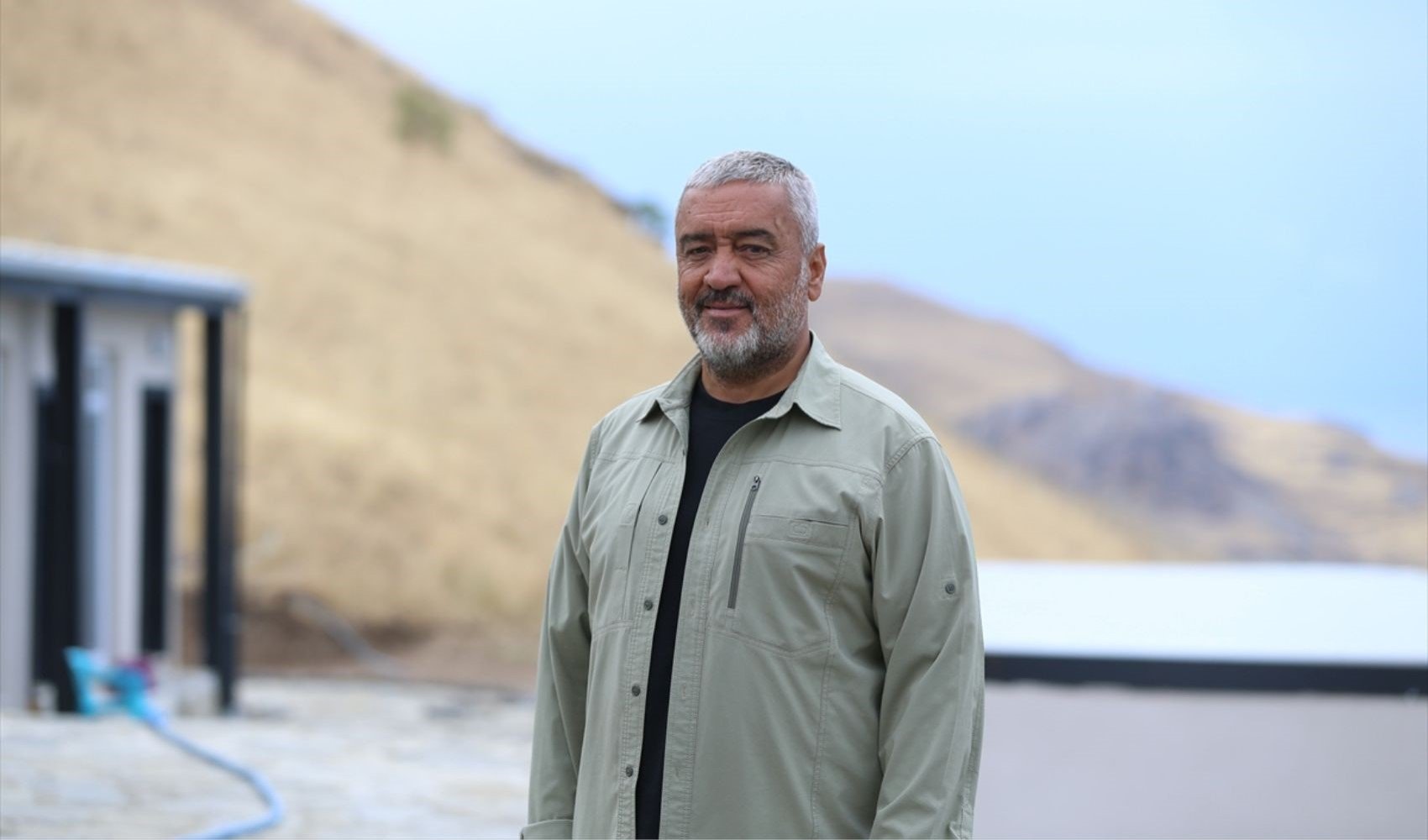
Prof. Dr. Işıklı told an AA reporter that very striking and remarkable archaeological finds have emerged during the excavations at the site.
 8 / 19
Explaining that they continued their work in the southern part of the hill this year, Işıklı recalled that a lion statue was found during the rescue excavations conducted in the area in 1995.
 9 / 19
Stating that sculptural works are one of the areas about which they have the least information in Urartian archaeology, Işıklı said, "There are very limited works related to plastic arts, that is, sculpture, in the Urartian period. We are talking about a few examples. Whether metal or stone, we do not have much data on the art of sculpture. In this sense, object fragments belonging to a lion statue had been found previously in the area where the excavation is being conducted. In this year's excavations, we encountered a find that surprised us greatly. A very striking example of Urartian plastic art, carved from basalt, has been recovered."
 10 / 19
'WE ARE VERY EXCITED'
Stating that questions regarding what the statue means and what it resembles will be answered after detailed work at the museum, Işıklı made the following assessments:
 11 / 19
"We are facing a statue carved from a massive block. We cannot say anything clear about what it is right now. Because it is a monumental statue, approximately 2 meters long and 1 meter wide, carved in a very stylized manner. We are transporting the statue to the Van Museum. The necessary preliminary work and interventions will be carried out there. We will be able to have information about it after it is restored. It is a very striking find in an area where the Urartian period is represented by very few unique works."
 12 / 19
Emphasizing that Garibin Tepe is an exciting place for this reason, Işıklı said, "This is the first time we have encountered such a monumental, three-dimensional statue. We are very excited; we hope to have more detailed information about it after the preliminary work is done. It looks like a figure with its feet carved, its head rendered in a more stylized way, its body in the shape of a square prism, and its head and facial features not clearly defined. It looks like a monumental figure. It is very difficult to determine whether it is a divine or royal figure. We even thought of it as a postmodern statue. In this respect, it is interesting and has excited us greatly. We will see the results together."
 13 / 19
 14 / 19
 15 / 19
 16 / 19
 17 / 19
 18 / 19
 19 / 19
News Source : 12punto