 1 / 8
1 / 8
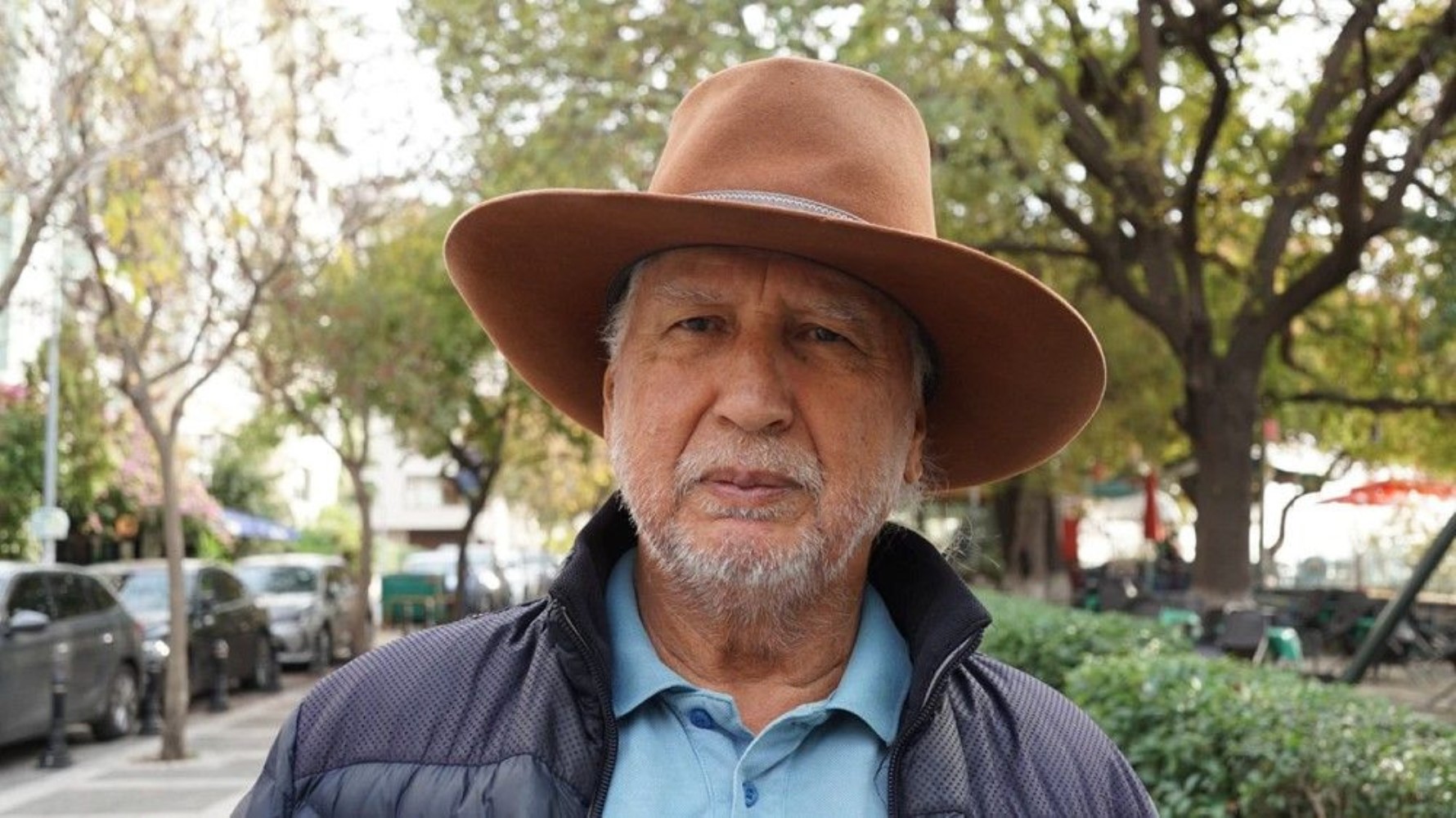
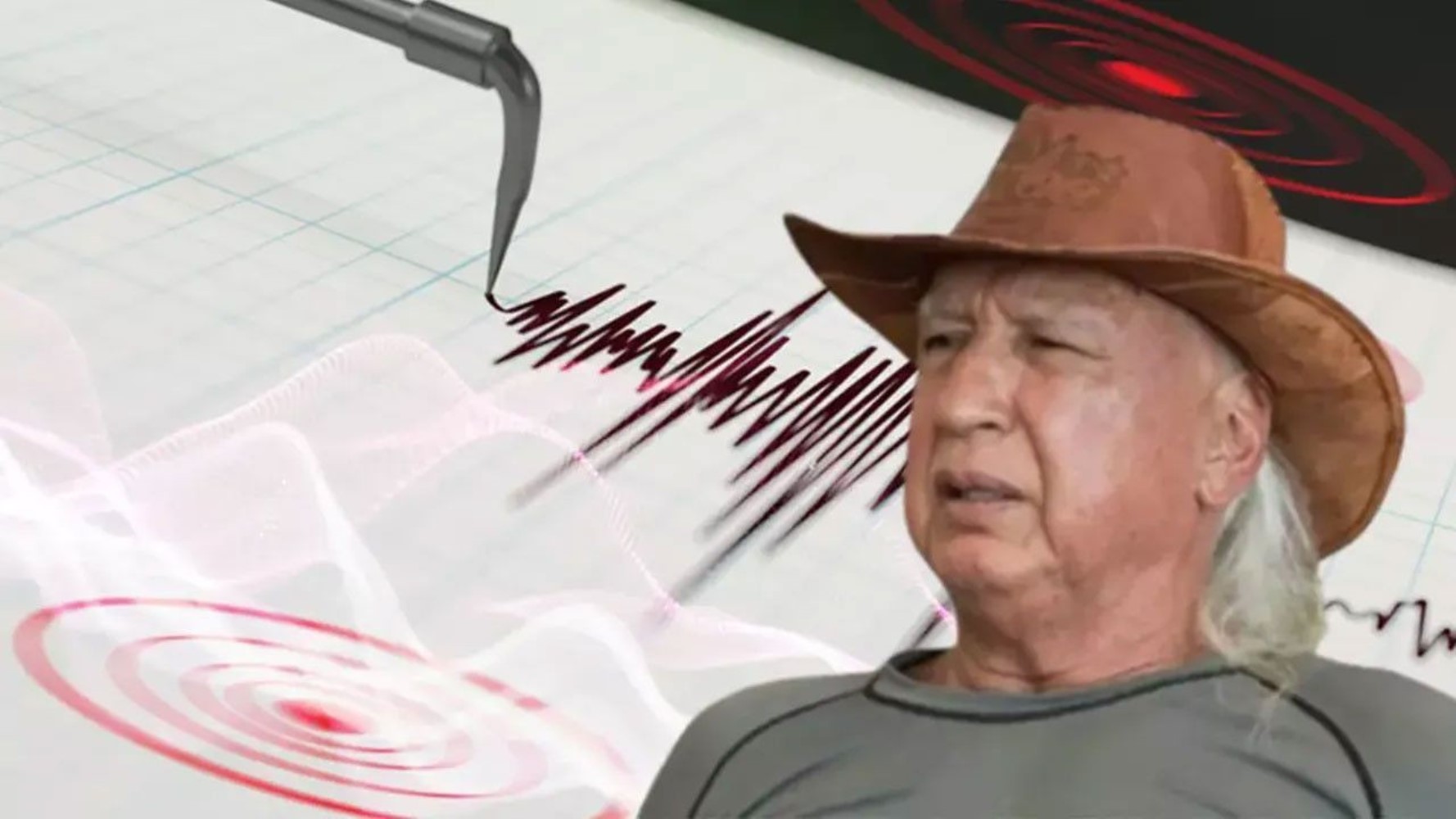
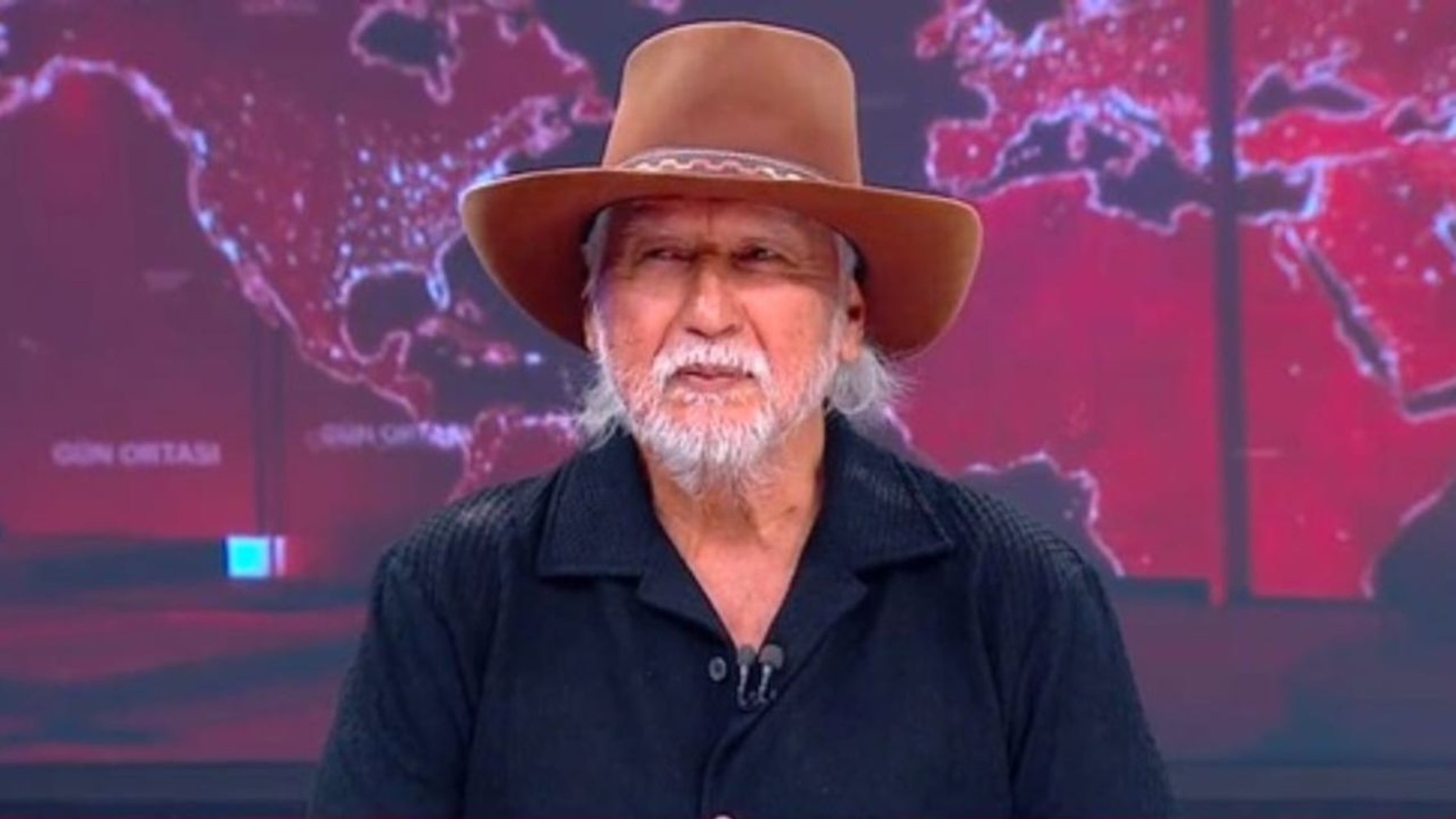
While recent tremors in the Marmara region have increased anxiety, earthquake scientist Prof. Dr. Şener Üşümezsoy has provided an important assessment.
 2 / 8
2 / 8
Speaking to TGRT Haber, Üşümezsoy challenged the long-standing narrative that the "Adalar Fault will break," emphasizing that the real danger is accumulating in the southern part of the Marmara region, particularly off the coast of Yalova.
 3 / 8
3 / 8
Şener Üşümezsoy stated the following:
 4 / 8
4 / 8
“The fault that broke in 1894 released the stress between the Istanbul and Anatolian blocks. Its continuation to the east released the stress in 1999.”
 5 / 8
5 / 8
“A broken bone cannot be broken again without healing, so it would need to reunite and break again.”
 6 / 8
6 / 8
"THE RISK IS NOT IN THE NORTH, BUT IN THE SOUTH"
Stating that the 1999 Gölcük Earthquake largely released the energy on the Adalar Fault, Üşümezsoy continued his remarks as follows:
 7 / 8
7 / 8
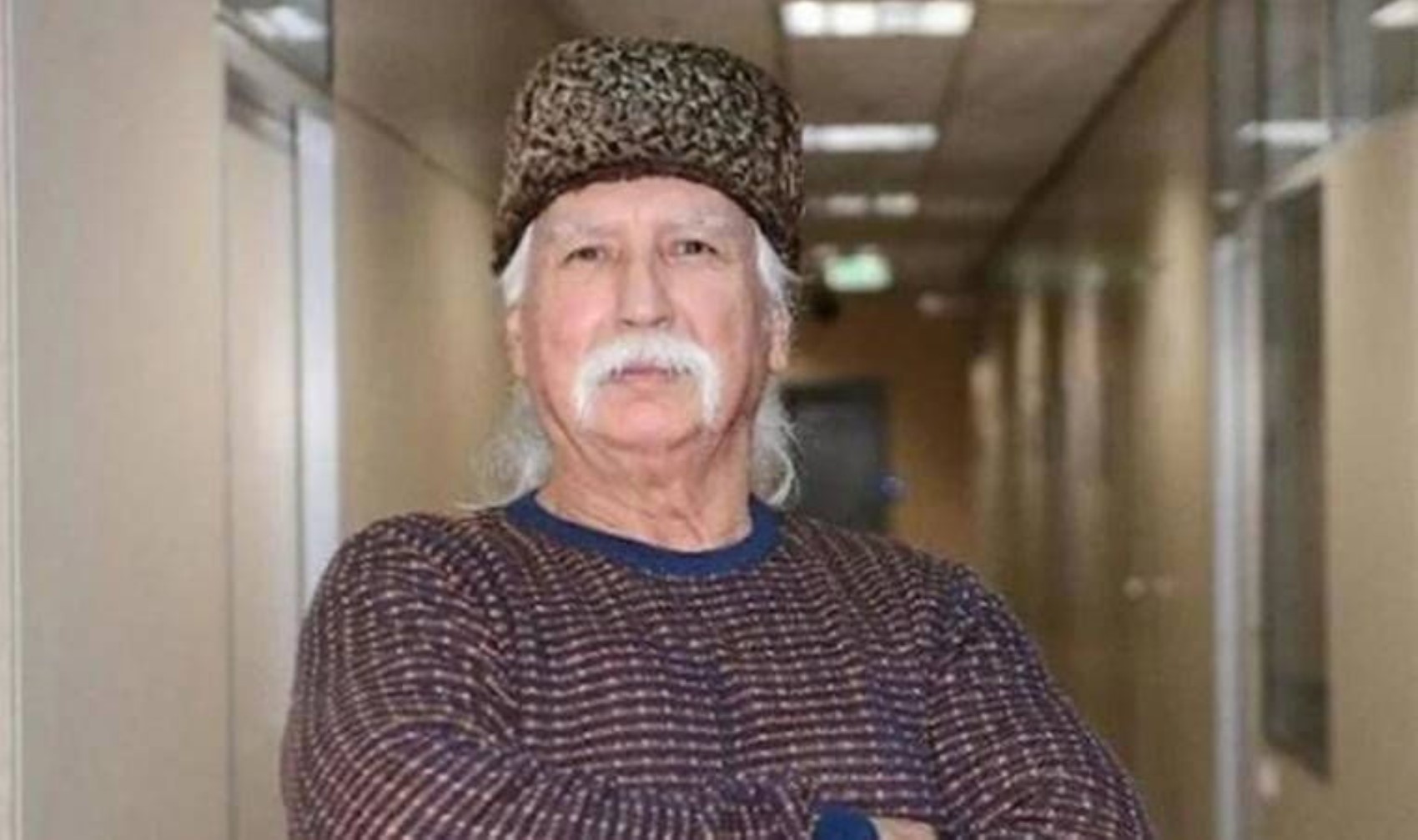
"The risk is not in the north, but in the south. The energy shifted south after 1999, which is why the stress is concentrated on the Çınarcık-Esenköy-Bozburun line."
 8 / 8
8 / 8
Prof. Dr. Şener Üşümezsoy's assessments bring a different perspective to the earthquake probabilities in the Marmara region, drawing attention to the area around Yalova this time.
News Source : 12punto