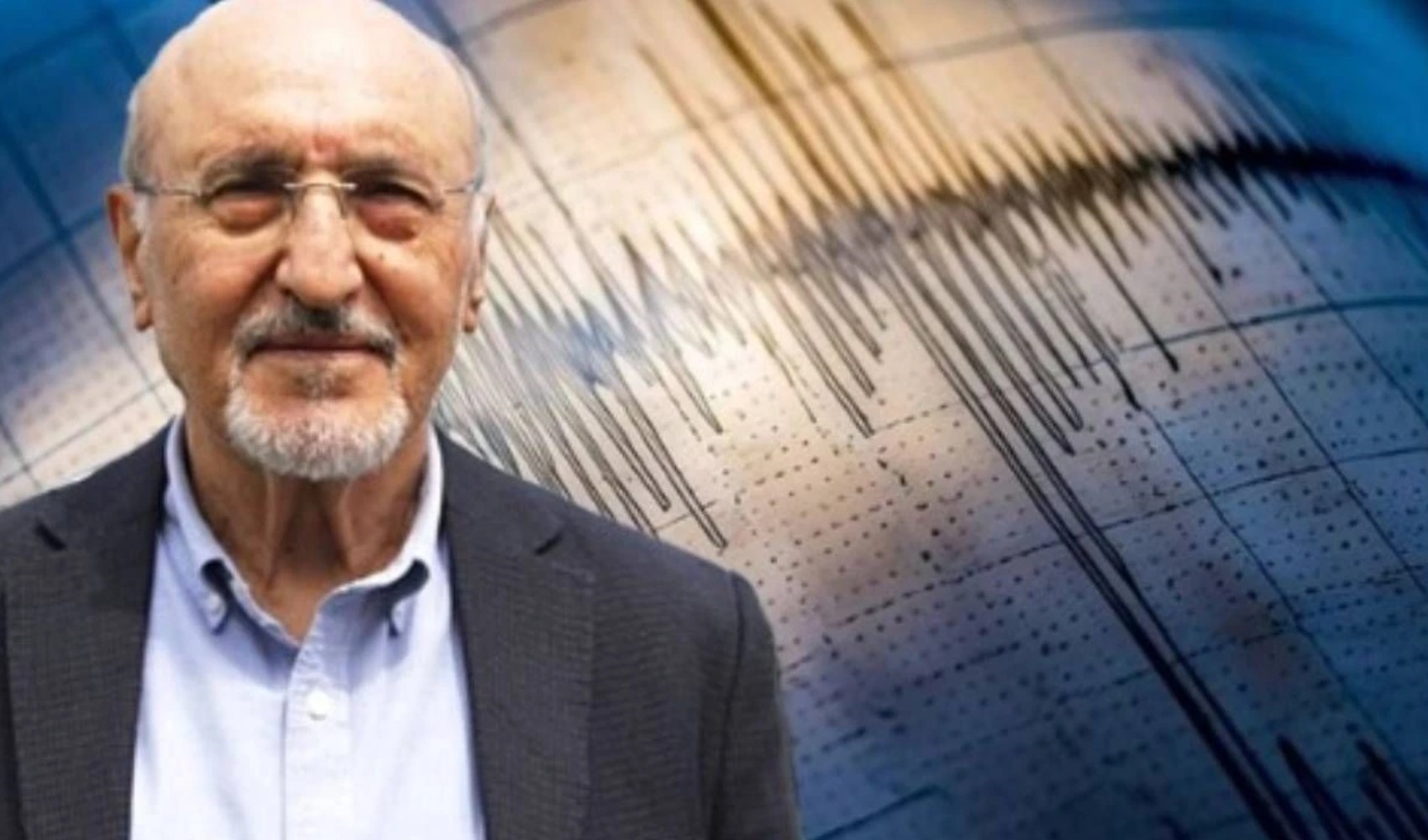
The earthquake swarm that has been continuing for weeks in the Aegean Sea is increasing in intensity. As the number of earthquakes recorded in the region has exceeded 2,000, experts continue to share their views on the effects of this seismic activity on the Marmara Region and especially on Istanbul. Most recently, Seismologist Prof. Dr. Osman Bektaş made statements indicating that the probability of a major earthquake occurring in Istanbul is low.
''A MAJOR EARTHQUAKE IN ISTANBUL IS UNLIKELY''
Prof. Dr. Osman Bektaş presented important data regarding the earthquake risk in Istanbul in a post he shared on social media. Providing a detailed assessment of the Adalar Fault Segment located to the east of Istanbul, Bektaş emphasized that the magnitudes of the earthquakes this segment has produced in the past have remained limited.
Analyzing historical records, Bektaş stated that the major Istanbul earthquakes that occurred in 1509 and 1766 had magnitudes between 6.8 and 7.2. He expressed that this situation indicates that the energy in the Adalar Fault may have been largely released. At the same time, he said that the 6.3 magnitude earthquake that occurred in the Adalar region in 1963 was also an effective factor in reducing the risk on this segment.
FAULT CREEP IN THE MARMARA
Bektaş stated that the earthquake risk in the west of Istanbul is low because no major earthquake has occurred in this region in the last 500 years. He also said that recent studies have revealed that the faults in the Marmara Region exhibit a creeping movement (creep).

Fault creep refers to the slow and continuous movement of the earth's crust, and these movements can significantly reduce the risk of a major earthquake occurring. Bektaş emphasized that such movements are observed in the west of Istanbul and that this lowers the risk of a major earthquake.
Prof. Dr. Osman Bektaş also drew attention to the earthquake cycle in the Marmara Region, stating that the most active period of seismicity in the last 500 years was experienced in the 20th century. He recalled that during this process, 6 major earthquakes (M>7) occurred, migrating from west to east.
However, he said that the quiet periods between these major earthquakes generally lasted between 89 and 163 years, and that this cycle may now have entered a phase of calm.

HE EXPLAINED ISTANBUL'S RISK ANALYSIS
Assessing the earthquake risk in Istanbul, Bektaş stated that a potential major earthquake is based on long-term periods and that major earthquakes repeat within certain historical cycles. Stating that the Marmara Region experienced one of its most active seismic processes in the 20th century, Bektaş argued that for this reason, the probability of a major earthquake in Istanbul in the near future is low.
News Source: 12punto