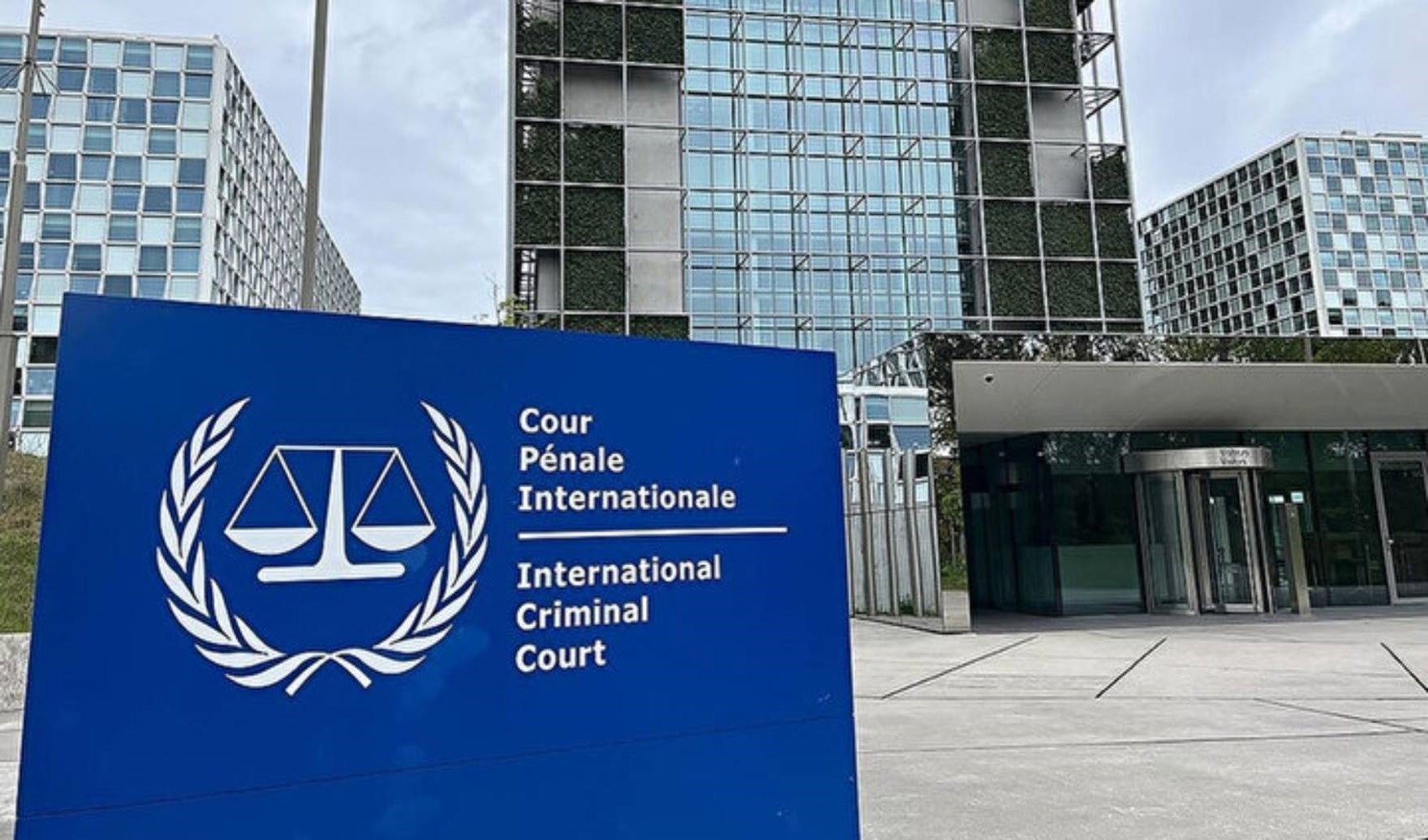
The International Criminal Court (ICC) is an international judicial body based on the Rome Statute that handles war crimes, crimes against humanity, genocide, and the crime of aggression.
WHAT IS THE INTERNATIONAL CRIMINAL COURT?
The International Criminal Court (ICC) is an international judicial body based on the Rome Statute that examines war crimes, crimes against humanity, genocide, and the crime of aggression. Established on July 1, 2002, the court began operations on March 11, 2003. The court's headquarters are located in its building in The Hague, Netherlands, as determined by the "Headquarters Agreement." 124 countries are parties to the ICC.
As an enforcer of international humanitarian law, this court was established particularly in the late 20th century and has contributed to the sovereignty of this law in the 21st century. The crimes within the court's jurisdiction—genocide, crimes against humanity, war crimes, and the crime of aggression—are considered the most serious crimes in the world, and it is emphasized in the Preamble of the Rome Statute that these crimes pose a threat to peace, security, and the well-being of humanity.
WHO CAN THE INTERNATIONAL CRIMINAL COURT PROSECUTE?
The ICC can only prosecute individuals and does not have the authority to prosecute states. The person to be prosecuted must be a citizen of one of the court's member states.
HISTORY OF THE INTERNATIONAL CRIMINAL COURT (ICC)
The first steps toward the establishment of the International Criminal Court were taken at a conference held in Rome in 1998 under the leadership of the United Nations. The Rome Statute, adopted on July 17, 1998, is the foundational document that enabled the establishment of the Court. The Statute was adopted by a majority vote (120 in favor, 7 against, and 21 abstentions). The Rome Statute provides a framework that determines which crimes the court will deal with, how it will operate, and what states must do to cooperate with the court.
According to the Statute, the approval of 60 countries was required for the International Criminal Court to become operational, and this 60-approval threshold was reached on April 11, 2002. As of April 15, 2015, 139 states had signed the Rome Statute, and 123 states had ratified it. However, signing the Rome Statute does not mean ratifying it.
News Source: 12punto