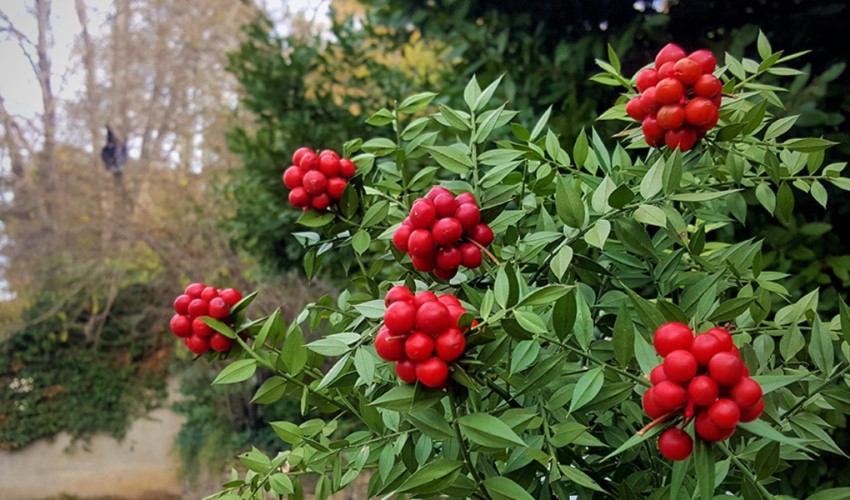
Drawing attention with its red colors, the Kokina flower represents abundance and prosperity at New Year's. So, what is Kokina? Why is the Kokina flower given at New Year's?
The Kokina flower is a plant that grows in the Andes Mountains. In fact, the Kokina flower is created by bringing together two different plants. These plants are red berries called "silcan" and a shrub-like plant called "tavşan memesi" (butcher's broom). The Kokina flower draws attention with its red color and elegant appearance.
The Kokina flower is traditionally given as a gift at New Year's. There are two main reasons why the Kokina flower is given at New Year's. First, the red color of the Kokina flower represents abundance and prosperity. Second, the shrub-like part of the Kokina flower, by coming together to form a strong whole, represents the importance of family and friendship.
In addition to being a gift given to family and friends at New Year's, the Kokina flower is also used in decoration. The Kokina flower adds color and joy to homes and workplaces.
The meaning and importance of the Kokina flower are the same not only in Turkey but also in many parts of the world. For example, the Kokina flower is given as a gift at Christmas in Spain and at New Year's in Mexico.
News Source: 12punto