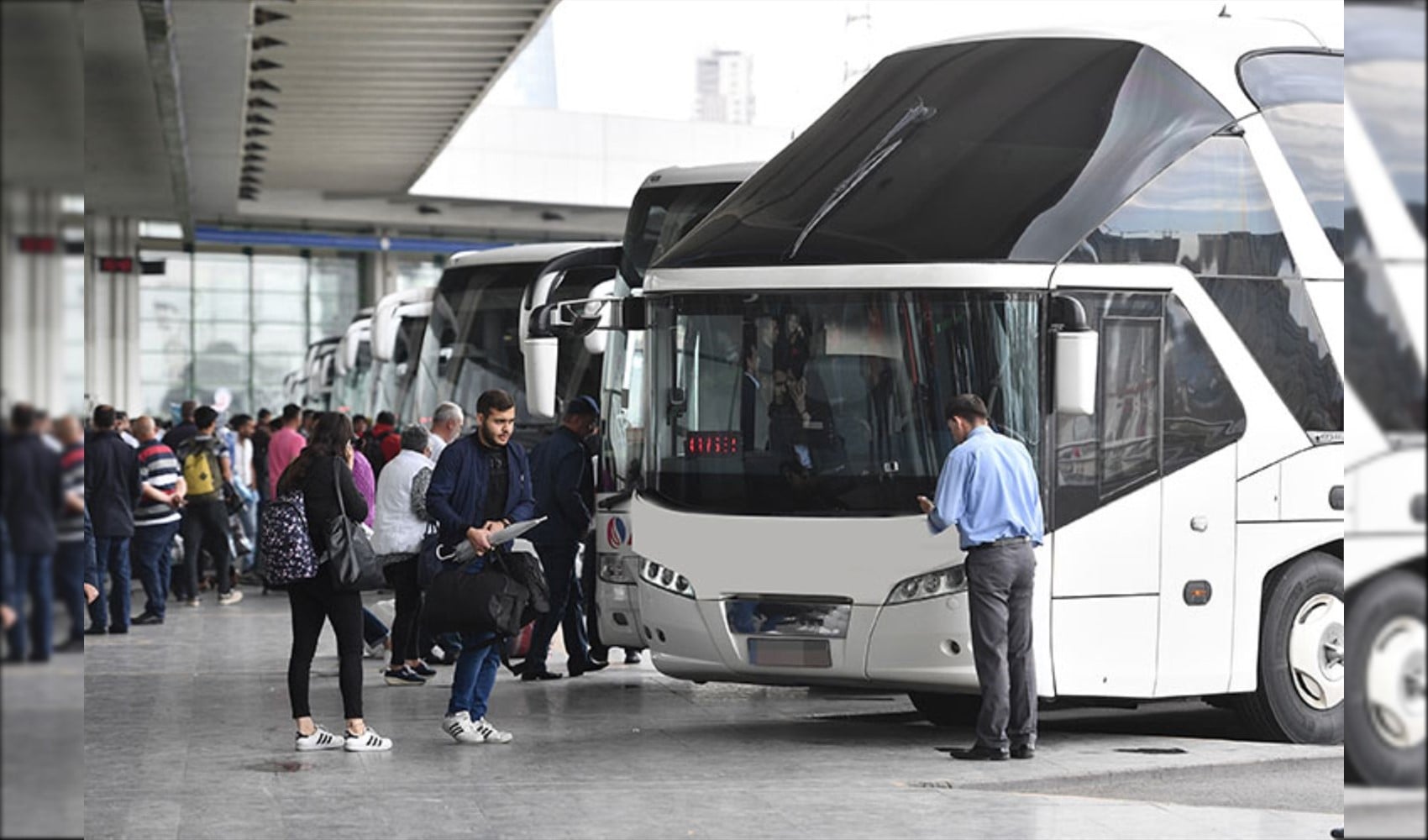
Intercity bus transportation in Turkey is going through a difficult period due to rising costs and pressure on passenger demand. 29-year-old VİB Turizm is the latest company to join the list of firms experiencing financial distress in the sector. The court has granted a three-month temporary concordat period for the company.
The decision regarding VİB Turizm marks the latest link in the wave of concordats experienced in the sector in 2026. Throughout the year, Kale Seyahat, Kale Express, Cesur Bingöl, and Çağdaş Travel had also made headlines with their concordat processes. Thus, the number of known brands that have entered the concordat process in intercity bus transportation has reached at least five.
For Nilüfer Turizm, one of the long-established firms, the situation is progressing under a different heading. The company, which has not declared a concordat, is under the management of the Savings Deposit Insurance Fund (TMSF). The fact that 95 vehicles belonging to the company are set to be put up for sale in August 2026 is considered another indicator of the financial pressure in the sector.
Intercity bus companies have faced similar crisis periods before. Pamukkale Turizm and Ulusoy Ulaşım were among the major brands that requested a concordat in 2018. Pamukkale Turizm, which at that time carried 15 million passengers annually with a fleet of approximately 600 buses, later restructured its debts and continued its operations.
SECTOR'S COST PRESSURE IS INCREASING
According to sector representatives, the crisis is driven not only by the debt burden of the companies but also by the structural costs of the transportation model. Increases in fuel expenses, mandatory route applications, administrative sanctions, and the proliferation of alternative transportation channels such as airlines and railways are challenging the profitability of the firms.
Turkey Bus Operators Federation (TOFED) President Attorney Birol Özcan had previously stated in an assessment that trip occupancy rates have declined due to rising fuel costs and falling purchasing power. Özcan expressed that road passenger transport needs public support similar to the support provided to railways and airlines.
The sector's prominent demands include the abolition of free urban passenger shuttle services, the establishment of a new model where passengers access bus terminals via public transport, and the re-evaluation of route requirements that are stated to increase costs for Istanbul transits. Representatives argue that opening the FSM Bridge to bus traffic during night hours, instead of the mandatory use of the Northern Marmara Motorway, could reduce road and fuel expenses.
Other topics brought to the agenda by TOFED include a floor price regulation to prevent loss-making competition in ticket prices, allowing for instant insurance registration for drivers, and increasing the maximum daily tachograph driving limit to 11 hours, taking into account inspection periods. A new bus terminal project integrated with Sabiha Gökçen Airport for the Anatolian side of Istanbul is also among the sector's demands.
News Source: 12punto