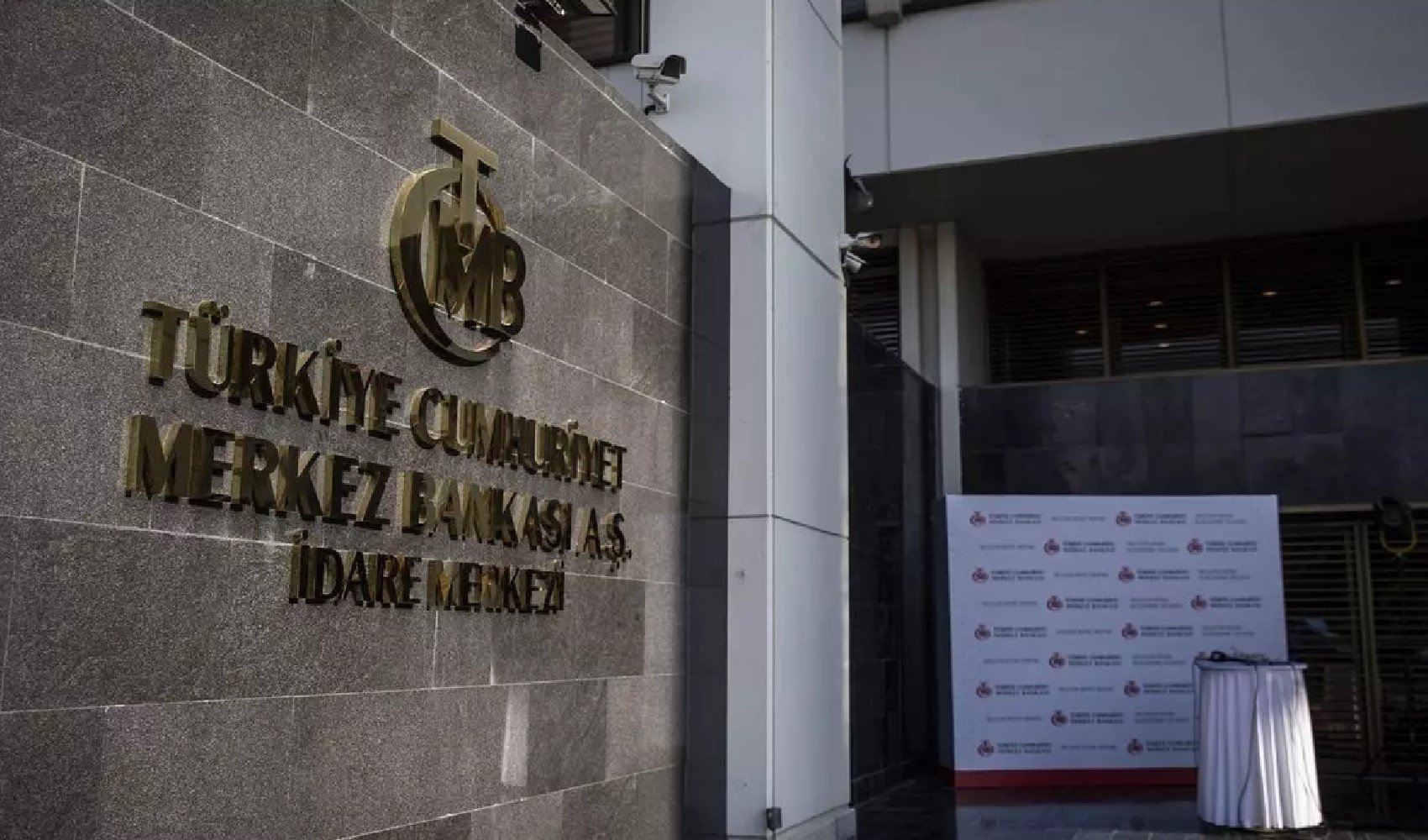
An analysis titled "Differentiation of Maximum Contractual Interest Rates on Individual Credit Cards Based on Balance", published on the Central Bank of the Republic of Turkey's (CBRT) blog page Merkezin Güncesi, revealed that the CBRT aims to reduce indebtedness and ensure balance in domestic demand by changing credit card interest rates according to balances. The debt restructuring program announced by the Banking Regulation and Supervision Agency (BDDK) for credit cards with delayed minimum payments aims to help individuals with existing debts be affected as little as possible by these tightening policies.
The analysis emphasized that in addition to the CBRT's efforts to reduce credit card debt, macroprudential measures taken through inter-institutional coordination contribute to the disinflation process. In the analysis written by experts from the CBRT's General Directorate of Banking and Financial Institutions, it was stated that individual credit card balances grew faster than other types of loans, and the annual growth rate rose to 180 percent last year.
DISTRIBUTION IN CREDIT CARD USAGE
In the analysis, the distribution of individual credit card balances was examined. It was noted that approximately half of active credit card users (14 million people) carry a balance of under 25 thousand liras, while users with a debt balance of over 150 thousand liras account for only 9 percent of the total. It was stated that this high-balance group holds a share exceeding 50 percent of the total individual credit card amount.
LENDING BEHAVIORS
The analysis also pointed out that high-balance groups, which are the drivers of individual credit card balances, are more active in lending behavior, while this behavior remains limited in low-balance groups. It was assessed that the CBRT's move to differentiate maximum contractual interest rates based on balance would reduce the lending motivation of the high-balance group.
INCOME PROFILES AND EFFECTS
The analysis emphasized that there is a significant relationship between individual credit card balances and individuals' income profiles. When the administrative records of salaried employees were examined, it was observed that credit card balances increased as income increased. It was stated that this situation would have a tightening effect on the growth of credit card balances of high-income individuals.
The CBRT's new regulations stand out as important steps taken with the goal of reducing credit card debt and balancing domestic demand. While the BDDK's debt restructuring program provides additional support for existing debtors, the contribution of macroprudential measures taken through inter-institutional cooperation to the disinflation process is also noteworthy. These developments are of critical importance for economic stability.
News Source: AA