

The Economist warns of a fund crisis: Danger bells ringing for the Turkish economy
The Economist wrote that the investment fund crisis has led to a sharp loss on Borsa İstanbul and has put Turkey's status with MSCI at risk.



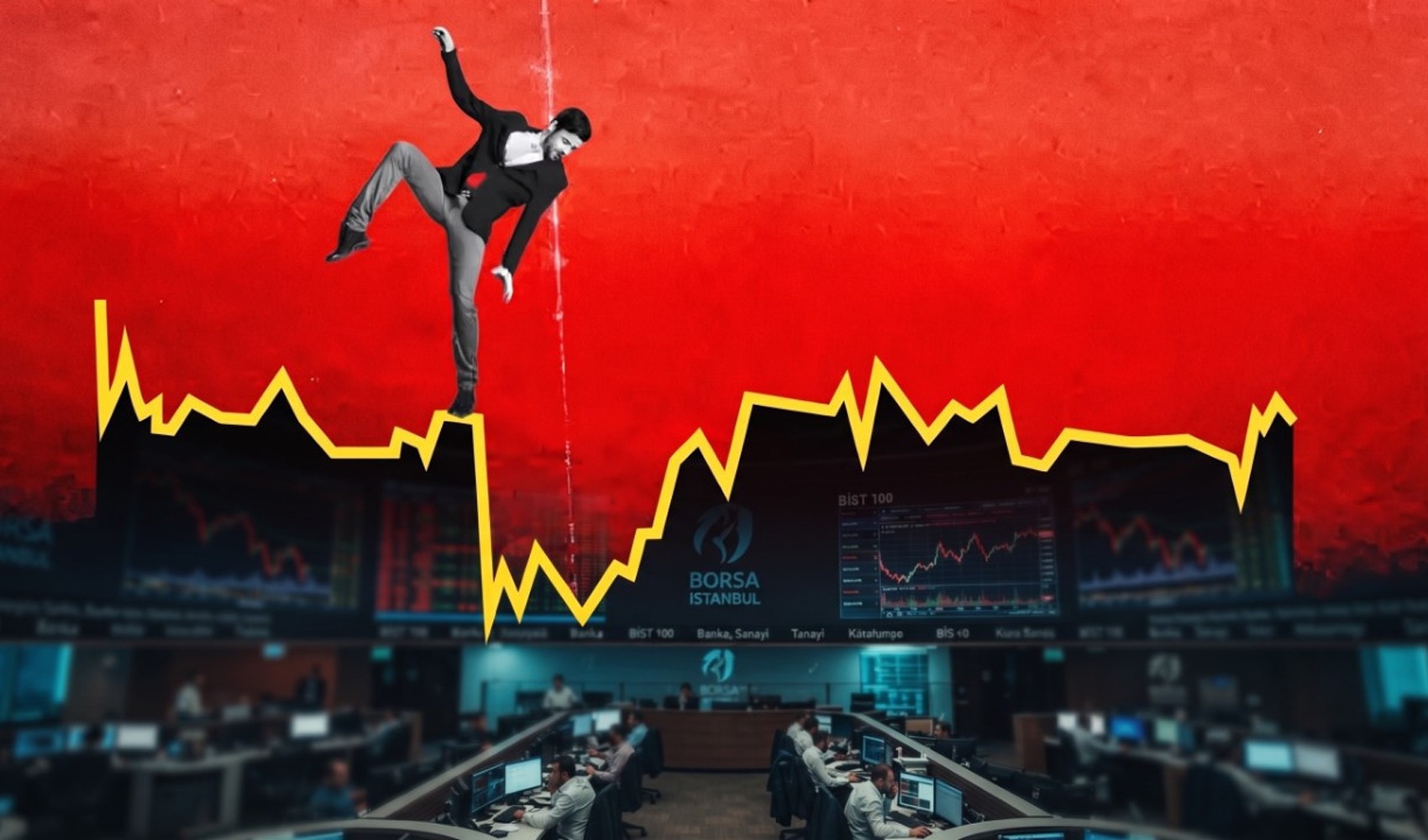
In an analysis examining the investment fund crisis in Turkish capital markets, The Economist wrote that the process is not limited to just a few funds and stocks, but has also brought discussions regarding the country's position in global markets back to the agenda.
The magazine's analysis, titled "Turkey's investment fund fiasco," drew attention to the collapse of a mechanism built around certain stocks and portfolio management companies. The article recalled that Tera Portföy's main fund gained over 60,000 percent in value over three years, and that Destek Finans Faktoring shares rose 7,000 percent in the 17 months following their IPO, becoming the second-largest company on Borsa İstanbul.
The Economist stated that these price movements looked "too good to be true," and reported that after the bubble burst, some portfolio management companies were unable to pay investors who wanted to cash out their investments, and that details later emerged regarding structures that some companies were allegedly running, which one official described as "Ponzi-like."
SHARP LOSS ON Borsa İstanbul
The analysis emphasized that the impact of the crisis on Borsa İstanbul was swift and severe. Accordingly, the Borsa İstanbul main index fell by over 5 percent on September 16; approximately 30 billion dollars in market value was wiped out in the first two days of the turmoil.
The magazine noted that after the Capital Markets Board (SPK) introduced new rules at the end of August limiting concentration in individual stocks, fund managers turned to rapid selling to comply with the regulations, which further increased pressure on the markets.
According to The Economist, the SPK decided to liquidate 131 investment funds with a total asset size estimated at approximately 18 billion dollars. It was stated that at least 450,000 individual investors are facing the risk of having to wait a long time to recover their assets and losing a portion of their savings.
One of the most striking points in the analysis was Turkey's place in the MSCI classification. The magazine recalled that MSCI signaled in June that if sufficient steps were not taken against market disruptions, Turkey could be downgraded from "emerging market" status to the "frontier market" category.
The Economist argued that in such a scenario, Turkey could be evaluated in the same category as smaller-scale economies like Romania and Tunisia. The analysis emphasized that this risk is significant in terms of institutional confidence in capital markets.
A more cautious picture was painted regarding whether the crisis is spreading to macroeconomic balances. The analysis, which included the statement "There is no systemic risk" made by Treasury and Finance Minister Mehmet Şimşek on September 18, noted that foreign institutional investors generally share this assessment.
Aberdeen portfolio manager Viktor Szabo said in his assessment to the magazine, "This is not spreading to the broader economy." The analysis also stated that investors directing funds exiting the stock market into high-interest Turkish lira deposit accounts instead of foreign currency has limited the pressure on the exchange rate, but that the loss of confidence in financial markets has become evident.
News Source: 12punto
Most Read

‘Fund crisis’ article stirs up AKP circles

The Makkah Joint Defense Agreement is a collective commitment to regional peace

The largest price hike in history is coming for gasoline!

Fenerbahçe star Greenwood's new address has been revealed

Katılımevim and Birevim are being sold!

10 defendants acquitted, 4 sentenced to 3,600 years each
Iran sends message to US and Israel regarding weapons capacity

The 'Salah effect' in Trabzon has reached real estate listings
Danger bells are ringing for the Turkish economy

Proposal from the Innovation Party to the New Party