In a report compiled by SolHaber titled “The fund scandal in 13 questions,” the fund crisis that has dominated the public agenda in recent weeks was examined through liquidated funds, individuals under investigation, refund accounts, payments to victims, and undisclosed lists.
According to the report, the crisis grew as certain portfolio management companies rapidly inflated fund values through low-volume stocks, attracting new investors, and subsequently seeing an increase in exits. It was reported that as fresh capital inflows ceased in September, payments could not be made to investors wishing to exit the funds, and 130 funds belonging to Tera, Pusula, Hedef, Atlas, A1, Pardus, and Bulls were liquidated.
WHAT IS AT THE CENTER OF THE CRISIS?
The report described the fund system as a collective structure where the money of numerous investors is managed by a portfolio management company. Accordingly, companies buy and sell stocks on the stock market with the investors' savings; the value of the fund changes based on the results of these transactions.
According to SolHaber, the focus of the debate is on purchases concentrated in small companies with few traded shares. While the price increase in these stocks boosted fund returns, the high returns led new investors to enter the system. However, the report assessed that this model functioned as a bubble requiring constant new capital inflows.
The report stated that approximately 900 billion liras and 455 thousand people were caught in the liquidated funds. It was emphasized that the real debate concerns individuals and companies that allegedly received insider information and exited the funds before the bubble burst.
HOW MANY PEOPLE HAVE BEEN ARRESTED IN THE INVESTIGATION?
According to information provided by SolHaber as of October 31, the number of detainees in the file has reached 120. It was stated that the number of people taken into custody was higher, but a significant portion had been released.
It was noted that those arrested include individuals at various levels of the fund companies, such as portfolio managers, marketing directors, and board members. The report highlighted the question of how far the investigation will reach the individuals who actually profited.
NAMED INDIVIDUALS AND REFUNDS
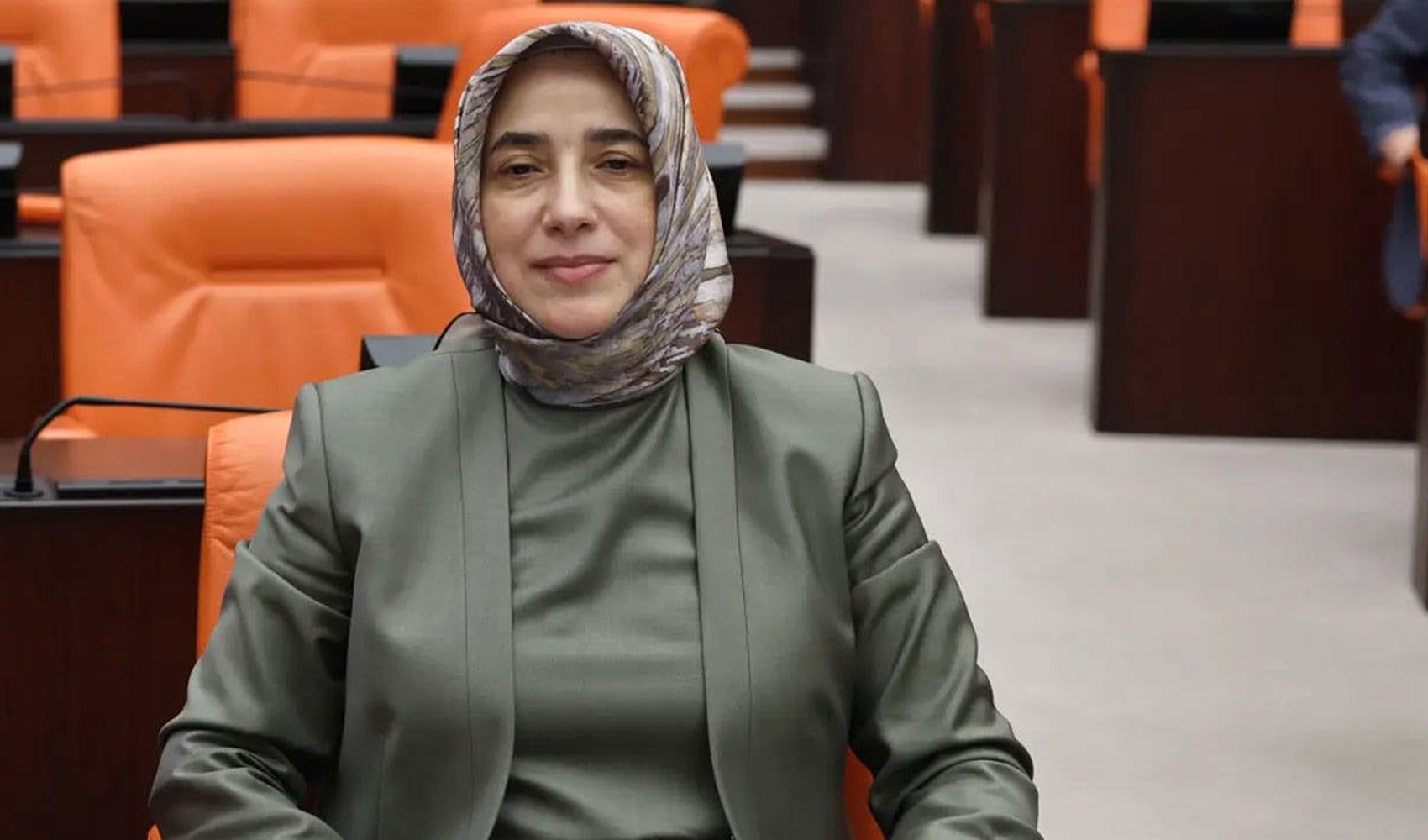
One of the most discussed names in the report was former Minister of Family and AKP Deputy Chairperson Fatma Betül Sayan Kaya. According to the report, Kaya and her husband İlyas Kaya invested approximately 163 million liras in a stock described as suspicious; four months later, they withdrew 2 billion 170 million liras. It was reported that Kaya was not detained but went to the courthouse to provide a statement.
It was stated that Astor Enerji partners Feridun and Enver Geçgel deposited 5 billion liras into a TMSF account on October 23, and that the injunctions on their assets were lifted on the same day. Lydia Holding Chairman of the Board Enver Çevik reportedly returned 500 million liras and was released after being detained, with a travel ban imposed.
It was stated that Selay Turhan İnce, who allegedly had an account in Pusula’s closed fund system, was released under judicial control after being detained; and that injunction decisions regarding Pasifik Holding were brought back to the agenda and then lifted. The report alleged that claims regarding the Muğla Governor also having money in the fund were not denied.
According to SolHaber’s compilation, there are at least three separate groups that have not been disclosed to the public. The first is a list of 214 people, consisting of 141 individuals and 73 companies, who allegedly earned over 100 million liras from Tera, Pusula, and Hedef funds. The report stated that the total earnings of this group amounted to 187 billion liras.
The second group is a list of 85 people for whom an injunction was reportedly issued on October 11. It was noted that after this list leaked to social media, proceedings were initiated for allegedly violating the confidentiality of the investigation.
The third group consists of the 12 people who established Tera’s fund number 1. According to the report, the fund was established on October 1, 2021, and remained closed to outsiders until July 7, 2025. During this period, the fund price allegedly rose from 1.33 liras to 623 liras; it was claimed that an investor who put in 1 million liras on the first day received 518 million liras upon exit. It was stated that the identities of these 12 people have still not been disclosed.
SUSPICIOUS EXITS AND THE INVESTIGATION DATE
The report stated that according to account movements examined by the prosecutor's office, 440 individuals and companies withdrew a total of 401 billion 266 million liras from Tera and Pusula funds between September 1 and 16. These exits were evaluated as “informed exits,” which is stated to be a crime under the law.
In contrast, the decision to set the threshold for the investigation at 100 million liras was criticized. The report also emphasized that starting the investigation from 2024 might exclude the part of the fund structure dating back to 2021.
SolHaber wrote that Tera’s fund number 1 was established in 2021, that the BDDK authorized the establishment of Tera Investment Bank in the same year, and that approximately 350 million dollars in money traffic was detected between GKFX and Tera. The report stated that questions regarding the source of this money traffic remained unanswered.
PROMINENT NAMES IN THE FILE
In SolHaber’s report, Emre Tezmen, the controlling shareholder and chairman of the board of Tera Investment, was shown as one of the critical figures in the crisis. It was stated that Tezmen was arrested after the bubble burst and that he also served on the board of the Central Registry Agency, where stock market records are kept.
For Erdin Özel, Chairman of the Board of Tera Portfolio, it was alleged that he lacked financial training and an SPK license. It was claimed that Pusula Portfolio boss Muhammet Yarız had previously received penalties and trading bans due to suspicious stock market transactions, yet was still able to conduct high-volume transactions.
The report also listed Hedef Holding boss Namık Kemal Gökalp, former AKP deputy and former advisor to President Erdoğan Ertan Aydın, Türkiye Sigorta General Manager Taha Çakmak, Borsa İstanbul General Manager Korkmaz Enes Ergun, and former SPK Department Head Erman Çete among the names mentioned in the file.
HOW MUCH OF THE MONEY HAS BEEN REFUNDED?
According to SolHaber, while the official profit figure of the fund crisis is stated as 187 billion liras, a total of 17.5 billion liras has been deposited into the refund account by 33 individuals and organizations to date. It was noted that this amount corresponds to approximately 9 percent of the stated profit.
Among those who made refunds, A1 Capital stood out with 2 billion liras, and Pardus was also mentioned as one of the payers. It was reported that Fatma Betül Sayan Kaya and her husband İlyas Kaya deposited 1 billion 860 million liras; and that the “interest” justification was brought up for the remainder of the 2.17 billion lira withdrawal.
It was stated that payments regarding the funds began on October 30, and that an interim payment of 1 million liras would be made in the first stage; however, according to social media posts by victims, at most 250 thousand liras have been paid so far. It remains uncertain whether the remaining amounts will be completed within the two-week period.
IS THE SOURCE SUFFICIENT FOR VICTIM PAYMENTS?
The report stated that the total of 17.5 billion liras in the refund account and approximately 4 billion liras in seized assets corresponds to only 17 percent of the 125 billion liras stated to be needed.
It was stated that the paper assets of the funds are 826 billion liras, but since most of this consists of stocks, its capacity to be converted into cash is uncertain. It was reported that Vice President Cevdet Yılmaz stated there is no state guarantee in the fund market and that public resources will not be used for payments.
WHAT DISTINGUISHES THE CRISIS FROM OTHER FRAUD FILES?
In SolHaber’s assessment, it was emphasized that this file, unlike previous Ponzi schemes or similar fraud cases, proceeded on a legal basis. It was stated that the funds were established with SPK permission, transactions took place on Borsa İstanbul, and some investors were directed to these funds through banks.
The report cited the arrest of a former SPK department head and the detention of the Borsa İstanbul General Manager as raising questions about the relationship between regulatory institutions and the fund market. The 401 billion lira amount that exited two funds within 16 days was cited as an indicator of the scale of the file.
POLITICS AND THE OPPOSITION DIMENSION
The report also mentioned the names of many individuals and companies stated to be linked to the AKP. Fatma Betül Sayan Kaya’s position in the party management, the arrest of former Central Bank deputy governors, the fact that companies partnered by Nihat Zeybekci invested in the funds, and injunction decisions regarding Hayati Yazıcı’s son Mustafa Yazıcı were among the headlines highlighted in the report.
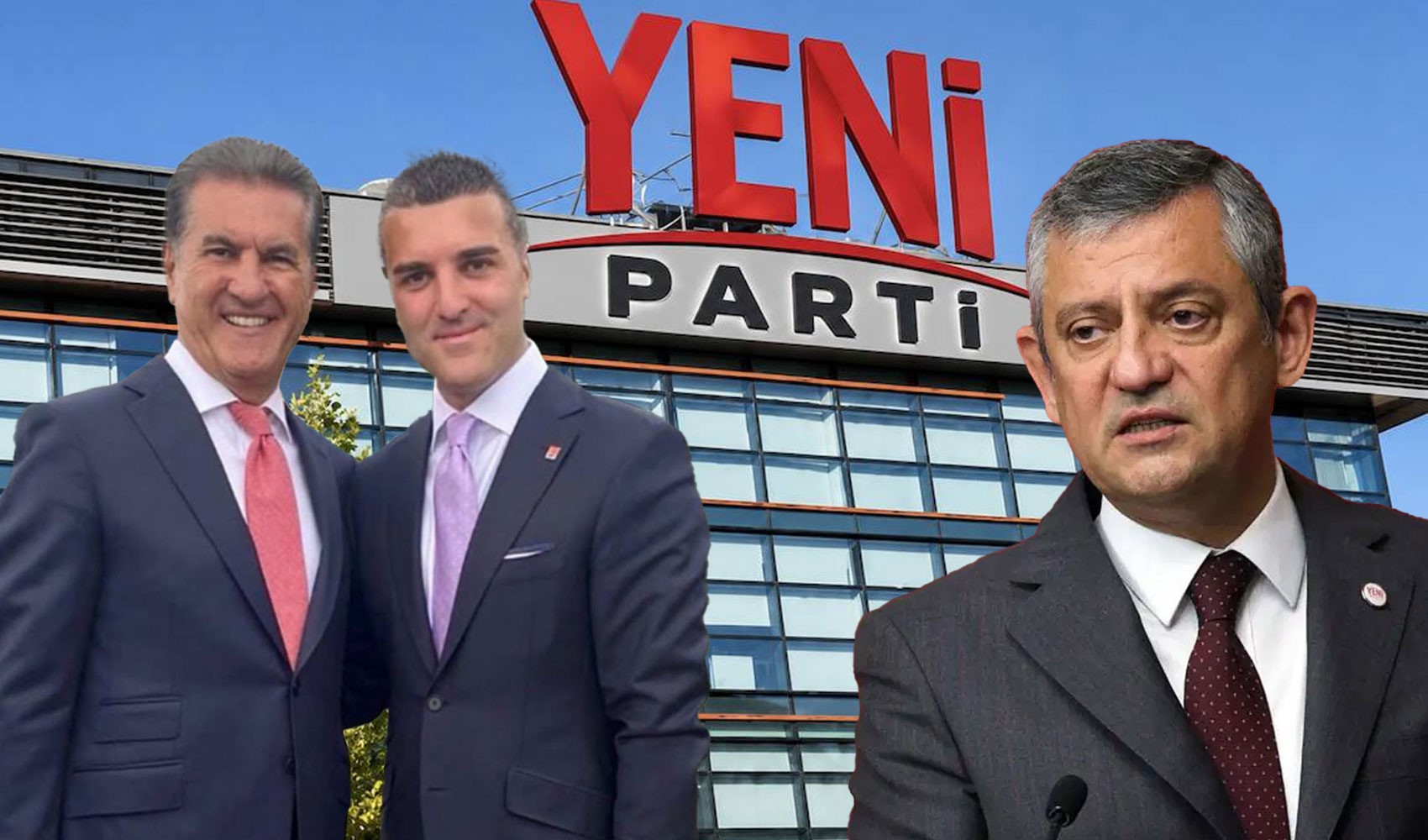
On the opposition front, it was stated that the lists promised to be announced were not disclosed to the public. The report included statements from New Party Spokesperson Zeynel Emre and New Party İzmir Deputy Ümit Özlale, as well as the call made by CHP Chairman Özgür Özel from the parliamentary podium. However, it was emphasized that concrete names were not shared.
THE BILL REFLECTED ON BROAD SEGMENTS
SolHaber wrote that the fund crisis did not only affect investors who had money directly in these funds, but that a broader bill emerged through public institutions and large masses of savers. It was reported that the public bank Emlak Katılım stepped in for Katılımevim and Birevim, that Türkiye Sigorta had money in the funds, and that the Diyanet also invested the donations it collected into the funds and exited with a loss.
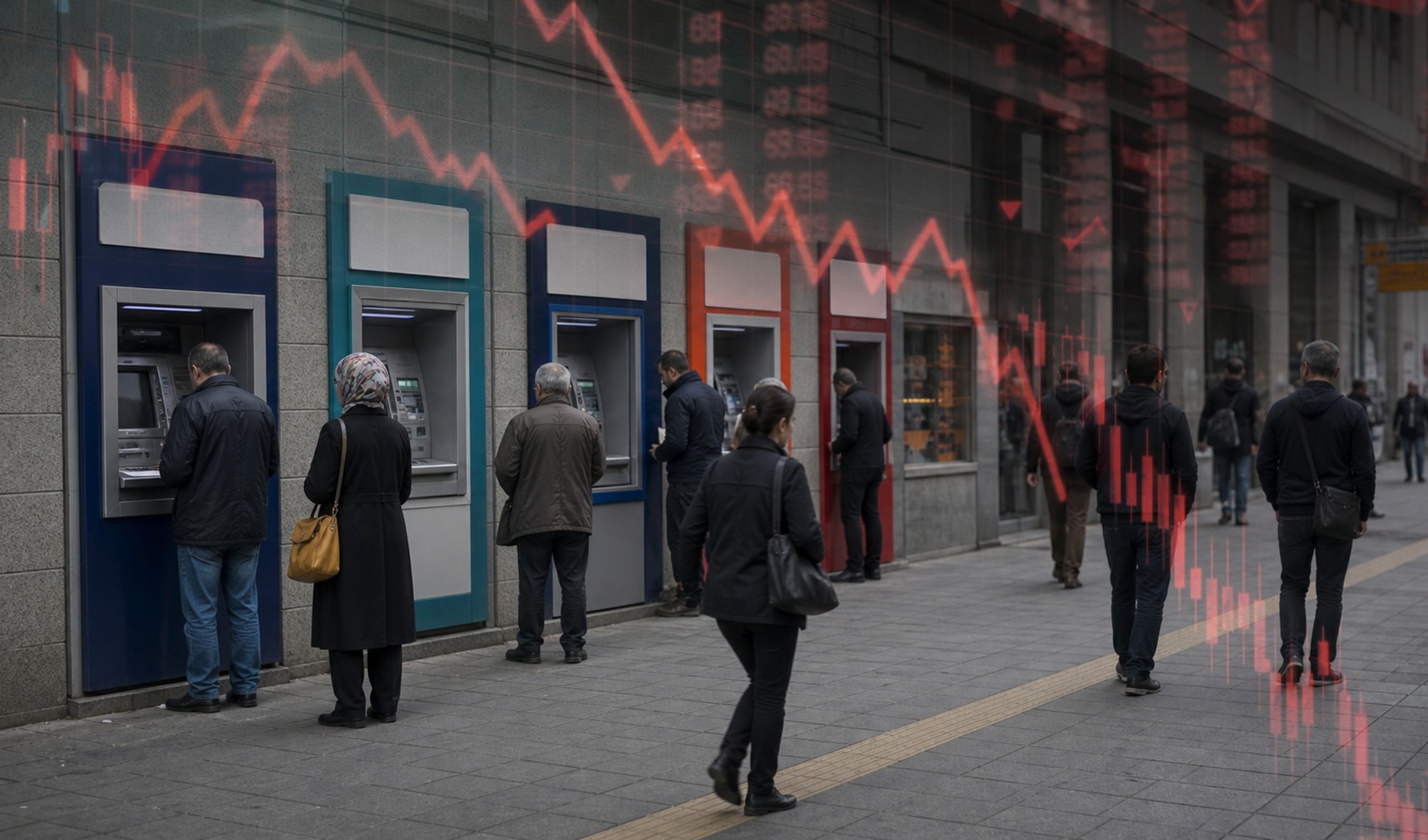
It was stated that the total value wiped out from the stock market and funds after the crisis exceeded 3.3 trillion liras, that 50 thousand 234 people completely zeroed out their stock accounts within a month, and that the number of those who zeroed out their accounts on the fund side exceeded 64 thousand. The report stated that a significant portion of these people were citizens whose salaries were eroded by inflation and who were trying to protect their savings.
THE AUDIT DEBATE
The report recalled that Treasury and Finance Minister Mehmet Şimşek said on November 4, 2025, that “there is manipulation in the funds,” and that MSCI had warned about coordinated transactions in June. Despite this, it was argued that concrete steps were delayed.
Prof. Dr. Serdal Bahçe from Ankara University Faculty of Political Sciences, whose opinion was sought by SolHaber, drew attention to the historical functioning of the stock market and made the following assessment:
Historically, there cannot be a ‘clean’ stock market. In theory, the values of financial assets and stocks in the stock market should be determined according to the performance of the firm they belong to. However, the history of stock markets shows that this is not true. The system works like a real casino. It is impossible to regulate or ‘clean’ casinos. The order of plunder is working more openly and visibly. Ultimately, ‘regulation’ does not make them more tame or better behaved.
TKP General Secretary Kemal Okuyan, in his assessment included in the report, described the stock market itself as a “robbery” and said the fund crisis cannot be seen as limited only to small investors:
There is a system and mechanism where robbery is the norm. And within this mechanism, we are facing an additional robbery. Large sums of money were turned over. This money came out of someone, and the real target of the robbery is the entire country. The amounts are not limited to just ‘small investors.’ We are facing a system that transfers resources from society.
SolHaber’s report reveals that the fund crisis should be addressed not only as an audit weakness, but as a much broader accountability debate regarding financial markets, political connections, public institutions, and the protection of small investors.
Source: SolHaber
News Source: 12punto