

They will say there is no electricity price hike, but bills will rise: The limit is being lowered
Lowering the annual consumption limit for the last resort supply tariff could mean that more households will transition to a higher tariff based on stock market prices.



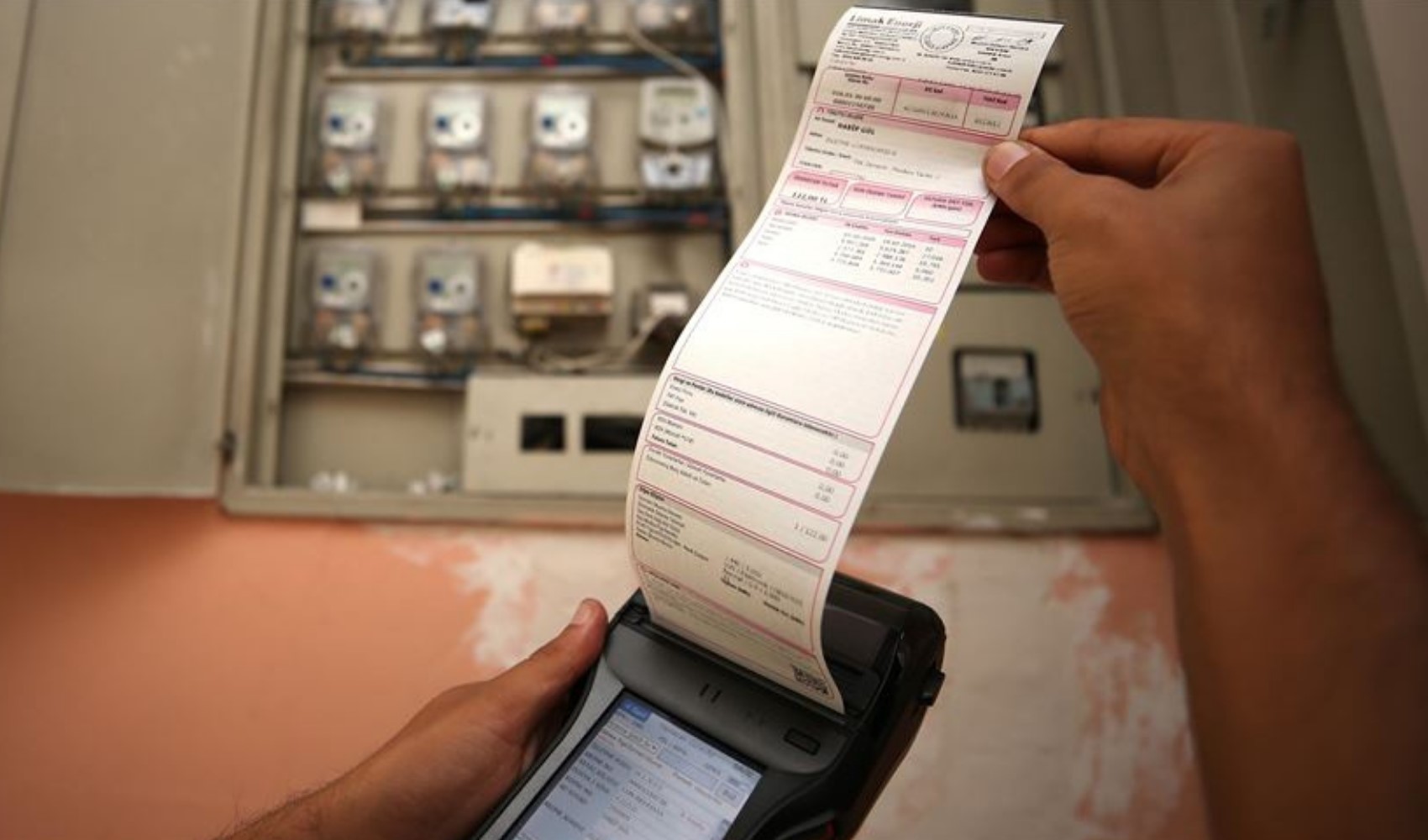
The reduction of the annual consumption limit in the last resort supply tariff, which applies to high-consumption electricity subscribers, has become a subject of debate once again. It is stated that if the limit, currently reported to be at 4,000 kilowatt-hours, is reduced to 3,000 kilowatt-hours, more households could face higher-cost tariffs based on stock market prices instead of the national tariff.
According to a report by Ebru Çelik from BirGün, Mahir Ulutaş, Chairman of the Chamber of Electrical Engineers (EMO), pointed out that tiered tariff applications for electricity and natural gas are becoming more widespread, stating that lowering consumption limits results in a direct impact on bills. According to Ulutaş, even if the official tariff is not increased, lowering the limit means that more subscribers will be included in the high-price group.
Ulutaş stated that the average monthly electricity consumption of a four-person household is approximately 230 kilowatt-hours, which corresponds to about 2,760 kilowatt-hours annually. It was emphasized that even without accounting for additional consumption items such as electricity used for heating, this level is quite close to the potential 3,000 kilowatt-hour limit.
"THEY ARE RAISING PRICES WITHOUT A PRICE HIKE"
EMO Chairman Ulutaş commented, "They are raising prices without a price hike. They have been lowering the limit in this order for a few years. By saying they are not raising the national tariff, they are actually gradually lowering the high-consumption limit. Thus, they are increasing the number of households that will receive a high-consumption bill."
Ulutaş also reminded that the high-consumption limit was much higher in previous years. Stating that the limit, which was at the 1 million kilowatt-hour level five years ago, was first reduced to 5,000 and then to 4,000 kilowatt-hours, Ulutaş expressed that if this trend continues, a larger portion of households might be forced to use electricity at free-market prices.
THE BURDEN ON BILLS IS INCREASING
While debates over rising energy prices continue, data regarding the difficulties low-income households face in paying their current bills are also drawing attention. According to data from the Ministry of Family and Social Services, 1.8 million households needed social assistance to pay their electricity bills in the first half of 2026.
Data from the Istanbul Planning Agency (IPA) for September 2025 revealed that one in every 5 people cannot pay their bills. In the “Well-being in Old Age in Istanbul” research conducted by the IPA, 25.9 percent of the 752 people over the age of 65 interviewed stated that they had difficulty paying their bills.
On the other hand, it was noted that 6.5 billion liras were transferred from the budget to 21 electricity distribution companies for street lighting in the first 8 months of the year. It was stated that after the 25 percent electricity tariff increase implemented by the EMRA (EPDK) in January, the minimum electricity bill for a four-person family rose to 744.7 liras.
According to the calculations in the report, while the total increase in electricity bills over the last 5 years reached 306 percent, the increase in the distribution fee was 880 percent. As of April 2026, it was stated that approximately 15 percent of the bill consisted of the energy cost, while nearly 75 percent consisted of the distribution fee.
Stating that electricity is a basic infrastructure service, Ulutaş argued that public oversight in the energy sector should be strengthened. According to Ulutaş, the public authority becoming the determining factor again in production, transmission, and distribution processes should be the fundamental policy for lowering prices.
News Source: 12punto
Most Read

When there is the terrorist leader to talk about, who is Mansur Yavaş anyway!..

Melis Sezen revealed her monthly income in her statement
Justice Minister Akın Gürlek announced

Time to leave Istanbul
beIN Sports responds to reactions regarding Okan Buruk on live broadcast

Tensions flare in Madrid derby

Is the foreign agent law in effect?

Microphones are open for prayer, closed to justice

Amedspor's victory celebration turns into a fire
Number of MP transfers from the New Party to the CHP is rising