


What kind of conscience allows for putting a martyr's mother on trial!


The children of this country lost their lives in the fight against terrorism; their mothers embraced the coffins of those children, wept, lamented, and mourned; their tears flowed like a river. The state promised, "We will look after you, do not worry at all." For years, speeches on national unity and solidarity were delivered over the memory of the martyrs.
Then the day came when the Minister of National Defense of this country took one of those mothers to court because she objected to the pardoning of members of the organization responsible for her child's death.
Neither more nor less, this is exactly what happened.
Pakize Akbaba, President of the Association of Martyrs' Mothers, will be tried upon the complaint of Minister of National Defense Yaşar Güler because she said "no" to the political process that allows for the pardoning of members of the terrorist organization that shed her child's blood.
Her first hearing is on January 12, 2027, at the Istanbul Anatolian 80th Criminal Court of First Instance...
Let us refresh our memories.
At the funeral ceremony held in Ankara for our soldiers who were martyred in a military cargo plane crash in Azerbaijan last year, Pakize Akbaba had addressed Minister of National Defense Yaşar Güler and expressed her reaction to the reconciliation process.
She had voiced her objection to opening the doors of the Parliament to terrorists by saying, "We do not want terrorism in the Grand National Assembly of Turkey."
In those images reflected on cameras moment by moment, Yaşar Güler had lashed out at the grieving mother, shaking his finger at her and saying, "Know your place, you are just a martyr's mother, that is all."
This move to "put her in her place," coming from the top of the state, soon turned into a criminal investigation.
Let us put on our reading glasses.
Without beating around the bush, it must be said that this case, above all else, has shown that the government is in a state of extremely deep moral fracture.
Where are we to place this mentality, which has harvested votes for years with demagoguery on podiums and built its social legitimacy on these sensitivities, when it tries to silence a martyr's mother when it comes to its own conjunctural agenda?
This does not fit into any conscience, and it should not!
Here, a mother who has given her most precious asset to the black soil for the survival of the state and the nation is being sacrificed to the pragmatic and variable political calculations of the government.
It is that clear and simple!
Let us write it again, underlining it with a thick pen.
It is a serious moral issue for those who manage the state apparatus to treat a martyr's mother's national and conscientious concern as an element of crime and carry it into a courtroom.
The rest is just empty talk.
Of course, in a state of law, no one has unlimited immunity. Nor can they. However, the government's desire to punish a mother who has paid the highest price in the fight against terrorism for her criticism of the political process will sooner or later be condemned in the conscience of my country's people. Let no one have any doubt about this.
We do not know how aware the government, which sees even the most justified grievances as a threat to itself, is that it has hollowed out the promise of "holding martyrs' families in high esteem," but one does not need a crystal ball to predict that the politics they conduct by taking these people on will not lead anywhere.
Unfortunately, for years in Turkey, the rhetoric of "let the guns fall silent, let mothers not weep" has been used as a curtain for political maneuvers. Of course, terrorism must end, but not through political bargaining with terror-lovers who have sworn to divide and tear this country apart, just to extend someone's political life as is the case now.
The pains of the past, the blood shed, and the sensitivities of martyrs' families cannot be seen as "strategic glitches" or bureaucratic obstacles to be cleared in front of scenarios prepared behind closed doors in Ankara.
No lasting social consensus can be built without taking into account what these people feel, what they think, and what guarantees they want, and even, on the contrary, by silencing their voices with these and similar lawsuits.
Will national sensitivities only be considered acceptable when they align with the government's political line?
Will martyrs' families only be held in high esteem when they support the government's policies?
State administration requires a responsibility far above daily political calculations.
Especially when it comes to the fight against terrorism...
A martyr's mother objecting to the patronage or pardoning of terrorists does not mean, by any means, that she is against peace.
That mother is questioning why her child's blood was shed, the fate of the military struggle waged, and to whom the suffering she has endured for years has been sold out at diplomatic tables.
And this is her most natural right.
This is exactly the fundamental question that politics and the military bureaucracy must answer morally and without evasion.
Minister Yaşar Güler, by virtue of the seat he occupies, is responsible not only for the administration of the army but also for protecting the moral values of this struggle.
It is understandable for a statesman to be uncomfortable with being criticized; however, failing to foresee the deep moral fracture that taking a grieving mother to court and shaking a finger at her will create in the public conscience is a great lack of foresight.
The power and prestige of the state are revealed not by putting a grieving mother who criticizes it in the defendant's chair, but by being able to listen to that mother's grievance with state dignity and hold her in high esteem.
No decision that comes out of the court will be enough to cover up the conscientious legitimacy of this case and the moral erosion the government has suffered.
A country cannot show its loyalty to the memory of its martyrs only by performing flowery speeches at protocol ceremonies. The true measure of this is how the cries of the remaining families are listened to. Let us put a period to our article by saying: Silencing a martyr's mother would also be burying the national conscience of this society into silence.
Would you like to get notifications about new developments and save news?
- NotificationsNew developments and breaking news
- SaveNews is stored in the app
Most Read

Champions League results for the night are in

First message from Democrats to Trump

Surprise suitor for İsmail Kartal from Iran
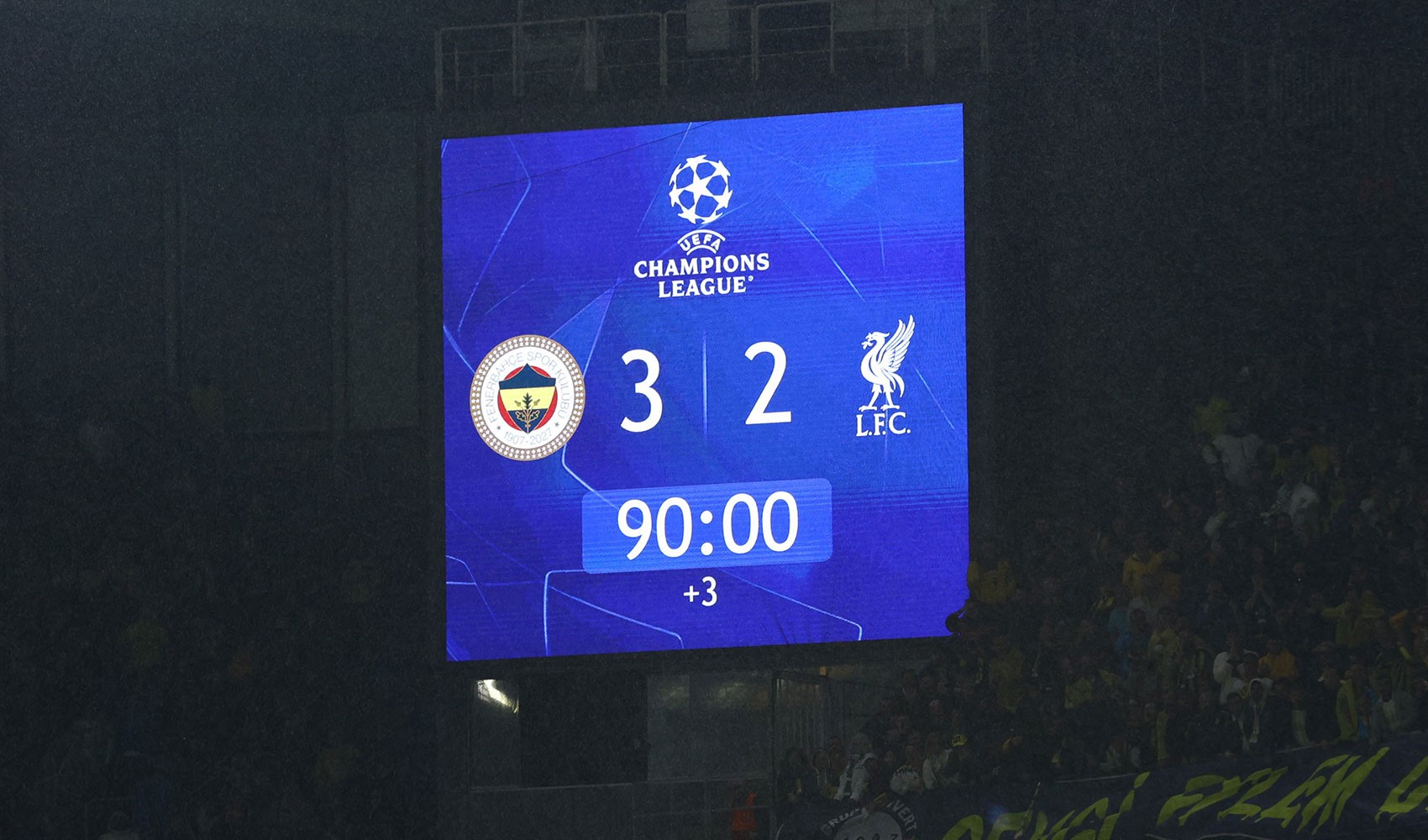
UEFA country coefficient ranking updated after Fenerbahçe's victory over Liverpool
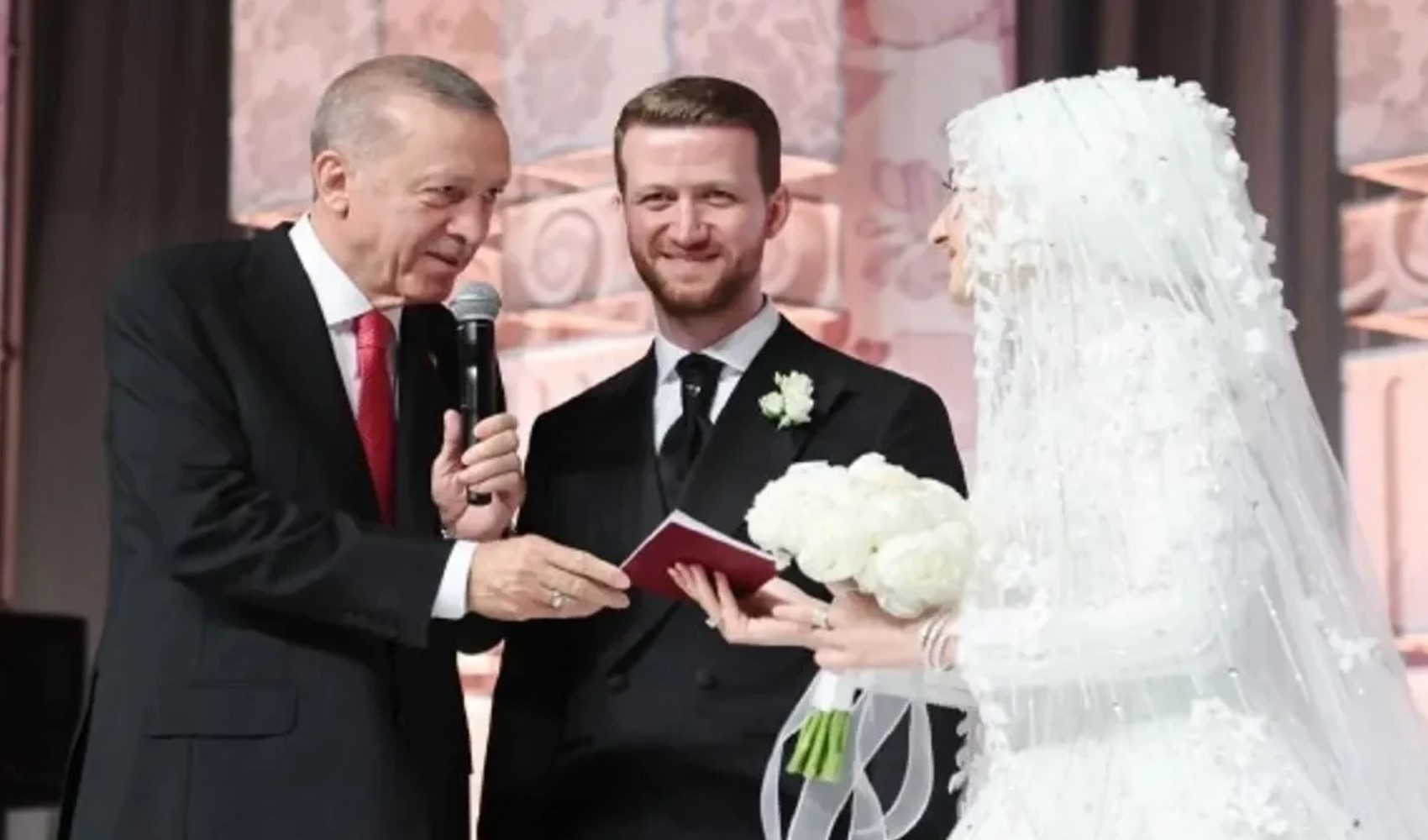
Payment infrastructure for DOA recycling machines transferred to Usame Erdoğan's company

What kind of conscience allows for putting a martyr's mother on trial!

The Young Turk Revolution, Turkish Nationalism, and the Turkic World

New era for charging stations
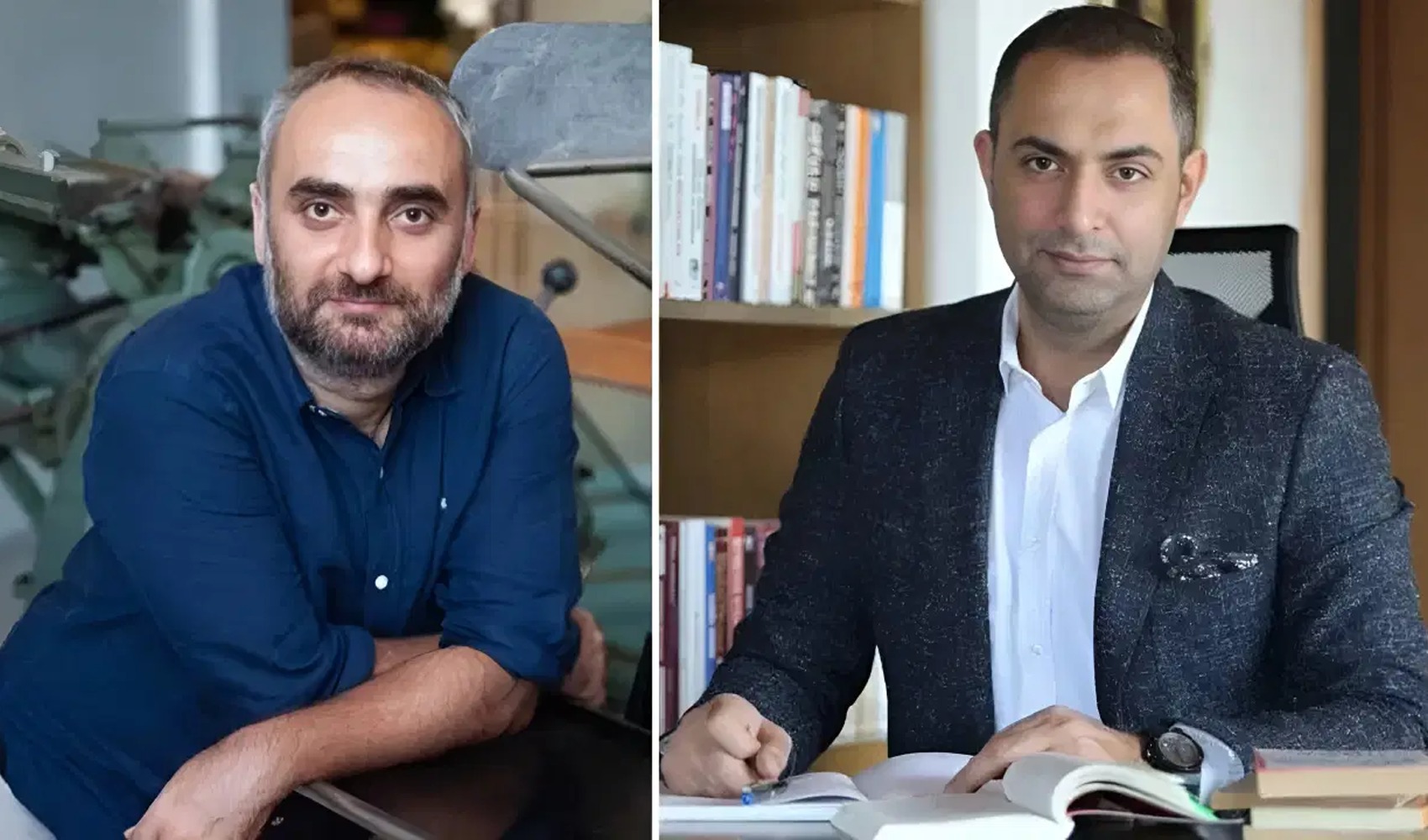
Indictment seeking prison time for Ağırel and Saymaz

Don't underestimate the Mullah