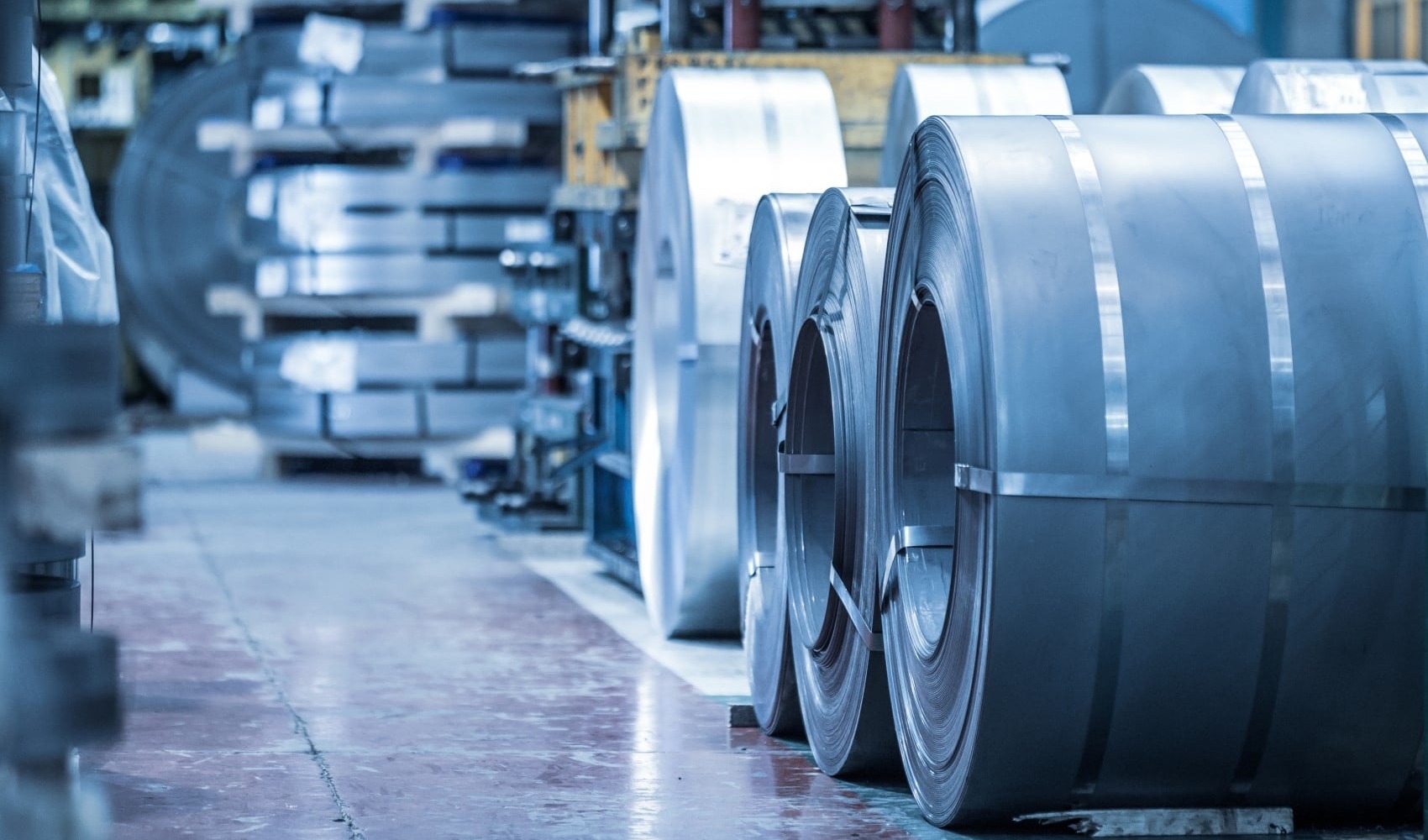
According to data from the Turkish Steel Producers Association (TCUD), Turkey's crude steel production increased by 6.1% in the first 9 months of the year compared to the same period last year, reaching 29.8 million tons.
In September, crude steel production was recorded at 3.2 million tons, an increase of 0.8% on an annual basis. Consumption of finished products decreased by 6.9% in the same month, falling to 2.9 million tons. Conversely, consumption of finished products increased by 2.2% in the January-September period, reaching 29.5 million tons.
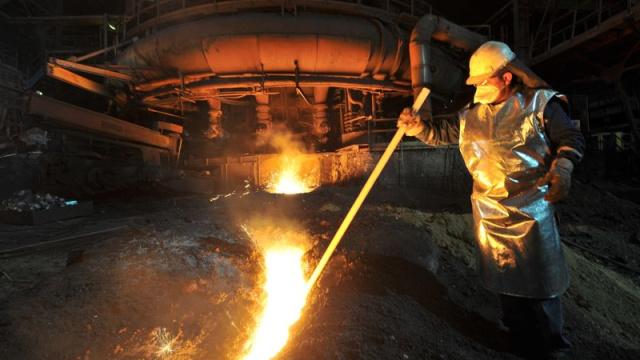
IMPORTS IN FOREIGN TRADE DECLINED
Steel product exports decreased by 6.4% in volume in September to 1.3 million tons. In terms of value, it increased by 0.8% to 902.6 million dollars. In the first 9 months of the year, export volume increased by 1.9% to 11.6 million tons, and export value increased by 2.6% to 7.9 billion dollars.
A decline was noted on the import side. In September, steel imports decreased by 22.3% in volume to 1.2 million tons and by 12.8% in value to 908.4 million dollars. In the January-September period, import volume decreased by 5.7% to 13.3 million tons, and its value fell by 5.3% to 9.4 billion dollars.
The ratio of exports to imports, which was 77.9% in the first 9 months of last year, rose to 84.4% in the same period this year.
TCUD Secretary General Veysel Yayan stated that steel product exports to the European Union decreased by 23% due to the impact of the Carbon Border Adjustment Mechanism (CBAM) and quota applications. According to the information provided by Yayan, exports to the EU market fell to 3.7 million tons, a loss of approximately 1.1 million tons.
Yayan expressed that although there has been an increase in exports to alternative markets such as the USA, the UK, and Latin America, it does not seem possible for these increases to compensate for the loss in the EU market in the short term.
In the coming period, developing the export composition in favor of higher value-added products, accelerating investments in low-carbon steel production, and limiting the price pressure of dumped and state-subsidized imports in the domestic market are important for the sector's sustainable competitiveness.
News Source: 12punto