 1 / 5
1 / 5
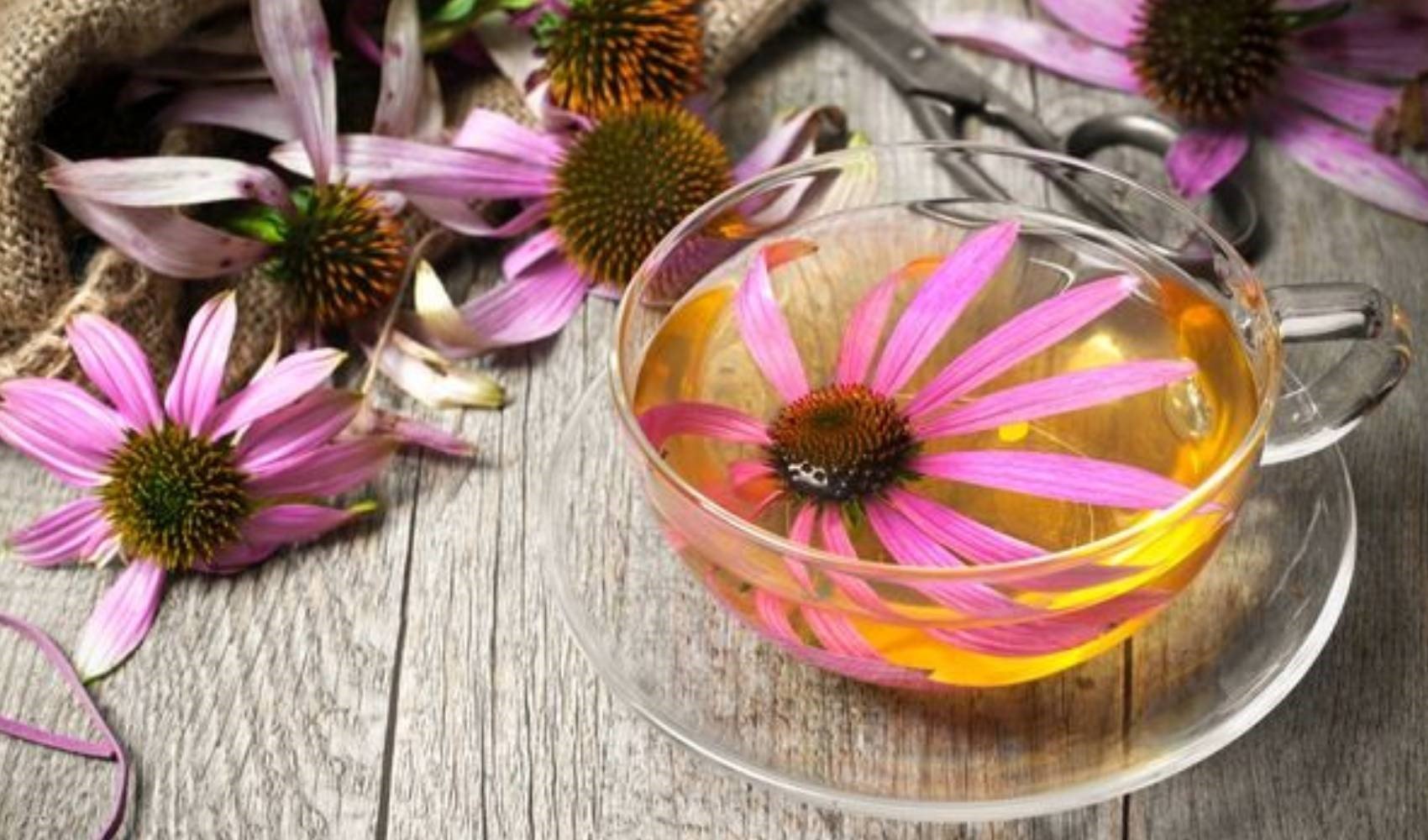
Echinacea protects against flu and the common cold
Assistant Professor Tuğba Kaman stated that the consumption of winter teas has become widespread to alleviate the symptoms or shorten the duration of upper respiratory tract infections, which are common in winter months, and said, "Plants such as echinacea, in particular, provide protection against the common cold and flu with their immune-system-strengthening properties. These plants are frequently preferred in winter months for their ability to reduce the severity of infections and accelerate the recovery process."
 2 / 5
2 / 5
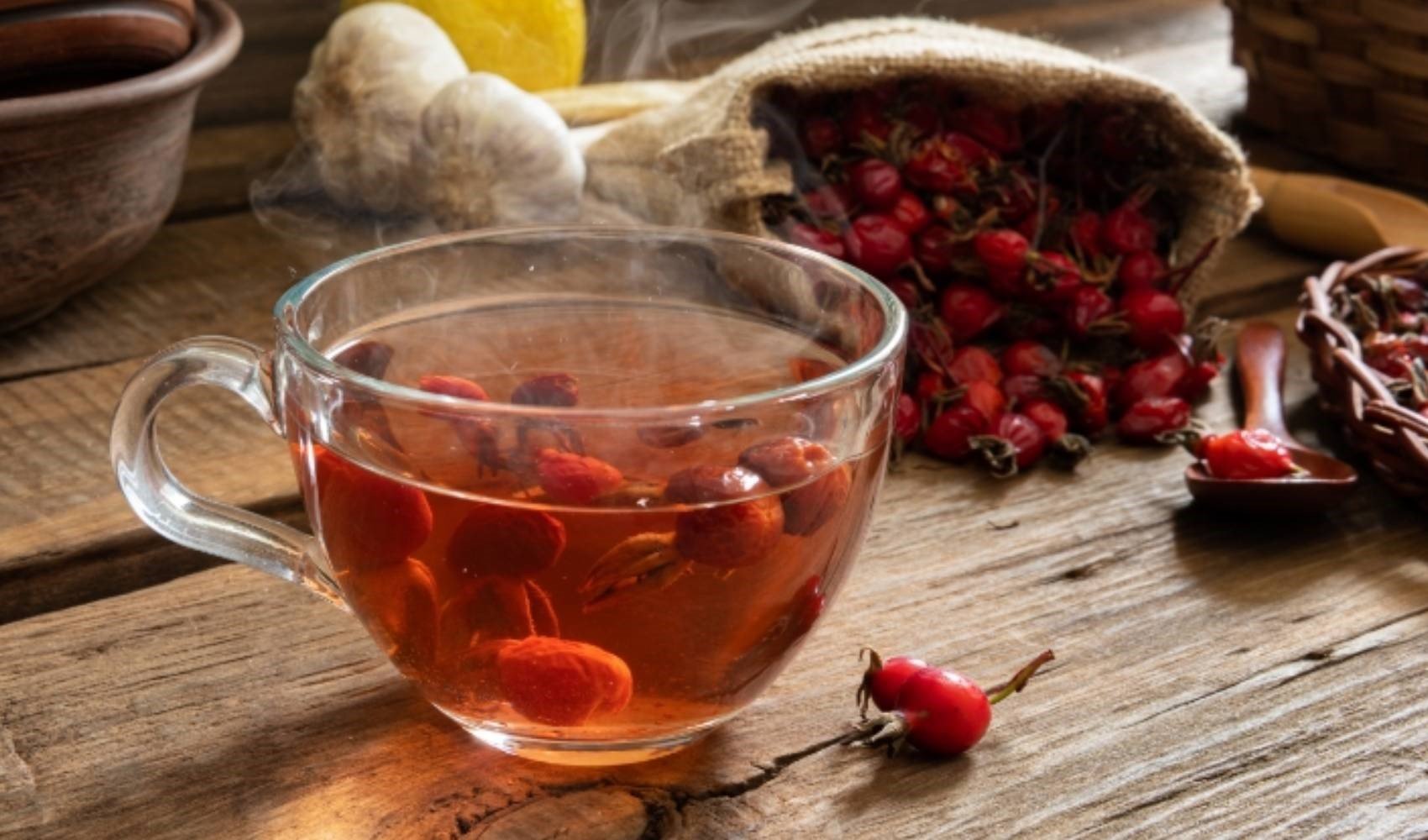
Elderberry, hibiscus, and rosehip support against coughs
Hibiscus, which offers antioxidant, antiviral, and cardiovascular benefits, is also one of the plants preferred in winter due to its high levels of iron and Vitamin C. Rosehip, which is a complete source of Vitamin C and also possesses anti-inflammatory and antioxidant potential, also protects the body against infections and the common cold.
 3 / 5
3 / 5
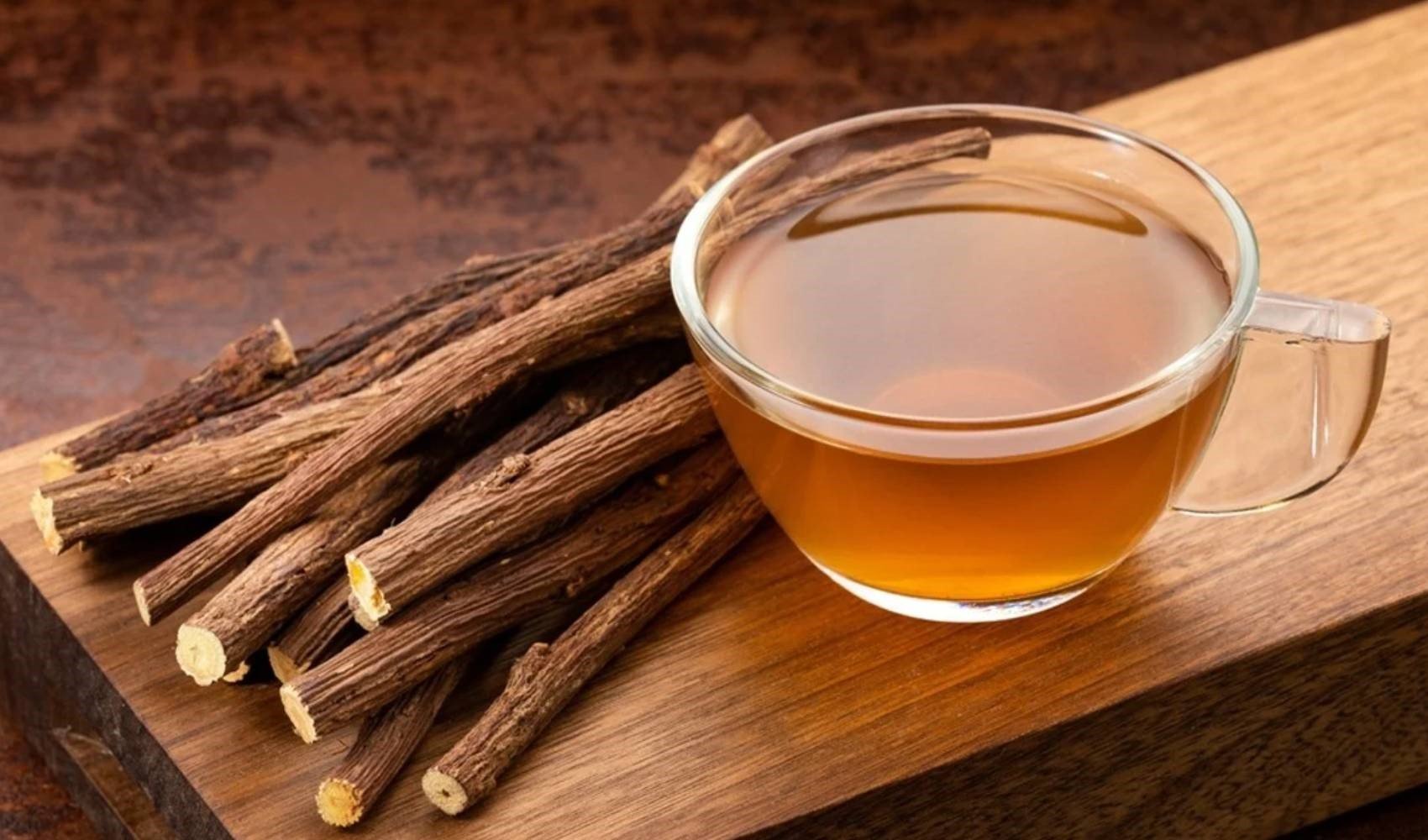
Licorice root for dry coughs, thyme for sore throats
Licorice root also has numerous health benefits, including antiviral and antimicrobial properties that can help strengthen your immune system and prevent illness. It is one of the plants preferred especially for dry coughs and viral respiratory tract infections.
 4 / 5
4 / 5
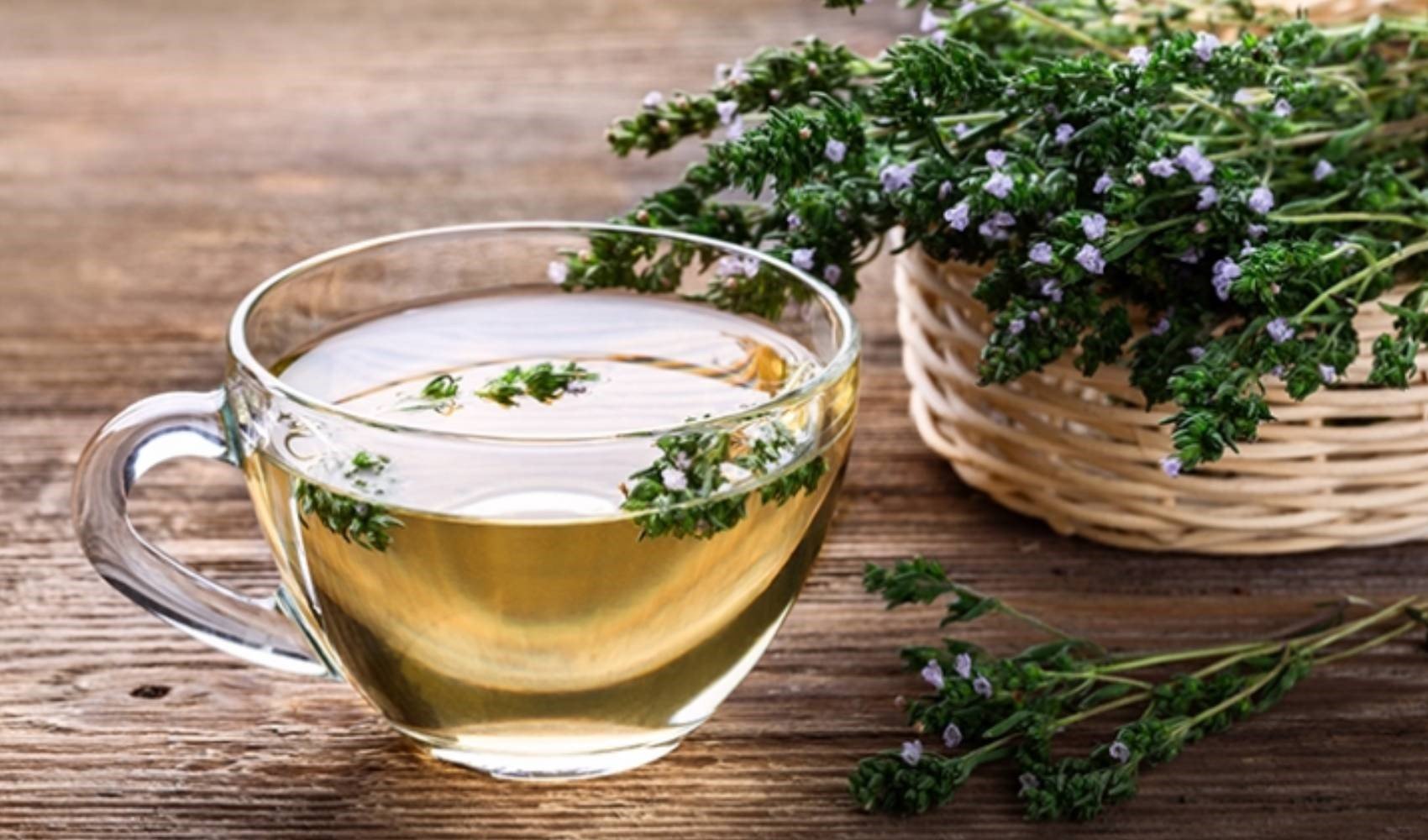
Thyme, on the other hand, is a plant with powerful antioxidant and antimicrobial properties that can be utilized for respiratory tract infections and is known to alleviate sore throats, chest pain, and coughs.
 5 / 5
5 / 5
Do not buy plants sold in the open, without labels, or whose drying and storage conditions are unknown
Noting that herbal teas can contain bioactive compounds that potentially provide health benefits, such as anti-inflammatory and antioxidant properties, Assistant Professor Kaman stated that the strength and effectiveness of these compounds can vary depending on the plant components, purity, dosage, preparation method, and storage duration and conditions.
Stating that there are many mixture teas on the market as winter tea, but that the plants contained within them may differ from those stated on the label, or that they may contain an unsafe, different species of the same plant, Assistant Professor Tuğba Kaman concluded her words as follows:
“For example, medicinal chamomile and non-medicinal chamomiles can be collected together, but not every chamomile has medicinal value, and some can be poisonous. Furthermore, the combined use of plants in mixture teas may not always be appropriate. We should not buy mixture teas that do not have labels or that do not specify which plants are used in their content and in what proportions they are present in the mixture. Again, plants sold in the open, whose collection, drying, and storage methods are unknown, should not be used.”
News Source : 12punto