 1 / 8
In a cyberattack carried out by Israel against Hezbollah members in Lebanon, pagers were targeted. The detonation of the pagers demonstrated how devastating such attacks can be.
 2 / 8
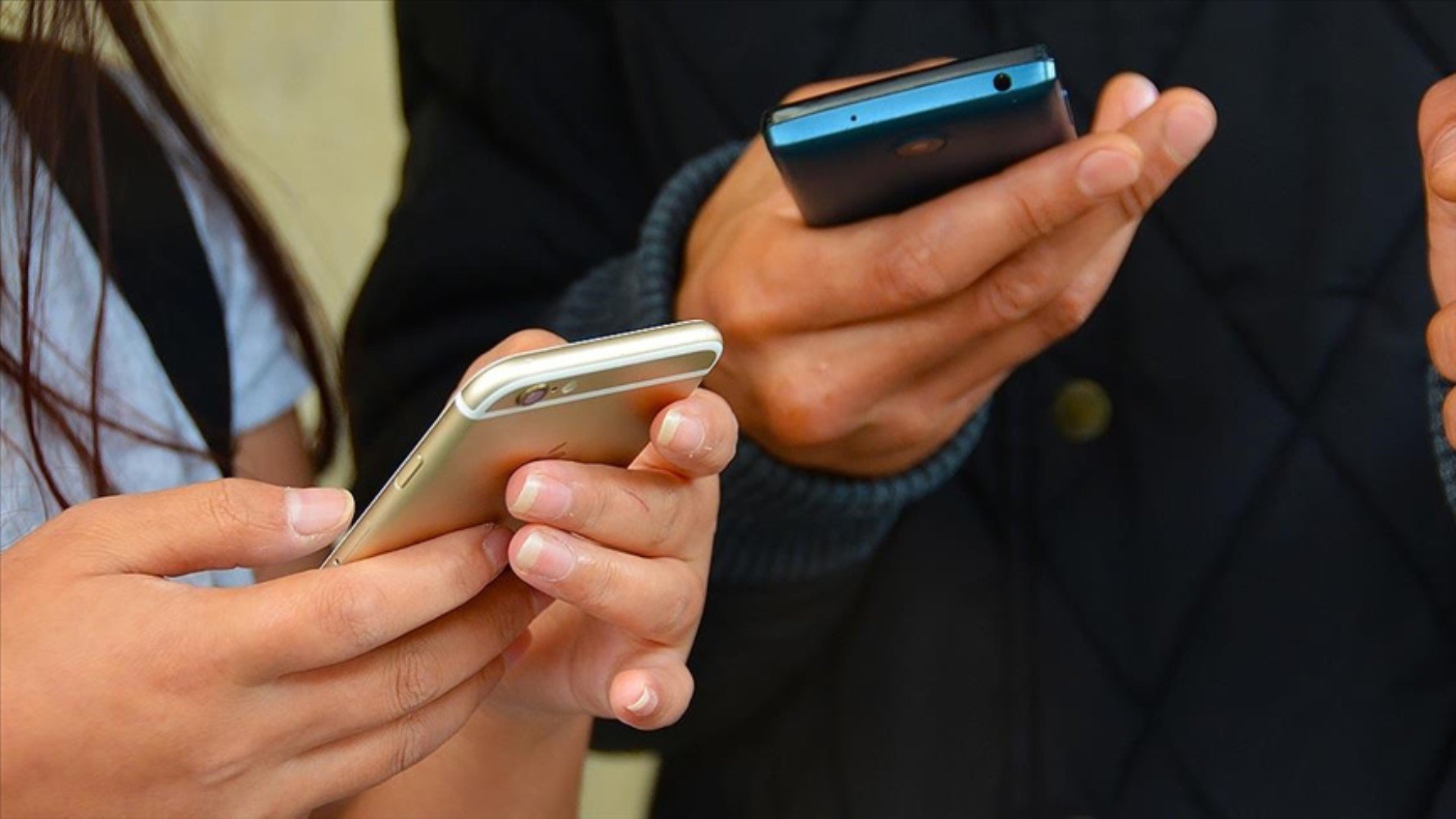
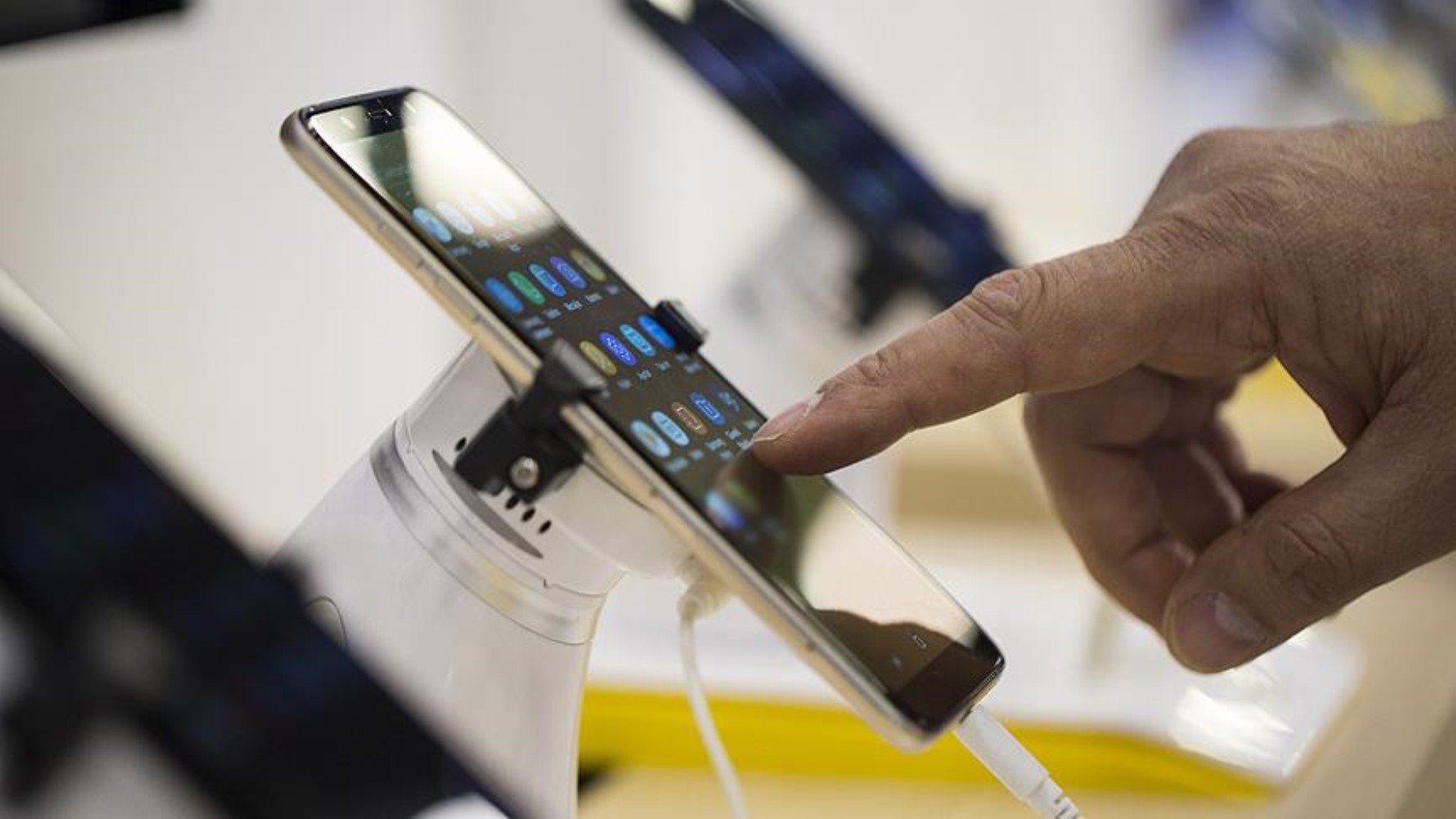
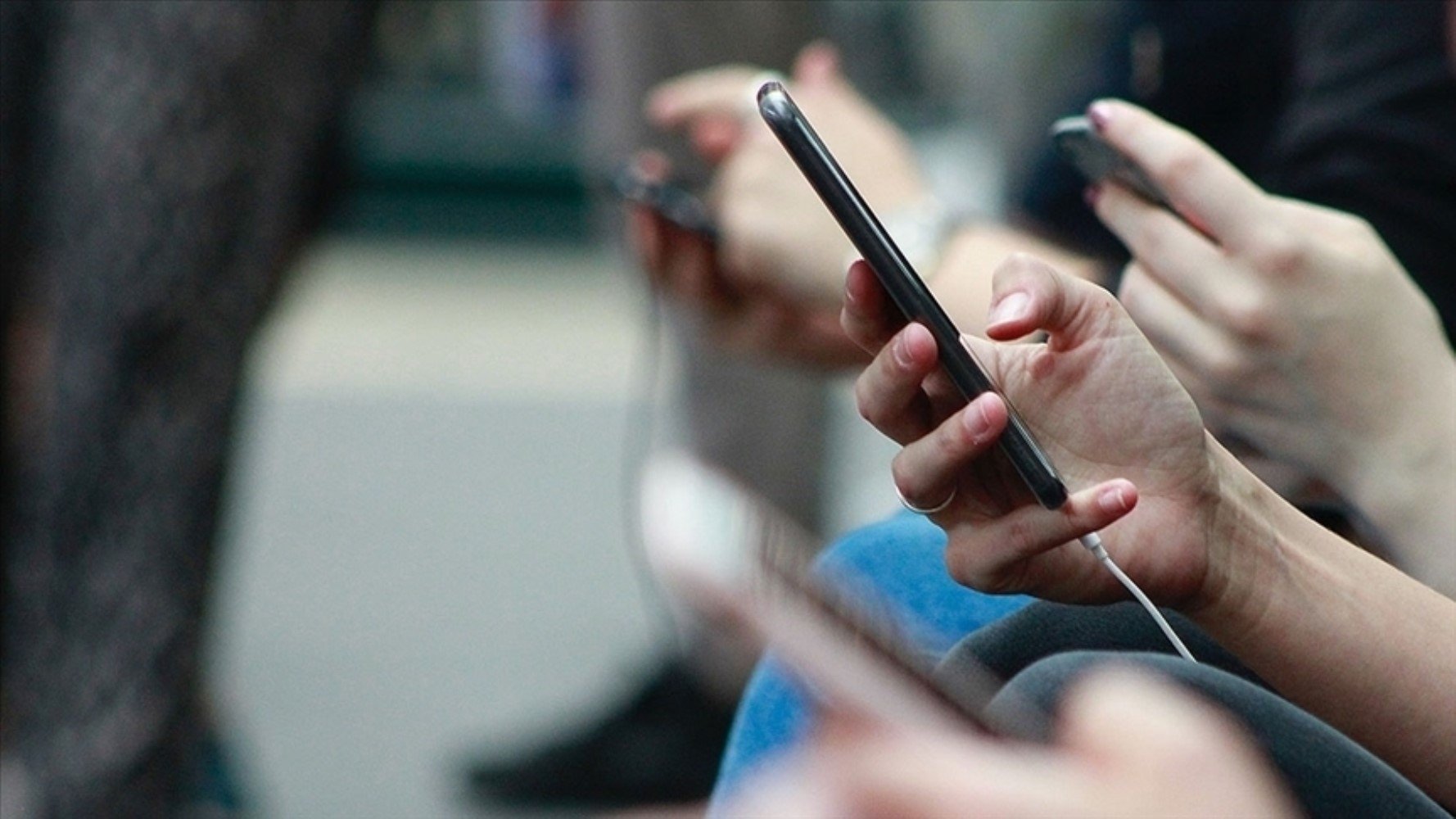
According to cybersecurity experts, this incident has raised concerns that devices such as mobile phones could be targeted in a similar manner. In particular, the internal structure and batteries of smartphones could be made to overheat through malicious software, potentially leading to explosions.
 3 / 8
According to a report by Sputnik, artificial intelligence has answered the question of whether mobile phones can be detonated remotely, similar to the pagers that exploded in Lebanon following an Israeli attack.
The response states, "Because mobile phones are in constant data exchange with internet connections and applications, they are among the devices vulnerable to cyberattacks. It is discussed that devices may carry a risk of explosion as a result of overheating in their batteries or the manipulation of electronic components. Such attacks can be carried out, in particular, by using social engineering and malicious software. Security experts point out the importance of keeping mobile phone software updates and security measures up to date."
 4 / 8
Artificial intelligence has underscored that individuals and institutions must place greater importance on cybersecurity to prevent electronic devices from turning into ticking time bombs that carry the risk of explosion.
 5 / 8
Here are some measures that can be taken:
Use up-to-date software: Regularly update your devices' operating systems and security software.
 6 / 8
Safe applications: Avoid downloading applications from unknown sources.
 7 / 8
Beware of suspicious links: Do not click on links that may contain malware and be cautious regarding emails
 8 / 8
Two-factor authentication: Protect your accounts by using this method for extra security.
News Source : 12punto