 1 / 11
When brain diseases are mentioned, the first thing that comes to mind in society is usually fatal scenarios. Acıbadem Kartal Hospital Brain and Neurosurgery Specialist Assoc. Prof. Dr. Yaşar Bayri points out that, contrary to the common belief in society, the chances of recovery in many brain diseases have increased today, stating;
“Not every brain disease is fatal, and thanks to modern treatment methods, the chances of recovery have increased in many diseases. In cases where there is no definitive cure, the progression of the disease is slowed down, and the patients' quality of life is improved. However, since every disease has its own unique dynamics and treatment processes, individual evaluations and expert opinions are of great importance,” he says.
 2 / 11
SEEN IN EVERY AGE GROUP
Although it is generally thought of as a disease of old age in society, brain diseases can be seen in every age group from 7 to 70. Bayri emphasizes that some diseases are seen more frequently in different age groups, and continues his words as follows:
“While cerebral palsy, epilepsy, autism, attention deficit, hyperactivity, and genetic diseases are seen more frequently in infants and children; migraine, depression, and anxiety disorders are seen more frequently in young adults; and Alzheimer's, Parkinson's disease, and stroke are seen more frequently in older ages. Diseases such as epilepsy, brain tumors, brain trauma, multiple sclerosis, amyotrophic lateral sclerosis (ALS), and genetic diseases can appear in all age groups.”
 3 / 11
EARLY DIAGNOSIS INCREASES TREATMENT SUCCESS
Early diagnosis and treatment positively affect the course of brain diseases, increasing treatment success and reducing the risk of complications. For this reason, it is necessary not to neglect regular health check-ups and not to lose time in seeing a doctor when symptoms that may indicate brain diseases occur.
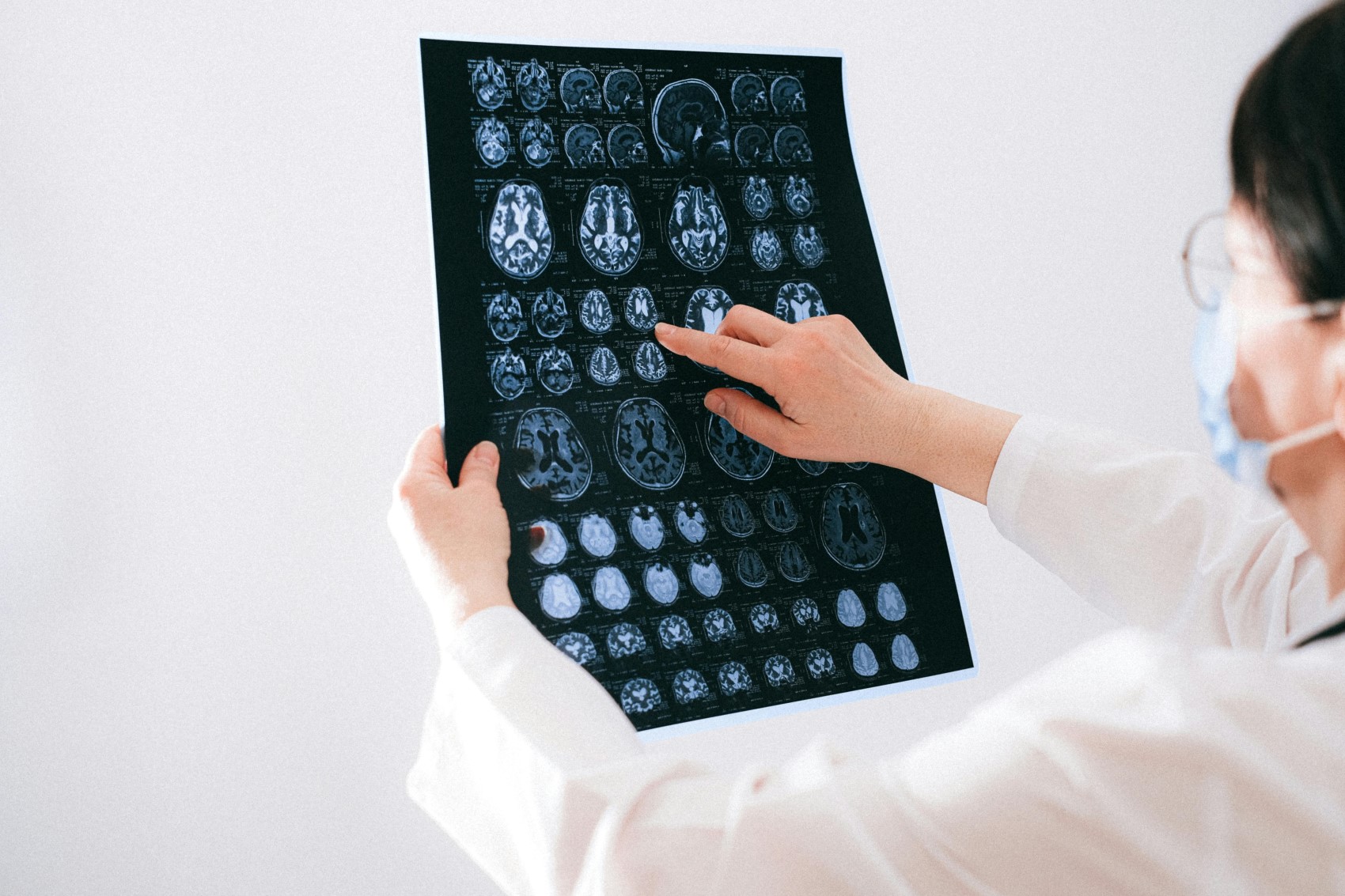
Stating that various imaging methods are resorted to when complaints and findings that suggest the nervous system is affected are detected in detailed neurological examinations or in suspicious cases, Bayri says, “Imaging methods such as Magnetic Resonance Imaging (MRI) and Computed Tomography (CT) are the most effective methods used in the early diagnosis of tumors, aneurysms, and other brain diseases.”
 4 / 11
MOST COMMON SYMPTOMS IN BRAIN DISEASES
- More severe headaches in the morning hours
- Nausea and vomiting unrelated to meals
- Blurred vision, double vision, or vision loss
- Loss of balance while walking or coordination disorders
- Epileptic seizures characterized by fainting, convulsions, and short-term memory loss
- Cognitive symptoms such as memory loss, attention deficit, or personality changes
 5 / 11
7 EFFECTIVE RECOMMENDATIONS FOR BRAIN HEALTH!
FOLLOW A MEDITERRANEAN-STYLE DIET
Pay attention to a Mediterranean-style diet to protect your brain health. This diet includes foods such as olive oil, fresh vegetables and fruits, whole grains, fish, and nuts. Do not leave foods containing omega-3 fatty acids, antioxidants, and B vitamins off your table to support brain functions.
 6 / 11
EXERCISE REGULARLY
It is very important to engage in physical activity regularly for your brain health. At least 150 minutes of moderate aerobic exercise per week (such as walking, swimming, cycling at a slow pace) helps brain cells regenerate and improves cognitive functions.
 7 / 11
PAY ATTENTION TO YOUR SLEEP DURATION
Sleep duration and quality are also of critical importance for brain health. Sleep helps repair brain cells and reduce memory deficits. Try to sleep 7-9 hours a day and avoid keeping mobile phones and electronic devices in the bedroom.
 8 / 11
SUPPORT YOUR MENTAL HEALTH
Chronic stress paves the way for anxiety disorders by causing an increase in feelings such as worry, anxiety, and restlessness, and can negatively affect brain health by disrupting sleep quality. Support your mental health with stress management techniques such as meditation, yoga, or deep breathing techniques.
 9 / 11
LEARN A NEW LANGUAGE, PLAY A MUSICAL INSTRUMENT
Mental activities are also important in protecting your brain health. Activities such as solving puzzles, reading books, learning a new language, or playing a musical instrument improve brain functions.
 10 / 11
QUIT SMOKING, LIMIT ALCOHOL
Smoking and alcohol can damage brain cells and accelerate cognitive decline. If you smoke, quit immediately; limit alcohol consumption.
 11 / 11
SPEND MORE TIME WITH YOUR FRIENDS
Building social connections and leading an active social life supports our mental health. Therefore, social activities such as spending time with your friends and participating in community events will positively affect your brain health.
News Source : 12punto