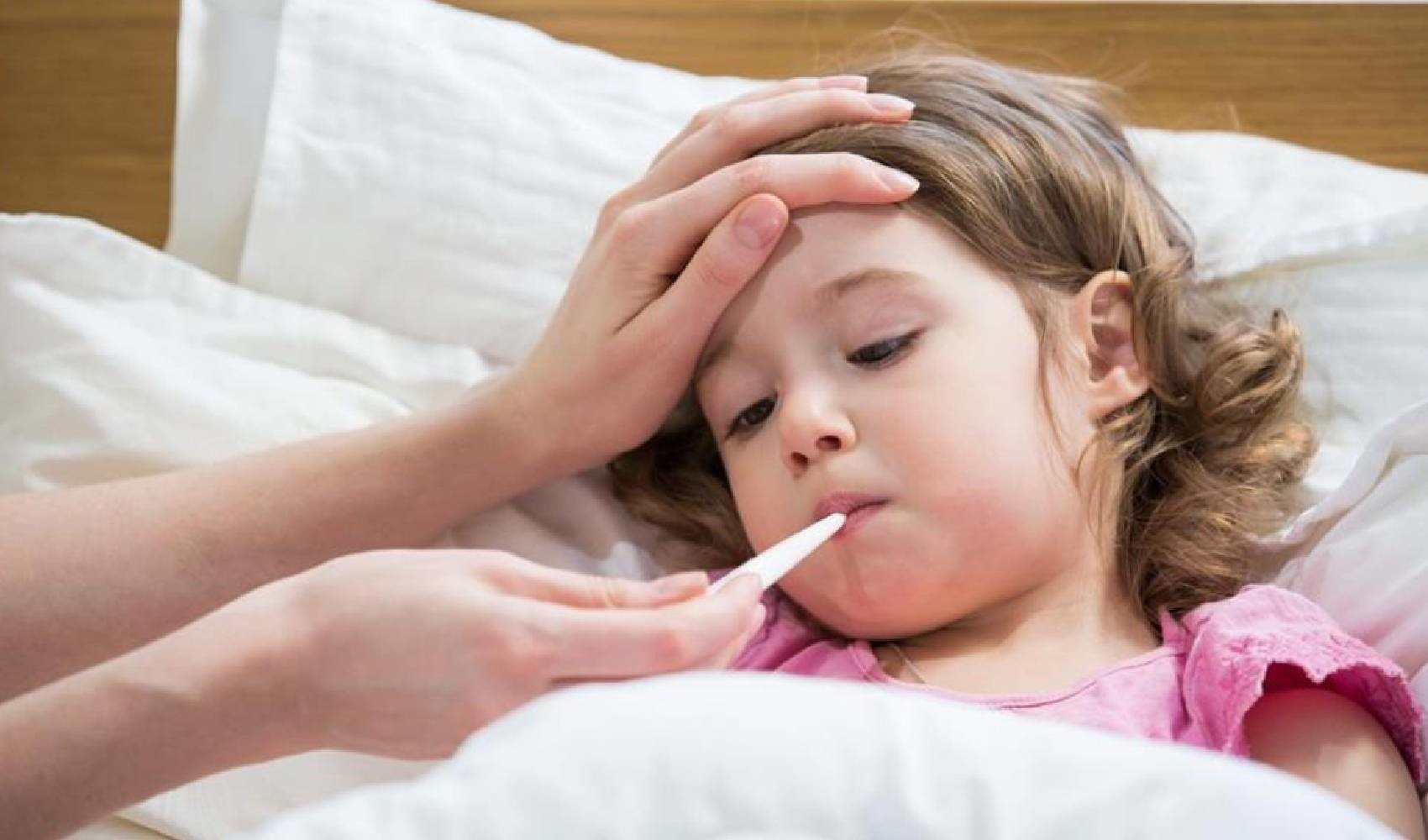
Specialist Dr. Aşkın Güra Bayık from the Department of Pediatrics provided information about allergic rhinitis in children and its treatment.
Pointing out that spring months can be difficult for children, Bayık said, "Approximately half of the children who visit a doctor due to nasal discharge or congestion (rhinitis) in the spring have allergic rhinitis. Allergic rhinitis either lasts all year round or develops seasonally. In seasonal allergic rhinitis, plants that do not bloom and whose pollen is scattered by the wind are usually the cause."
Stating that allergic rhinitis often affects the upper respiratory tract in the spring, especially with the start of the pollination period in plants, Bayık said that symptoms such as itchy and watery nasal discharge, sneezing fits, burning in the nose, redness and burning in the eyes, itching and watering in the eyes, wheezing, snoring, temporary loss of smell, itching in the throat and palate, and ear congestion may occur.
''FAMILIES SHOULD BE CAREFUL AGAINST COUGH AND WHEEZING SYMPTOMS IN CHILDREN''
Noting that asthma can accompany allergic rhinitis, Bayık said, "While flowers and plants in homes do not affect children who are sensitive to pollen very much, plants seen outdoors, in green areas, forests, and fields can cause an increase in allergic rhinitis complaints. In addition to pollen, allergens such as household dust, animal dander, and tobacco smoke can also cause allergic rhinitis. It is a common situation for asthma to also be seen in children with allergic rhinitis. For this reason, families should be careful against cough and wheezing symptoms in the child. The disease, which shows its first symptoms in childhood, can become a condition that the person must learn to live with throughout their entire life."
''FINDING THE CAUSE OF THE ALLERGY IS IMPORTANT''
Bayık noted that in cases where allergic rhinitis is suspected in a child, the family may notice the factors causing the allergy, or skin or blood tests may be needed to identify the substance causing the allergy.
Bayık said, "If it is determined as a result of the tests that the child is sensitive to a specific allergen, treatment for this allergy can be started."
''WHEN DRUG TREATMENT IS ALSO INSUFFICIENT...''
Stating that "the first step in the treatment of allergic rhinitis is to avoid the allergens that cause the allergy," Specialist Dr. Aşkın Güra Bayık added the following:
"If the allergic rhinitis in the child develops against pollen, it may be necessary to keep the child away from green areas as much as possible during the months when pollination is frequent, or they should be ensured to be in green areas under treatment. In cases where environmental protection methods are insufficient, drug treatment will be an effective method. Even when these drugs are used only on days when symptoms are seen, they can help relieve the child's complaints. When drug treatment is also insufficient, vaccine therapy, or 'immunotherapy,' is applied to children. Vaccine therapy, which aims to regulate the immune system by giving the child the allergens they are sensitive to in increasing doses, enables the body to accept these allergens naturally after a while."
News Source: İHA