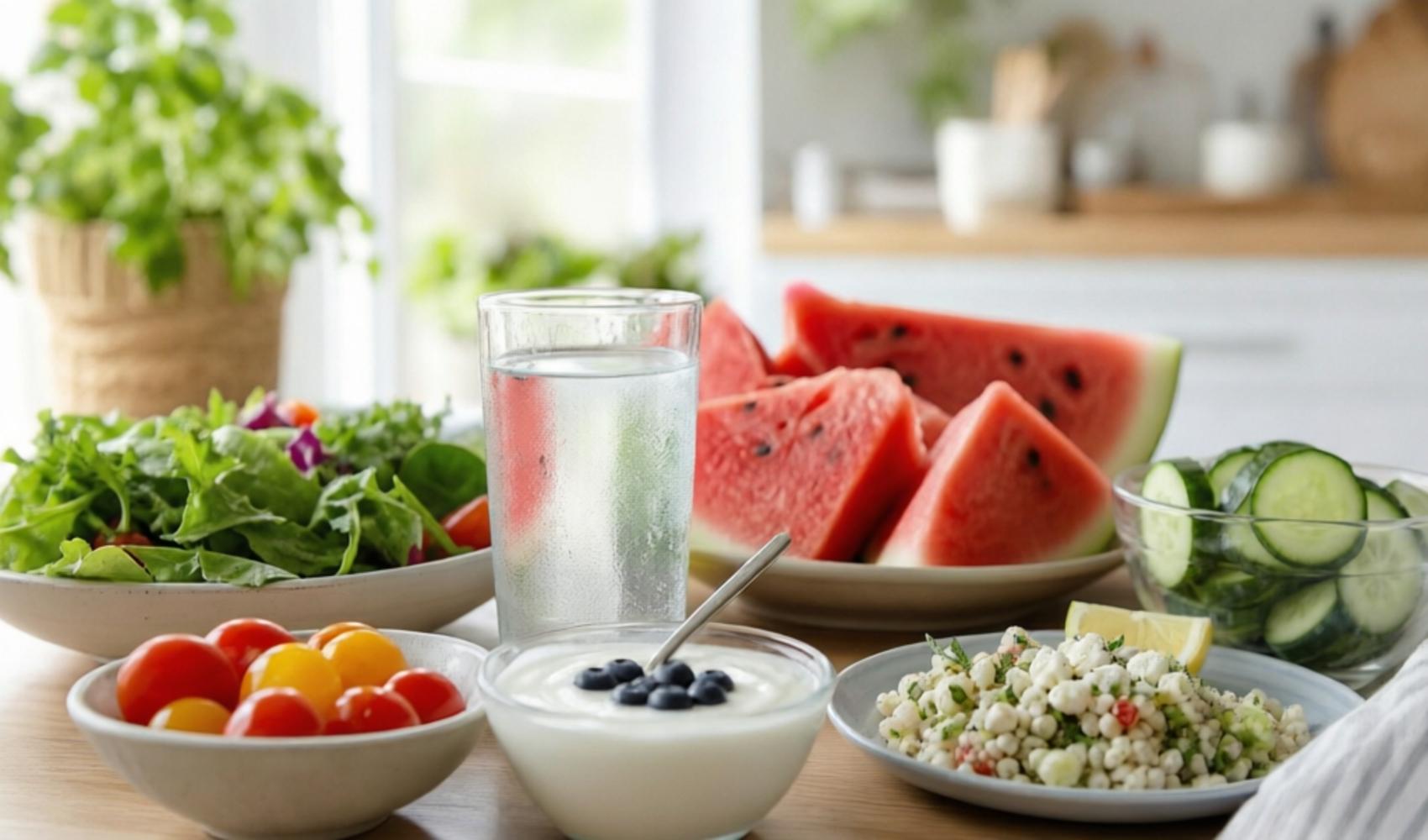
On days when the temperature rises above 30 degrees, your appetite may decrease, and cooking can become exhausting. However, according to experts, instead of completely changing your diet in hot weather, it may be sufficient to turn to practical choices that compensate for fluid loss and do not heat up the kitchen too much.
Aisling Daly, a senior lecturer in nutrition at Oxford Brookes University, states that the body does not need more protein during heatwaves. However, cooking protein sources such as meat, chicken, and fish can both heat up the kitchen and cause discomfort on hot days.
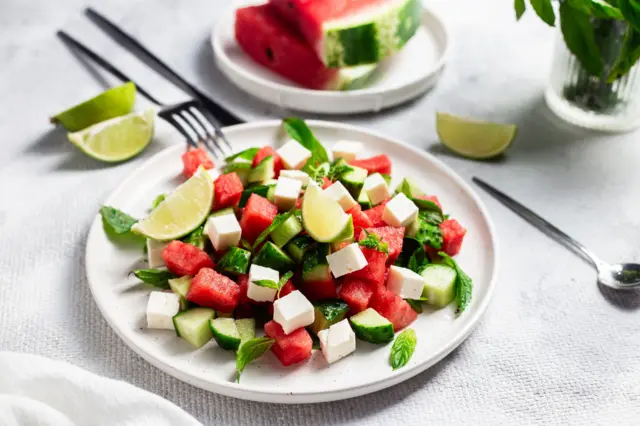
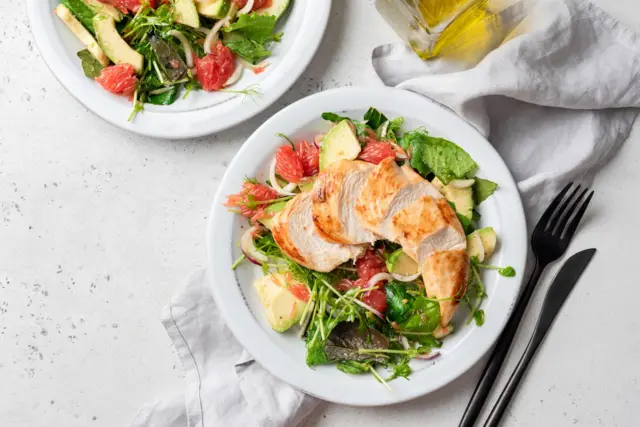
Hot meals are not the only option to meet protein needs. Lentils, nuts, milk, tofu, cheese, eggs, yogurt, bean salad, and pre-cooked meats are among the more practical alternatives for hot days. A smoothie prepared with fruit, vegetables, yogurt, and peanut butter can also provide a balanced and refreshing meal.
DRINKING WATER ALONE MAY NOT BE ENOUGH
Since water loss through sweating increases in hot weather, fluid intake becomes critical. The UK's National Health Service (NHS) recommends consuming six to eight glasses of fluid per day under normal conditions; however, the need may be higher depending on the individual during heatwaves.
According to Dr. Charlotte Mills, a food and nutrition scientist at the University of Reading, there is no single amount that applies to everyone. Age, body size, activity level, and health status can change daily fluid needs. Athletes, pregnant women, and breastfeeding women are among the groups that may need more fluids on hot days.
Experts point out the importance of getting water not only from drinks but also from food. The water content of cucumbers, tomatoes, lettuce, celery, watermelon, and strawberries is over 90 percent. Foods such as apples, carrots, cooked broccoli, pears, oranges, grapes, and pineapples also stand out with their high water content.
One of the practical ways to understand whether the body is getting enough water is to monitor urine color. A light yellow color usually indicates adequate fluid intake, while colors approaching orange or brown may be an indication of dehydration.
IT IS NOT NECESSARY TO GIVE UP HOT DRINKS
Drinking tea or coffee in hot weather may not be as counterintuitive as it is thought. According to Dr. Daly, warm or room-temperature drinks can be as effective for cooling down as cold drinks. The important thing is not the temperature of the drink, but that the body is not left dehydrated.
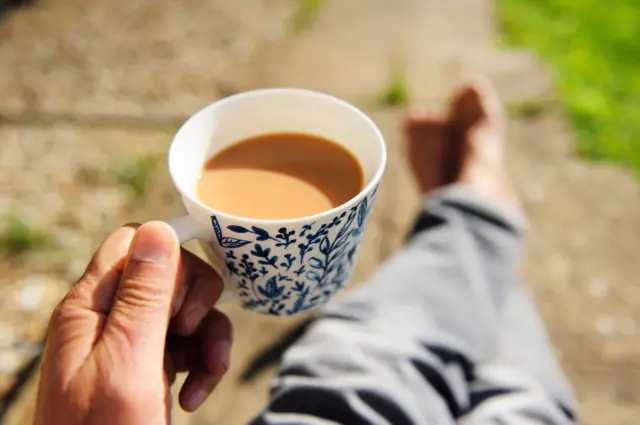
However, it is necessary to be moderate with caffeine and alcohol. Daly says that one or two coffees a day will not make a big difference in fluid balance, but five or six coffees can have a negative effect. It should also be remembered that alcohol can increase dehydration.
Adjusting meal times according to the heat of the day is another option. An early breakfast, a lighter pace during the noon hours, and a later meal in the cool of the evening can make eating more comfortable on hot days.
News Source: 12punto