

Aldosterone hormone may be a factor in blood pressure that does not drop despite two medications
According to experts, if resistant hypertension and low potassium are seen together, adrenal gland masses should be investigated.




It is estimated that approximately 1 billion 400 million people worldwide, and 20 million in Turkey, live with hypertension. Behind high blood pressure, which is a significant risk factor for cardiovascular diseases, there can be reasons such as unhealthy diet, excessive salt consumption, a sedentary lifestyle, and genetic predisposition. However, in some patients, the clinical picture can be explained by a different cause.
Acıbadem Altunizade Hospital General Surgery Specialist Assoc. Prof. Dr. Mehmet Köstek stated that in patients whose blood pressure cannot be brought under control despite using two or more blood pressure medications and who experience low potassium, issues originating from the adrenal glands should be evaluated.
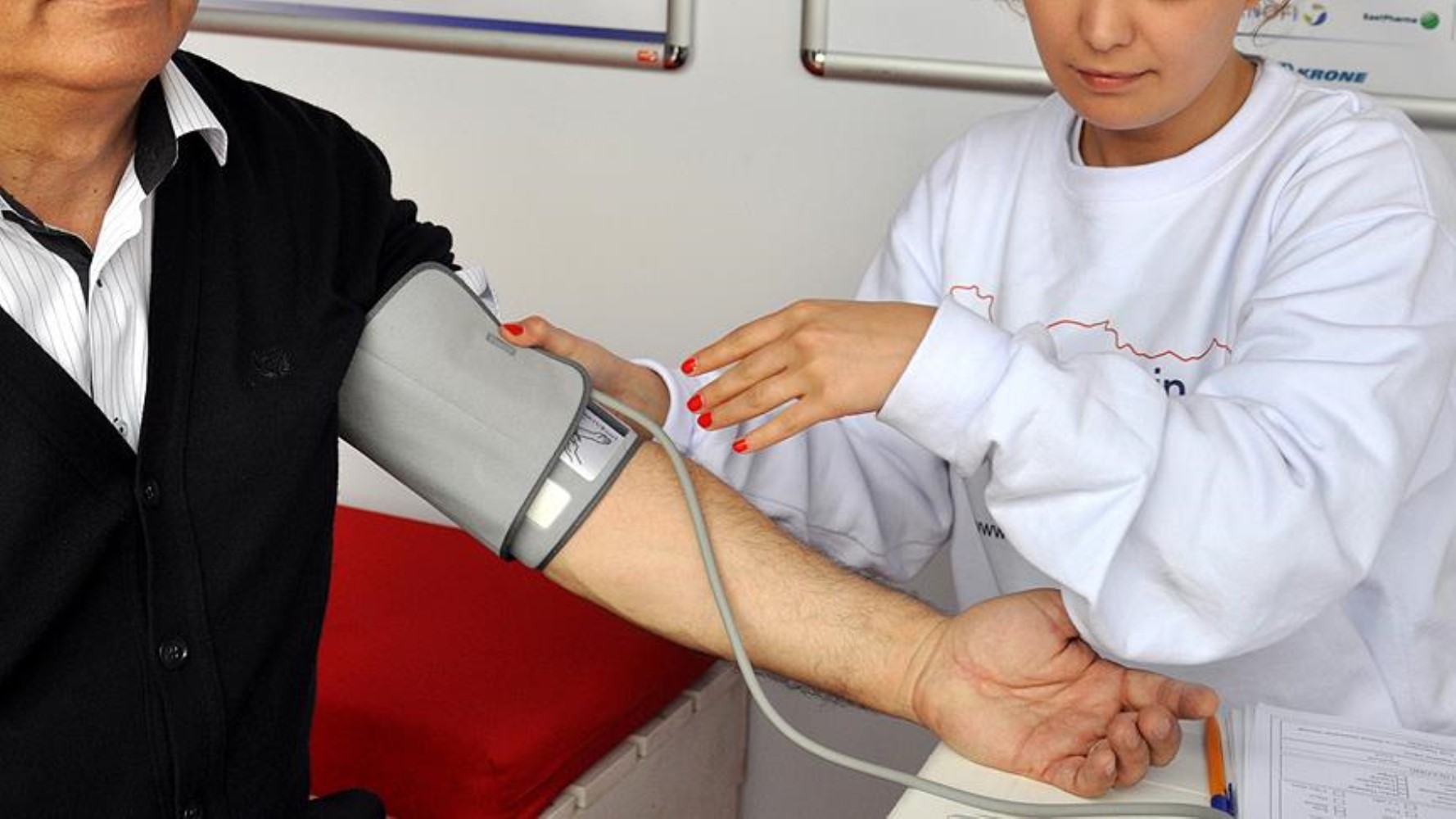
EXCESS ALDOSTERONE CAN RAISE BLOOD PRESSURE
The adrenal glands, located on top of each kidney, produce vital hormones such as cortisol, adrenaline, and aldosterone. The hormone aldosterone plays a role in maintaining the body's water and mineral balance. Some benign masses that develop in the adrenal gland can lead to the excessive secretion of this hormone.
In cases of excess aldosterone, while sodium and water retention in the kidneys increases, potassium loss may occur. This process can lead to an increase in blood pressure, i.e., hypertension. Assoc. Prof. Dr. Köstek stated that low potassium along with high blood pressure is one of the important findings that suggest the aldosterone hormone is being secreted in excess.
The presence of low potassium along with high blood pressure is considered one of the important findings suggesting that the aldosterone hormone is being secreted in excess. In the presence of these findings, it is essential to investigate whether there is a hormone-secreting mass in the adrenal gland.
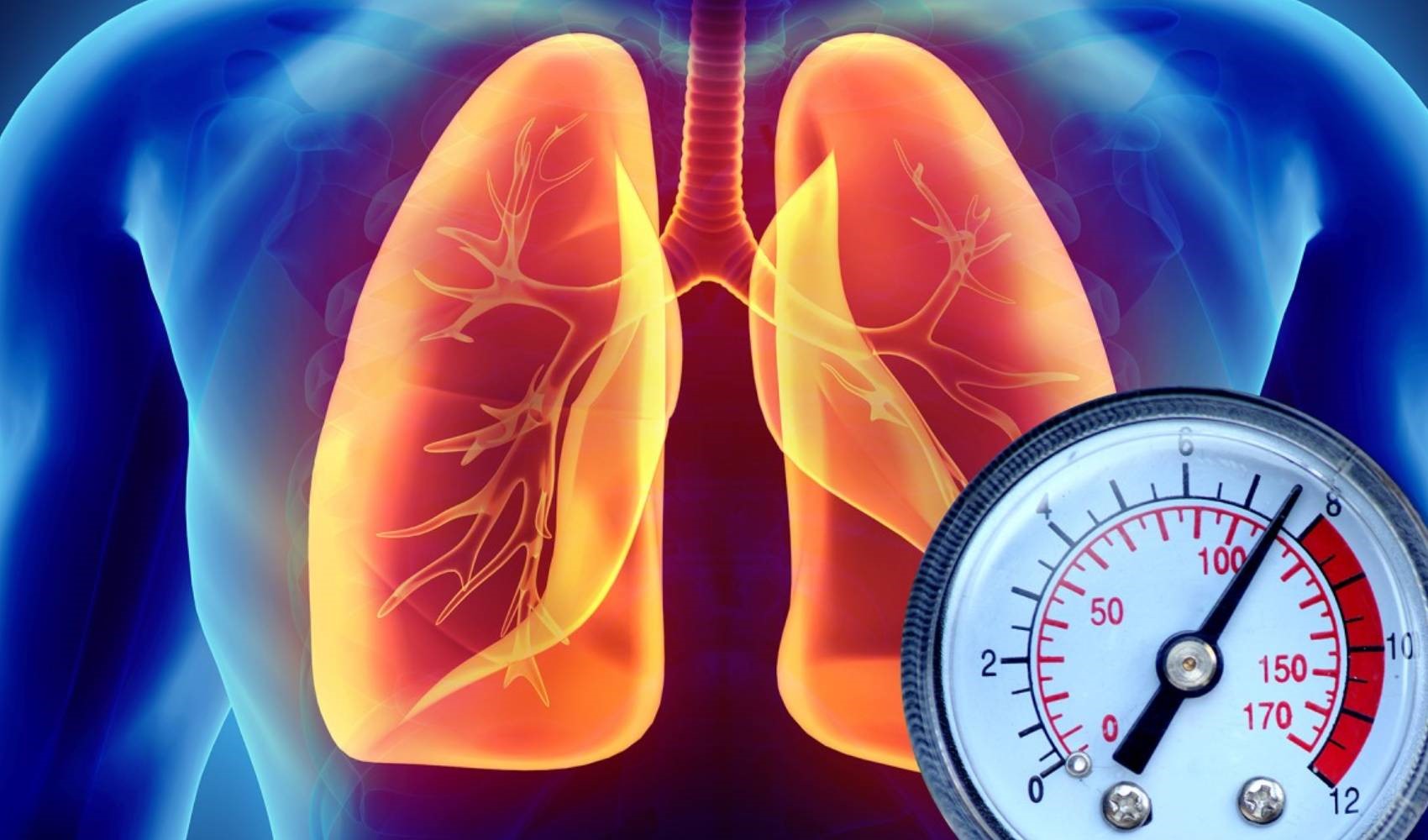
Since masses in the adrenal gland often do not show symptoms, they may go unnoticed for a long time. For this reason, even if patients use more than one blood pressure medication, they may not be able to reach the targeted blood pressure values. It is stated that uncontrolled hypertension increases the risk of cardiovascular diseases in the long term.
Constant potassium loss can also pave the way for problems ranging from muscle weakness to heart rhythm disorders. It is noted that some patients may have to use high amounts of supplements to bring their potassium levels back to normal, which is why early diagnosis and determining the underlying cause are important.
HOW DOES THE DIAGNOSIS AND TREATMENT PROCESS PROCEED?
In patients suspected of having an adrenal gland mass, the medical history and complaints are evaluated in detail in the first stage. Then, tests measuring hormone levels are performed. If excess hormone is detected in the blood, imaging methods such as tomography or magnetic resonance are used to investigate which adrenal gland the mass is located in.

The goal in treatment is to remove the mass that secretes excess hormone and ensure that hormone levels return to normal. Assoc. Prof. Dr. Köstek stated that today, surgical treatment is mostly performed closed using laparoscopic and robotic methods, and that patients can return to their normal lives within 1-2 days after operations performed with small incisions.
According to Köstek, hormone levels are monitored regularly in the post-operative period, and blood pressure medications are rearranged if necessary. It is stated that in suitable patients, blood pressure can return to normal after the operation or the number of medications used can be significantly reduced.
News Source: 12punto
Most Read

Increased rates for mandatory traffic insurance have begun
Name change notice sent to Yeni Parti

Message from Fenerbahçe players to İsmail Kartal
Unexpected crisis in Yeni Parti before the convention

New statement from Bülent Arınç regarding his controversial criticism of Melih Gökçek
Trump announces 'Russia and Ukraine have reached an agreement'

Male body found inside the walls in Fatih
The judiciary has said Stop to the unlawful demolition at Denizatı Kent Site
Şamil Tayyar warned AKP about that province
New call from Öcalan for the resolution process