

Critical warning on weight-loss injections: Rapid weight loss can make side effects visible
While gastrointestinal complaints are prominent with GLP-1 group drugs, experts are calling for caution in cases such as pregnancy and sudden vision loss.



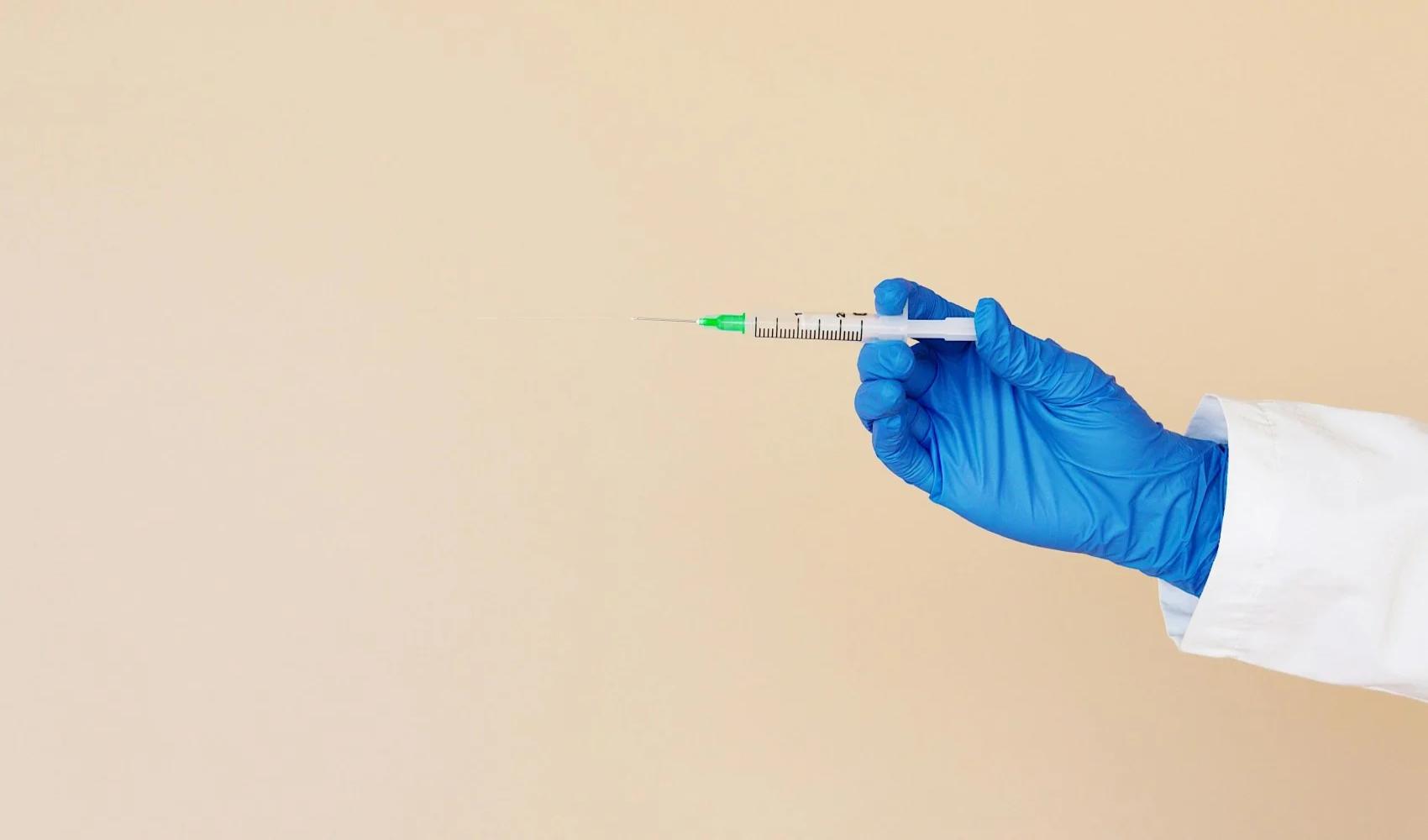
GLP-1 group drugs used for weight loss have been frequently discussed on social media recently. Many topics are on the agenda regarding these treatments, colloquially known as “weight-loss injections,” ranging from gastrointestinal complaints to the facial appearance dubbed “Ozempic Face,” and from hair loss to the reduction of fat tissue in the soles of the feet.
Dietitian Özüm Konuk stated that scientifically proven effects of these drugs must be distinguished from claims still in the research stage, emphasizing that the treatment must be conducted under the supervision of a specialist and physician.

MOST COMMON COMPLAINTS ARE IN THE GASTROINTESTINAL SYSTEM
The most frequently reported side effects of GLP-1 group drugs, which have also been demonstrated in clinical studies, are related to the gastrointestinal system. Nausea, vomiting, diarrhea, and constipation are among these complaints. It is noted that these effects are associated with the drugs slowing down gastric emptying and reducing appetite.
According to Konuk, these complaints may subside in many people as they adjust to the treatment. However, if symptoms worsen, persist for a long time, or affect the person's general health, the treatment must be re-evaluated in consultation with a physician.

There are also situations that require caution regarding eye health. It is stated that serious eye problems, although very rare, have been reported, particularly in diabetic patients. In the event of sudden vision loss, it is recommended to consult an ophthalmologist without delay.
The use of these drugs is not recommended during pregnancy. As there is insufficient scientific data regarding their safety, it is noted that individuals planning to have children should evaluate the treatment process with their physicians. Furthermore, it is noted that rapid weight loss can affect hormonal balance, which increases the need for medical follow-up during the planning process.
WHY ARE “OZEMPIC FACE” AND HAIR LOSS ON THE AGENDA?
It is stated that appearances such as volume loss in the face, sunken cheeks, and skin sagging, shared on social media under the name “Ozempic Face,” should not be evaluated solely as a direct effect of the drug. According to experts, similar changes can also be seen in those who have undergone gastric bypass surgery or in people who have lost a significant amount of weight in a short time.
It is stated that this situation is largely related to rapid weight loss. The rapid reduction of supportive fat tissue under the face, the skin's inability to adapt at the same speed, and the decrease in collagen tissue with age can make the appearance more pronounced.

Hair loss is also among the topics that should not be attributed to the drug alone. Rapid weight loss, protein deficiency, iron, zinc, and vitamin deficiencies, as well as metabolic stress, can trigger hair loss. It is stated that with proper nutrition and follow-up, this shedding can be temporary for many people.
The appearance dubbed “Ozempic Foot” on social media, related to the reduction of fat tissue in the soles of the feet, is also considered to be associated with rapid weight loss. In some individuals, heel pain, a decrease in the cushioning tissue of the sole, a bony appearance, and pain while walking may occur.
It is estimated that approximately 40 to 60 million people worldwide use GLP-1 receptor agonists or similar incretin treatments. The potential user pool for these treatments, used for diabetes and obesity, is much broader; evaluations based on data from 91 countries suggest that approximately 750 million adults could be eligible for these treatments.
Experts emphasize that GLP-1 treatments should not focus solely on weight loss. Muscle mass, nutritional status, skin health, potential side effects, and quality of life should be monitored together; information circulating on social media should not replace medical decisions.
News Source: 12punto
Most Read

Increased rates for mandatory traffic insurance have begun

Name change notice sent to Yeni Parti

Message from Fenerbahçe players to İsmail Kartal

Unexpected crisis in Yeni Parti before the convention

New statement from Bülent Arınç regarding his controversial criticism of Melih Gökçek

Trump announces 'Russia and Ukraine have reached an agreement'

Male body found inside the walls in Fatih

The judiciary has said Stop to the unlawful demolition at Denizatı Kent Site

Şamil Tayyar warned AKP about that province

New call from Öcalan for the resolution process