During periods when temperatures rise above 30 degrees, appetite can decrease, and cooking in the kitchen can become more exhausting. According to experts, the primary goal for nutrition in hot weather is to choose meals that do not strain the body, balance fluid loss, and be careful with caffeine and alcohol consumption.
Aisling Daly, a senior lecturer in nutrition at Oxford Brookes University, states that the need for protein does not specifically increase during heatwaves. Daly notes, "There is no need for more protein during a heatwave."
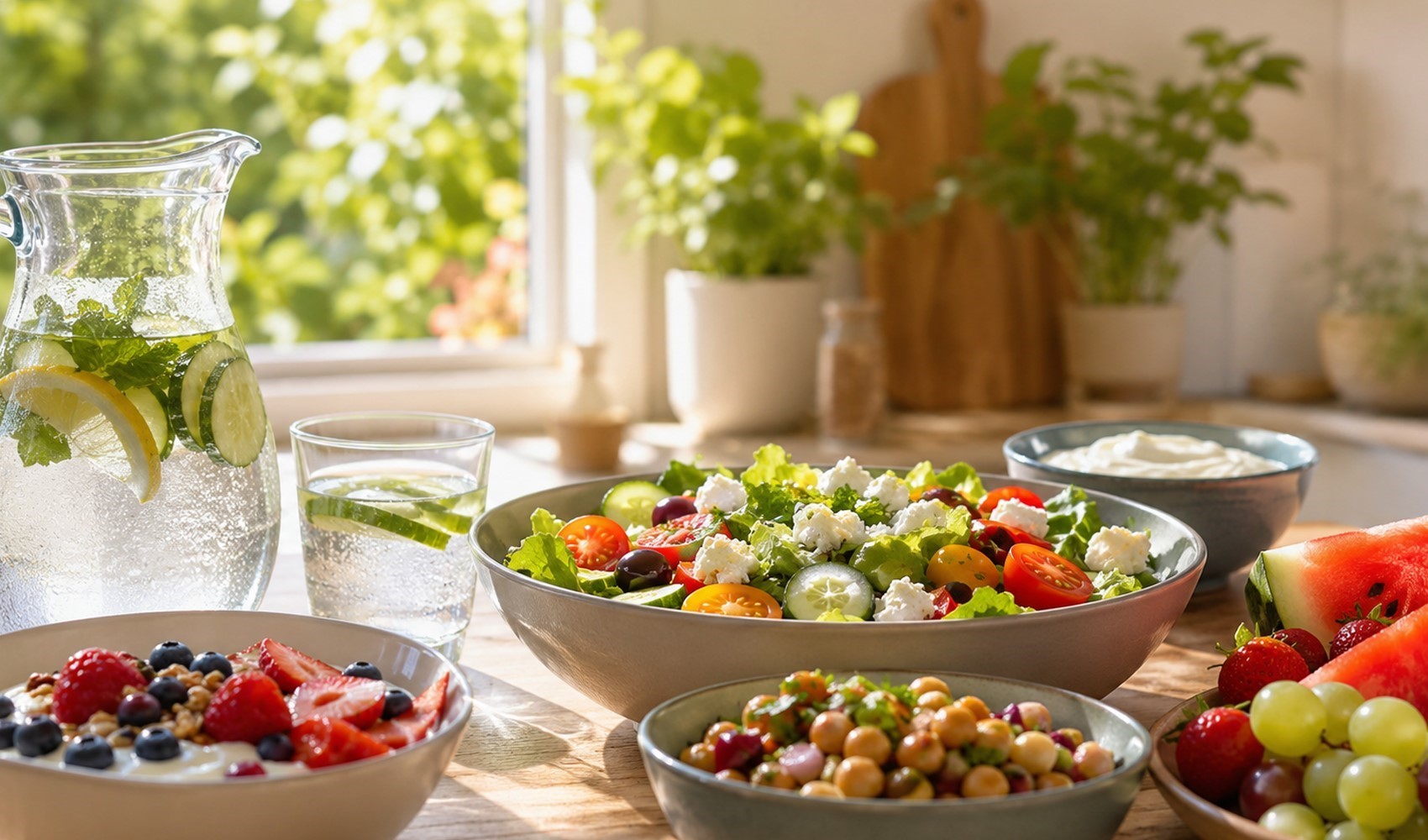
Cooking protein sources like meat, chicken, and fish can make the kitchen even more stifling on hot days. For this reason, experts suggest turning to more practical options such as lentils, nuts, milk, tofu, cheese, yogurt, eggs, bean salad, and pre-cooked meats. Smoothies prepared with fruit, vegetables, yogurt, and peanut butter also stand out as a balanced meal alternative.
HIGHLIGHTS FOR NUTRITION IN THE HEAT
- - There is no need to exaggerate protein intake; light and practical protein sources can be preferred.
- - Against fluid loss, it is important not only to drink water but also to consume fruits and vegetables with high water content.
- - Tea and coffee are not completely forbidden; however, excessive caffeine and alcohol can increase the risk of dehydration.
Since the body loses water through sweating in hot weather, fluid intake becomes critical. While the UK's National Health Service recommends consuming six to eight glasses of fluid per day under normal conditions, more may be needed during heatwaves.
Dr. Charlotte Mills, a food and nutrition scientist at the University of Reading, emphasizes that there is no single fluid amount that applies to everyone; the need varies according to age, body size, activity level, and health status. Athletes, pregnant women, and breastfeeding women are among the groups that may need more fluids in hot weather.
Experts also remind that the need for water is not met only by drinks. Foods such as cucumbers, tomatoes, lettuce, celery, watermelon, and strawberries have a water content of over 90 percent. Options like apples, carrots, cooked broccoli, pears, oranges, grapes, and pineapples are also considered suitable for summer tables due to their high water content.
One of the practical ways to understand whether the body is getting enough fluid is to monitor urine color. While light yellow usually indicates adequate fluid intake, colors approaching orange or brown can be signs of dehydration.
Regarding hot drinks, experts point to total fluid intake rather than the temperature of the drink. According to research, hot drinks can increase sweating; however, the most important thing is that the body does not remain dehydrated. It is stated that one or two coffees a day will not make a big difference in fluid balance, whereas five or six coffees could have a negative effect.
Regulating meal times on hot days can also be comforting. Experts state that simple changes such as an early breakfast, a lighter pace during the hottest hours of the day, and a later dinner can make it easier for the body to cope with the heat.
News Source: 12punto