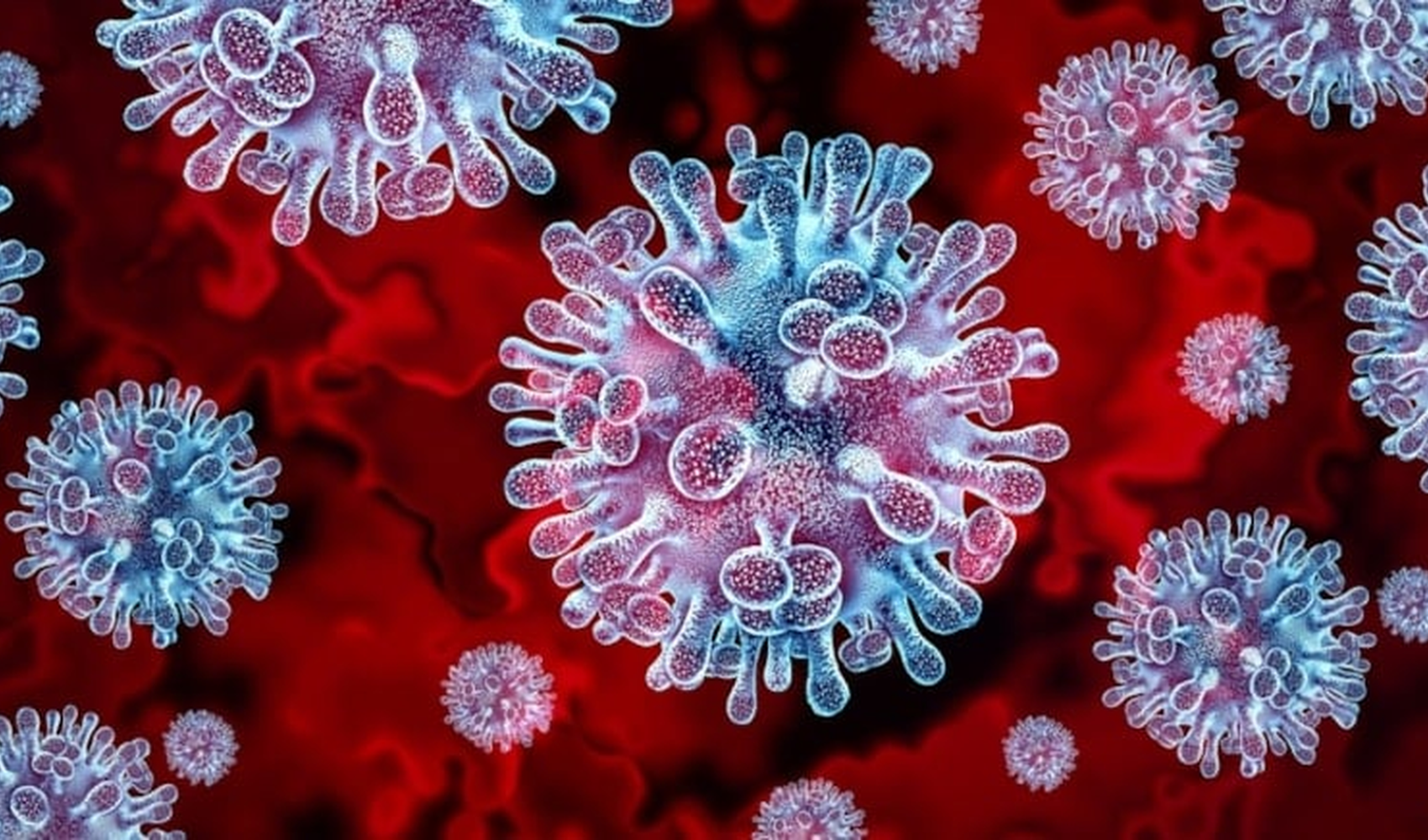
The H3N2 virus, a new strain of influenza, has begun to spread rapidly in countries such as Japan, Australia, and the United Kingdom. In Japan, an epidemic has been declared nationwide due to rising case numbers, and schools have been closed. In Australia, the disease has reached record levels.
Health authorities in Europe have stated that the virus has undergone seven different mutations and that current vaccines are not effective. In the UK, the flu season has started early, and the public has been warned about potential deaths.
GREAT DANGER FOR THE ELDERLY AND CHILDREN
The H3N2 virus manifests with flu symptoms such as fever, cough, and runny nose. However, this mutated strain is more dangerous, especially for children and the elderly. Doctors state that due to the virus's new mutations, the immune system destroys the virus more slowly, and the disease follows a more severe course.
As was the case in 2017, symptoms such as shortness of breath and extreme dehydration following a high fever increase the life-threatening risk. This situation necessitates the hospitalization of patients.
MUTATIONS AND THE EFFECTS OF THE EPIDEMIC
One of the reasons the flu season is severe this year is that the virus has changed compared to last year. Dr. Giuseppe Aragona, in a statement to The Independent, said, "Children and the elderly, who were less affected in previous years, are increasing the severity of this year's epidemic." He also noted that people moving from cold air into warm, enclosed spaces is accelerating the spread of the epidemic.
Experts report that seven new mutations developed during the summer months and that global warming is triggering this situation. The fact that the weather is cold enough to lower immunity but not cold enough to freeze the viruses is increasing mutations and the epidemic.
HOSPITAL BURDEN MAY INCREASE
Dr. Aragona stated that the elderly and those with underlying health conditions are at risk, and that rising flu cases could put pressure on hospitals. However, he added that there is no need for panic, but that caution is necessary. Vaccination and early diagnosis stand out as the most effective ways to protect against the epidemic. Experts emphasize that healthy nutrition is also important in reducing the risk of illness.
News Source: 12punto