

New approaches in ALS treatment: Gene therapies and rehabilitation offer hope
Neurologist Dr. Celal Salçini stated that new drugs and advanced treatment studies in ALS are significant for quality of life.



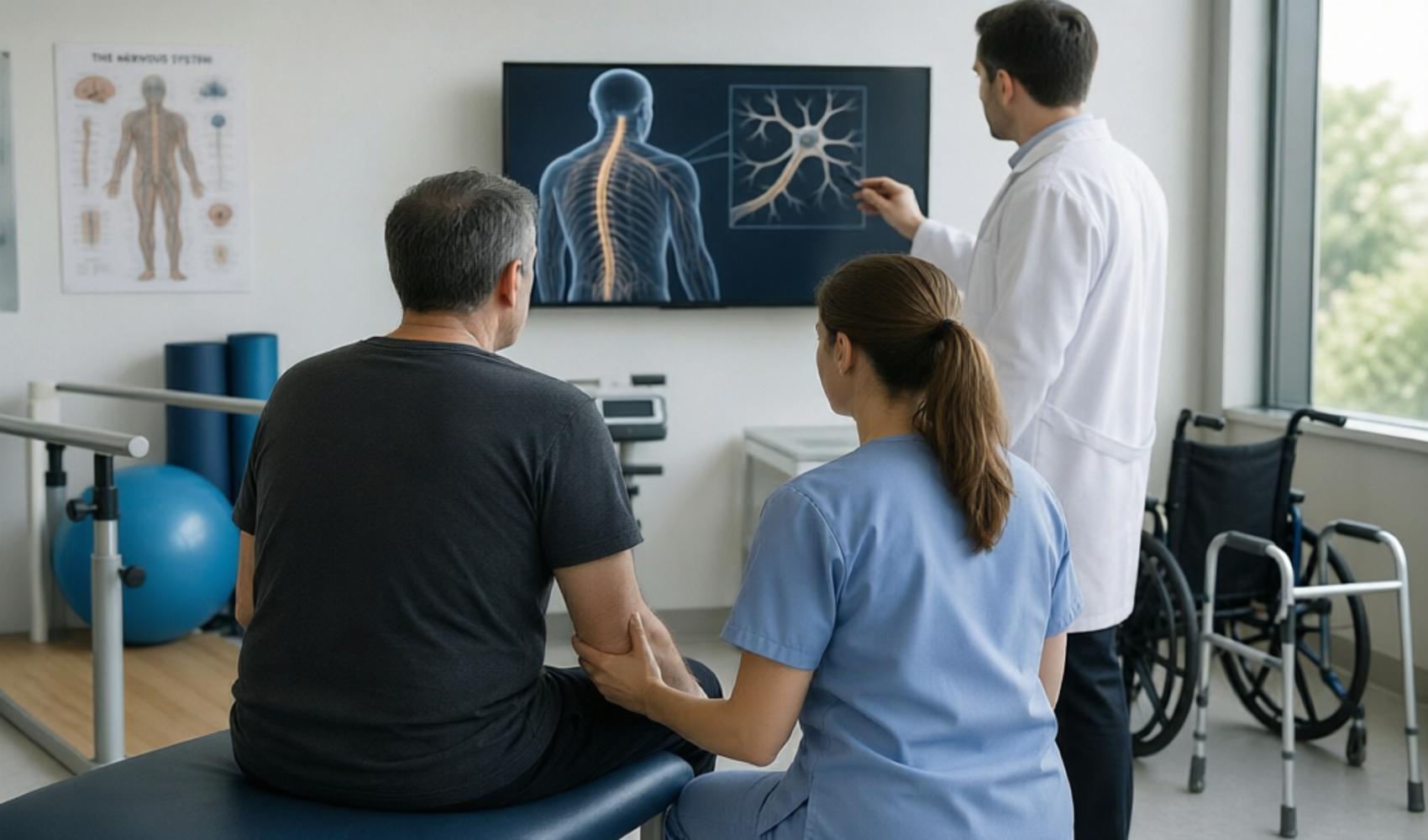
In recent years, ALS treatment has moved beyond approaches focused solely on controlling symptoms, with significant studies being conducted on therapies aimed at slowing the progression of the disease. Üsküdar University NPISTANBUL Hospital Neurologist Dr. Celal Salçini stated that new drugs, genetically based therapies, and rehabilitation practices are important for patients' life expectancy and quality of life.
Dr. Salçini noted that there are four FDA-approved drugs for ALS treatment, explaining that while some drugs aim to slow the progression of the disease, others are used to manage symptoms that accompany it. Stating that some drugs developed specifically for ALS linked to the SOD1 gene mutation can reduce neurodegeneration markers, Salçini said that progress in this field has accelerated with a better understanding of the genetic and molecular mechanisms of the disease.
Among advanced treatment options, neuromodulation techniques, gene therapies, and stem cell treatments hold great potential.
According to Salçini, neuromodulation techniques, gene therapies, and stem cell treatments stand out among advanced treatment options. Noting that neuromodulation approaches such as focused ultrasound are being evaluated in clinical trials aimed at reducing hyperexcitability in nerve cells and supporting motor function, Salçini recorded that in gene therapies, gene mutations such as SOD1, FUS, and Ataxin-2 are being targeted.
THE IMPORTANCE OF MULTIDISCIPLINARY CARE
Emphasizing that the difficulties ALS patients face during the treatment process regarding respiration, nutrition, movement, and communication can be mitigated through a multidisciplinary approach, Salçini stated that non-invasive ventilation and cough assist devices play a critical role in respiratory management. Assistive communication devices are also among the important supports for patients experiencing speech and communication difficulties.
Stating that muscle cramps, spasticity, and pain can be managed with medication and physical therapy practices, Salçini conveyed that dietitian support and methods such as PEG tubes can be considered in cases of swallowing difficulties and nutritional problems. It was noted that psychological support, counseling, and support groups for patients and caregivers are also an important part of the process.
Saying that physiotherapy and rehabilitation play a fundamental role in maintaining mobility in ALS patients, Salçini stated that stretching and range-of-motion exercises help prevent contractures, while low-intensity strength training can support the preservation of muscle mass. Assistive devices such as canes, walkers, and wheelchairs, as well as home modifications, are also important for the safety and independence of patients.
News Source: 12punto
Most Read

Increased rates for mandatory traffic insurance have begun

Name change notice sent to Yeni Parti

Message from Fenerbahçe players to İsmail Kartal

Unexpected crisis in Yeni Parti before the convention

New statement from Bülent Arınç regarding his controversial criticism of Melih Gökçek

Trump announces 'Russia and Ukraine have reached an agreement'

Male body found inside the walls in Fatih

The judiciary has said Stop to the unlawful demolition at Denizatı Kent Site
Şamil Tayyar warned AKP about that province
New call from Öcalan for the resolution process