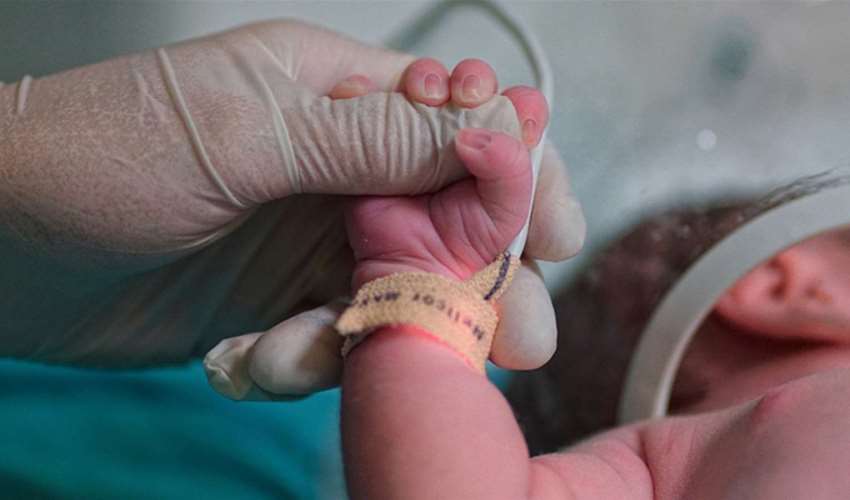
It was stated that an estimated 13.4 million babies were born prematurely worldwide in 2020, which corresponds to approximately 1 in 10 of all live births.
PREMATURE INFANT CARE NEEDS TO BE STRENGTHENED
A study on preterm births has been published by authors from the World Health Organization (WHO), the UN Children's Fund (UNICEF), and the London School of Hygiene & Tropical Medicine. The report stated, "An estimated 13.4 million babies were born early (before 37 full weeks of pregnancy) in 2020. This corresponds to approximately 1 in 10 of all live births." Noting that preterm birth is the leading cause of death in children during their first years of life, the report emphasized an urgent need to strengthen care for premature infants to increase survival rates during childhood. It was stated that those born early have a higher probability of developing serious illnesses, disabilities, and developmental delays in adulthood, as well as chronic conditions such as diabetes and heart failure. The report noted, "There has been no significant reduction in preterm birth rates in any region of the world over the last decade. Between 2010 and 2020, the annual global reduction rate in preterm births was only 0.14 percent."
MALNUTRITION CONTRIBUTES
The report, which stated that the published estimates and trends regarding preterm births between 2010 and 2020 reveal major inequalities between countries and regions, included the statement: "In 2020, approximately 65 percent of preterm births occurred in Sub-Saharan Africa and Southern Asia. More than 13 percent of babies were born early there." The report explained that preterm birth is not a problem seen only in low- and middle-income countries and that this situation affects families everywhere in the world. While preterm birth rates were 11.6 percent in Greece and 10 percent in the USA, these statistics were seen at rates of 10 percent or higher in some high-income countries. Poor maternal health and malnutrition also contribute to high preterm birth rates.
"THEY HAVE SPECIAL CARE NEEDS"
Anshu Banerjee, Director of the WHO Department of Maternal, Newborn, Child and Adolescent Health, whose views were included in the report, assessed, "Preterm babies are particularly vulnerable to life-threatening health complications, and they also need special care and attention." Emphasizing that the figures regarding preterm births show an urgent need for investment in existing services to support premature babies and their families, Banerjee pointed out that there should be a focus on access to quality healthcare, especially before and during pregnancy.
News Source: AA