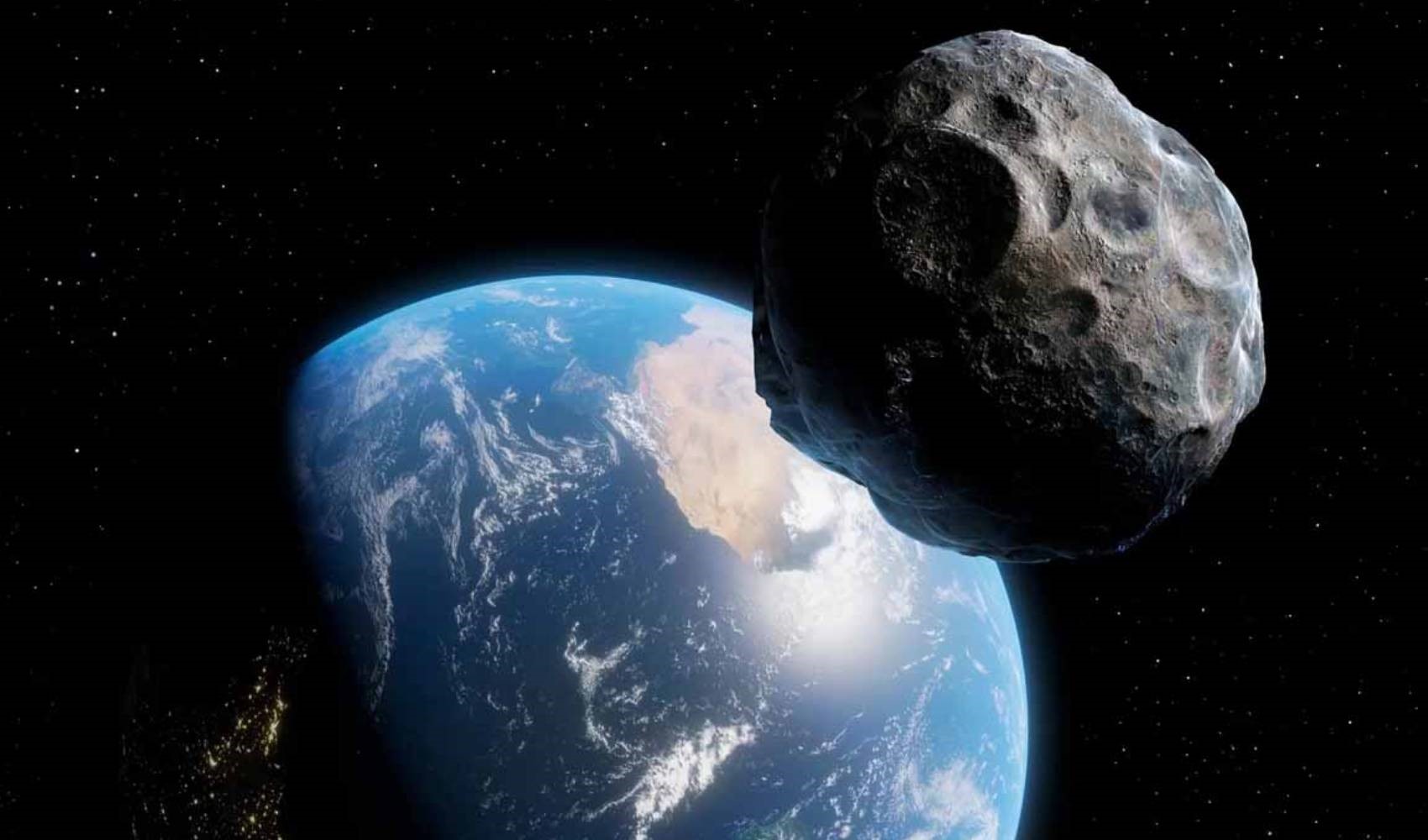
Research by planetary scientist Teddy Kareta of the Lowell Observatory and his team, published in The Astrophysical Journal Letters, reveals that small fragments that broke off from the Moon are circulating in Earth's orbit and forming a new population of moons called "mini-moons."
In a study conducted by a team of South African astronomers in August 2024, an object coded 2024 PT5 was discovered and examined. It was determined that the mini-moon moves at a very low speed of only about 7.2 kilometers per hour. This speed is extremely low compared to asteroids, which can reach an average speed of 61,200 km per hour.
Planetary scientist Kareta stated at the 56th Lunar and Planetary Science Conference, "If it were a single example, it would be an interesting but exceptional case. But if there are two examples, we are quite confident that this is a population."
THE SECRET OF MINI-MOONS
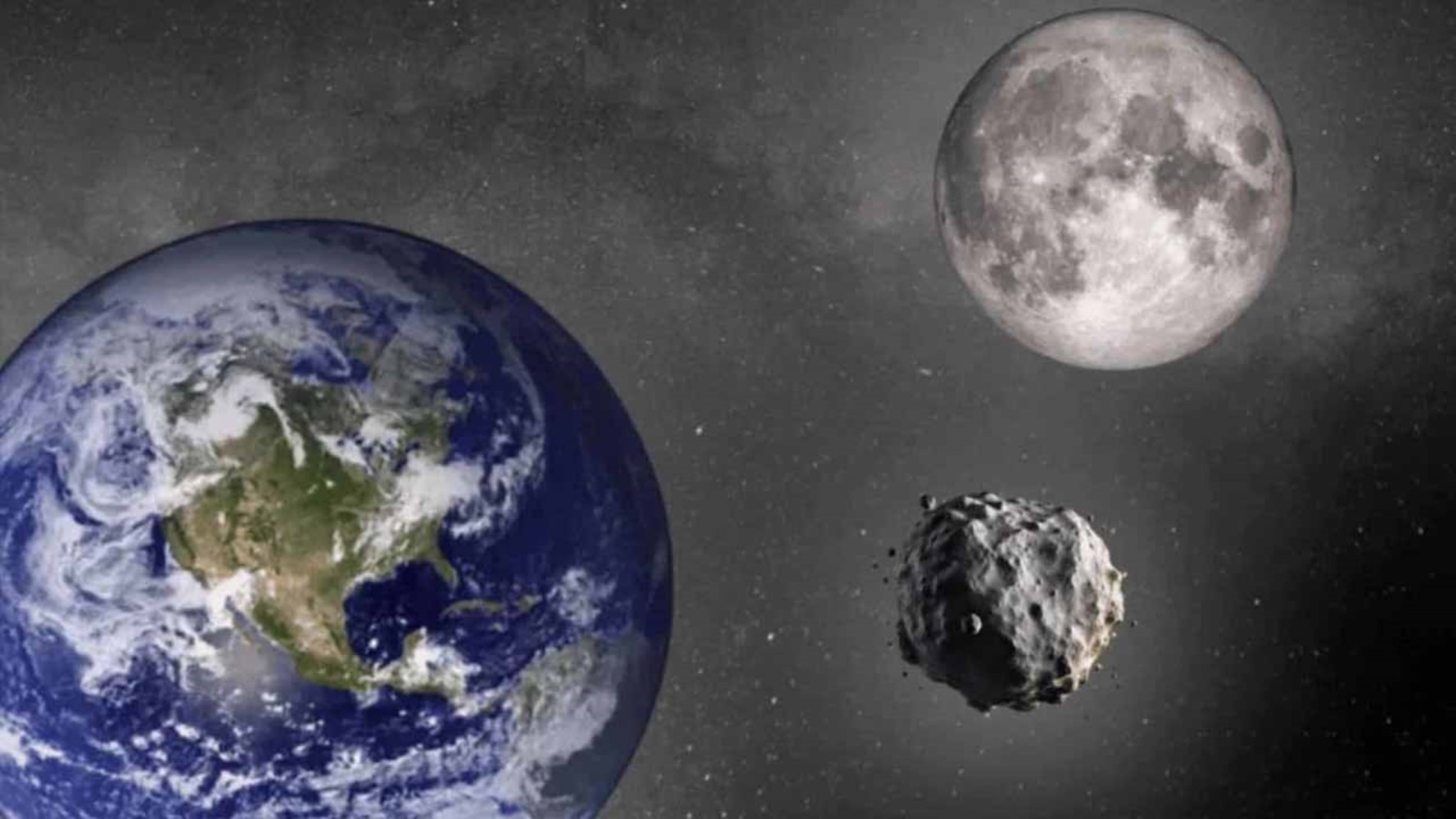
Researchers at the Lowell Observatory determined in their observations with the Lowell Discovery Telescope that 2024 PT5 is not an ordinary asteroid. The composition of the mini-moon shows similarities to rock samples brought to Earth during the Apollo program and samples collected during the Soviet Union's Luna 24 mission. Researchers also determined that 2024 PT5 is 8 to 12 meters in diameter.
2024 PT5 temporarily entered Earth's orbit like a car changing lanes and moved away again in September. Scientists predict the date of the next cosmic encounter will be in 2055.
WHERE DID THE MINI-MOONS COME FROM?
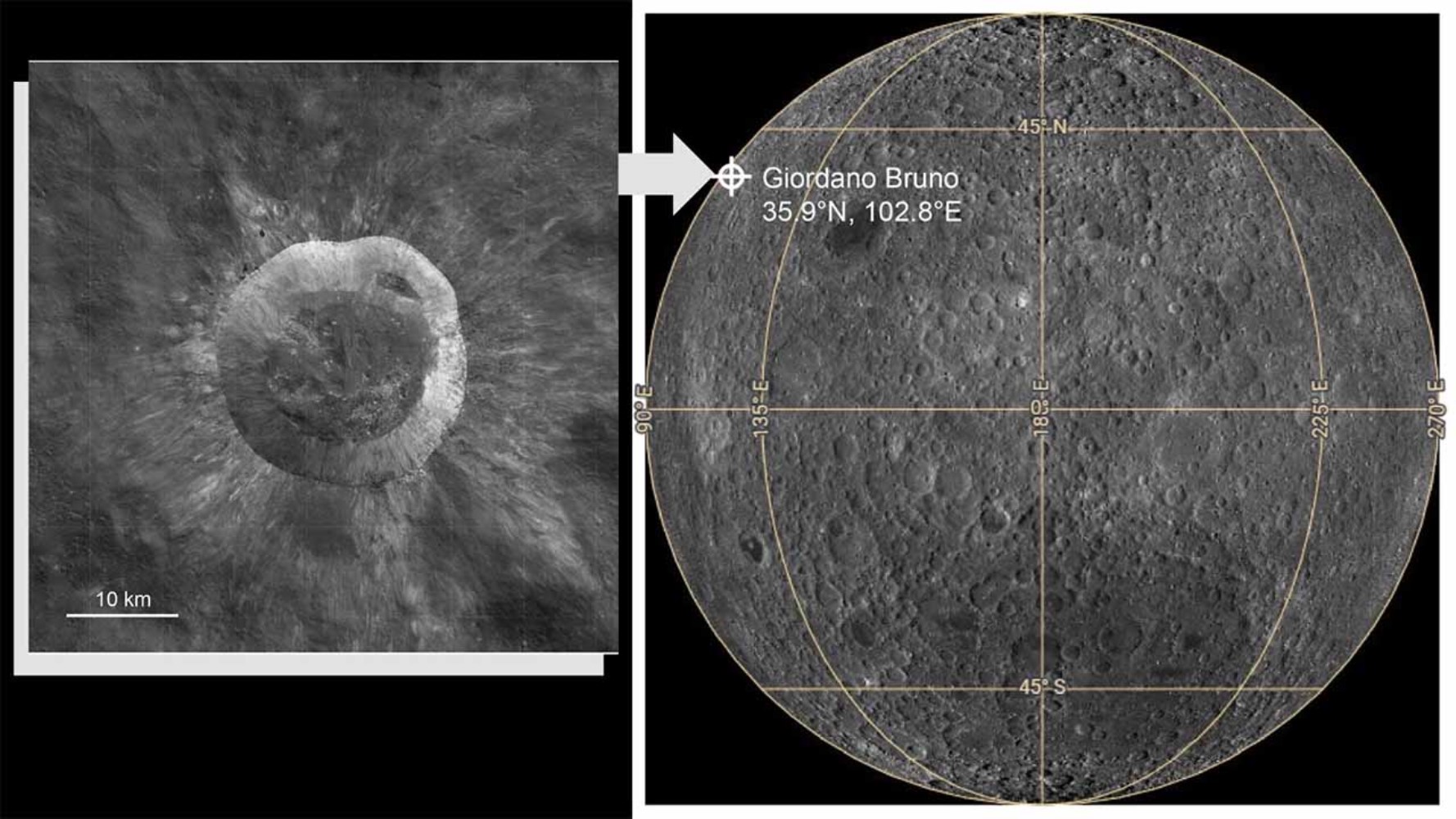
According to the findings of the research, it was stated that the mini-satellites were formed as a result of fragments that broke off and scattered due to collisions on the Moon. It is suggested that Kamo’oalewa may have originated from the collision that formed the 22-kilometer-wide Giordano Bruno crater on the far side of the Moon.
"This is like discovering a new type of evidence at a crime scene that you didn't know about before. It may not help you solve the crime immediately, but given the importance of the mission, new details to compare are always valuable."
The Vera Rubin Observatory will help uncover more of these faint objects through large-scale observation projects once it becomes operational in the future. Researchers believe that some objects previously classified as ordinary asteroids may actually be unnoticed mini-moons.
Source: Orbital Today
News Source: 12punto