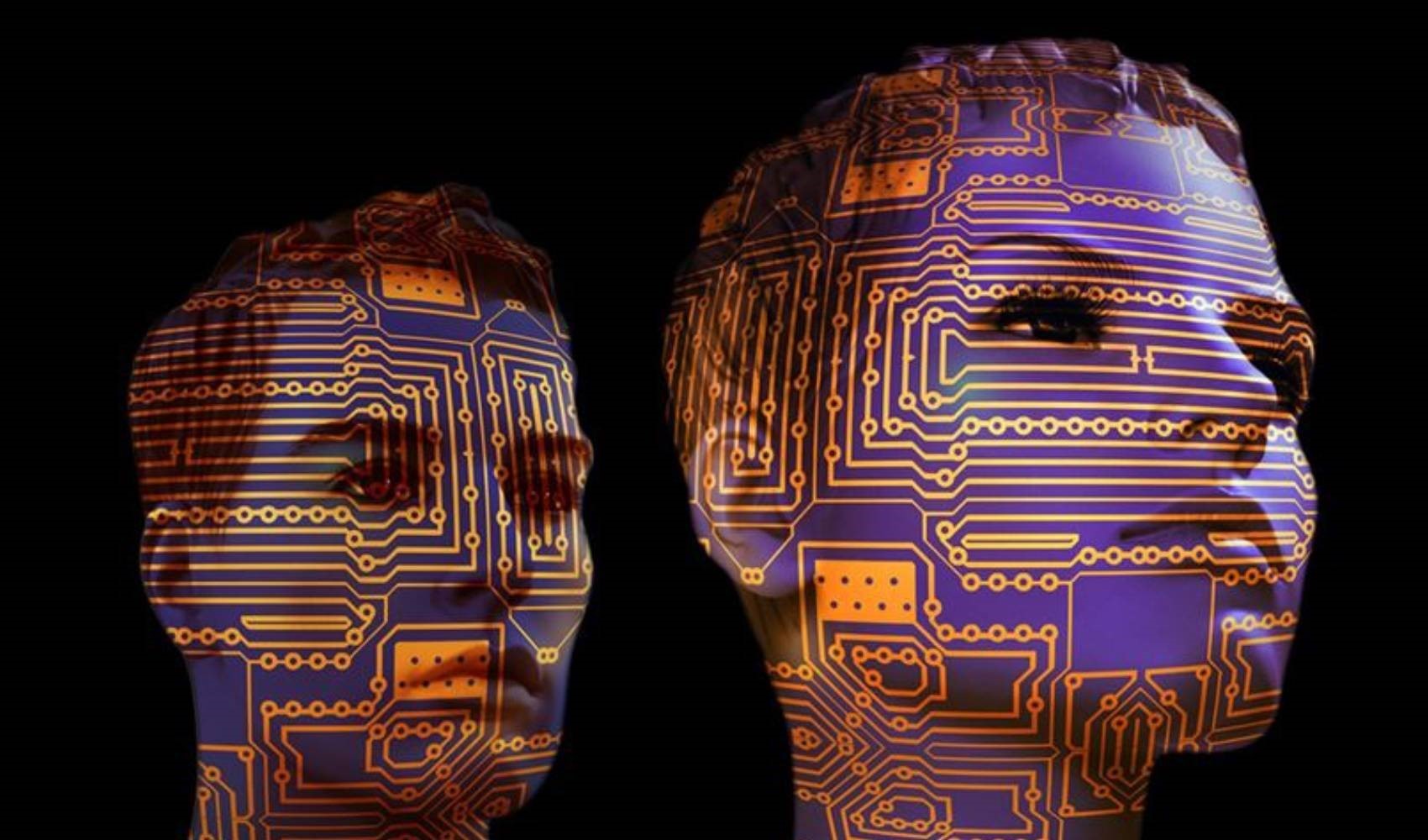
In recent years, AI-powered deepfake videos have moved beyond being limited to entertainment content and have turned into a serious security threat. These technological advancements are causing the risks that deepfake content can pose to be discussed more frequently.
Deepfake technology has now gone beyond the entertainment-focused filters used on social media. Thanks to deep learning algorithms, the facial expressions, gestures, and voice tones of real people can be copied almost perfectly. This turns the technology into an extremely risky tool for malicious actors.
HOW DO APPLICATIONS TURN INTO A DANGER?
Users generally view social media applications that age their faces, turn them into animals, or change them with various digital effects as a fun tool. However, the AI systems running in the background of these applications learn to create a personalized digital model by analyzing facial features, expressions, and speaking styles.
This individual data can be combined with advanced software to be turned into highly realistic deepfake videos. The resulting content has the potential to be used for many malicious purposes, ranging from blackmail and fraud to political manipulation.
'IT MIMICS REALISTICALLY'
One of the defense methods developed against deepfake technology was based on the absence of pulse beats in fake videos. However, this approach is now losing its validity.
Prof. Dr. Peter Eisert from Humboldt University of Berlin stated in a recent announcement, 'New generation deepfake videos mimic the natural changes in heart rate and facial color quite realistically. This situation makes it even more difficult to detect fake content.'
News Source: 12punto