In the study published in the journal Current Biology, speakers were placed around water sources in Kruger to play the sounds of humans and various predators, such as lions, to animals coming to drink, while their reactions were recorded.
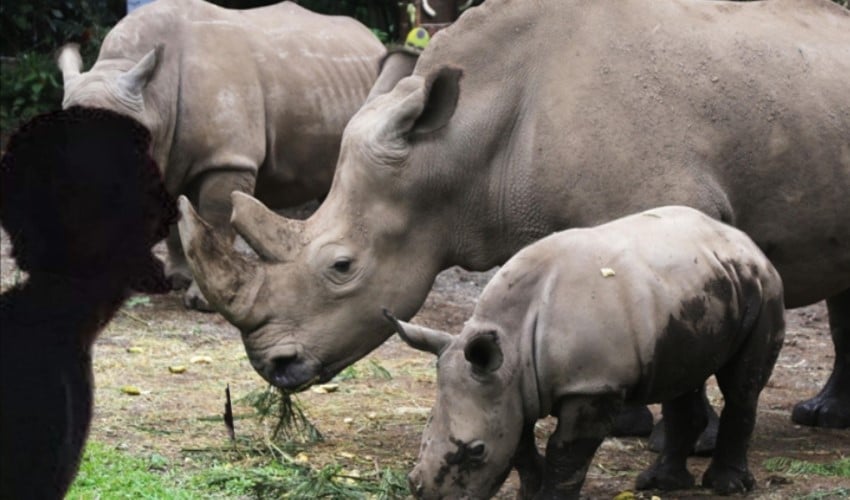
According to the results of the study, the vast majority of mammals, including Africa's largest animals such as elephants and rhinoceroses, panicked and abandoned the area when they heard human voices coming from the speakers.
The sounds of predators coming from the speakers caused significantly less panic in these animals.
ELEPHANTS, RHINOCEROSES, AND GIRAFFES PANICKED AND FLED UPON HEARING HUMAN VOICES
One of the researchers, Prof. Dr. Liana Zanette from the Faculty of Biology at Western University in Canada, shared some of the videos captured during the study on her YouTube channel.
In the videos, it can be seen that large-bodied mammals such as elephants, rhinoceroses, and giraffes panic and flee the environment when they hear human voices.
It is also noted that an elephant, upon hearing the sound of a predator, becomes aggressive and searches for the source of the sound to attack. Kruger National Park, which is home to lions, leopards, elephants, rhinoceroses, and buffalo species, is not only one of the leading safari destinations on the African continent but also one of the most popular destinations for poachers.
Poachers target various animals, primarily rhinoceroses, lions, and pangolins, for their bones and horns.
The bones and horns of the hunted animals are in high demand, particularly in Far Eastern countries, especially China, for the production of luxury jewelry and aphrodisiacs.
News Source: AA