Lake Van, known as the world's largest soda lake, has become the subject of an international scientific study linked to Mars research. Researchers, who collected samples from current microbialite formations in Lake Van, aim to compare the data obtained first with samples from Lake Salda and, in the future, with samples to be brought from Mars.
The project, supported by the Scientific Research Projects Coordination Unit of Van Yüzüncü Yıl University (Van YYÜ), is titled "Investigation of the Origin of Carbonate Nanospheres in Biofilms Developing on Current Microbialites in Lake Van (Eastern Anatolia)." Field studies were conducted at various points of the lake as part of the project.
The main focus of the study is the origin and formation mechanism of carbonate nanospheres found in the microbialites of Lake Van. Researchers will attempt to understand whether these structures are formed by biological processes, inorganic pathways, or a combination of both effects.
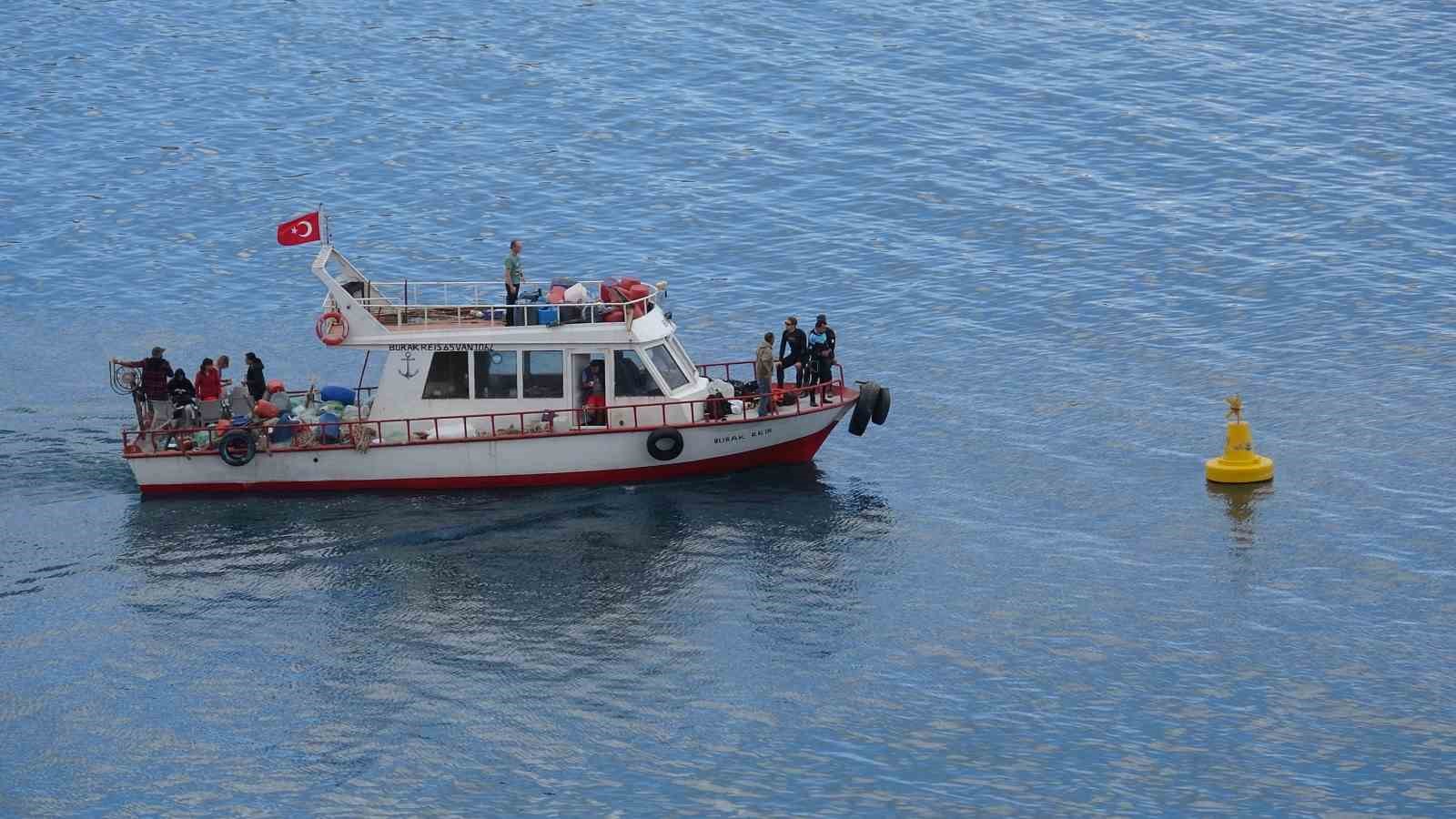
SAMPLES WILL BE COMPARED WITH SALDA AND MARS SPECIMENS
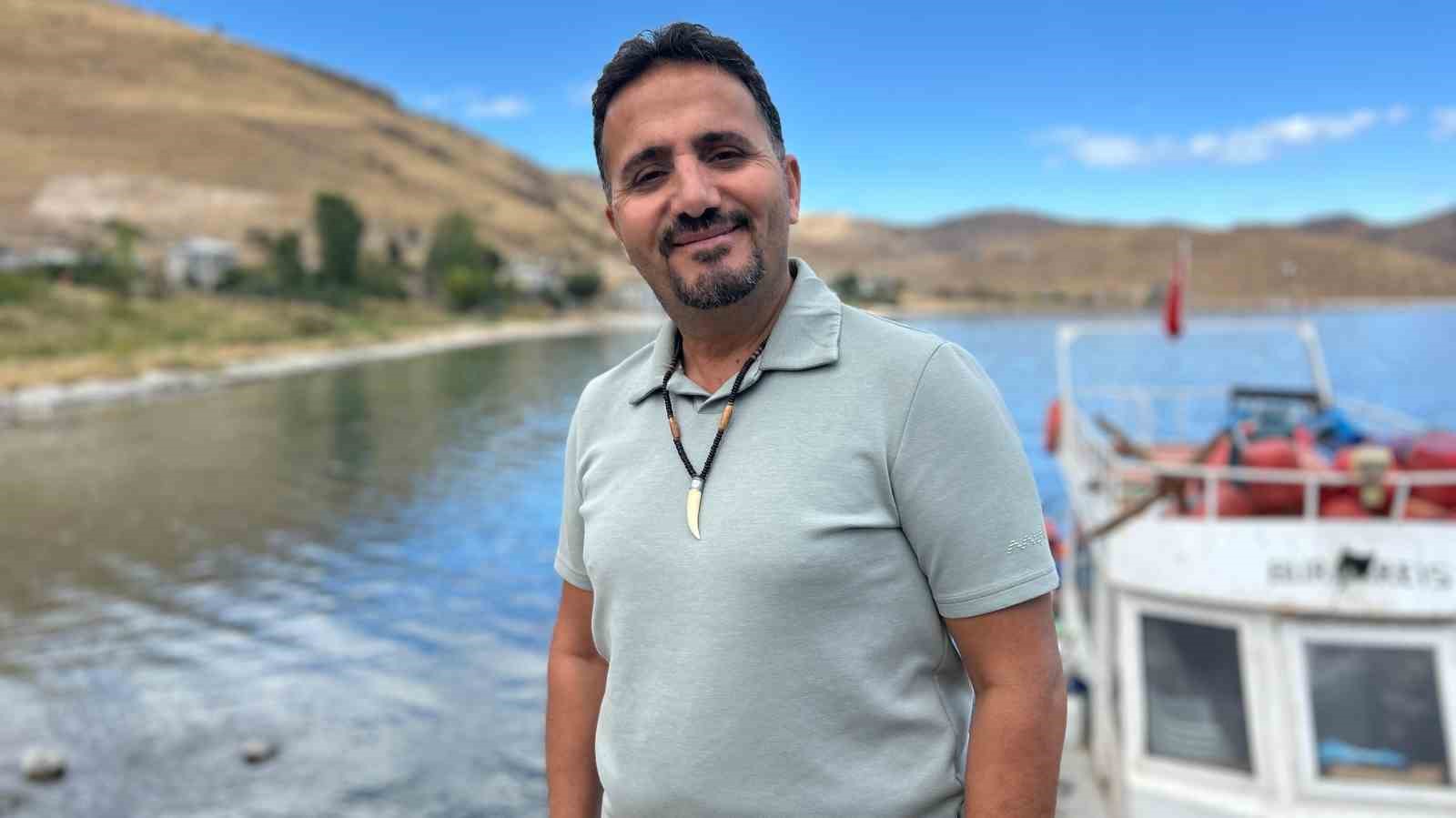
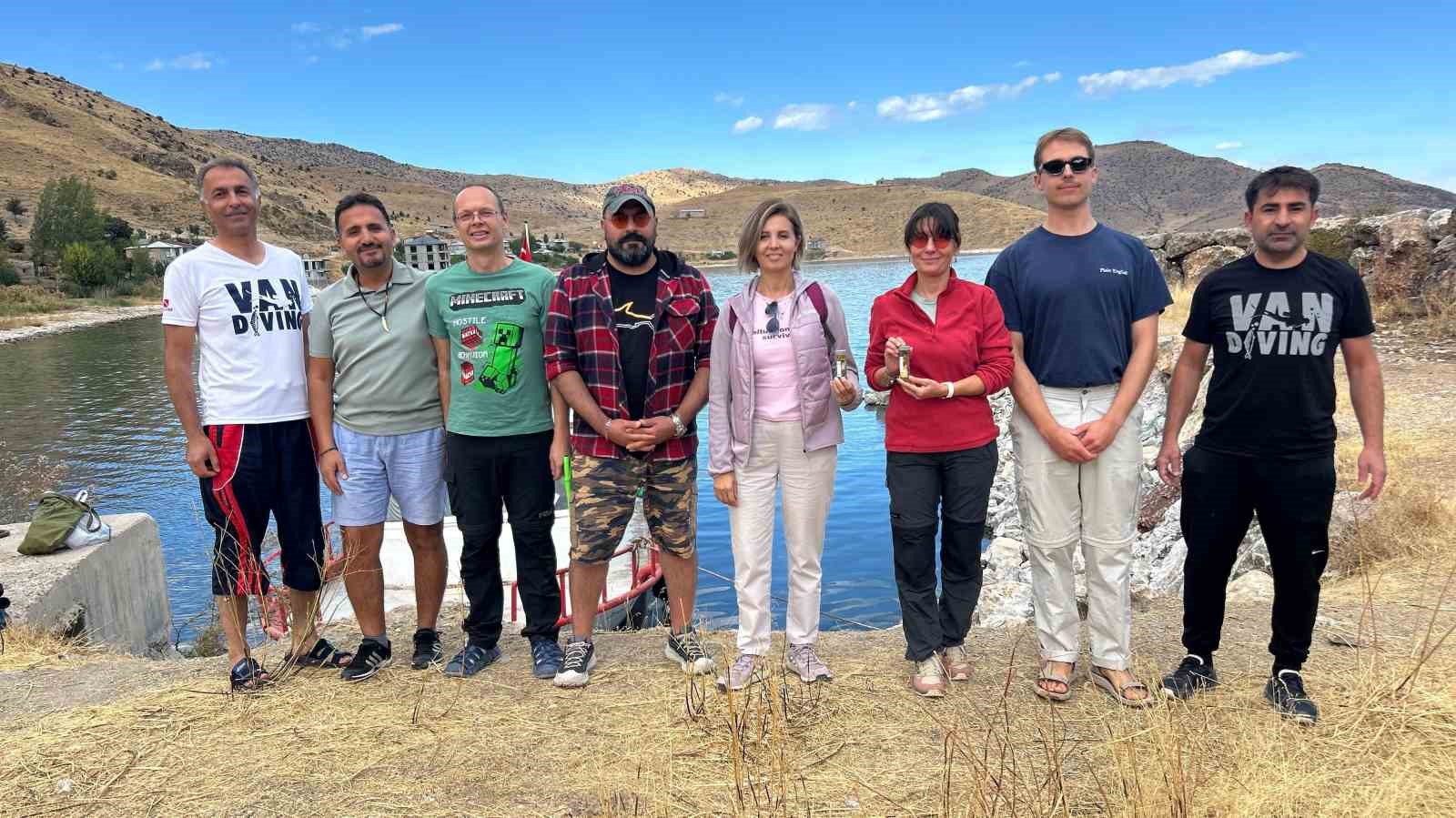
The project is led by Assoc. Prof. Dr. Çetin Yeşilova, a faculty member at the Department of Geological Engineering, Faculty of Engineering at Van YYÜ. The research team also includes Prof. Dr. Serkan Üner, Assoc. Prof. Dr. Pelin Güngör Yeşilova, Assoc. Prof. Dr. Ezher Tagliasacchi, and Dr. Lecturer Gürçay Kıvanç Akyıldız. The study is being conducted in collaboration with universities and research institutions in Italy, China, and Poland.
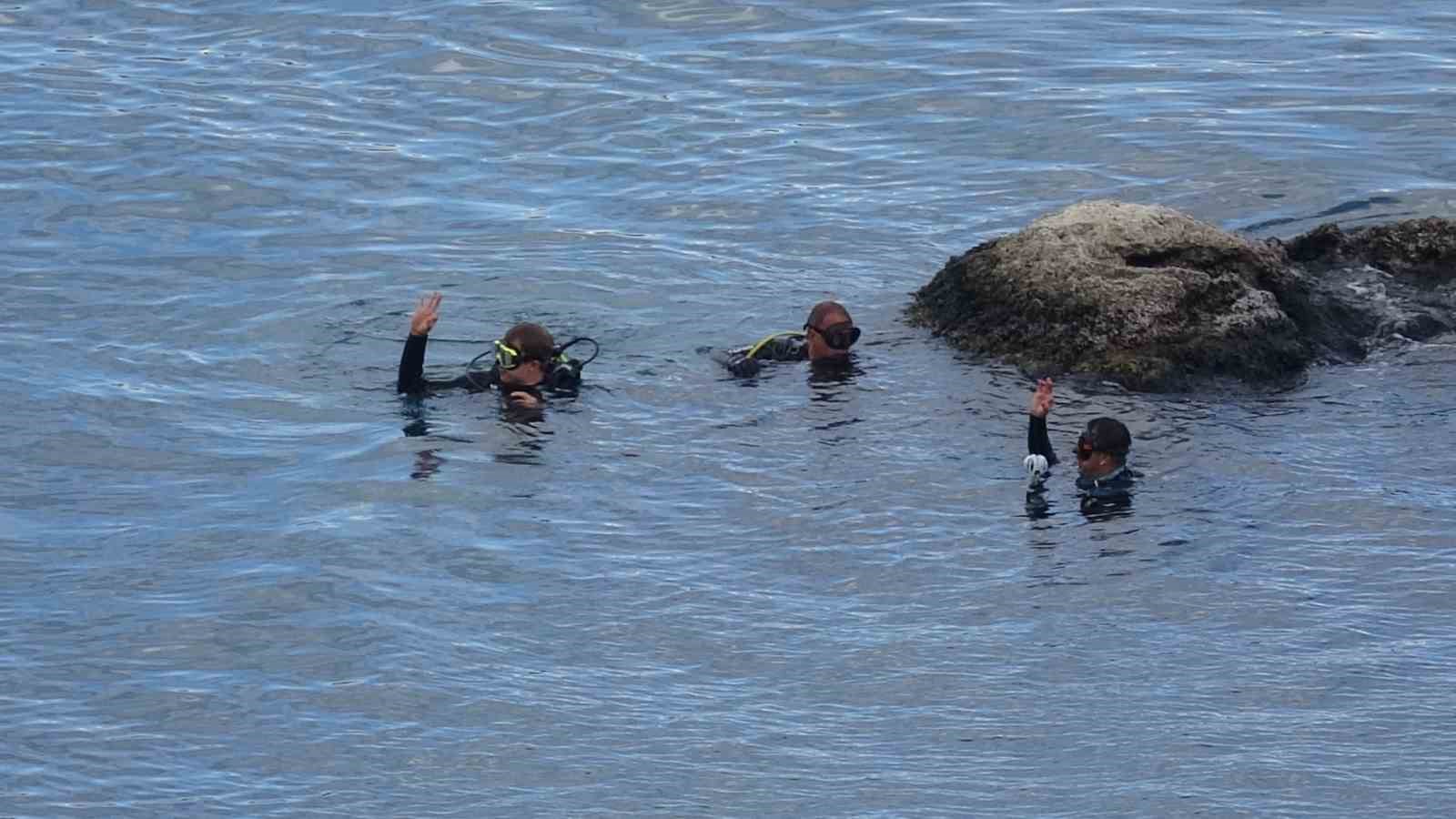
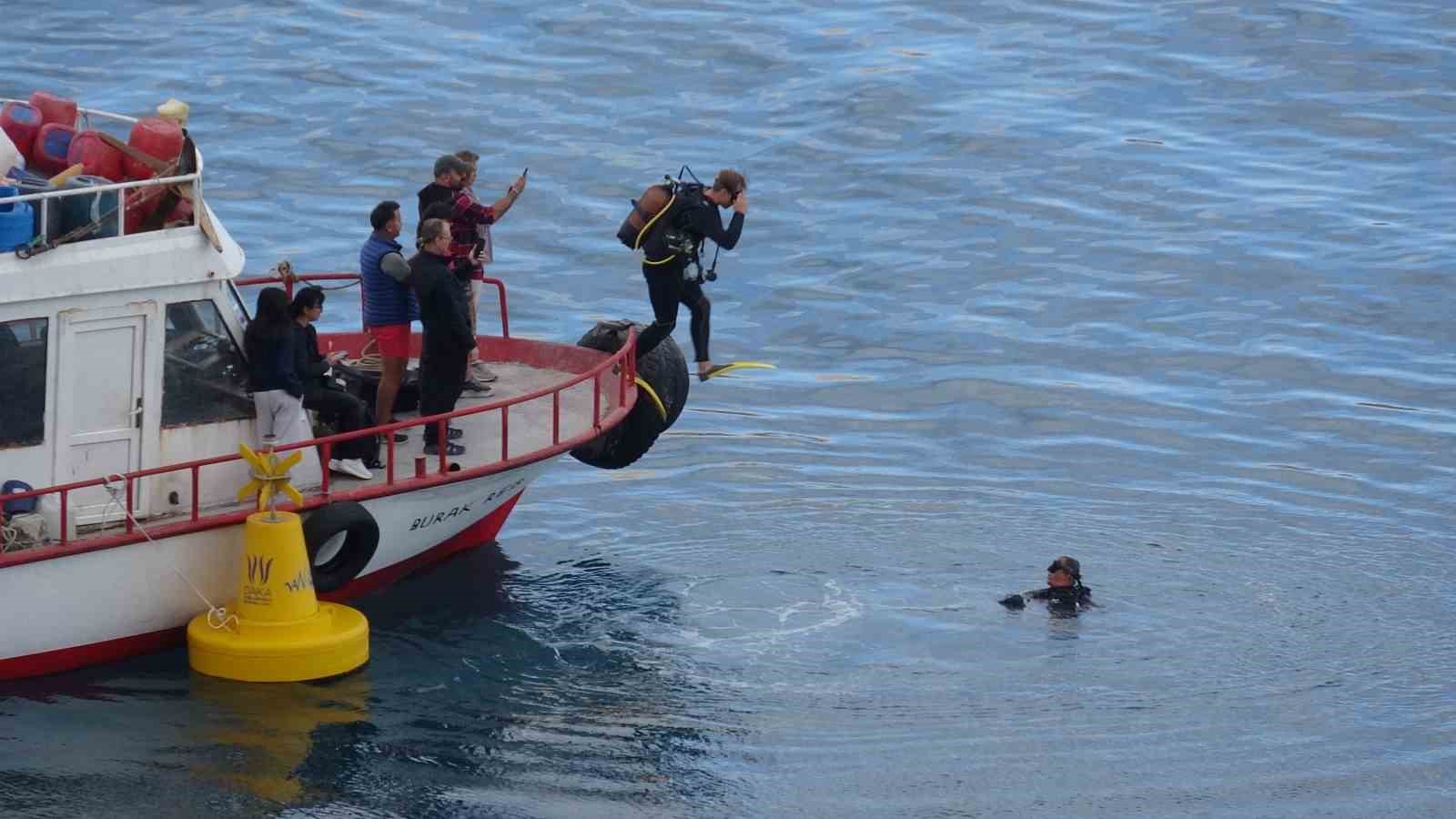
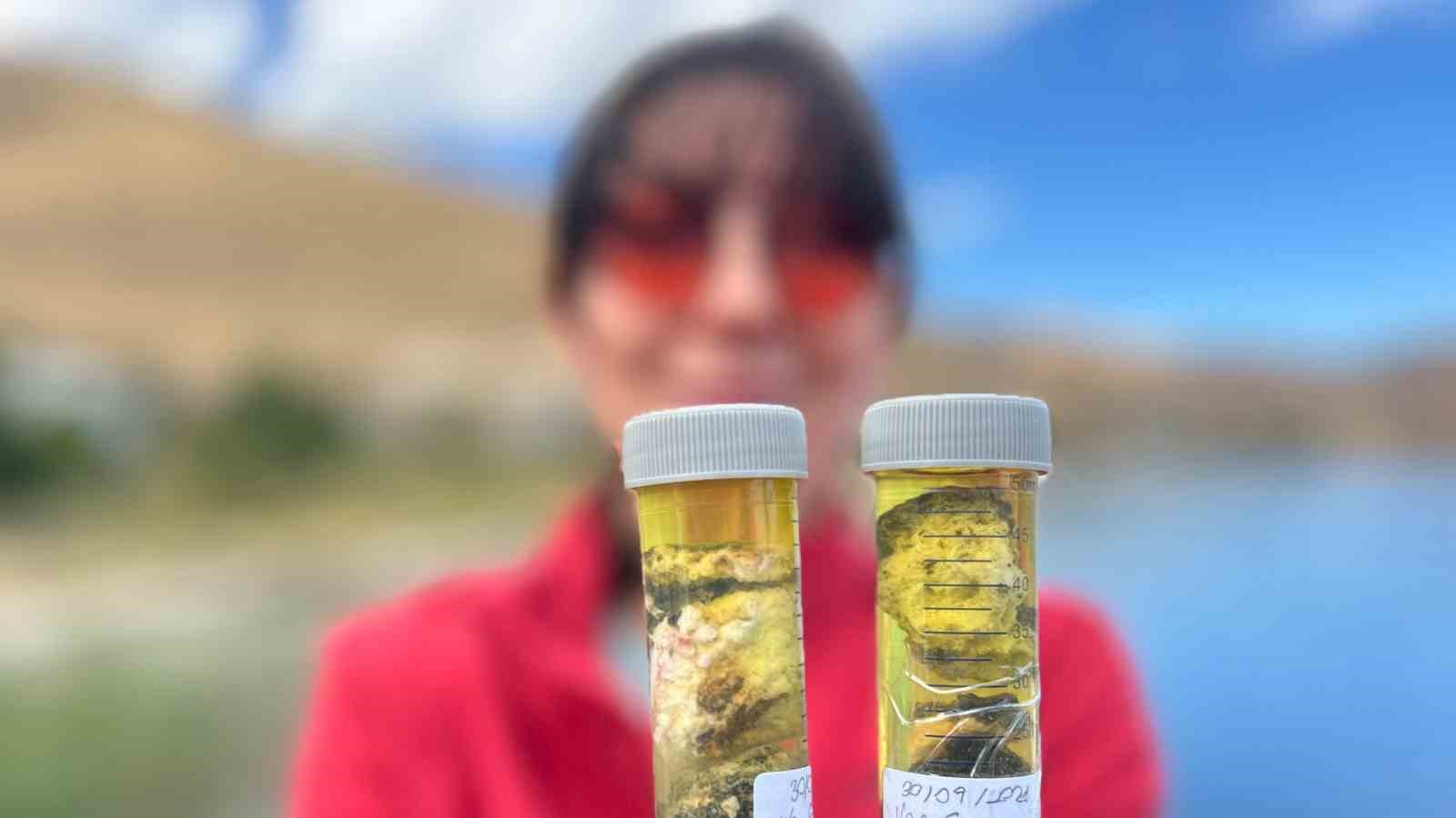
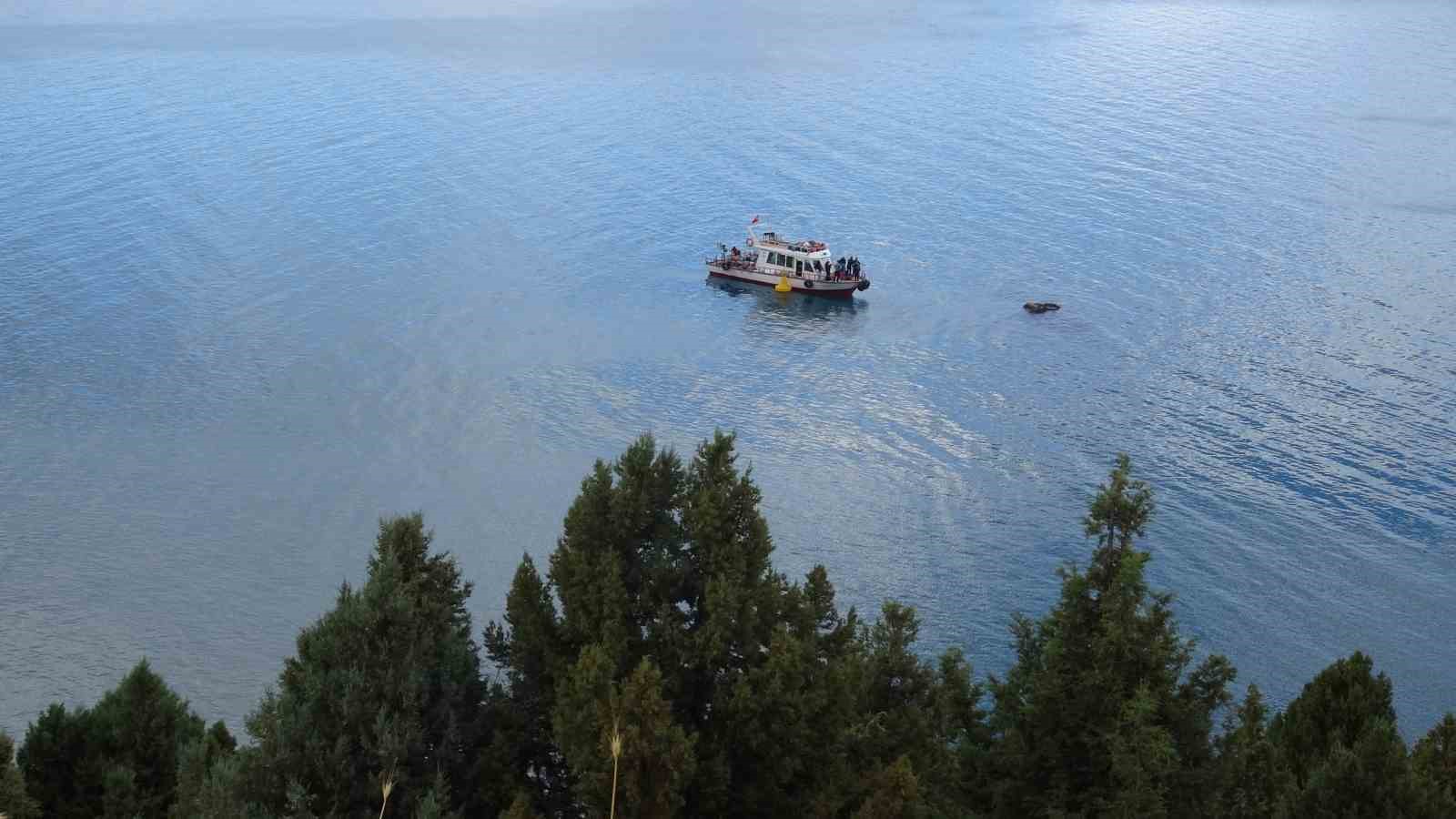
Yeşilova stated that during the field studies, they first took samples from areas near the shore that could be reached on foot, and then from deeper sections by boat. He expressed that the samples were placed in Falcon tubes and would be sent for laboratory analysis after being preserved under appropriate conditions with glutaraldehyde.
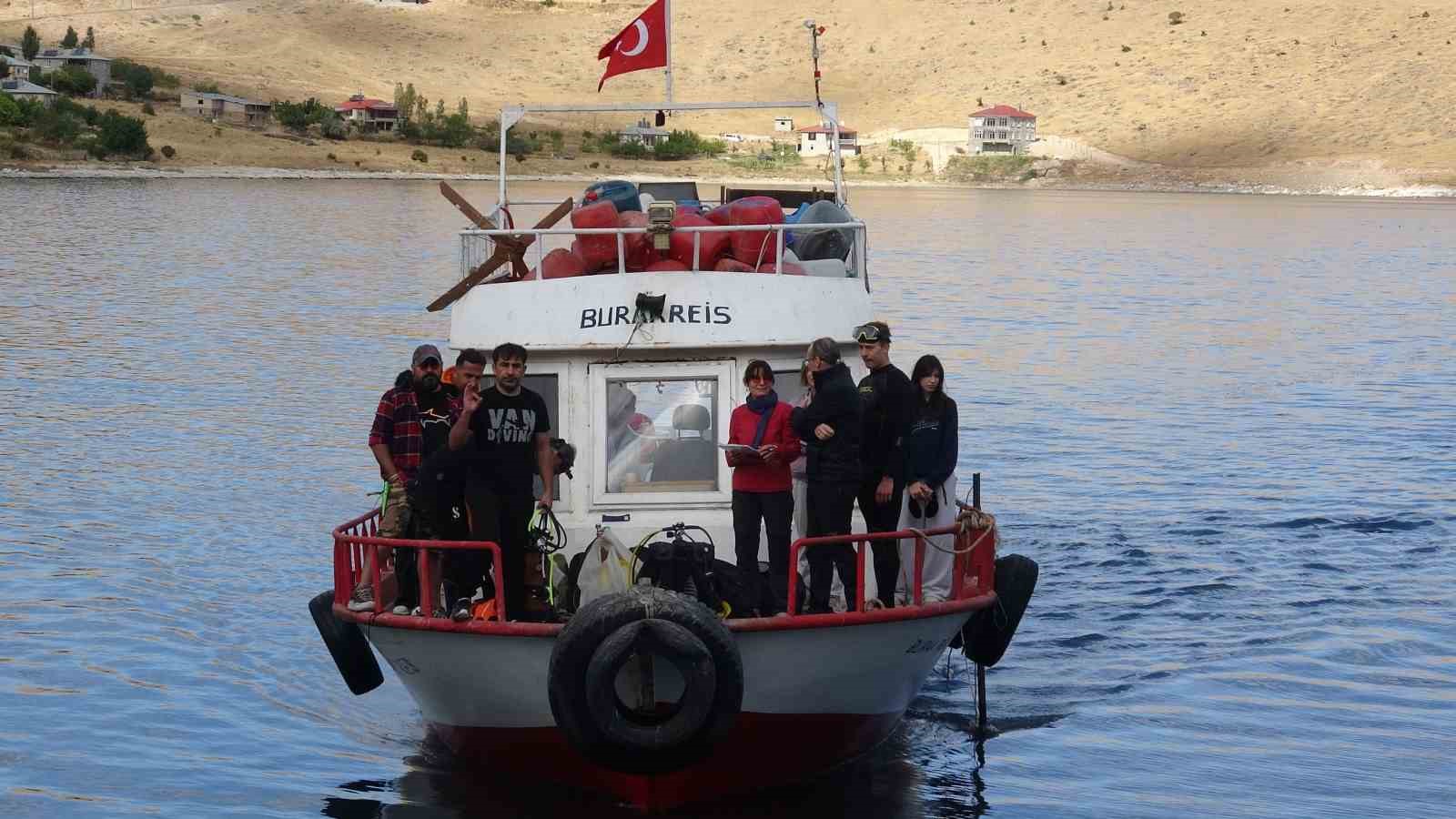
Yeşilova said that once the samples to be brought from Mars are made available to the scientific world after 2029, comparisons can be made with the data from Lake Van and Lake Salda. In the first stage, a correlation study will be conducted with the existing Lake Salda samples.
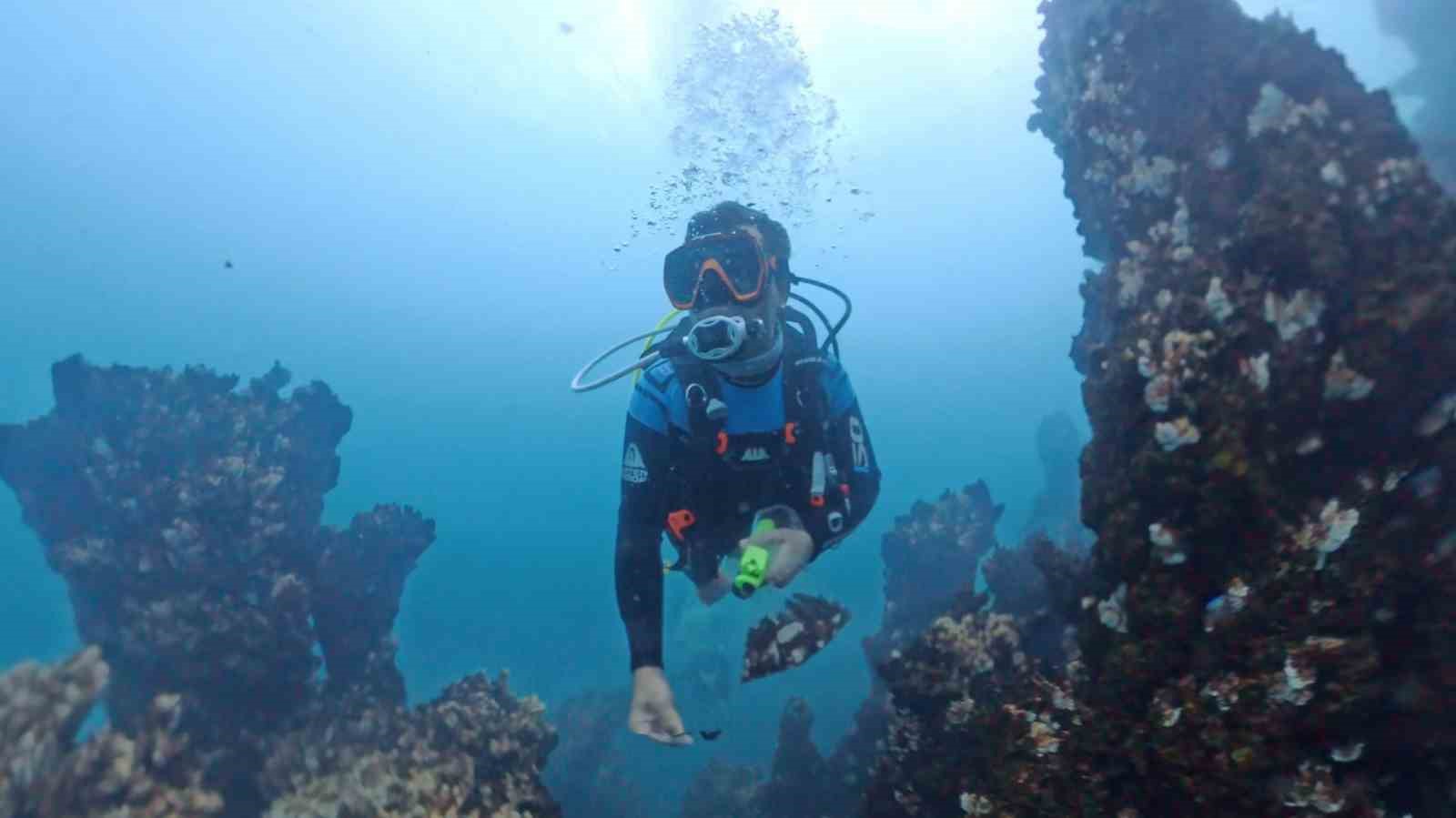
HIGH ALKALINITY IS SCIENTIFICALLY IMPORTANT
The fact that Lake Van has high alkalinity and a carbonate-rich water chemistry allows for the observation of active microbialite formations in the lake today. In this respect, the lake serves as a remarkable natural laboratory for microorganisms living in extreme conditions and mineral formation processes.
Assoc. Prof. Dr. Ezher Tagliasacchi, a faculty member at the Department of Geological Engineering, Faculty of Engineering at Pamukkale University, emphasized that the project is an international study that brings together scientists from different disciplines. According to Tagliasacchi, the different colored layers seen in the samples indicate different microbial communities.
Tagliasacchi explained that the white parts are carbonated sections, the pinkish-colored areas represent sulfur bacteria, the light green and band-shaped structures represent cyanobacteria, and the top layers represent algae. The samples will undergo detailed analysis in different countries.
Prof. Dr. Miroslaw Slowakiewicz, a faculty member at the Department of Geochemistry, Mineralogy and Petrology, Faculty of Geology at the University of Warsaw, Poland, also drew attention to the importance of comparing different natural environments for Mars research. Slowakiewicz stated that Lake Salda in Turkey is an important comparison area for the Jezero Crater on Mars, while Lake Van offers an extreme environment due to its pH value approaching 10.
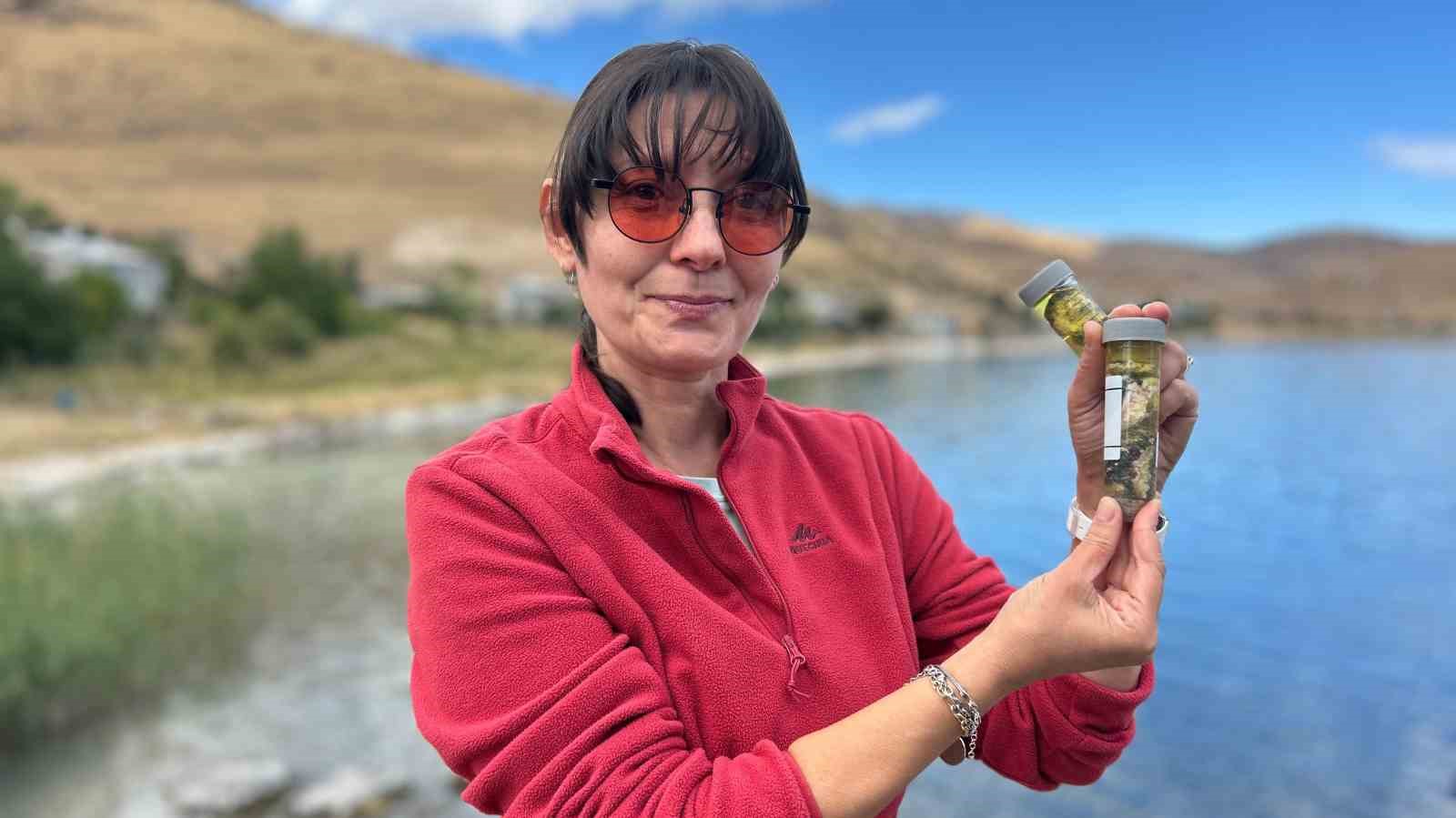
Slowakiewicz noted that calcium carbonate stands out in Lake Van, while hydromagnesite stands out in Lake Salda. Researchers expect that examining the microbialites under very high magnification will lead to a clearer understanding of the similarities and differences between these two environments.
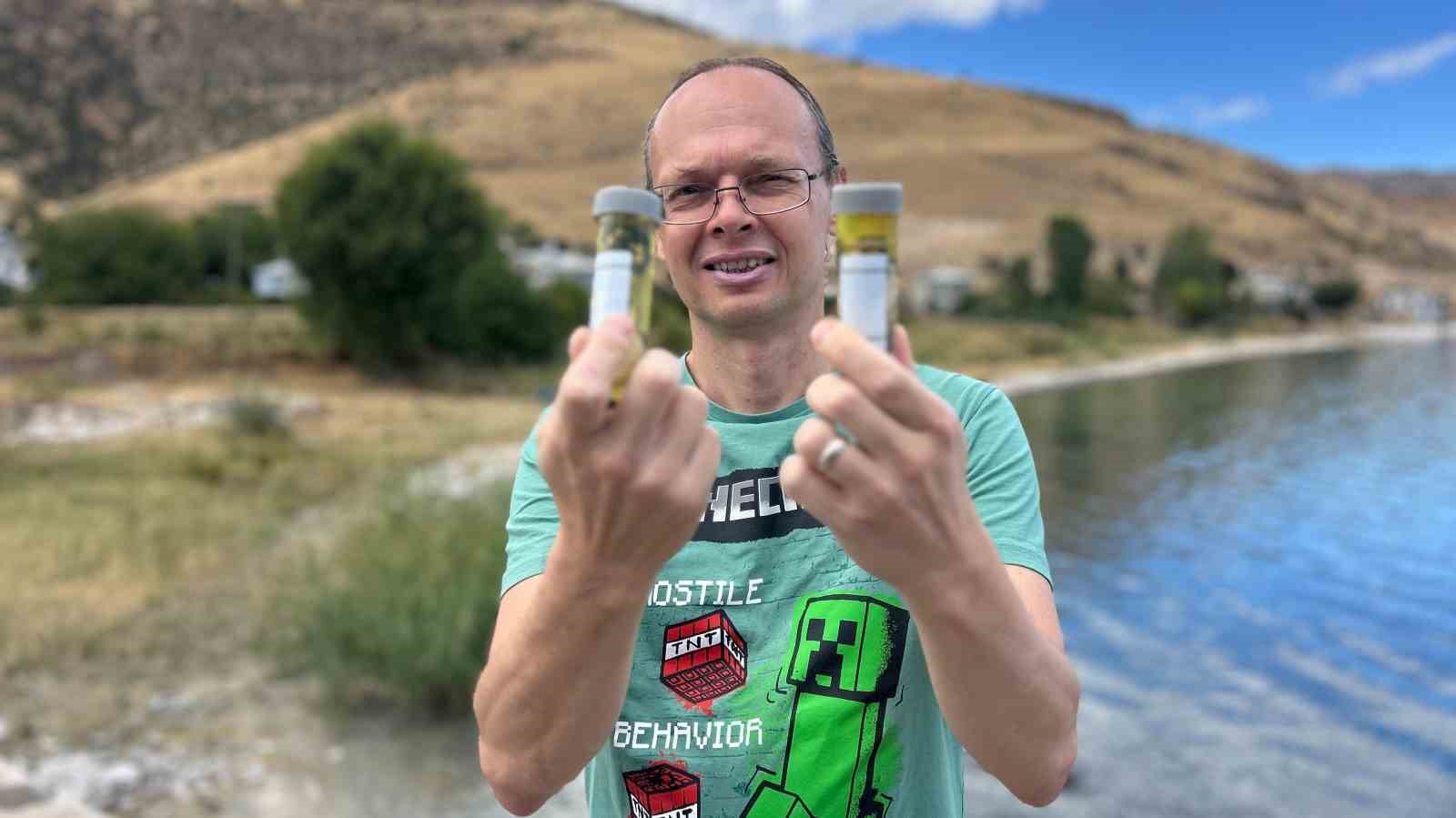
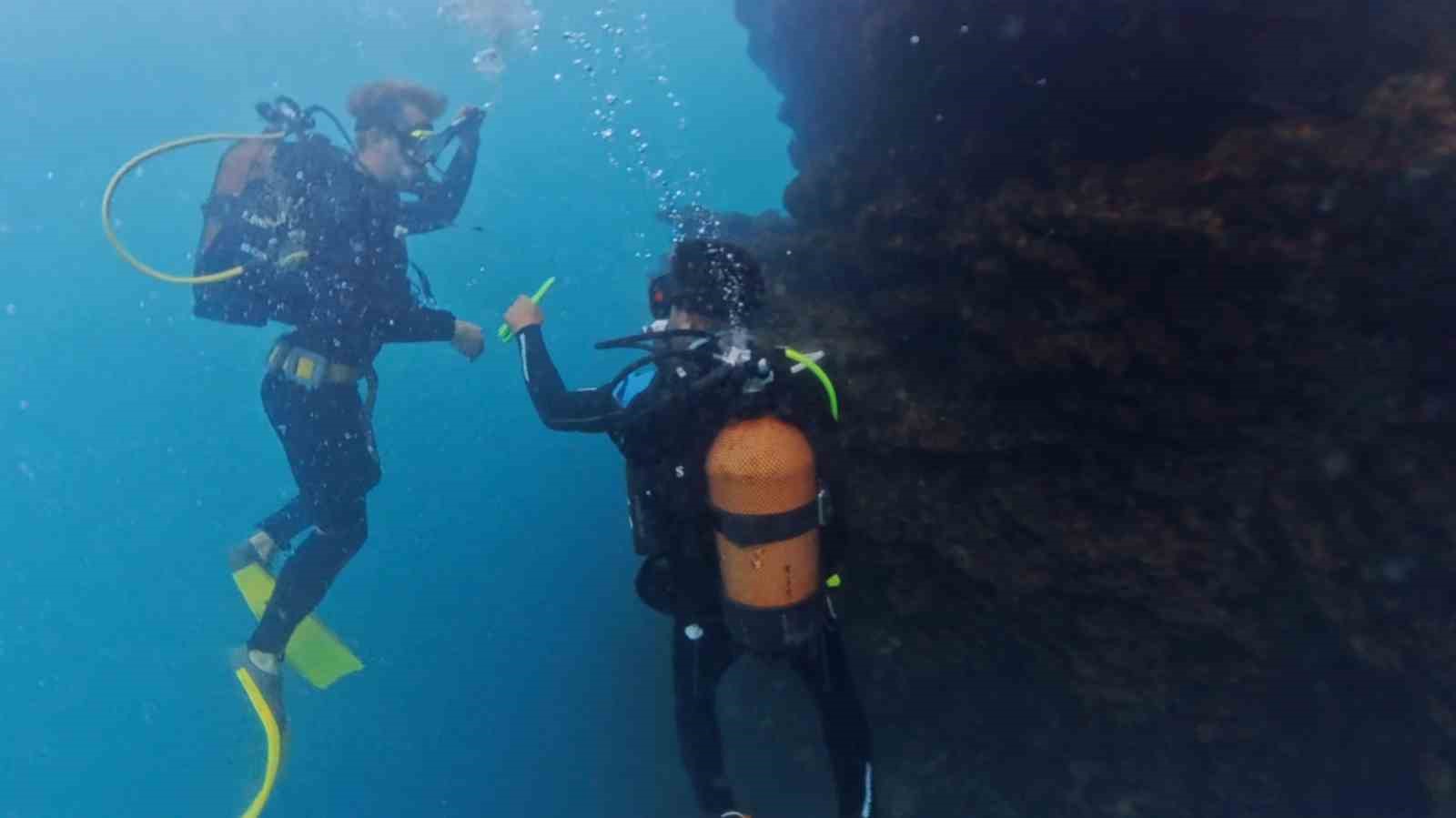
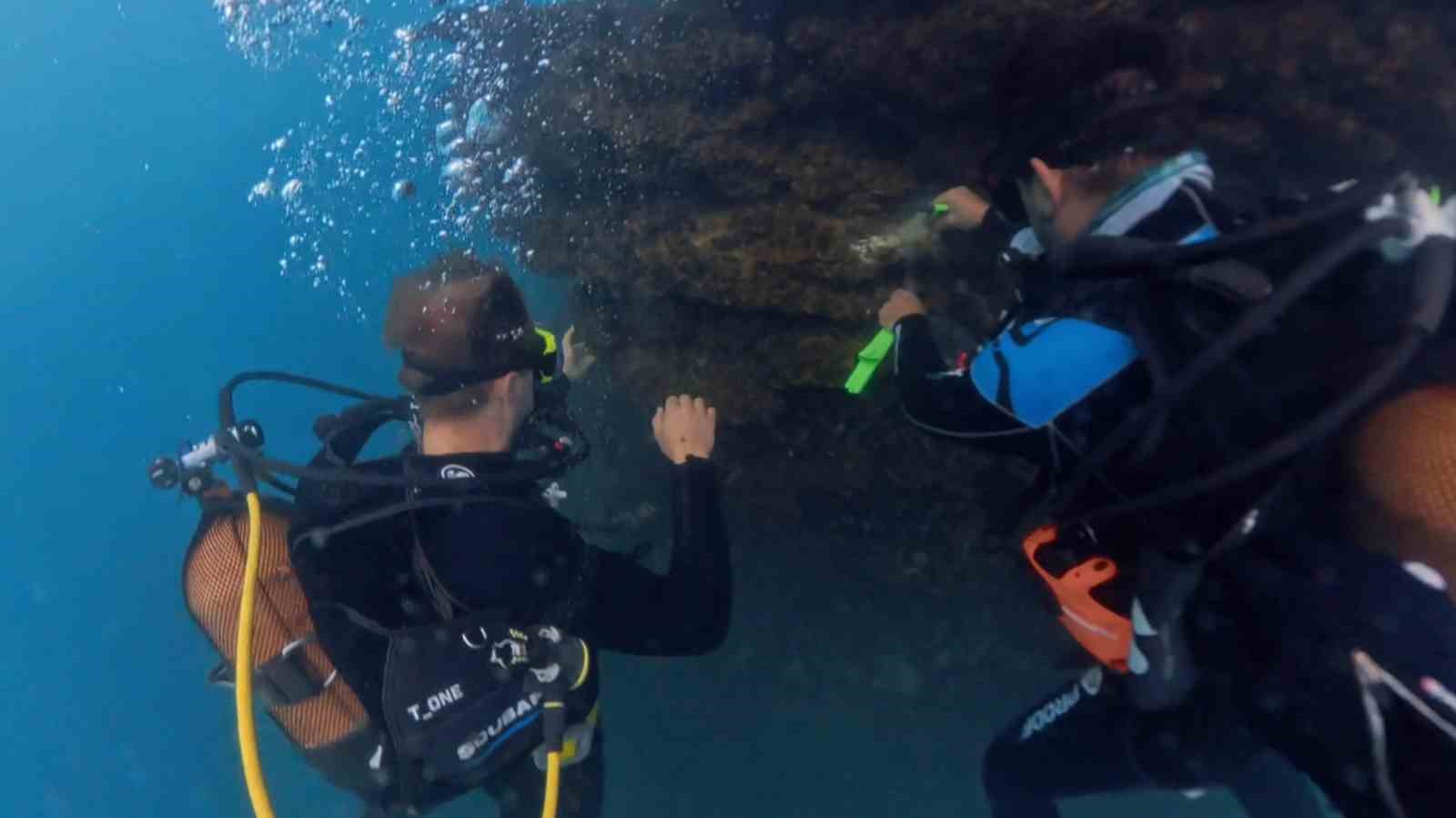
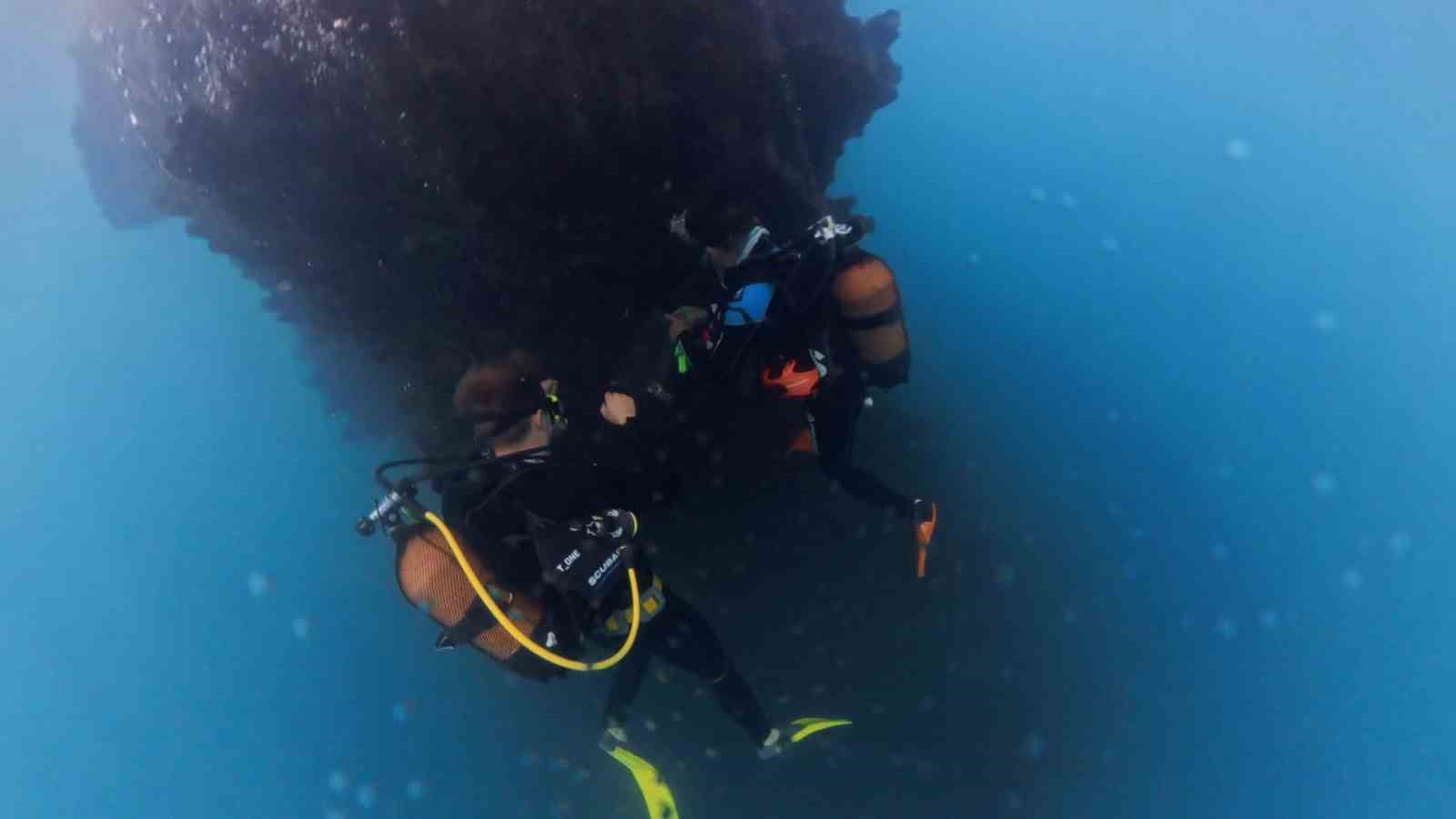
Bruno Garret from Poland also participated in the field studies. Garret supported the research by collecting samples from underwater microbialites with Diving Guide Serkan Ök on the shore of Altınsaç Neighborhood in Van's Gevaş district.
Scientists aim to obtain more detailed data on the formation processes of microbialites in Lake Van once the analyses are completed; and by evaluating this data together with samples from Lake Salda and those to be brought from Mars, they aim to contribute to planetary science and geomicrobiology studies.
News Source : 12punto