

Ankara's NATO message regarding the Mecca Defense Agreement: Not an alternative, but complementary
Regarding the agreement signed by Turkey, Saudi Arabia, and Pakistan, Ankara has emphasized that the move is not an alternative to NATO membership and will not automatically drag Turkish troops into crises.



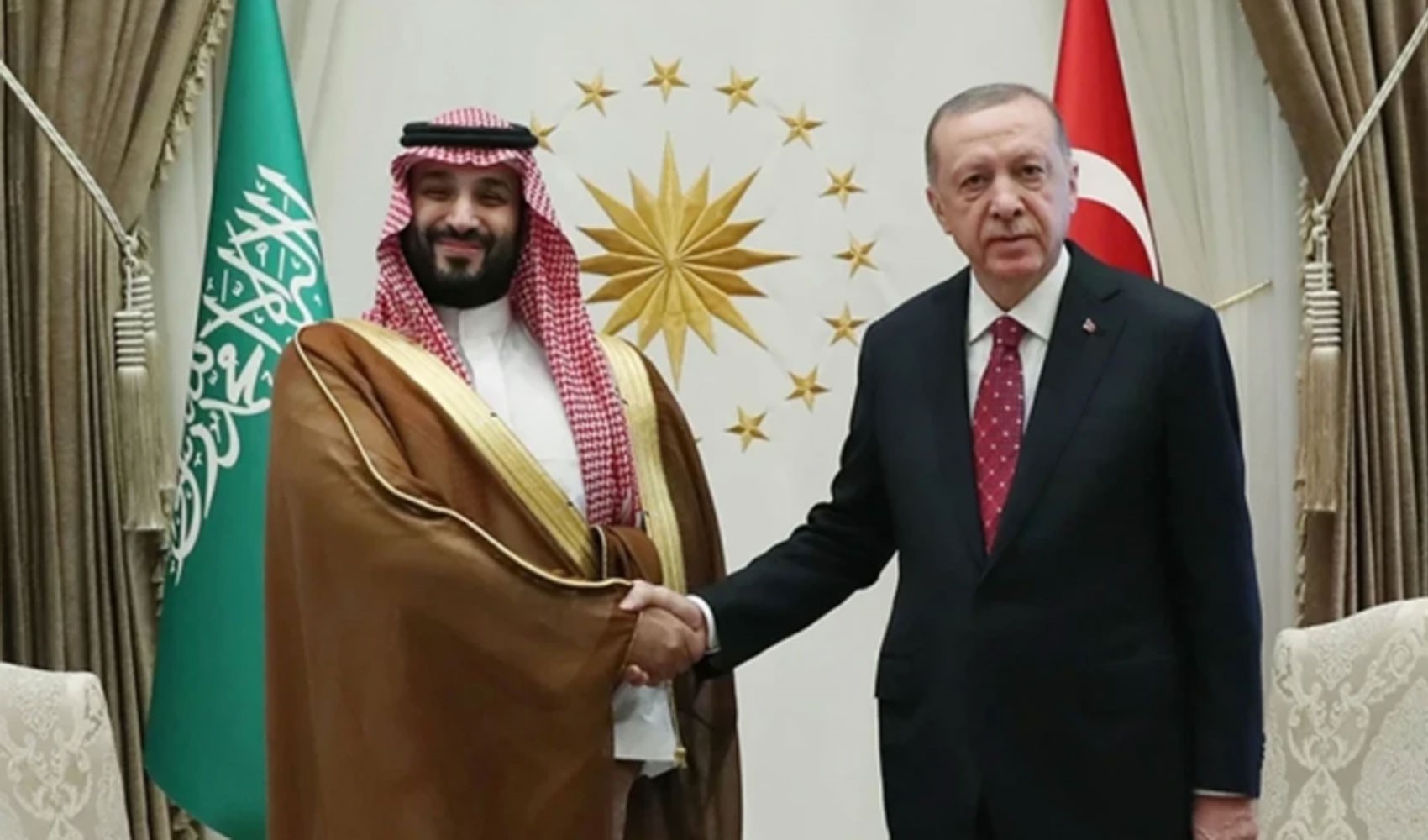
The trilateral joint defense agreement signed in Mecca between Turkey, Saudi Arabia, and Pakistan has opened a new chapter in Ankara's regional security policy. Initial assessments regarding the agreement highlight the message that Turkey's NATO membership is not being replaced by this step; rather, regional partnerships are viewed as complementary structures that share the security burden.
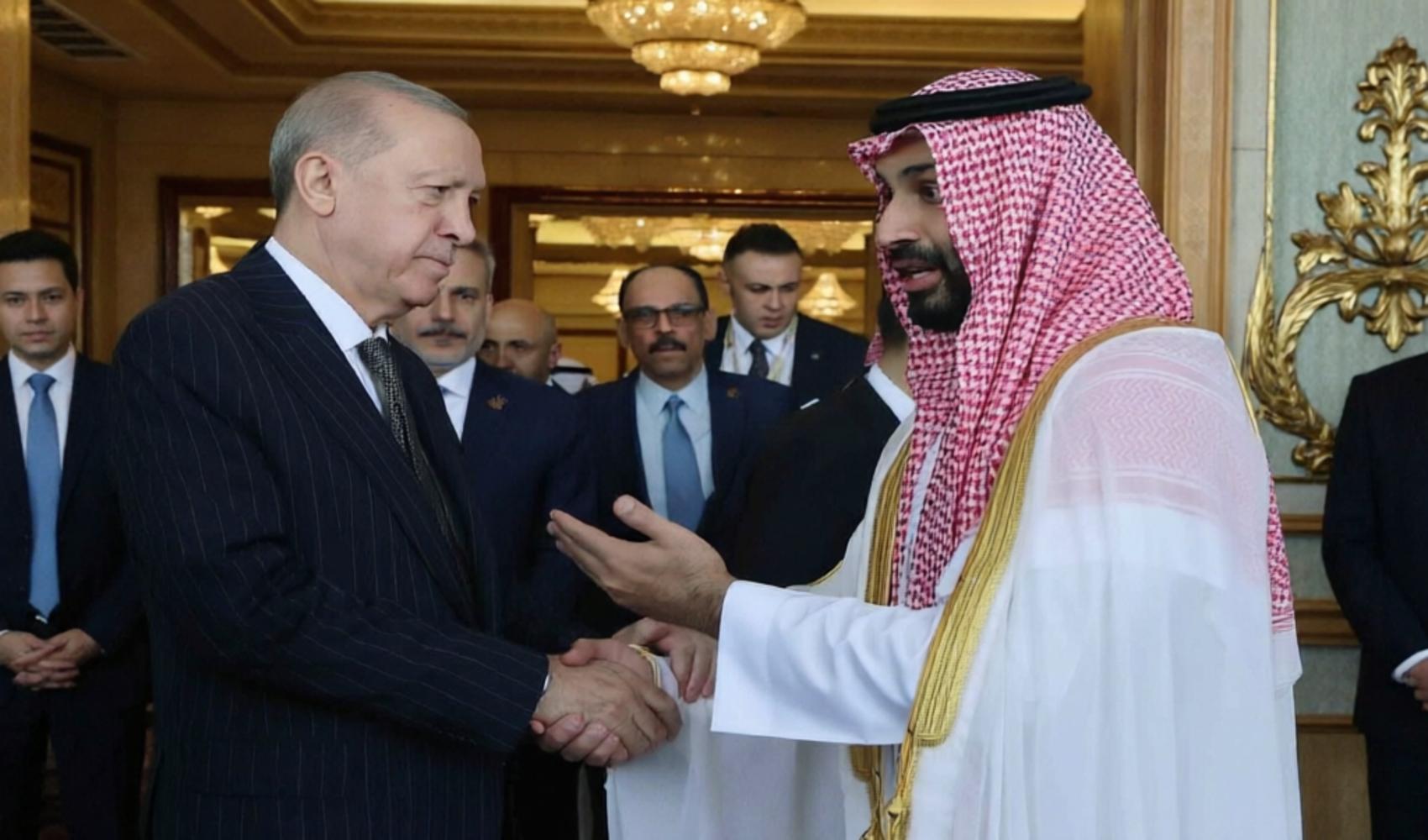
The arrangement, referred to as the "Mecca Joint Defense Agreement," elevates the bilateral military and defense industry cooperation that the three countries have developed in recent times into a trilateral framework. It is noted that Egypt has participated in the process at the meeting level, but the Cairo administration is not a party to the agreement at this stage. It is also noted that the agreement is open to the participation of other regional countries.
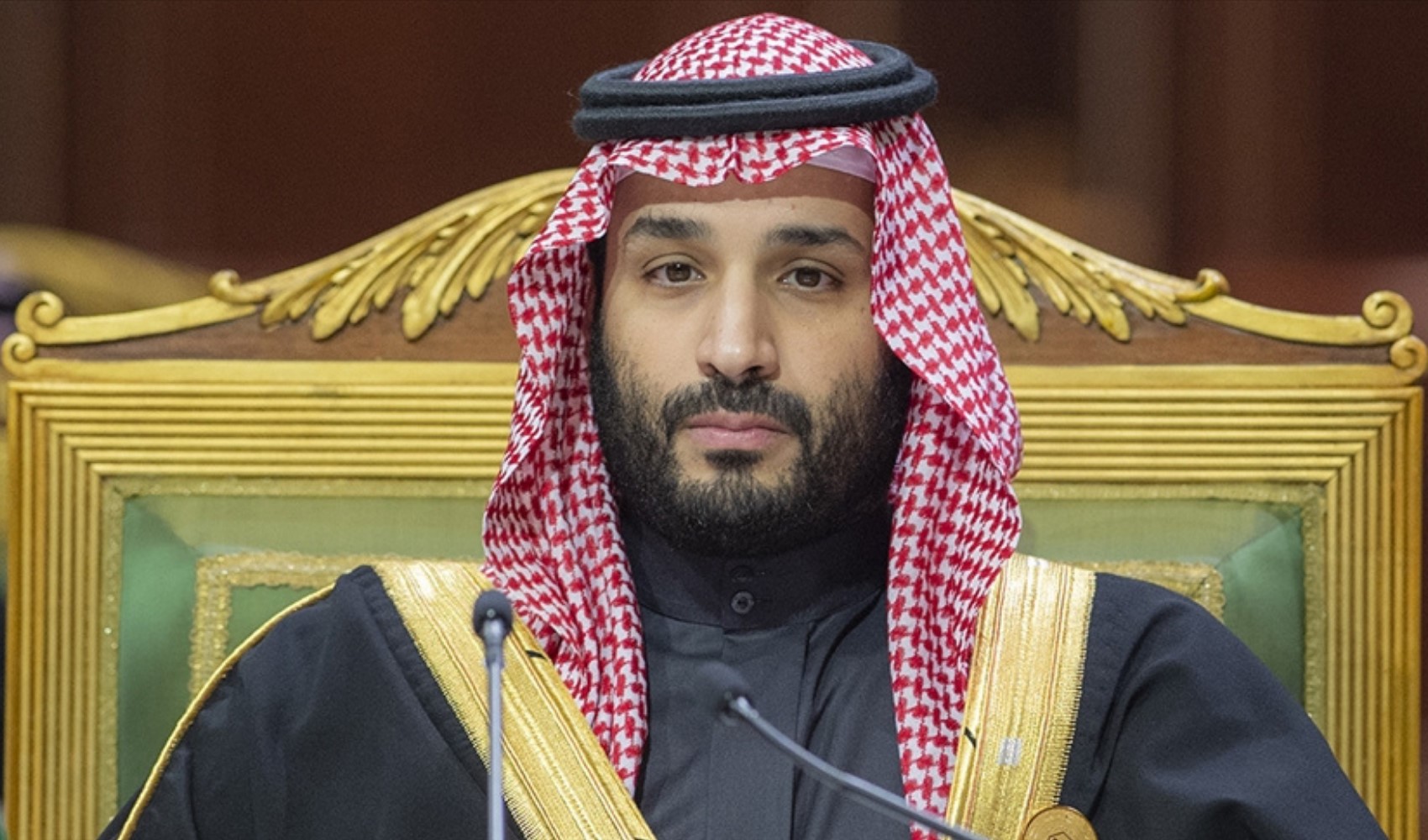
ANKARA'S MESSAGES
The most striking element of the agreement is the collective defense approach, which stipulates that an armed attack against any of the parties shall be considered an attack against all three countries. According to Ankara, this article constitutes a security commitment consistent with the principles of self-defense and collective defense contained in Article 51 of the United Nations Charter.
In the assessment of Turkish sources, the phrase "Turkey's NATO membership and its regional partnerships are not alternatives to each other, but complementary structures that enable the sharing of the security burden" was used. In the same context, it was emphasized that Turkey continues its duties in NATO missions and that dialogue with alliance members continues.
Ankara also holds the view that the agreement does not target any third country. This message drew attention at a time when tensions between Turkey and Israel remain high due to the Gaza war. Turkish sources stated that the arrangement is not an "aggressive military front" or an "encirclement initiative," but a cooperation focused on defense and aimed at contributing to regional stability.
Whether the agreement will directly drag Turkey into regional files such as the Pakistan-India tension, Saudi Arabia's conflicts with the Iranian-backed Houthis, or crises in the Gulf is also among the topics being discussed. In assessments made from Ankara on this subject, it was stated, "Turkey is not being dragged into other conflicts. It is combining its regional influence and experience with the strong actors of the region."
Sources also emphasized that participation in the agreement does not mean that Turkish soldiers will be sent to every regional crisis. It was stated that decisions regarding the use of force and military operations will be taken within the framework of Turkey's constitutional order and national decision-making mechanisms.
According to Ankara, another dimension of the agreement is defense industry cooperation, military interoperability, and the security of maritime trade routes. Especially considering the effects of tensions around the Strait of Hormuz on energy supply and global trade, Turkey assesses that this cooperation could contribute to exports, energy supply, and economic stability.
News Source: 12punto
Most Read

Transaction suspension decision from MASAK
'Direct dialogue between Erdoğan and Trump has created room for maneuver'

Melis Sezen revealed her monthly income in her statement

When there is the terrorist leader to talk about, who is Mansur Yavaş anyway!..

Time to leave Istanbul
beIN Sports responds to reactions regarding Okan Buruk on live broadcast

From 1453 to 2026: As the West's 500-year world system comes to an end

Microphones are open for prayer, closed to justice

Is the foreign agent law in effect?

Official Gazette / September 7 – 20, 2026