As a result of a new study conducted by cancer experts at Oregon Health & Science University, a blood test has been developed that can detect pancreatic cancer in patients before symptoms appear. The researchers who developed the blood test pointed out that the test costs less than 1 cent per patient. Scientists reported that the tests currently used to detect tumors could only reveal pancreatic cancer in its advanced stages. Noting that the blood test has an 85 percent accuracy rate, experts stated that this rate could allow hundreds of thousands of pancreatic cancer patients worldwide to be treated thanks to early diagnosis.
Pancreatic cancer was generally detected using current methods only after the cancer had spread. Late diagnoses meant that most patients only became aware of their illness when limited treatment options remained.
The reason for this situation was that most pancreatic cancer patients often show no symptoms until the advanced stages of the cancer. Furthermore, the fact that pancreatic cancer has symptoms that can often be confused with other diseases caused problems in the treatment process.
Common symptoms of the disease include nausea, diarrhea, constipation, indigestion, and pain in the upper abdomen. Yellowing of the whites of the eyes and skin (known as jaundice), loss of appetite, high fever, and fatigue are also considered symptoms of pancreatic cancer. According to World Health Organization (WHO) data, although the exact number is not known, hundreds of thousands of people die from pancreatic cancer every year worldwide.
PAC-MANN TEST PROVIDES EARLY DIAGNOSIS OPPORTUNITY
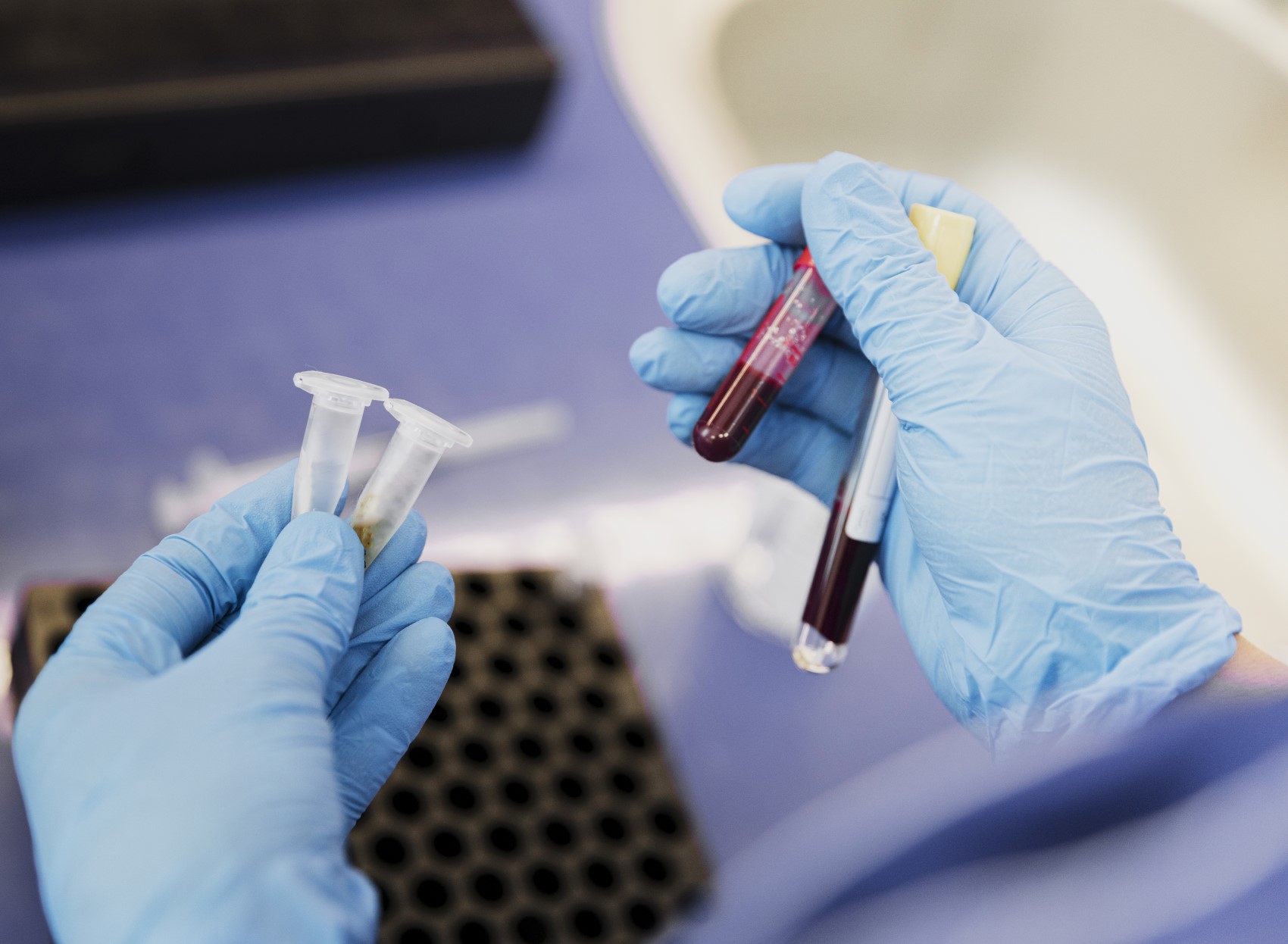
It is known that existing blood tests, such as the CA 19-9 tumor marker test, do not have enough accuracy to detect the disease in its early stages. However, the new blood test called PAC-MANN (Protease-Activated Magnetic Nanosensor) has made early diagnosis possible in pancreatic cancer with an 85 percent accuracy rate.
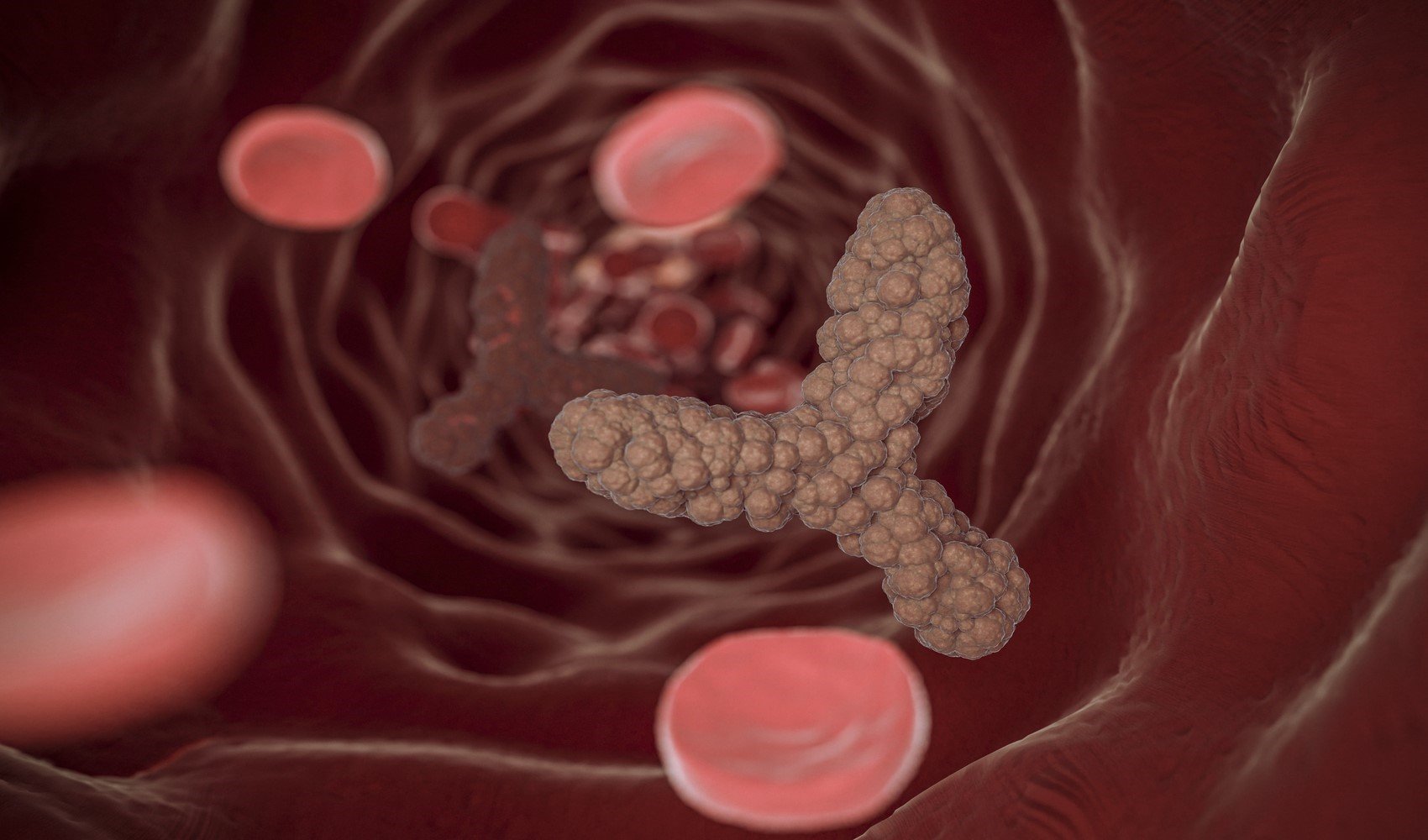
PAC-MANN enables the detection of the disease by searching for specific proteins in the blood of people with early-stage pancreatic cancer that are indicators of the cancer. The test also tracks the number of cancer-indicator proteins, allowing for the analysis of whether the treatment applied to patients is yielding results.
Dr. Jared Fischer, a cancer expert at Oregon Health & Science University and author of the study, drew attention to the low cost and high accuracy rate of the blood test they developed, stating the following:
'The problem with pancreatic cancer is that we often notice it too late. With PAC-MANN, our goal is to provide clinicians with a tool that can detect the disease much earlier, at a time when more treatment options are available and the chances of survival are higher.'
News Source: 12punto