12PUNTO WORLD NEWS
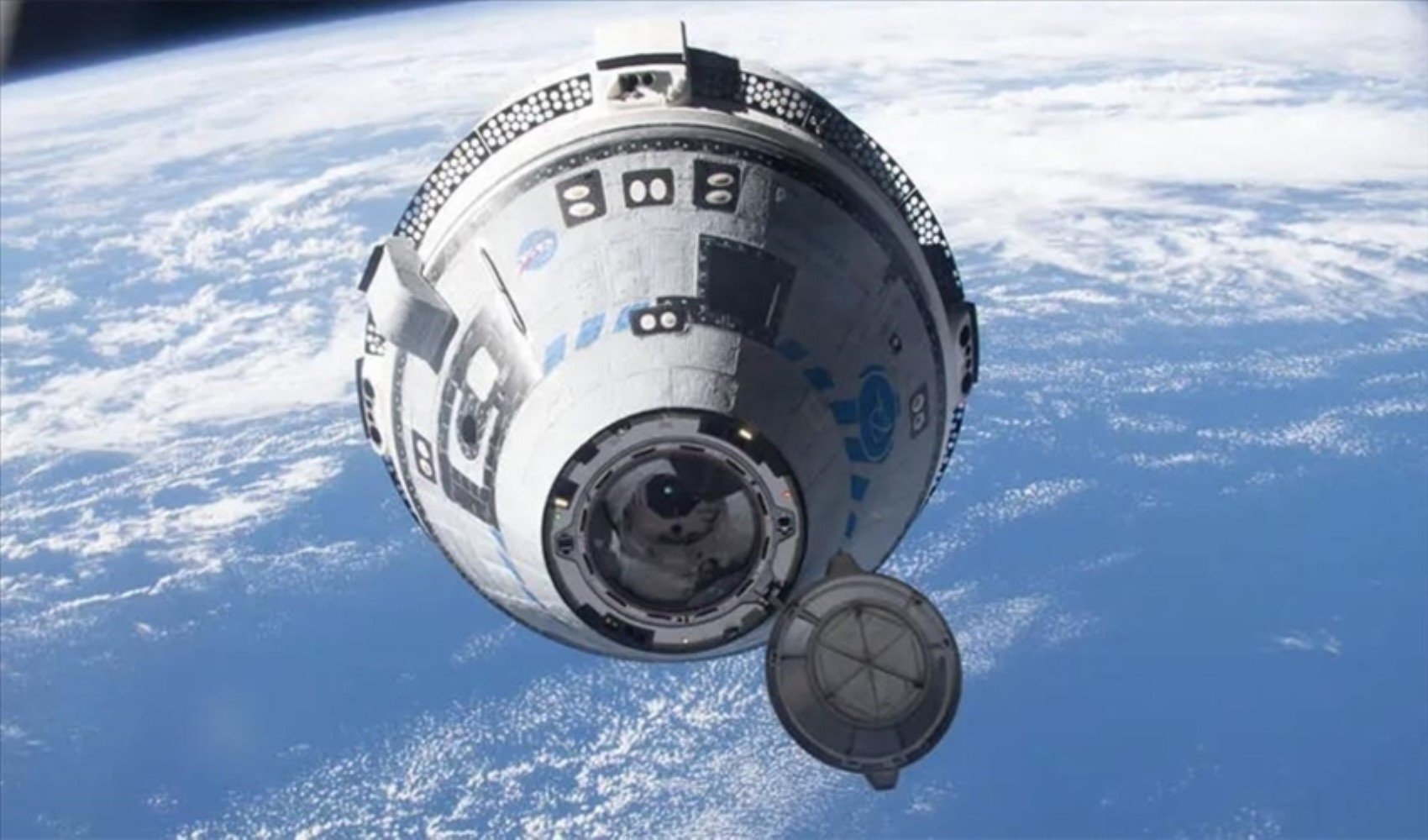
According to footage broadcast on NASA's live stream, Starliner returned to Earth without incident, successfully completing the critical final phase of its mission.
The spacecraft re-entered the atmosphere at an orbital speed of approximately 27,400 km/h (17,025 mph) around 11:00 PM ET. About 45 minutes later, the vehicle, which deployed parachutes to slow its descent, landed at White Sands Space Harbor, an arid desert in New Mexico.
NASA astronauts Suni Williams and Butch Wilmore were supposed to return to Earth in June, a week after Starliner's launch. However, thruster malfunctions and helium leaks prevented their return from the space station. Instead, the astronauts, who are at the ISS Space Station for the remainder of the year, will return in February aboard a SpaceX Dragon spacecraft.
Following an investigation, NASA had decided that returning Williams and Wilmore on Starliner would be too risky.
TEST FLIGHTS PLAGUED BY SUCCESSIVE ISSUES
Boeing's first crewed flight has been a journey filled with delays and setbacks. After NASA's space shuttles were retired more than a decade ago, NASA contracted with Boeing and SpaceX for orbital taxi services. In its first test flight in 2019 with no one on board, Boeing encountered so many problems that it had to repeat the tests. Even more flaws emerged during the re-flight in 2022, and the repair bill exceeded 1.5 billion dollars.
After struggling with issues following failed launch attempts on May 6 and June 1, and delays resulting from reports of a helium leak in the service module, Starliner was finally launched on June 5 from Cape Canaveral Space Force Station in Florida.
PROBLEMS RECURRED AFTER LAUNCH
During the first launch attempt, a problem was found with a valve in the second stage and the upper stage of the rocket. Additionally, a computer triggered an automatic abort just three minutes and 50 seconds before liftoff. This was later attributed to a power supply failure in the grounding system of one of the launch control computers.
Even after a successful launch, helium leaks continued to plague the spacecraft. As Starliner approached the ISS, two separate helium leaks were detected, and NASA announced that the spacecraft was able to remain stable despite these issues and successfully dock with the ISS Station.
News Source: 12punto