

China decides to retaliate against US trade restrictions
The Beijing administration has imposed new restrictions on US companies, delivering harsh economic responses to the United States' sanctions and bans on Chinese drones and companies.



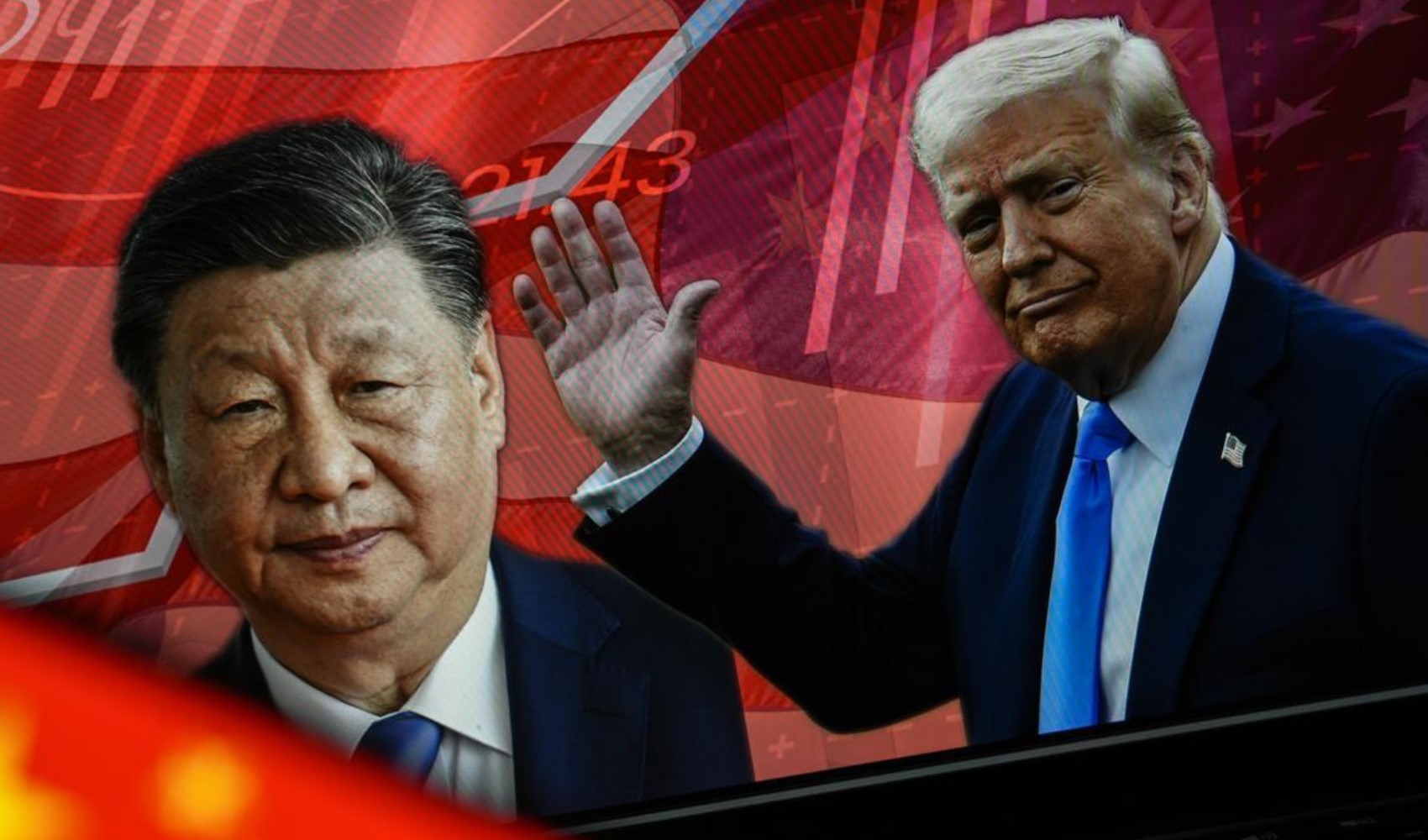
The trade and technological friction that has increased between China and the US in recent months has entered a new turning point. The Chinese government has responded to the US import ban on Chinese-origin drones and the blacklisting of 43 Chinese companies with comprehensive retaliatory measures. In this context, sanctions were imposed on six American entities, the role of US-based certification firms in the Chinese market was restricted, and export controls were tightened.
Within the framework of the measures taken by Beijing, six US companies and organizations, primarily Applied DNA Sciences Inc. and Human Rights in China, have been banned from conducting commercial activities in China and doing business with local entities. The firm named Compliance Testing LLC has had all its operations in the country suspended on the grounds that it engaged in activities against China's sovereignty and security.
In a statement from the Chinese Ministry of Commerce, it was emphasized that the latest steps were a response to the new sanctions decisions implemented by the US, and the following statements were included: "China has been left with no choice but to take necessary countermeasures." The ministry also called on the US to lift such restrictions and not to further strain relations; it was stated that otherwise, new measures could be on the agenda.
The latest developments have overshadowed the atmosphere of consensus previously agreed upon between the leaders of the two countries. Expectations of a thaw in relations had increased following the most recent meeting between Chinese President Xi Jinping and US President Donald Trump. However, the trade war has flared up again ahead of Xi's planned visit to the US in September.
The US side has imposed a temporary ban on the export of "black mass" obtained from battery recycling and tungsten scrap used in the defense industry to China. Emphasizing national security concerns, the US administration has developed new measures to reduce dependence on China for the supply of critical metals. Last week, US President Donald Trump stated that the supply shortage in some metals poses a national risk and instructed the Department of Commerce to prepare additional measures.
In response, China has introduced a requirement for case-by-case review and approval for the export of unmanned aerial vehicles used for both military and civilian purposes. It was reported that unmanned aerial vehicle exports to the US will now undergo stricter inspections. Additionally, it was noted that imported printer software and office equipment are also being subjected to evaluation in terms of national security.
A significant change has been made to the China Compulsory Certification (CCC) process, where safety standards for electronic products are determined. US-based inspection companies will no longer be able to conduct factory audits for Chinese firms; this will require US manufacturers to work with non-Chinese entities in certification processes.
While these reciprocal steps directly affect both trade balances and the political atmosphere between the two countries, it is known that the US Federal Communications Commission also announced new bans on the import of Chinese-origin humanoid robots and power converters last week.
As a result, the trade and technology friction between Beijing and Washington continues to escalate with new sanction moves; experts predict that this tension could have profound effects on global supply chains and markets.
News Source: 12punto
Most Read

Galatasaray and Fenerbahçe could face off in the Champions League
They watch the same matches but do not pay the same fee

Statement from Yaşar Alptekin after removing his robe and turban
Here are the businesses in Turkey selling horse and donkey meat!

What did the terrorist leader, PKK, DEM, and the DMM deny?!
Flash change from TFF regarding foreign player rule

How will we get rid of liberal dogmas and neo-liberal rote learning?
The detention list and the names of the companies placed under trusteeship have been revealed
Aleppo is Turkish and will remain Turkish

From August 30 to September 9: The story of the same path