



My childhood was spent in İzmir, in Karşıyaka. That is why İzmir is not just one of the cities I have lived in; it is the geography of my childhood, my first memories, in short, my memory itself. As you walk along the coast from Karşıyaka toward Mavişehir, you pass through Aksoy, Girne, and Bostanlı; but most of the time, you do not notice where one neighborhood ends and the other begins. You do not encounter a boundary stone, nor do you see a sign indicating the line you have crossed. The bay is still the same bay, the scent of the sea does not change, and the wind hits your face from the same direction. As you continue to walk along the same shore, the names change, but the city does not. Perhaps this is why, while watching the debate that has recently come to the fore again—'National Struggle or War of Independence?'—I constantly think of İzmir.
History is sometimes like this, too. When did we transition from the National Struggle to the War of Independence? Where did the War of Liberation fit into this path? Perhaps we never transitioned at all. Perhaps the boundaries we are trying to draw between these concepts a hundred years later were not as sharp in the world of those who lived through that struggle as we think. Indeed, when we look at Mustafa Kemal's own words, it is possible to see this. While Mustafa Kemal used the term 'National Struggle,' he also described the same historical process with the concepts of 'liberation,' 'independence,' and, most importantly, 'sovereignty.' Even his words in 1919, 'The independence of the nation will be saved by the determination and decision of the nation itself,' are enough to show that these concepts are not rivals, but parts of the same will.
If we are rethinking what the word 'liberation' describes today, the answer should be sought not in today's political debates, but in the conditions of that day. Istanbul was under occupation. The Greek army had landed in İzmir. Foreign military forces were present in different regions of Anatolia, and the Treaty of Sèvres stood before us as a vision of the future. When Atatürk described the opposing wills, he saw the nation's idea of independence on one side and the 'idea of invasion and plunder' on the other. Therefore, to understand what liberation means, perhaps it is enough to look at İzmir on May 15, 1919, rather than debating the word itself. And then to look at the same city once more on September 9, 1922…
The difference between them reveals clearly enough what the word 'liberation' describes.
I am not a historian; it should be left to historians to determine when which concept was used more widely in historiography. However, there is one thing my professional background has taught me: the meaning of a military operation is determined not only by its name but by the political results it produces. We should look at the Great Offensive, which began on August 26, somewhat in this light. Preparation, concentration of force, the element of surprise, and the search for a decisive result brought military victory on August 30. But what was truly important was that this victory could transcend the battlefield. With the army reaching İzmir, the military result made the political and diplomatic outcome that extended to Mudanya and from there to Lausanne possible. Winning a battle is a military success; having that won battle change the fate of the country is a strategic victory. It is for this reason that Atatürk's characterization of the Great Offensive as the 'immortal monument of the Turkish nation's idea of freedom and independence' is important.
Perhaps what we should be discussing today is not where to draw a line between the National Struggle and the War of Independence. Just as neighborhoods blend into each other while walking along the coast in the İzmir of my childhood, these concepts of our history also blend into each other on the same path. The National Struggle is ours, the War of Liberation is ours, and the War of Independence is ours. But above them all, there is a much greater concept that makes them parts of the same historical march: independence.
Because independence is not just the departure of enemy soldiers from your lands. It is the ability to make your own decisions, to determine your own future, and to possess the military, economic, diplomatic, and institutional capacity to stand behind that decision when necessary. Perhaps this is why August 30 still has something to say after more than a hundred years.
We can still argue today about which neighborhood starts and ends where in the İzmir of my childhood. But the image left by history regarding where that path—which began on August 26, had its result determined on August 30, and reached İzmir on September 9—leads is quite clear.
The sea is the same sea. The path is the same path.
And the name of the place reached at the end of that path is clear:
Independence.
Long live the fully independent, secular, and democratic Republic of Turkey…
Most Read
Galatasaray and Fenerbahçe could face off in the Champions League
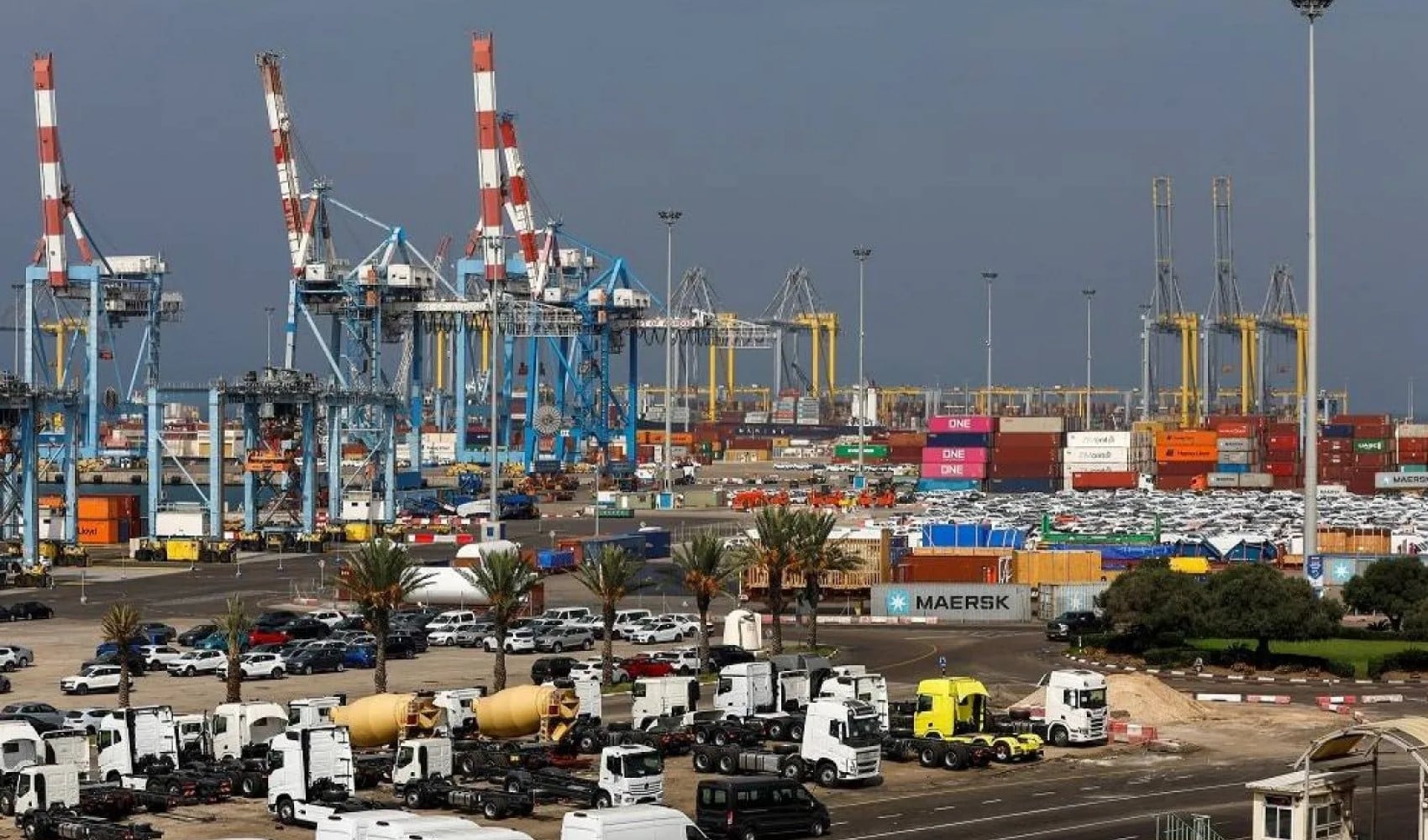
The route of 3 ships departing from Turkey is Israel
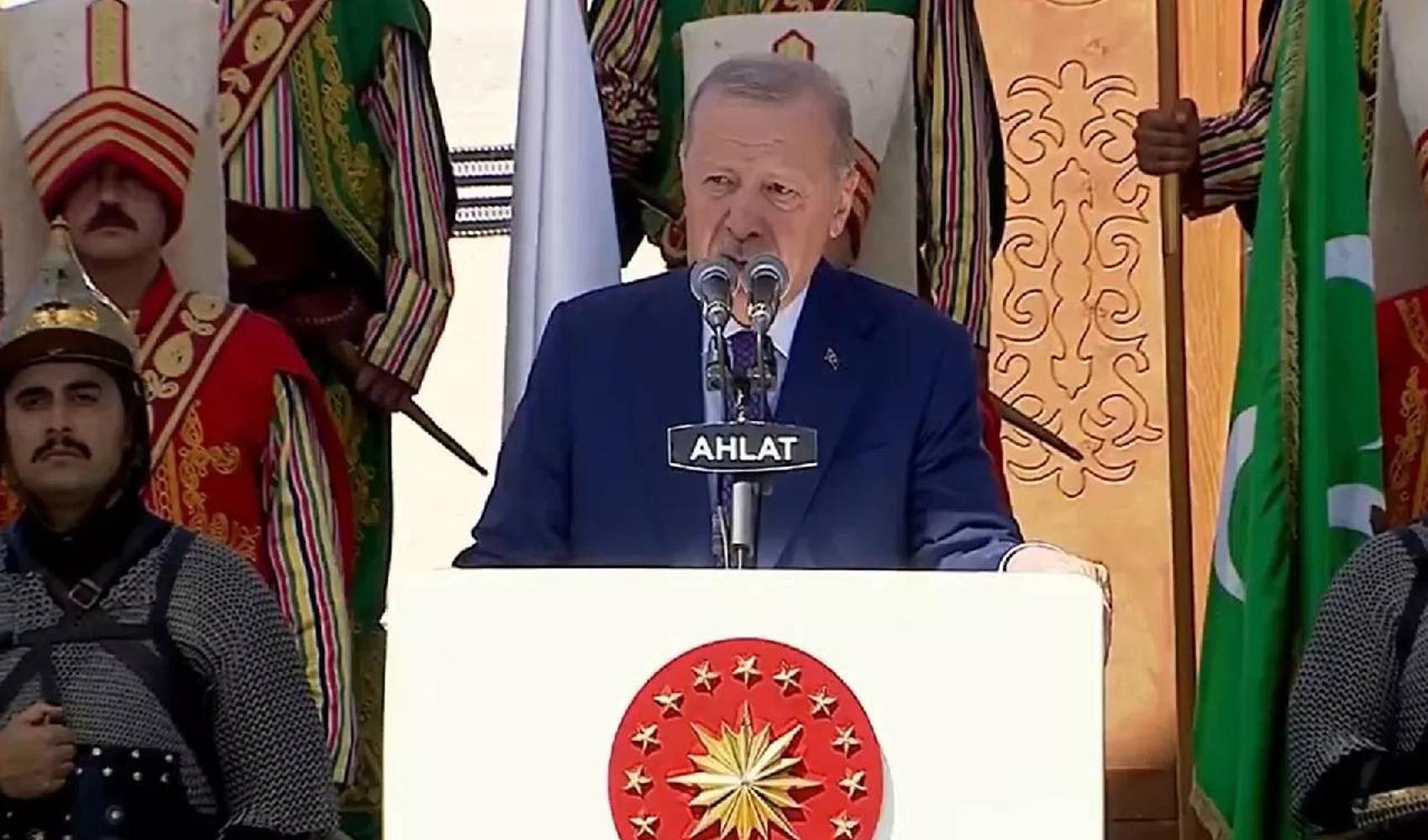
Erdoğan’s ‘Terror-Free Turkey’ message in Ahlat
Here are the businesses in Turkey selling horse and donkey meat!

What did the terrorist leader, PKK, DEM, and the DMM deny?!

Statement from Yaşar Alptekin after removing his robe and turban
The detention list and the names of the companies placed under trusteeship have been revealed

How will we get rid of liberal dogmas and neo-liberal rote learning?
The toll of heatwaves in Europe: At least 35,000 deaths recorded
Look who the IYI Party deputy's advisor turned out to be