 1 / 17
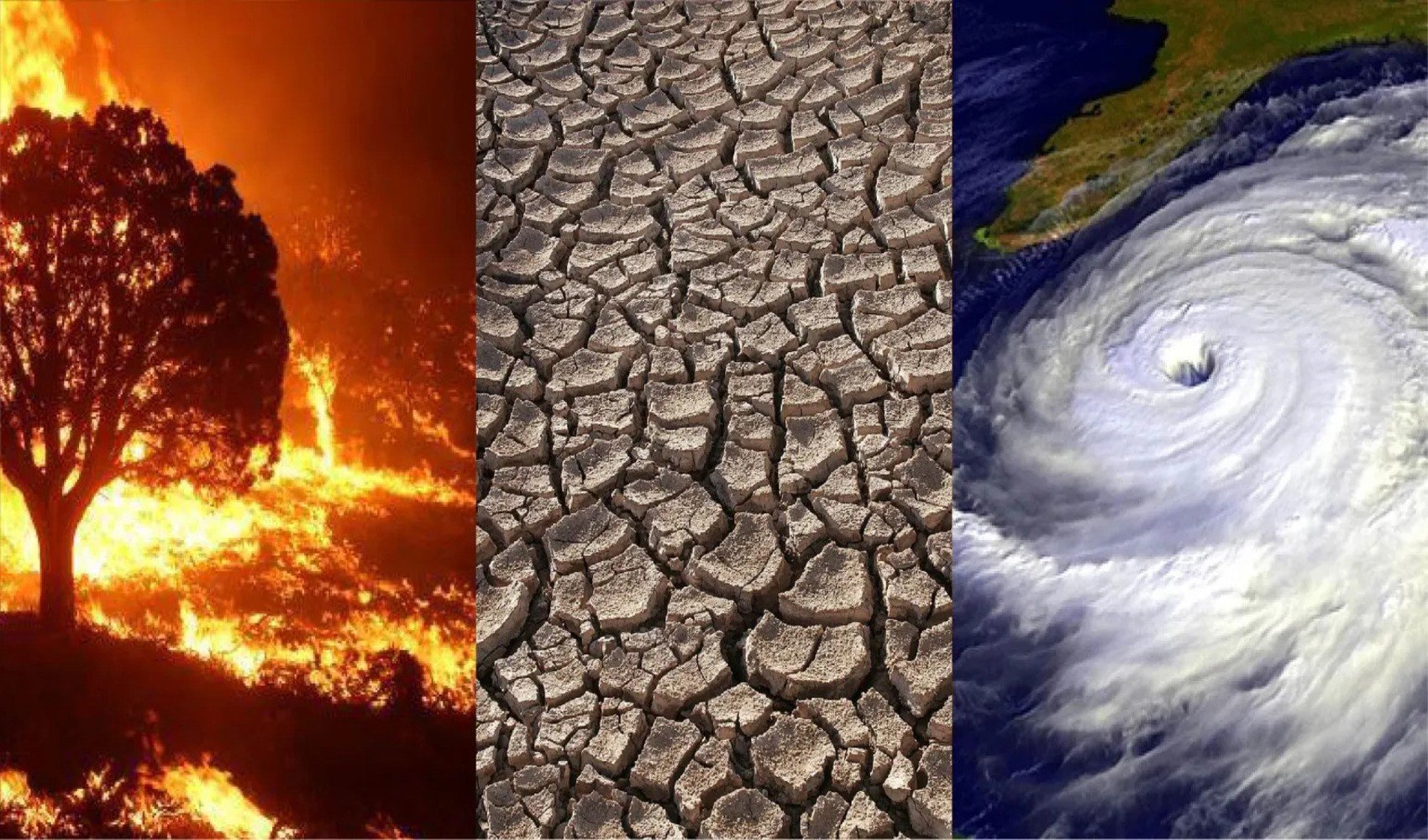
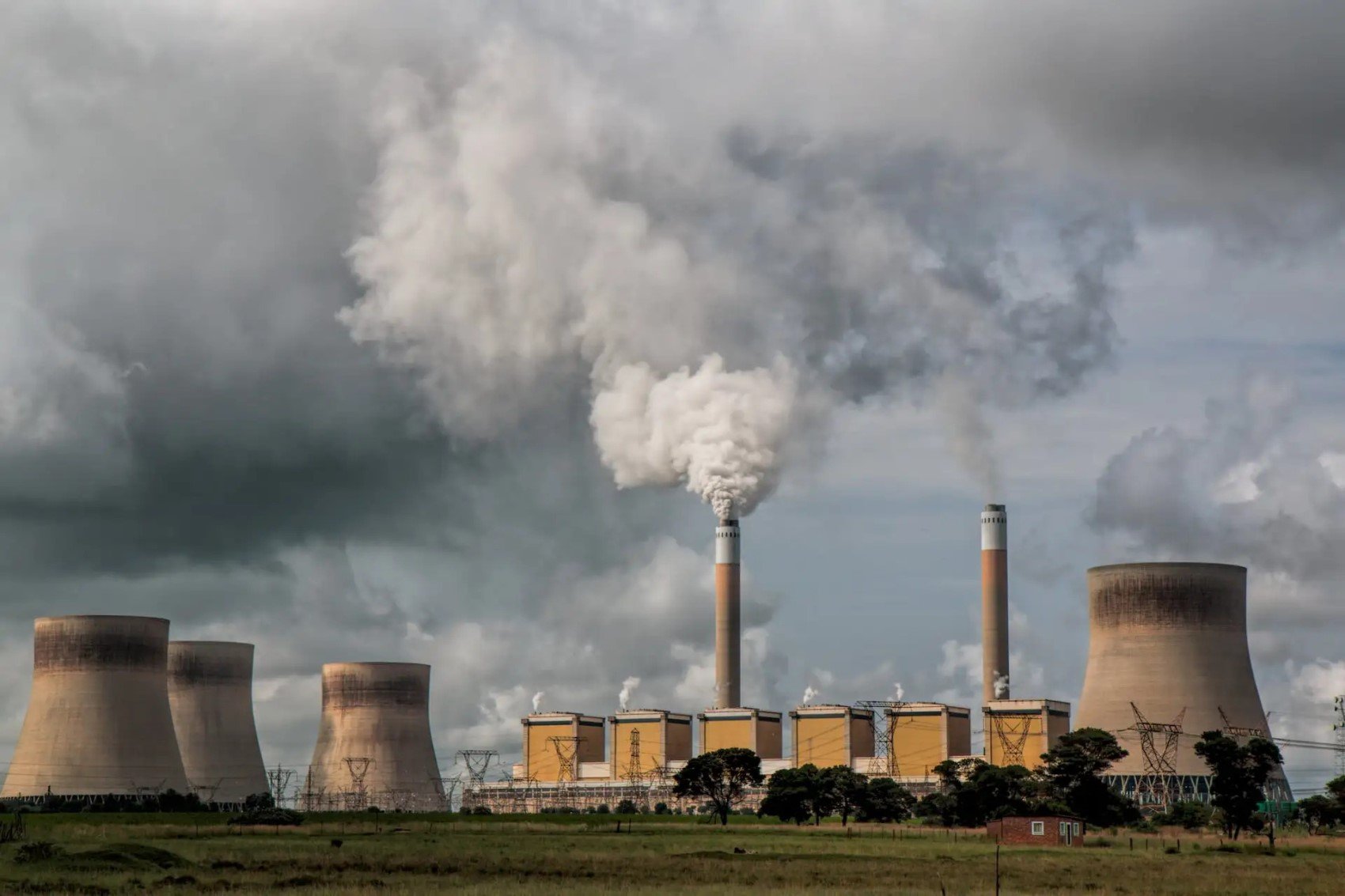
The effects of human-caused global warming are being experienced right now. These effects are irreversible for people living today. The climate crisis will continue to worsen as long as greenhouse gases continue to be emitted into the atmosphere.
 2 / 17
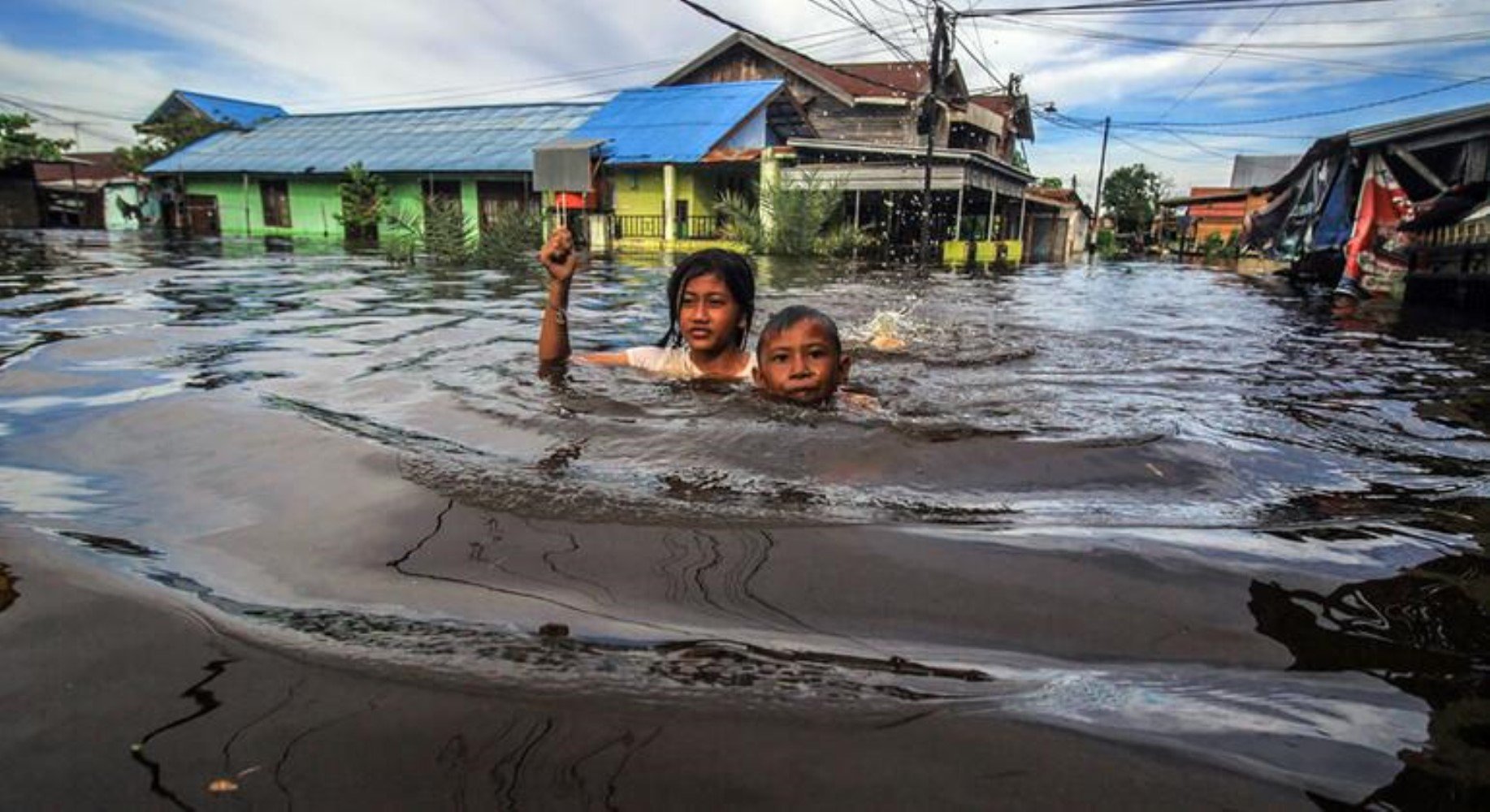
The effects predicted by scientists and already being experienced by the world include: the melting of sea ice, the melting of glaciers and ice sheets, rising sea levels, and more intense heat waves.
 3 / 17
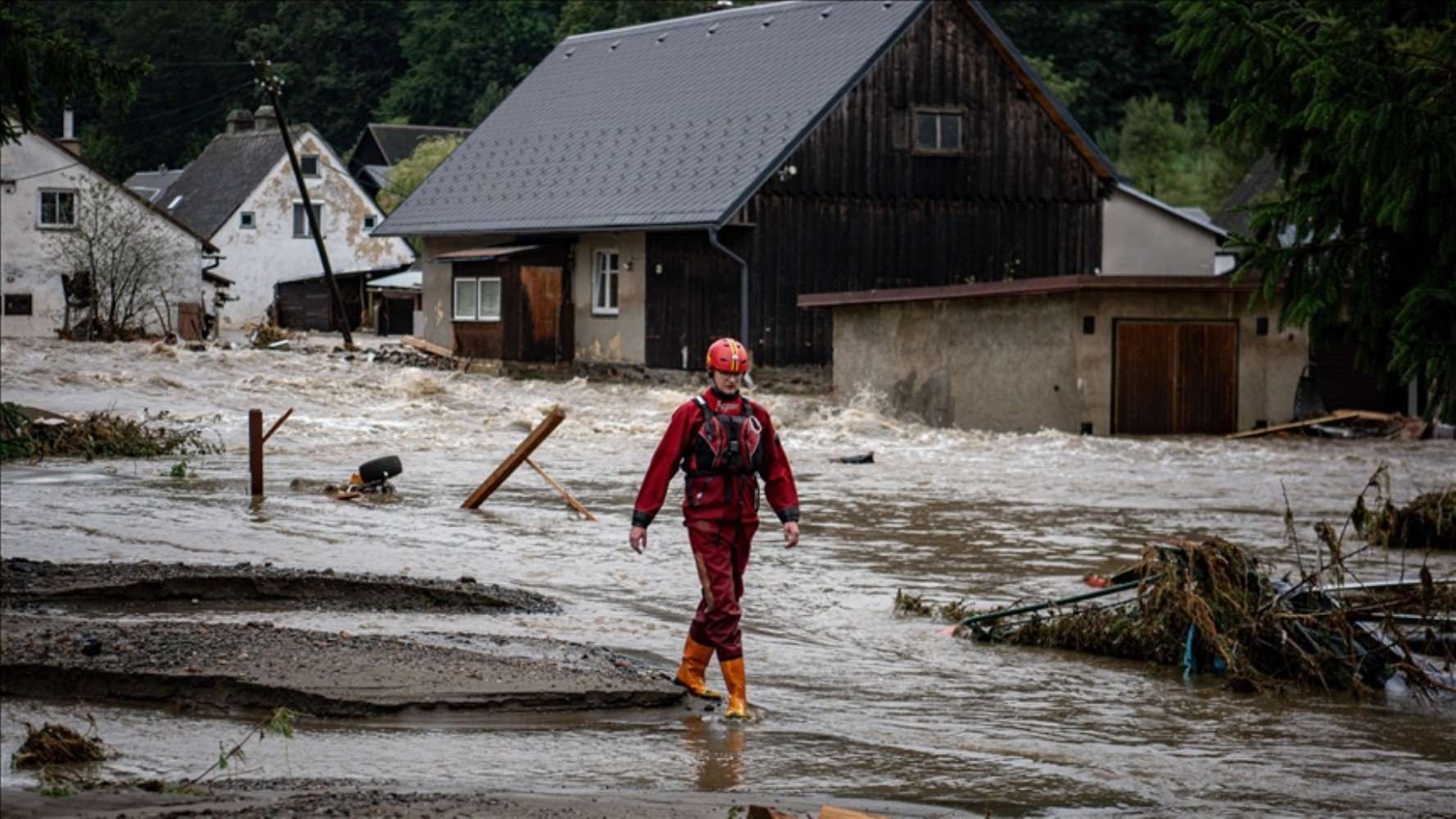
Due to these effects, the food and migration crisis, the problem of clean water, and health issues caused by changing conditions will also become increasingly widespread.
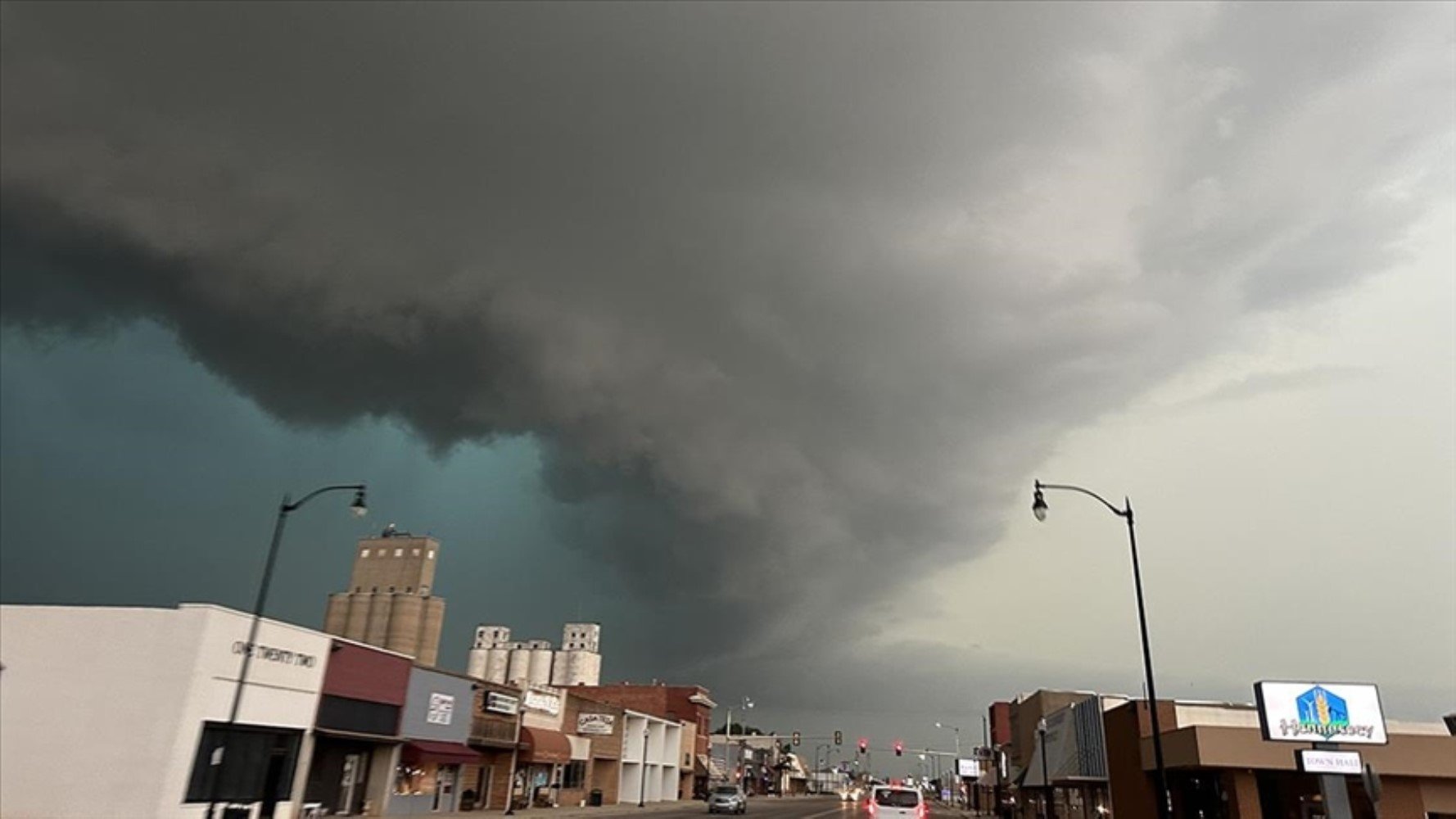
Scientists predict that global temperature increases caused by greenhouse gases will continue. For this reason, severe weather events will also increase and begin to occur more intensely.
 4 / 17
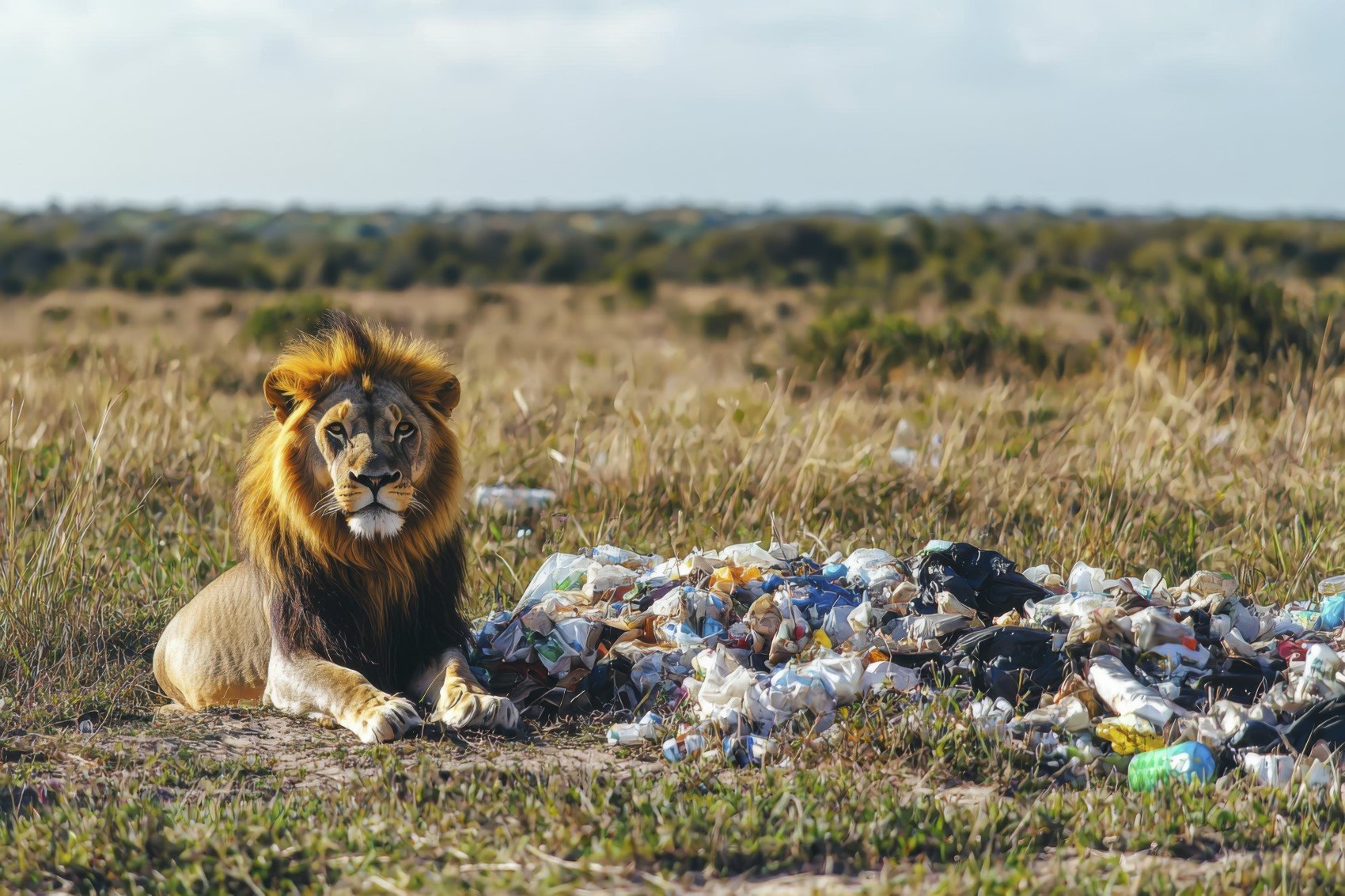
Global climate change is not a future problem. Due to greenhouse gas emissions, the geographical regions inhabited by plants and animals are changing. Furthermore, plants and trees are blooming earlier. This situation is causing the extinction of animal and plant species.
Effects such as the melting of sea ice, the rapid rise in sea levels, and longer, more intense heat waves are now being felt tangibly.
 5 / 17
Some changes (such as drought, forest fires, and extreme precipitation) are occurring faster than scientists had previously assessed.
According to the Intergovernmental Panel on Climate Change (IPCC), 'modern humans' have never experienced the changes observed in our global climate before. Some of these changes will be irreversible for hundreds to thousands of years to come.
 6 / 17
Scientists predict that global temperatures will continue to rise over the coming decades.
The IPCC's Sixth Assessment Report, published in 2021, found that human-caused 'heat-trapping gas emissions' have warmed the climate by approximately 1.1 degrees Celsius since 1850-1900.
The global average temperature is expected to rise by another 3 degrees over the next few decades. This increase will affect all regions of the Earth.
 7 / 17
The severity of the impacts caused by climate change depends on the trajectory of future human activities.
Higher greenhouse gas emissions will lead to more climate extremes and widespread damaging effects across our planet.
 8 / 17
However, these future effects may vary depending on the total amount of carbon dioxide we emit. Therefore, if emissions can be reduced, some of the worst effects can be avoided.
According to NASA, the scientific evidence is clear: Climate change is a threat to human well-being and the health of the planet. Any further delay in 'coordinated' global action will cause the window of opportunity to secure a 'liveable' future to be missed.
 9 / 17
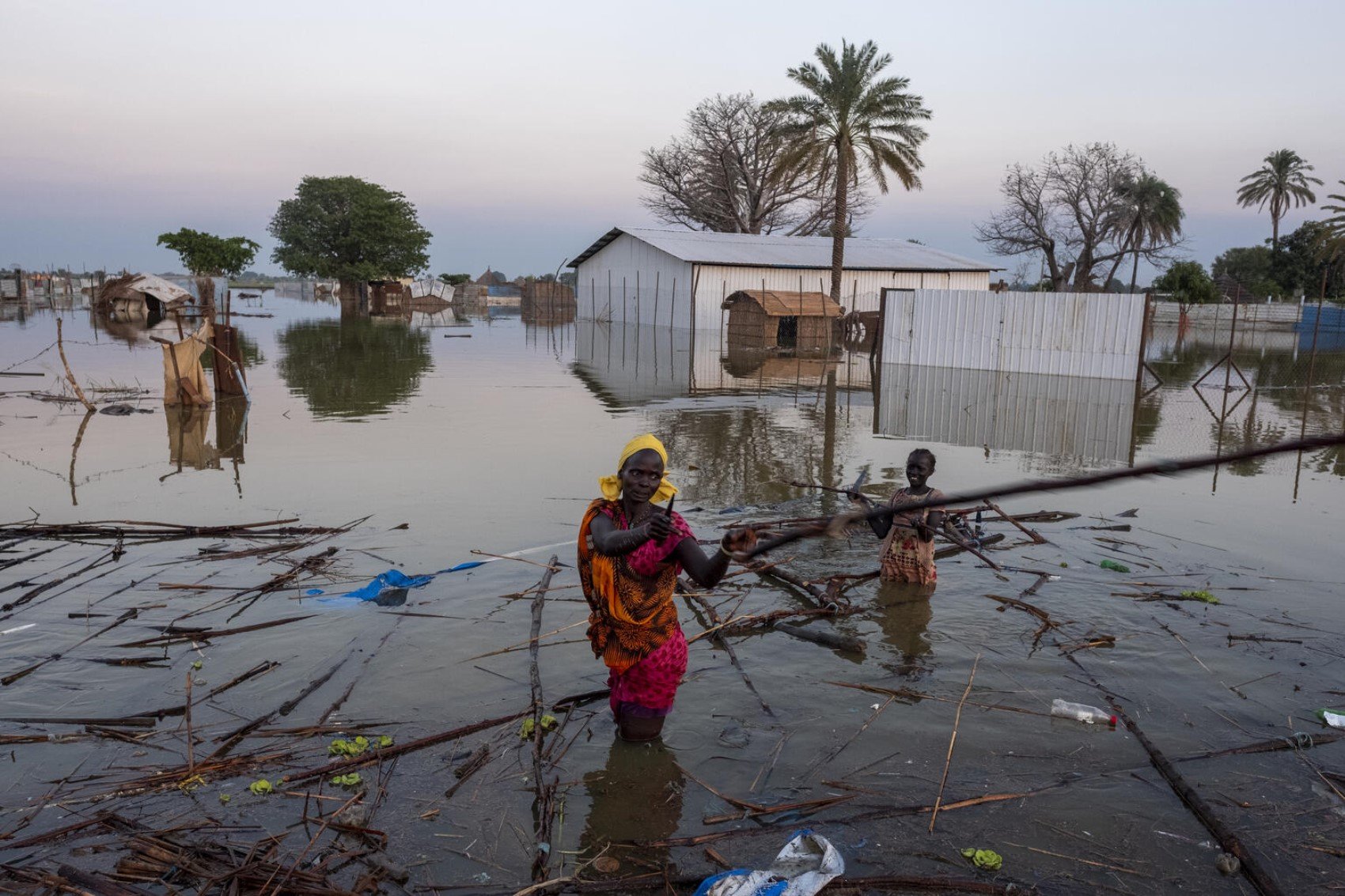
The global sea level has risen by approximately 0.2 meters since reliable record-keeping methods began in 1880. Scientists project that the sea level will rise by at least another 0.3 meters by 2100.
 10 / 17
On the other hand, if emission levels remain high, seas will likely rise by as much as 2 meters. Sea levels are rising due to melting ice and the 'expansion' of seawater as temperatures increase.
The global climate is projected to continue warming throughout this century and beyond.
 11 / 17
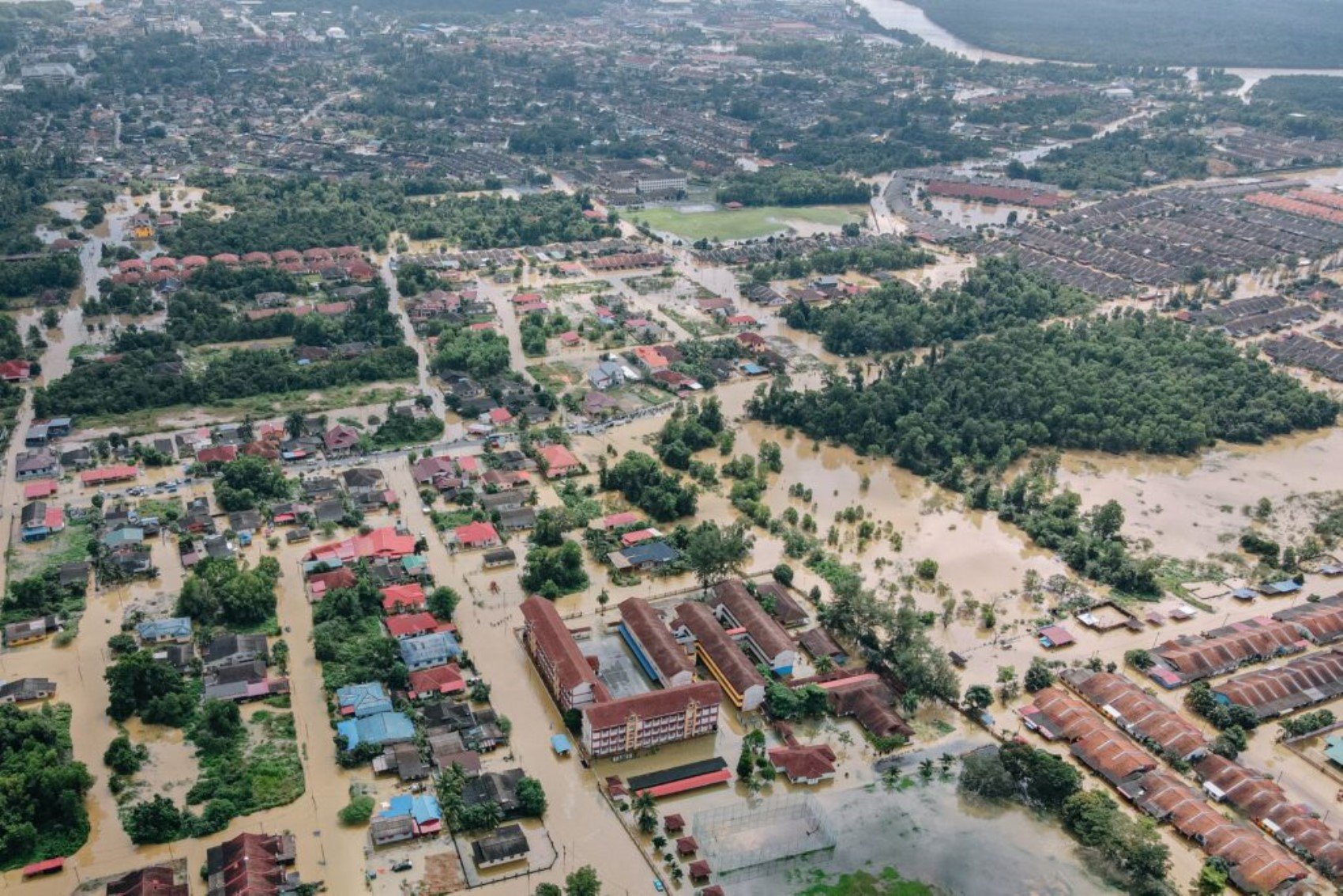
Scientists believe that as the climate continues to warm, storms will become more severe and precipitation rates will increase.
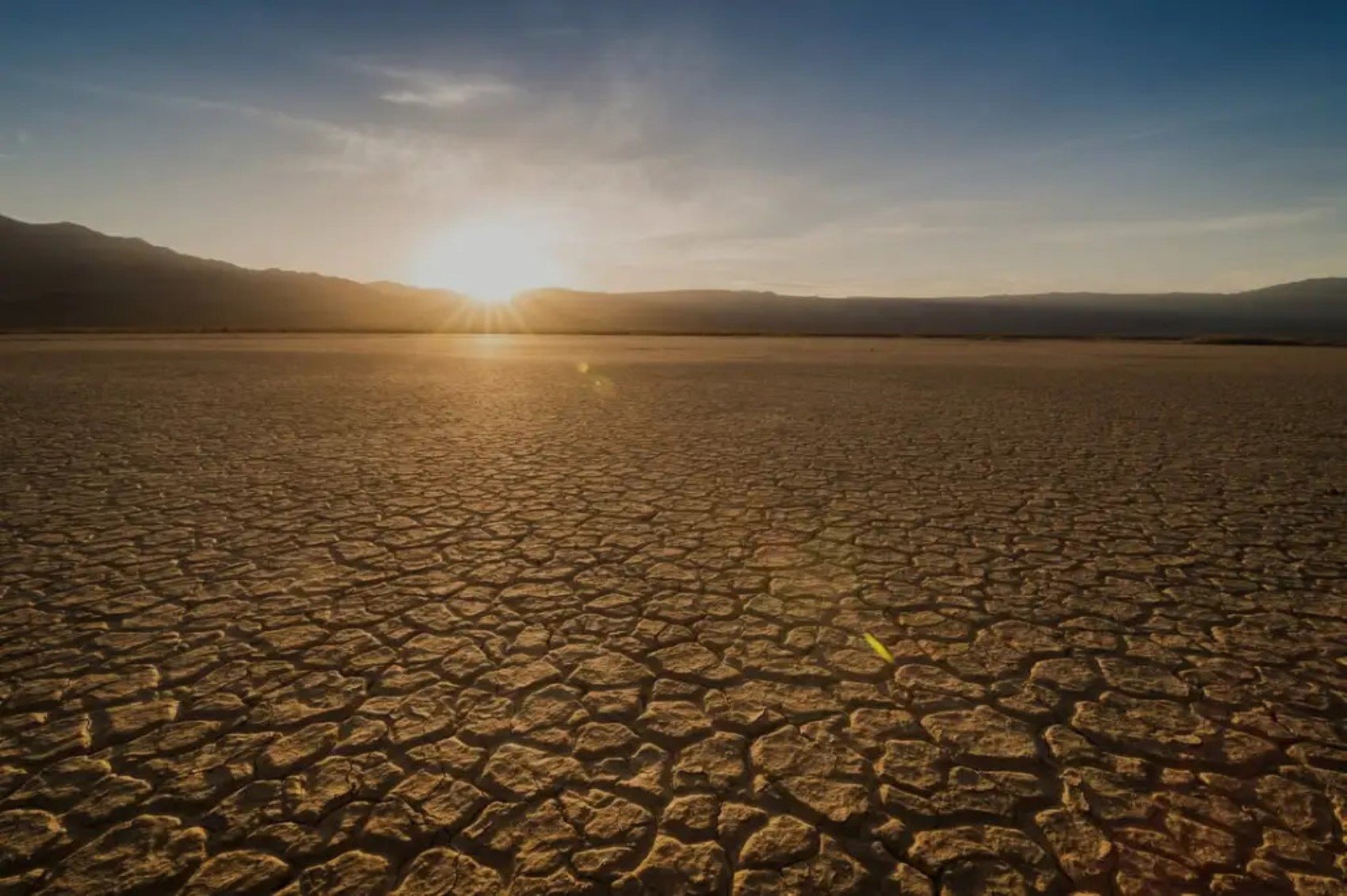
Droughts and heat waves (periods of abnormally hot weather lasting for days or weeks) are expected to become more intense, while cold waves are expected to be less intense and less frequent.
 12 / 17
This means that in a significant part of the world, winters will shorten and summers will lengthen.
 13 / 17
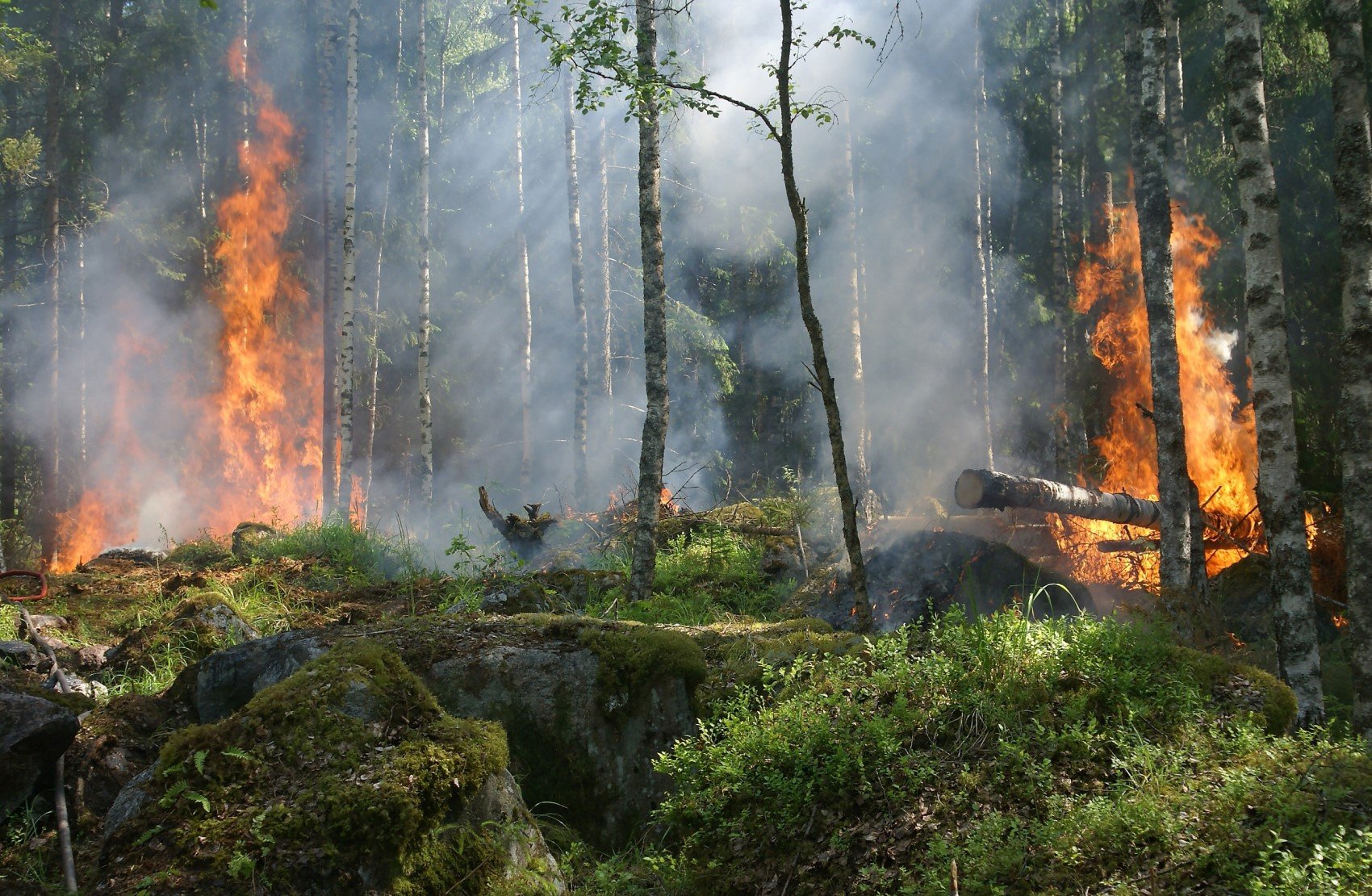
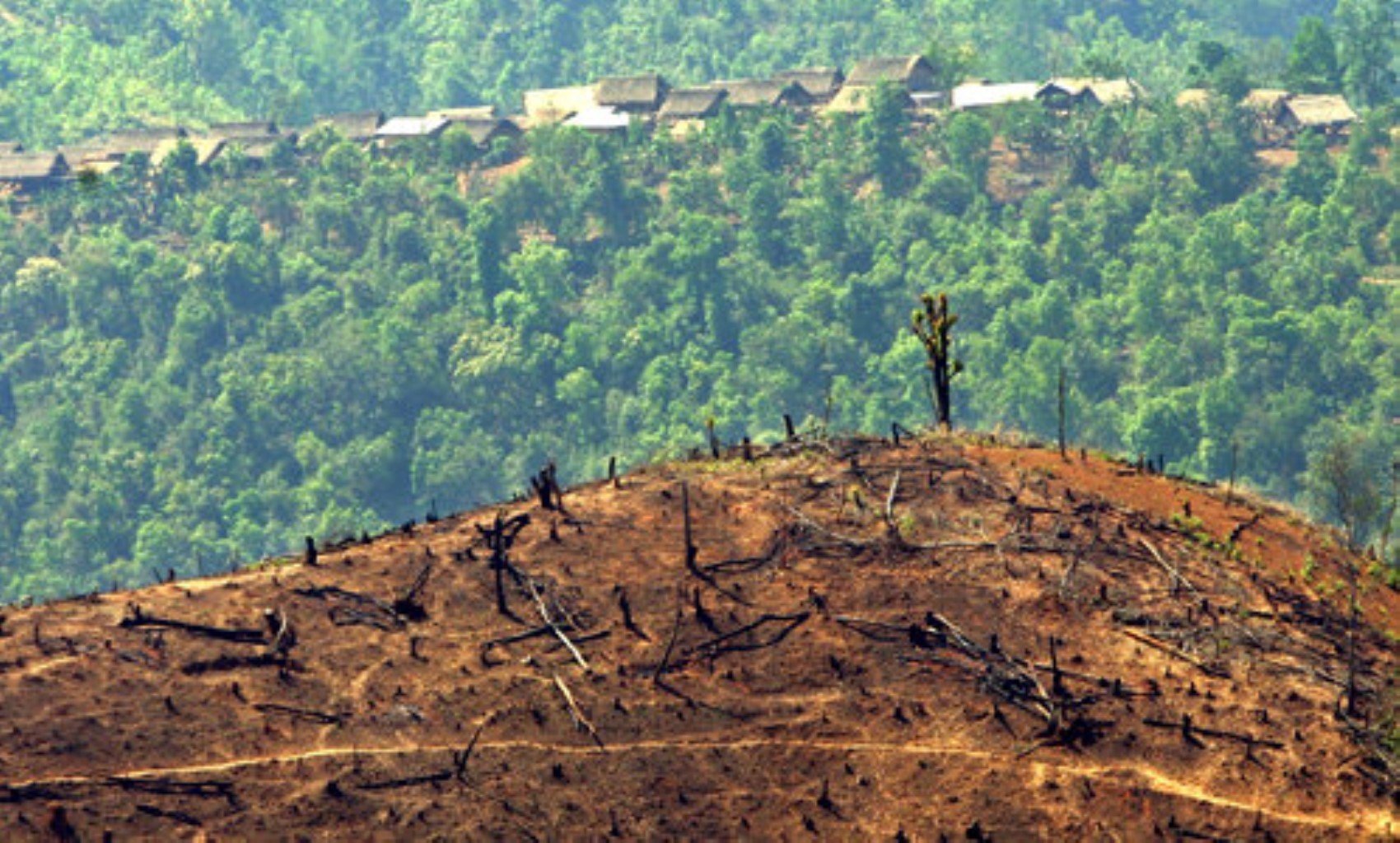
Rising temperatures have extended and intensified wildfire seasons worldwide. Scientists estimate that human-induced climate change has doubled the forest areas burned in recent years.
 14 / 17
By around 2050, the amount of land consumed by forest fires is projected to increase by two to six times. Even in traditionally rainy regions, forest fires are expected to increase by approximately 30%.
 15 / 17
Climate change will not affect every region in the same way. In some places, precipitation will increase and floods will occur, while in others, drought will become widespread.
Even now, in some countries like Turkey, it is observed that precipitation patterns are changing.
 16 / 17
The summer of 2024 was the hottest summer on record for the Earth. The record previously belonged to 2023.
 17 / 17
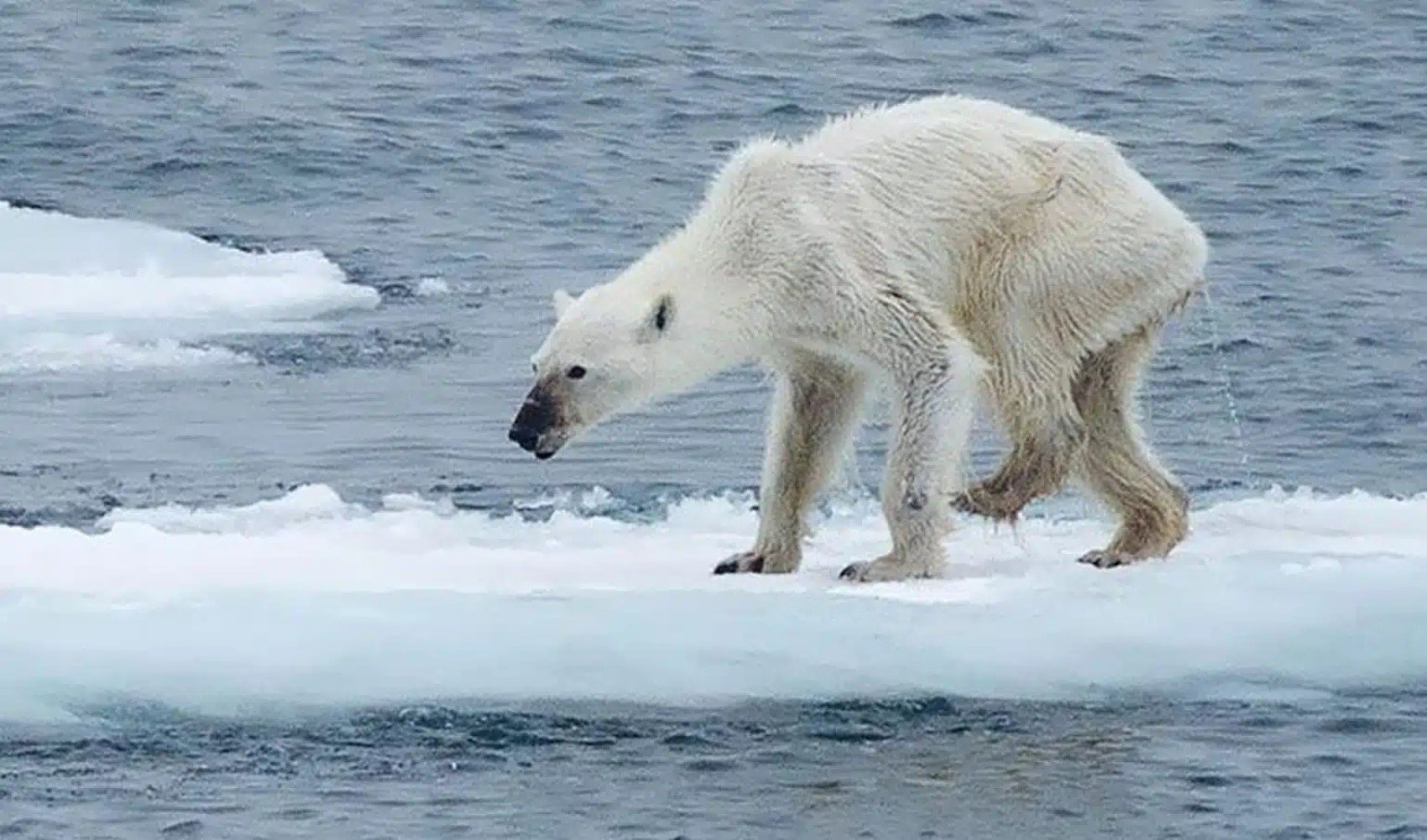
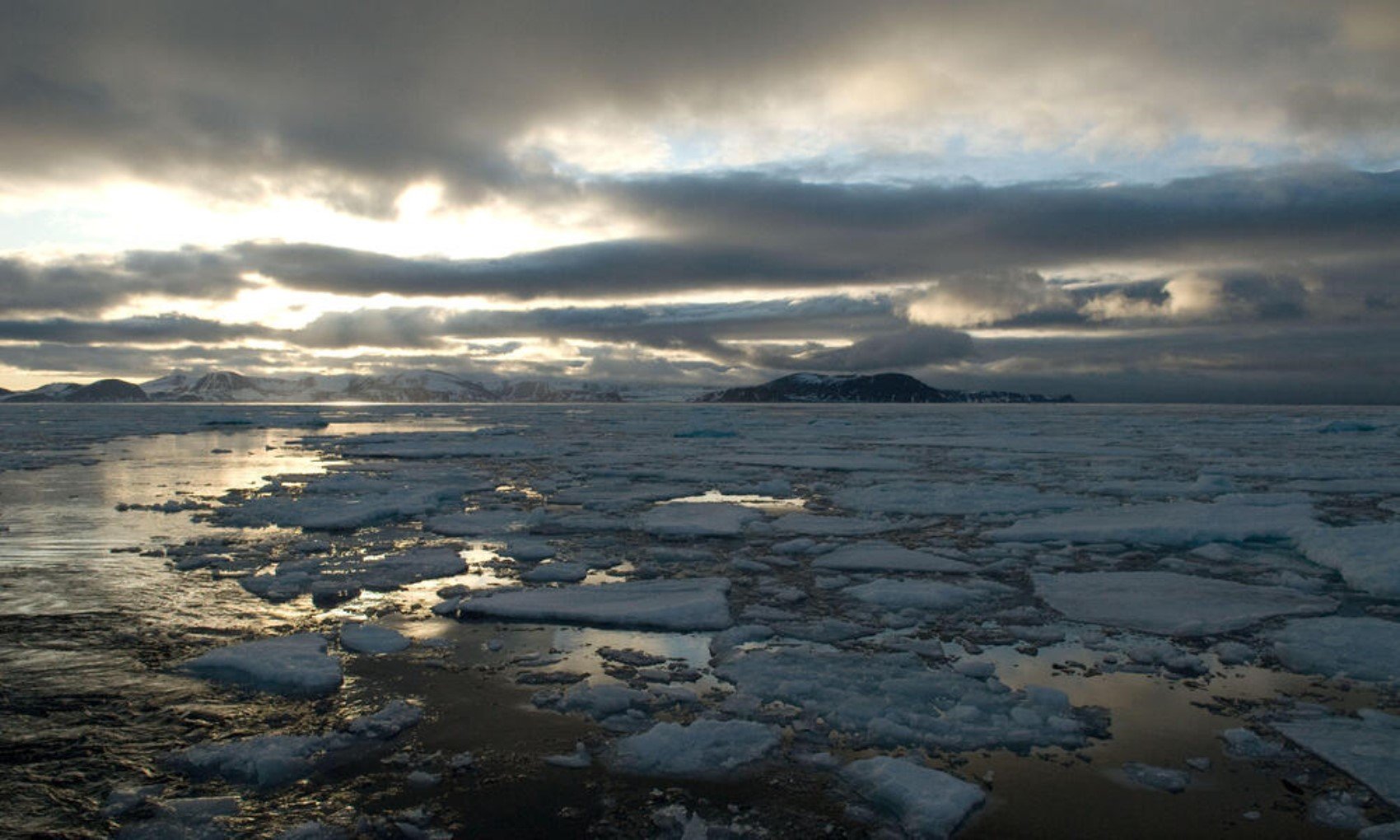
The sea ice cover in the Arctic Ocean is expected to continue to decline, and if current projections hold, the Arctic Ocean will likely become ice-free in the near future.
This change is expected to occur before the middle of the century.
News Source : 12punto