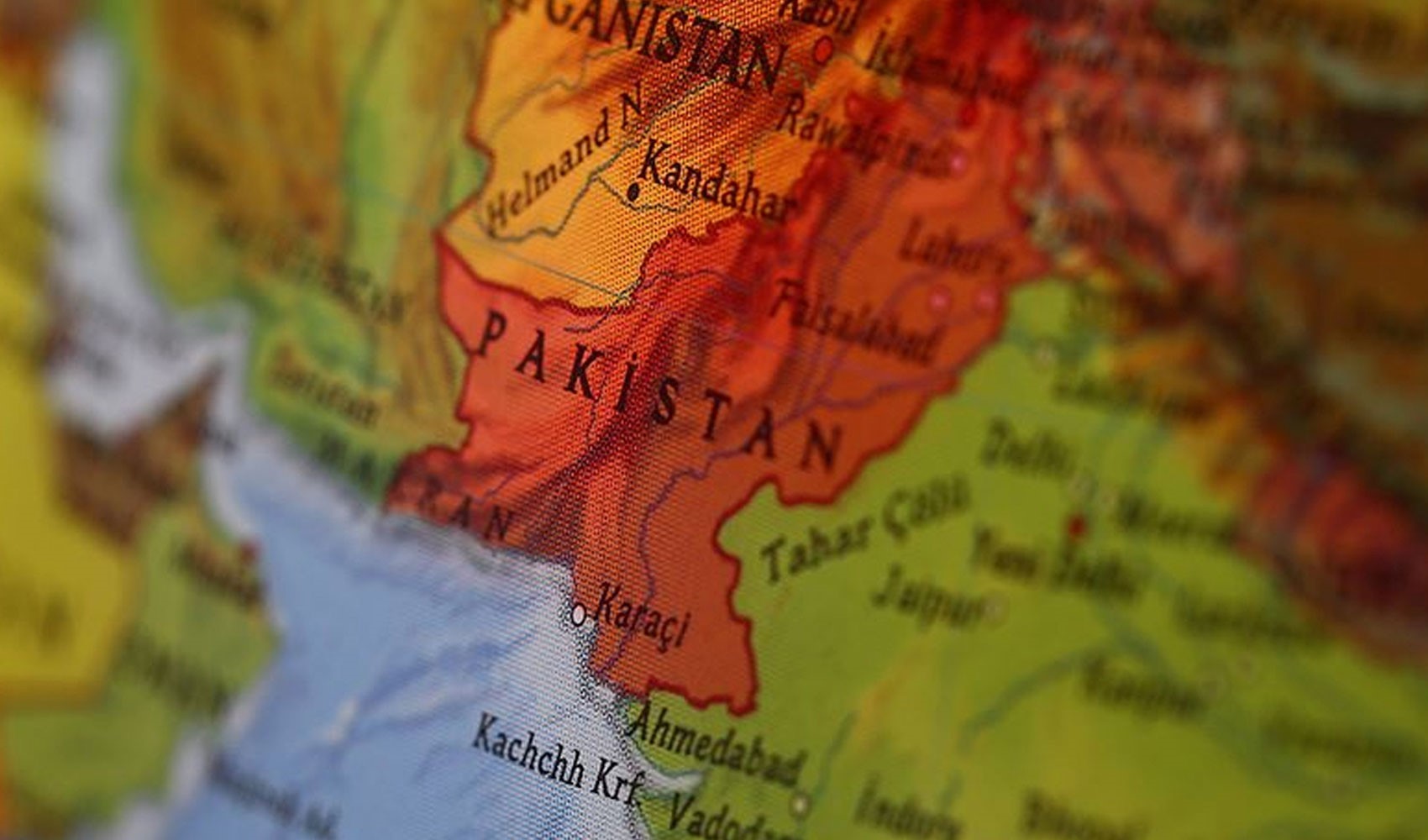
The growing crisis in the Middle East, fueled by US and Israeli attacks on Iran and the Tehran administration's retaliatory measures, continues to impact oil prices in global markets. The Pakistani government has decided to significantly increase fuel prices in the country due to rising oil costs. Pakistan's Minister of Petroleum, Ali Pervaiz Malik, made a statement regarding the price changes for gasoline and diesel. The Minister noted that the price of gasoline was increased by 137.24 Pakistani rupees (approximately 50 cents) per liter, corresponding to approximately 42.7 percent, and the price of diesel was increased by 184.49 rupees (approximately 66 cents) per liter, corresponding to approximately 54.9 percent. Minister Malik stated, "It was inevitable to raise prices because international market prices spiraled out of control following the US-Iran war."
With this development, the price of gasoline in the country rose to 458 rupees (approximately 1.64 dollars) per liter, and the price of diesel rose to 520 rupees (approximately 1.86 dollars) per liter.
Public formed queues at gas stations
Before the new prices took effect, people formed long vehicle queues at gas stations in Pakistan's major cities, particularly in Karachi and Lahore. People who flocked to the stations late at night complained about the fuel price hikes caused by the war, emphasizing that the public is facing many problems.
Crisis situation in global markets
Global energy and oil markets were shaken after the US and Israel launched joint attacks on Iran on February 28. In response, the Tehran administration restricted international maritime transport activities in the strategically important Strait of Hormuz and also carried out airstrikes on oil refineries located in Arab countries in the Gulf region. The tension in the region has led to a sharp rise in global oil and energy prices, and many countries are resorting to limiting fuel and energy consumption.
News Source: 12punto