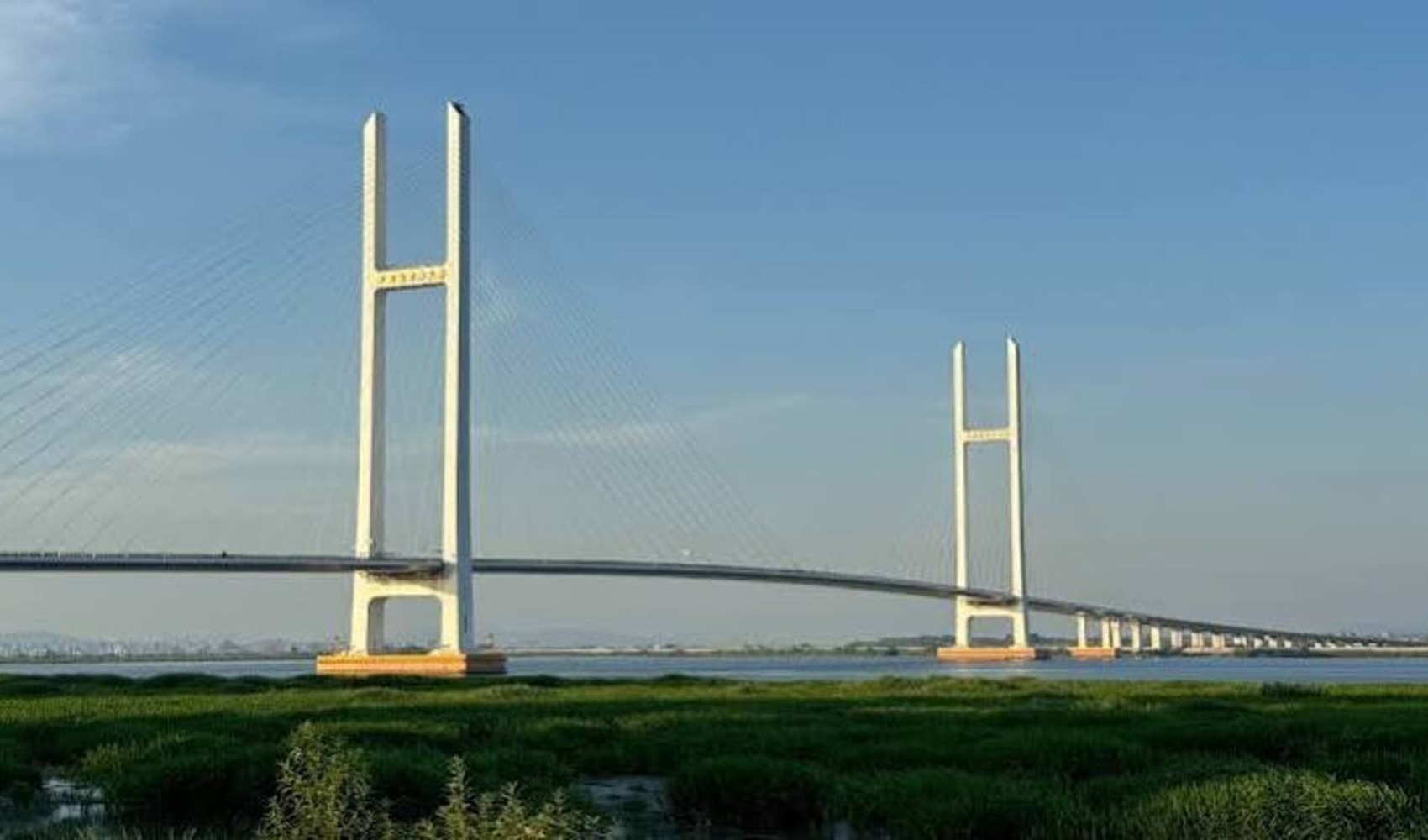
The 3-kilometer bridge connecting China and North Korea across the Yalu River has opened to traffic years after its construction was completed. The four-lane crossing, which cost approximately 300 million euros, had remained unusable for a long time due to delays in the connecting road and customs infrastructure on the North Korean side.
The bridge, which was proposed by China in 2009 and began construction in 2010, was physically completed in 2014. However, the Pyongyang administration's failure to activate the connecting roads on its side led to the massive structure being dubbed the “bridge to nowhere” by the international community.
Relations between China and North Korea have also fluctuated during this period. Pyongyang's nuclear tests and its distrust of Beijing were cited among the political factors behind the project remaining idle for years. The Covid-19 pandemic was also one of the factors that delayed the bridge's entry into service.
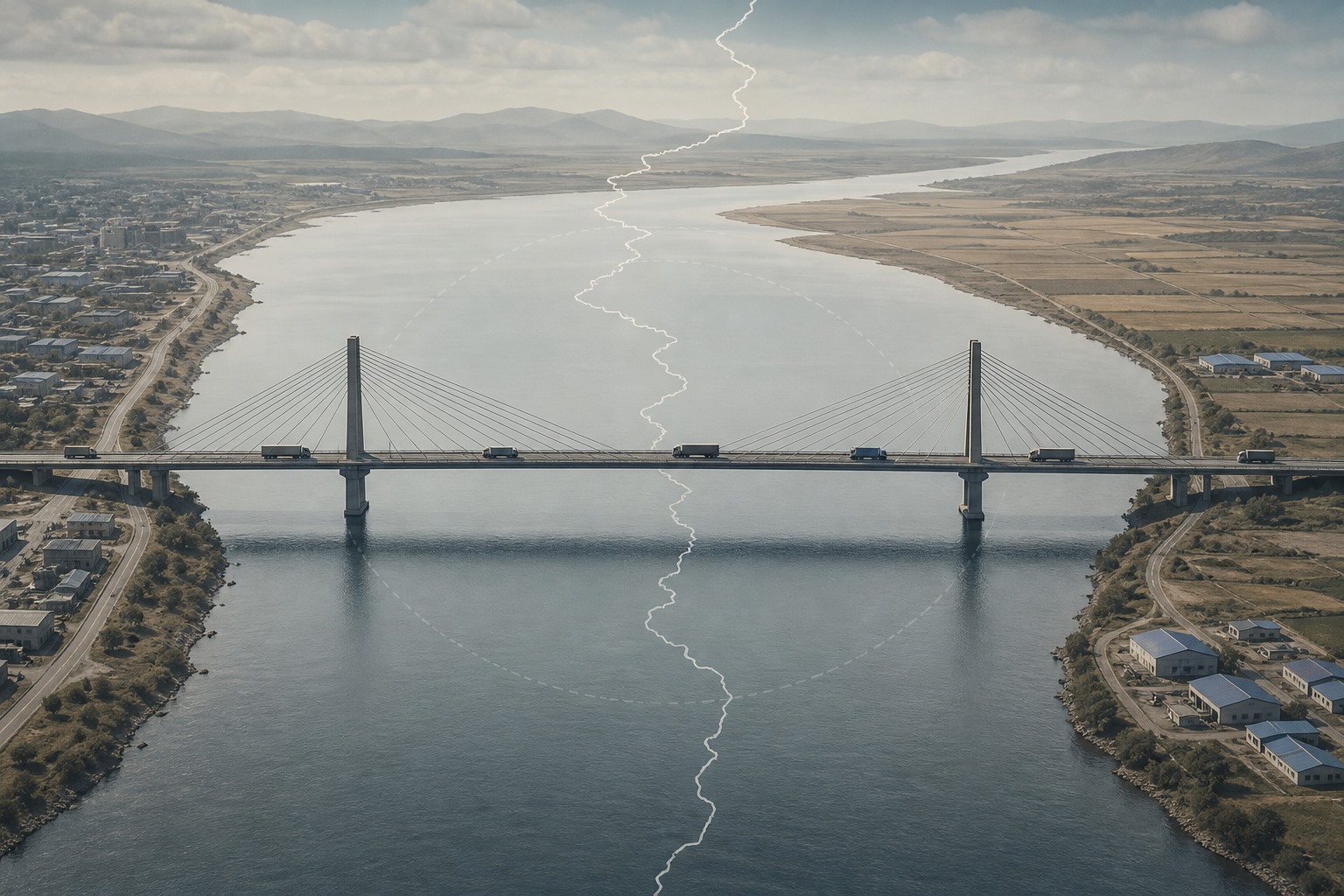
FIRST TRUCKS CROSSED IN OCTOBER
According to satellite imagery, work on the connections on the North Korean side accelerated following the meeting between North Korean leader Kim Jong-un and Chinese President Xi Jinping in 2019. The first truck crossings over the bridge took place on October 15.
It was reported that Kim Jong-un crossed to the other side of the border using the bridge on October 24 and met with Wang Huning, a high-ranking official of the Chinese Communist Party. This crossing also increased the symbolic importance of the bridge.
The new line is expected to significantly increase logistics capacity in trade between the two countries. Previously, most trade was conducted via the old metal bridge between Dandong and Sinuiju. Built by the Japanese military in the 1930s, this crossing only allowed for the passage of trucks weighing up to 20 tons.
The opening comes at a time when regional balances are shifting. North Korea's acceleration of its strategic rapprochement with Russia and the development of its land connection with Moscow have led to comments that Beijing is increasing its economic and political contacts with Pyongyang.
It is stated that the Beijing administration is trying to avoid the perception that the expansion of trade via the bridge weakens the sanctions regime against North Korea. China has not abandoned its official stance on the denuclearization of North Korea; however, assessments that it is not conducting active diplomacy on this issue are also coming to the fore.
News Source: 12punto