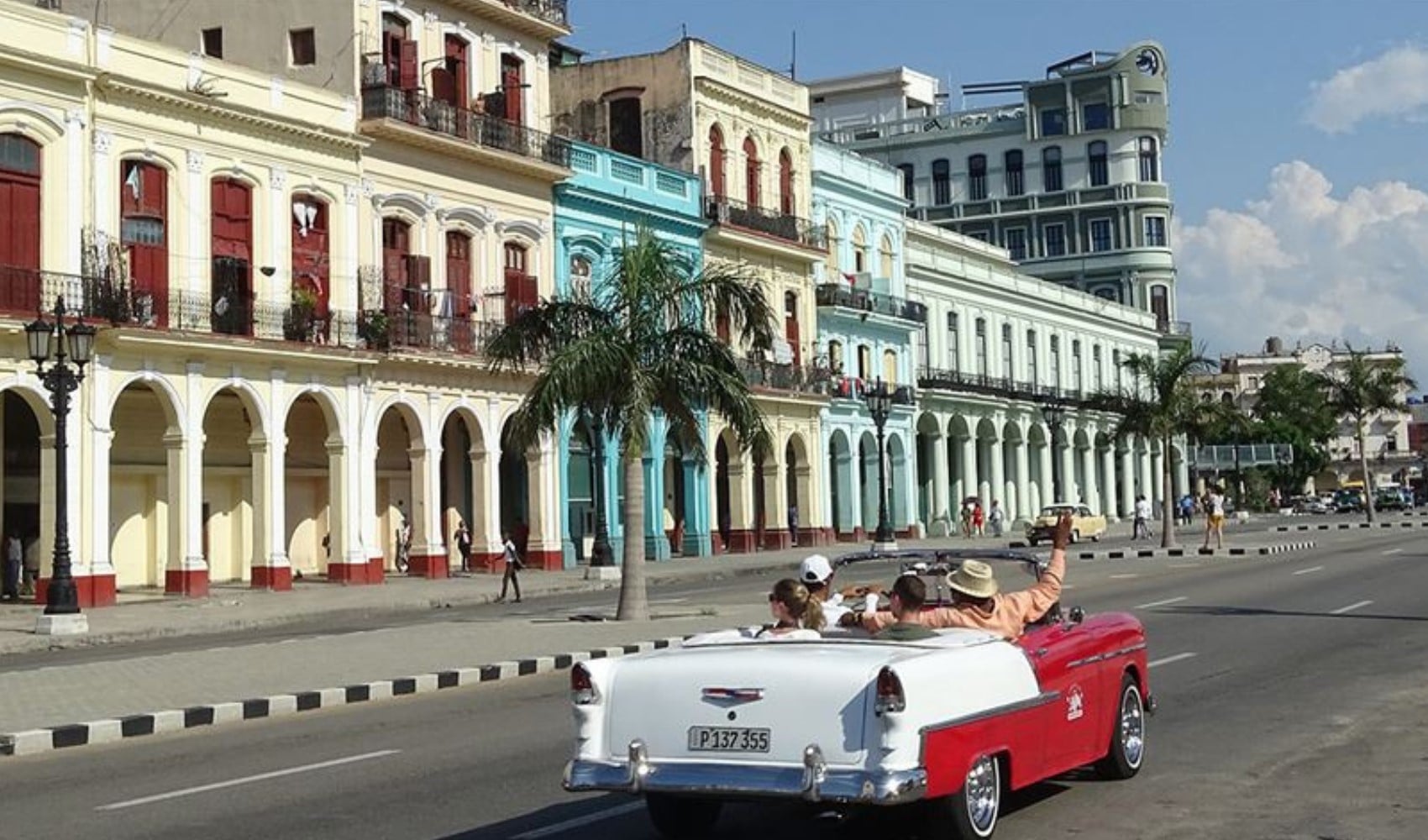
Following the death of Fidel Castro, Cuba has entered a period of major collapse and is facing the greatest economic and social crisis in its history. According to an analysis by The Economist, Cuba has entered a serious process of decline due to low wages, shortages of basic necessities, and mass migration. Economic hardships are manifesting across a wide spectrum, from power outages felt in daily life to the breakdown of healthcare services.
POWER OUTAGES AND THE CRISIS OF ESSENTIAL SERVICES
While power outages in the country have become a part of daily life, there are also major disruptions in healthcare, transportation, and food supply. While the monthly income of state employees remains between 5 and 14 dollars, the prices of basic food items are far above these wages. Many Cubans are struggling to eat even one meal a day, and the United Nations World Food Programme is sending aid for children.
TRANSPORTATION, HEALTHCARE SERVICES, AND THE MIGRATION DISASTER
The transportation system in Cuba has completely collapsed. While gasoline has fallen into the black market, only 3 percent of medicines can be procured. The number of people migrating from Cuba is increasing rapidly; since 2020, approximately 2.75 million people have left the country. The healthcare sector has also taken a major hit; more than half of the doctors in the country have gone abroad. With these developments, Cuba's population is rapidly declining, and the fertility rate has fallen to 1.29.
SECTORS ARE COLLAPSING, CURRENCY IS LOSING VALUE
While sugar production, Cuba's symbolic sector, has fallen to its lowest level in history, the tourism sector has also failed to recover. The peso has lost significant value in recent years, rising from 24 to over 450 against 1 US dollar.
PRIVATE SECTOR IS THE ONLY VIBRANT AREA
In the midst of the crisis, the private sector stands out as the only vibrant area in Cuba. However, the government has both become dependent on the private sector and is imposing obstacles due to a fear of losing control. The lack of reformist leadership and increasing political pressure make it difficult for the country to overcome the crisis.
ON THE BRINK OF AN IRREVERSIBLE DISASTER
According to analyses, it is stated that if Cuba does not implement radical reforms under these conditions, it is rapidly heading toward an "irreversible disaster." It is emphasized that unless fundamental changes are made to the country's economic and social system, this collapse will continue and pose a major threat to the country's future.
News Source: 12punto