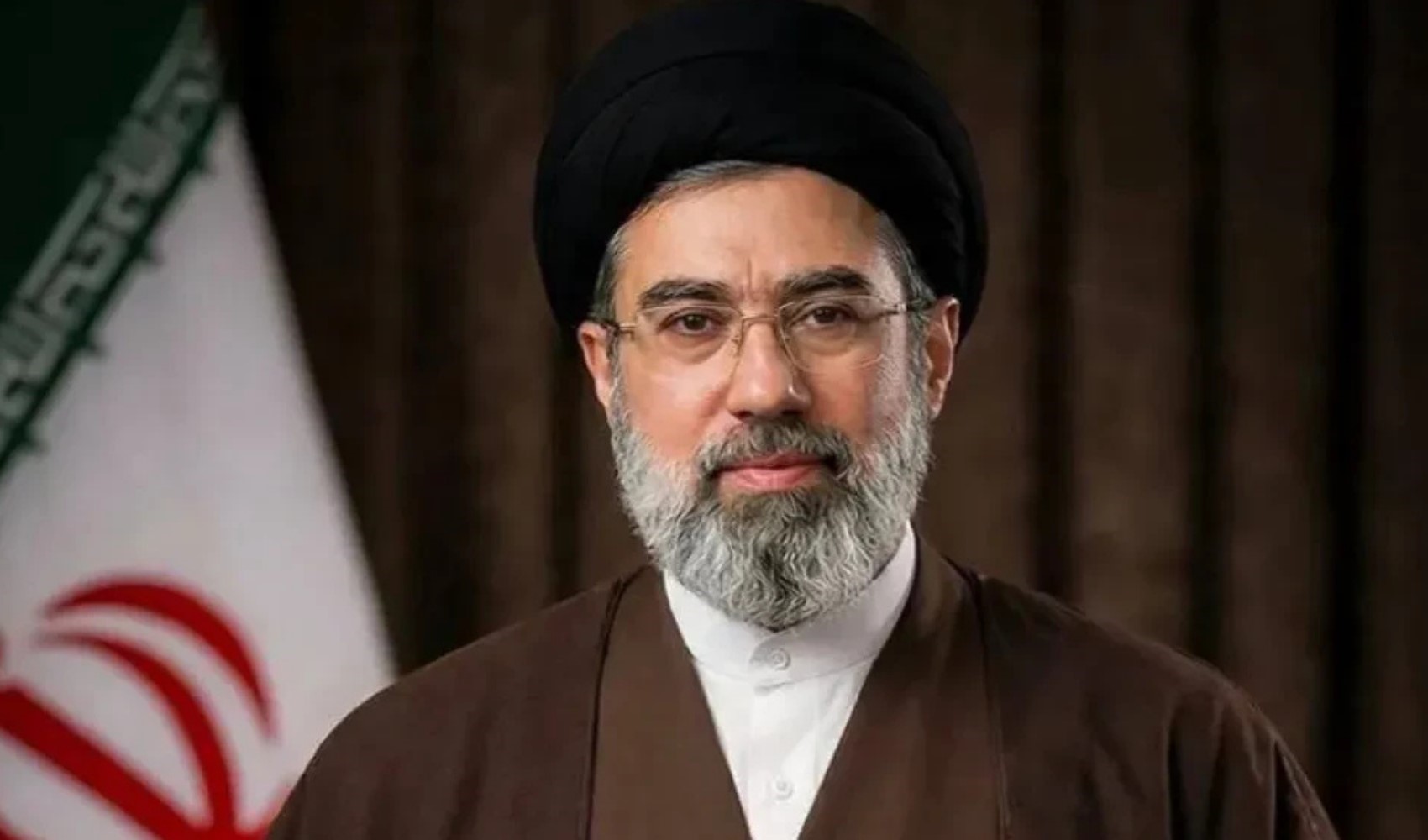
Iranian leader Ayatollah Mojtaba Khamenei has called on the leaders of Gulf countries to act together against the US and Israel. In a message published on his Telegram account as part of Islamic Unity Week, Khamenei argued that division among Muslim countries serves the interests of extra-regional powers.
Addressing Western Asia and Gulf countries in particular, Khamenei stated, "Know your true enemy, understand their plan, and fight against them." The Iranian leader emphasized that the call for unity should not remain merely at a political level, requesting the development of cooperation and mutual defense mechanisms in various fields.
In his message, Khamenei claimed that those who cause division in Muslim countries serve the agenda of Islam's enemies, "whether knowingly or unknowingly." Referring to the situation of the Palestinians, Khamenei asked whether the Palestinian people would be left as defenseless as they are today if Muslim countries acted together.
MESSAGE TO GULF MONARCHIES
In a notable part of his statement, Khamenei argued that if the peoples and governments on the shores of the Persian Gulf were "united under the banner of Islam," powers coming from thousands of kilometers away would not dare to claim rights over the region's lands and wealth.
In the message reported by Tasnim, which is close to the Iranian state, Khamenei asserted that the US and Israel are enemies not only of Iran but of all Muslim countries. Khamenei stated that regional administrations allied with Washington are "not exempt" from this situation.
Khamenei's call comes at a time when the security relations of Gulf countries with the US are being re-evaluated. During the war that began with attacks on Iran, Tehran's significant restriction of maritime traffic in the Strait of Hormuz and its targeting of Gulf countries where US troops are stationed have raised questions regarding Washington's security guarantees in the region.
While alternative security arrangements that could reduce dependence on the US are being discussed more frequently in regional capitals, the Strait of Hormuz stands out as an important trump card for Iran. Increasing its control over this transit point, which is critical for global energy trade, Tehran is trying to use this card both to deter new attacks and to secure political and economic concessions.
News Source: 12punto