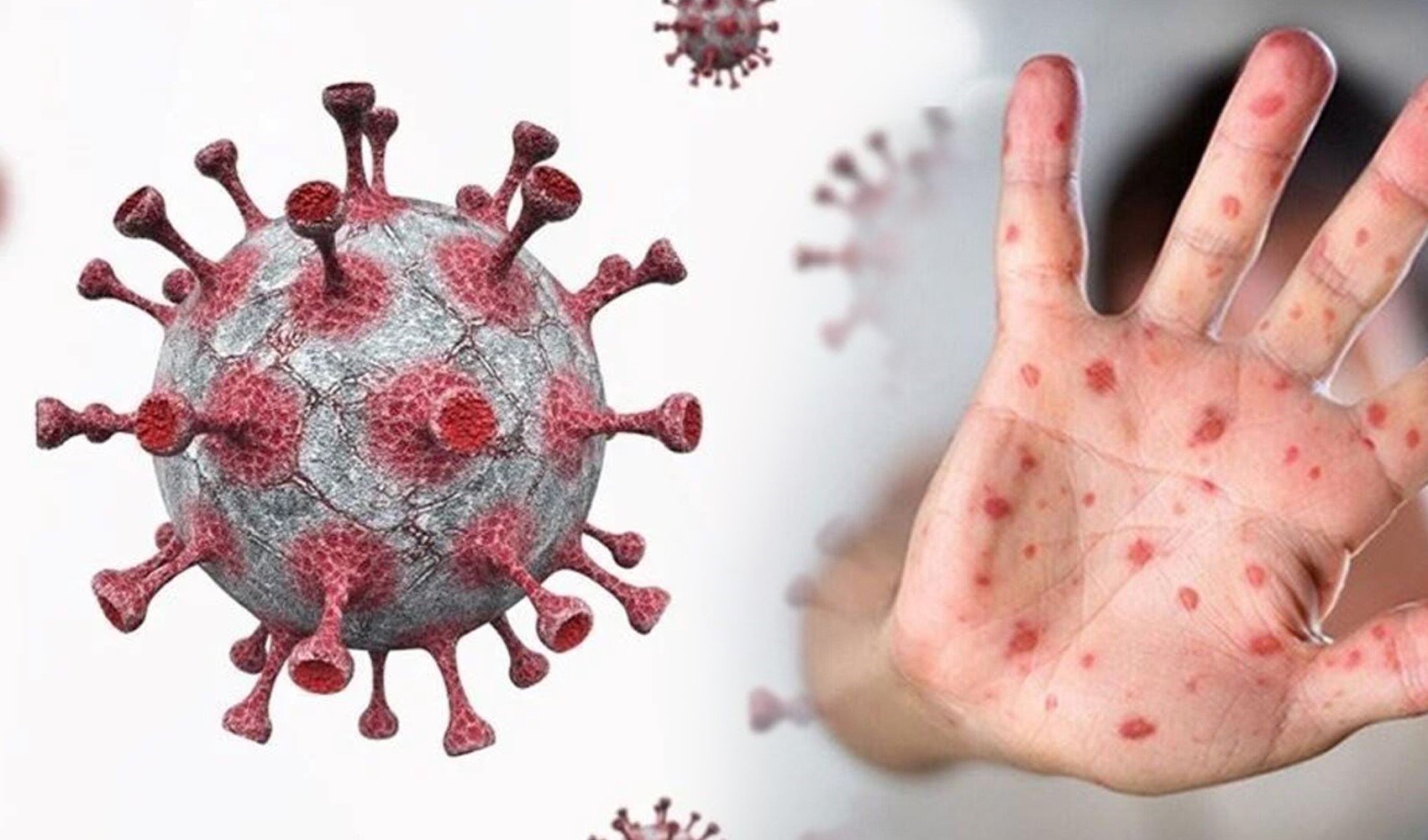
The World Health Organization (WHO) had declared a global public health emergency due to the spread of the Mpox disease, which emerged in the Democratic Republic of the Congo, to neighboring countries and the rapid transmission of the Ib variant, a new strain of the virus. These concerns led to serious warnings regarding the cross-border spread of the disease.
The World Health Organization (WHO) issued a statement regarding the global strategic preparedness and response plan launched to bring the Mpox virus under control. The WHO stated that this plan was created following the declaration of the Mpox virus as a "public health emergency of international concern" on August 14.
It was stated that WHO member countries were informed about the plan on August 23. It is projected that 135 million dollars in funding will be needed for the response to the virus by the WHO, member countries, partners such as the Africa Centres for Disease Control and Prevention (Africa CDC), communities, and researchers during the 6-month period covering September 2024 to February 2025. The WHO announced that it will soon issue a funding appeal in this context.
Prepared in line with the recommendations of WHO Director-General Tedros Adhanom Ghebreyesus, the plan aims to implement comprehensive surveillance, prevention, preparedness, and response strategies, and to advance research on the virus. The plan also includes ensuring equitable access to tests and vaccines, minimizing animal-to-human transmission, and the active participation of communities in outbreak prevention and control efforts.
It is stated that strategic vaccination efforts will be applied to high-risk individuals, especially close contacts of recent cases and healthcare workers, in order to break transmission chains. The WHO aims to work with various partners at international, regional, national, and local levels to increase the coordination of this process.
Ghebreyesus stated that the Mpox virus outbreaks in the Democratic Republic of the Congo and neighboring countries can be brought under control and stopped. He emphasized that a comprehensive and coordinated action plan among international organizations, national and local partners, non-governmental organizations, researchers, and WHO member countries is necessary to bring the outbreak under control.
WHAT IS THE MPOX VIRUS? IS IT CONTAGIOUS?
The Mpox virus can be transmitted from rodents (such as mice and squirrels) or infected individuals. Transmission routes of the virus include contact with body rashes, using items contaminated by these rashes such as clothing, bed sheets, or towels, and contact with body fluids. The first symptoms can appear within 5 to 21 days after contracting the virus. Symptoms include high fever, headache, back and muscle pain, swollen lymph nodes, fatigue, chills, shivering, and skin blisters similar to chickenpox. The disease, which has no specific treatment method, is usually treated with antiviral drugs, and most cases are mild and recover within a few weeks. In 2022, the WHO changed the name "monkeypox" to "mpox" due to concerns about racism and discrimination.
News Source: AA