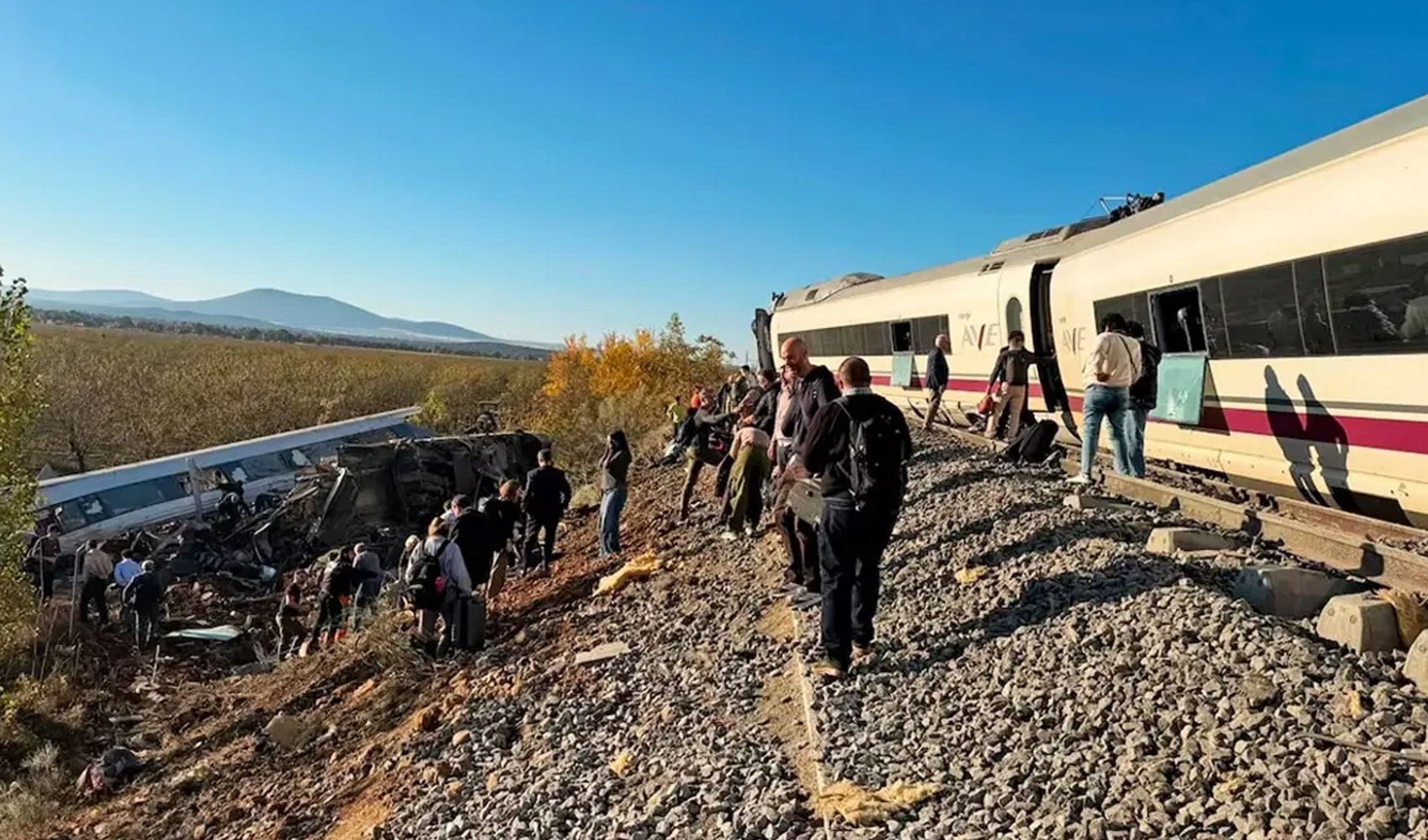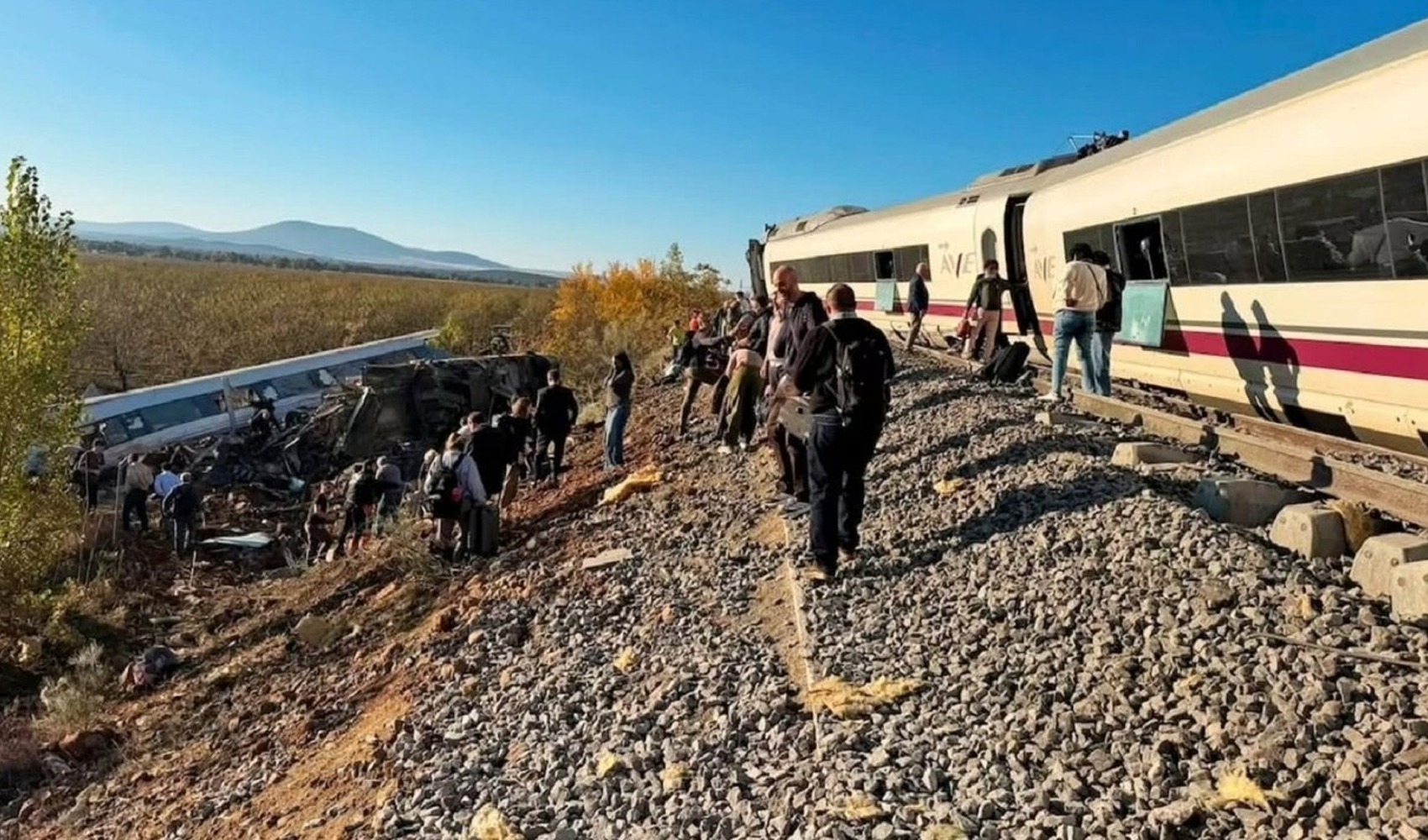
Sixty-eight people have lost their lives following a collision between two high-speed passenger trains in Spain. The accident, which occurred approximately 118 kilometers south of Madrid, has been recorded as one of the deadliest railway disasters in the country in over a decade.
Prime Minister Pedro Sanchez declared three days of national mourning following the accident. Major political parties, with the exception of Vox, have suspended their planned election campaign activities. The disaster has increased pressure on the government in a country where the election process is already intense.
In a statement at the scene, Sanchez said that the accident would be investigated in all its aspects and that those responsible would be held accountable. As this is the second major high-speed train collision in Spain this year, debates regarding railway safety have returned to the agenda.
INITIAL FINDINGS POINT TO HUMAN ERROR
According to information provided by Minister of Transport Óscar Puente, the railway's automatic safety system was disabled around 08:30. Following this, trains in the region were stopped and control was transferred to the Adif center in Madrid.
It is stated that about six minutes later, an official at the Adif center gave instructions for a Renfe train to continue its movement despite a red signal for a train stopped further ahead on the line. The Renfe train collided with the stationary Iryo train after traveling 25 kilometers.
Puente said, “An instruction was given to resume the journey. There was time to correct this decision.” The ministry's initial assessments indicate that, unlike another collision earlier this year, the accident may be related more to human error and a breakdown in the communication chain than to a technical failure.
Sanchez, stating that the government commission investigating railway accidents would lead the process, said, “It is unacceptable for a country like Spain to experience two high-speed train accidents in the same year.” The Prime Minister said that necessary measures would be taken to restore trust and guarantee passenger safety.
The political repercussions of the accident also emerged quickly. While Vox leader Santiago Abascal targeted the government, People's Party leader Alberto Núñez Feijóo avoided entering into a direct political debate, stating, “Today is not the day for this.” A message of “Enough is enough” was shared from the official X account of the People's Party.
It was reported that the carriages that derailed at the scene of the accident were thrown down a steep slope, and that local residents also supported the rescue efforts. Local business owner Eva María Masías, who brought aid to the scene, described the scene she witnessed as “literally a hellish sight.”
News Source: 12punto