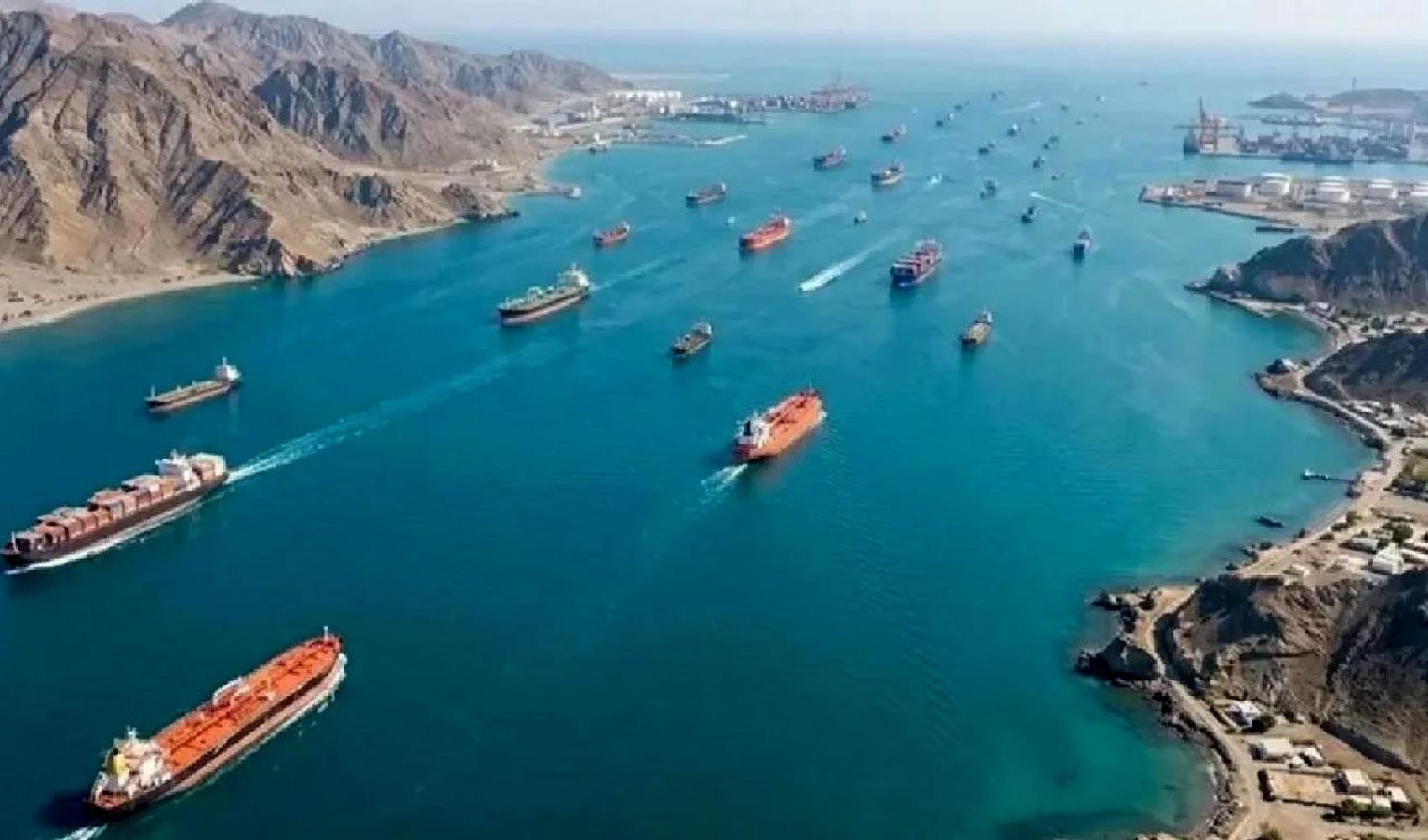
The National Security and Foreign Policy Commission of the Iranian Parliament has approved a critical article in the regulation regarding tolls for ships passing through the Strait of Hormuz. The regulation provides for the collection of fees from ships in exchange for certain services offered in the strait.
According to the official Iranian news agency IRNA, Commission Spokesperson Hassan Ghashghavi announced that deliberations on the bill titled "Strategic Action Plan for Ensuring the Security and Development of the Strait of Hormuz" are ongoing. Ghashghavi reported that Article 3, which had been previously postponed, was approved in the latest meeting.
According to the approved article, fees may be collected for maritime, environmental, emergency refueling, insurance, and security services. The bill states that other services provided in the Strait of Hormuz may also be included in the toll scope.
PAYMENTS CAN BE MADE IN IRANIAN RIAL
Under the plan, it is envisaged that fees will be collected from ships of countries permitted to pass through the Strait of Hormuz. It was stated that payments could be made in Iranian rials or in another currency to be determined by Tehran.
Ghashghavi said that the rights of countries with coastlines on the Strait of Hormuz were taken into account while the bill was being drafted. While the bill points out that maritime transport should be free within the framework of international law and rules, it emphasizes that the security and sovereignty rights of coastal countries must be respected.
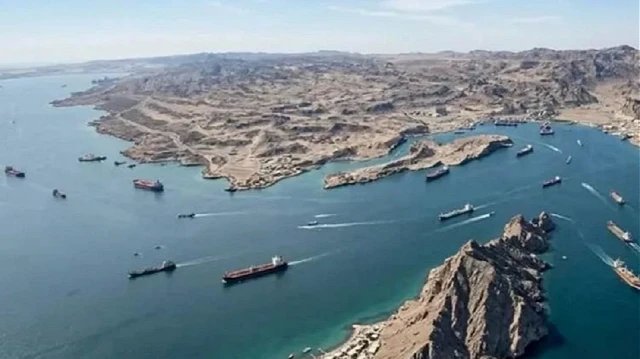
The commission spokesperson also stated that the Strait of Hormuz and the Persian Gulf have unique conditions, and recalled the political declaration issued by Oman after it accepted the 1982 United Nations Convention on the Law of the Sea. Ghashghavi argued that the provisions of the convention should not violate the national sovereignty and security of countries.
For the bill to enter into force, it must be approved by the General Assembly of the Iranian Parliament following the commission process. The text passed by the General Assembly will be sent to the Guardian Council. Following the Council's approval, the regulation can enter into force upon its publication by the President.
News Source: 12punto