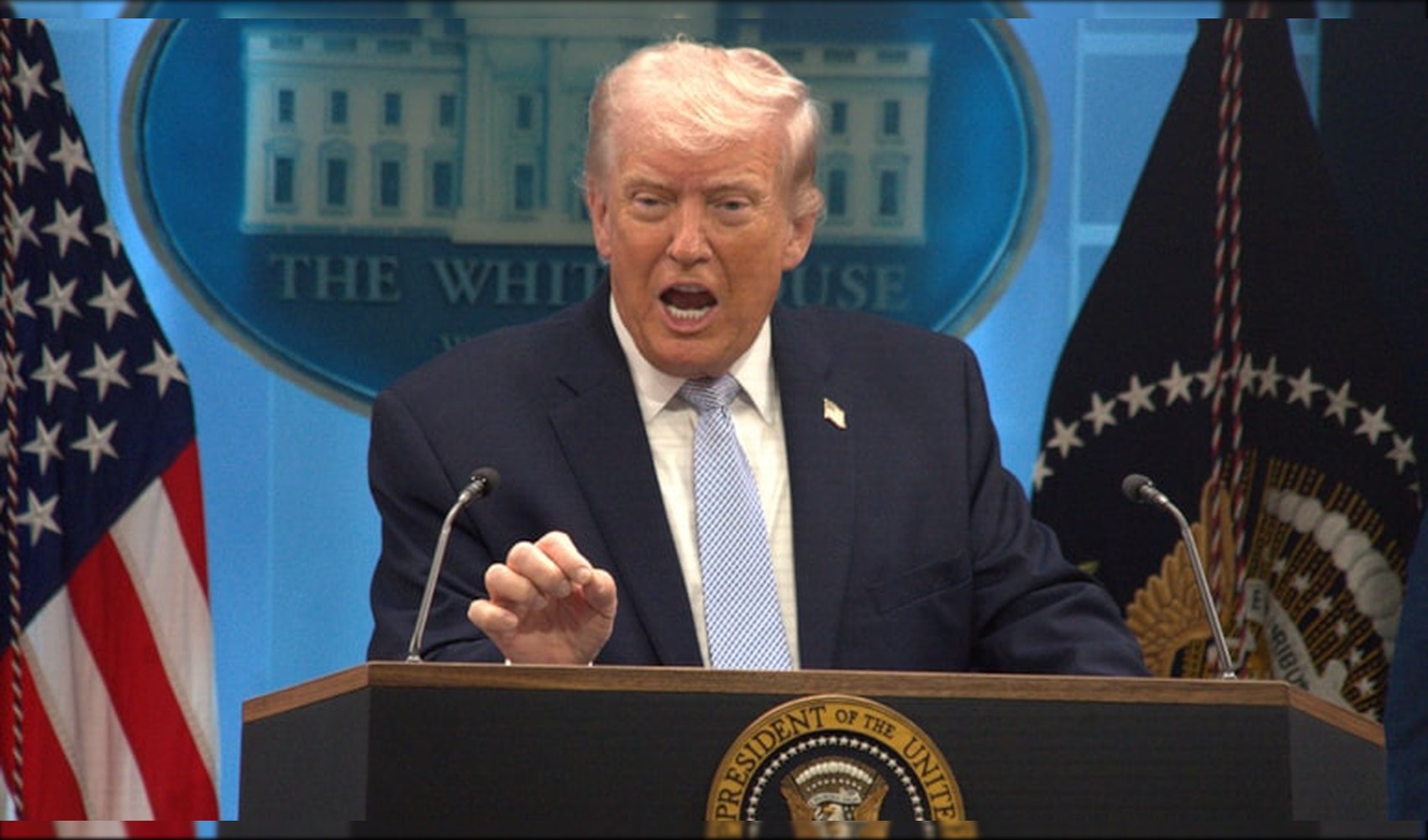
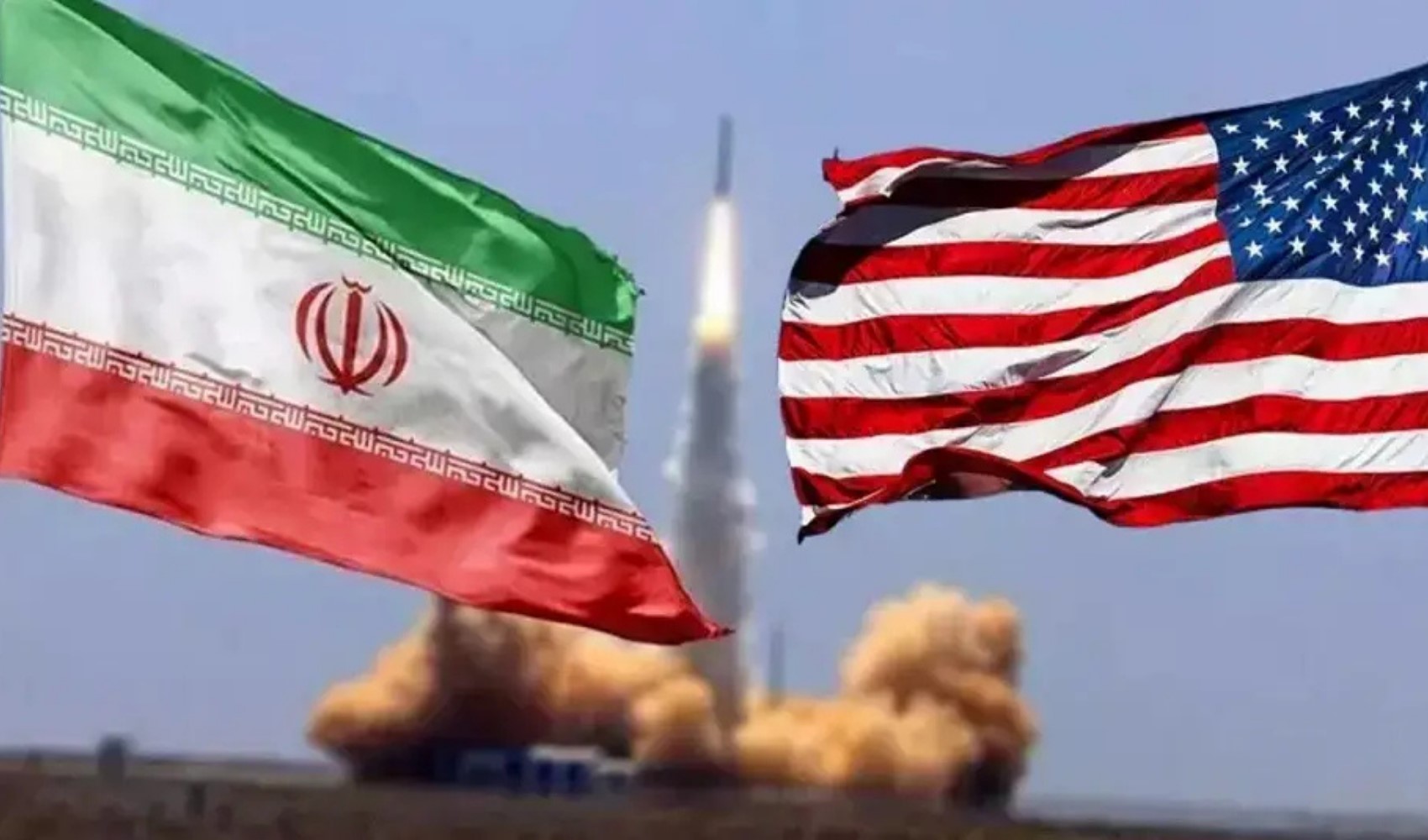
Tensions in oil markets rose after US President Donald Trump threatened "the most crushing economic operation ever conducted against a country" regarding Iran. Following the statements, oil prices rose by more than 3% in the early part of the session, with Brent crude reaching as high as $94.71 during the day.
US Treasury Secretary Scott Bessent said Washington is preparing to impose "the heaviest sanctions in history" against Iran. Bessent stated that Trump would share details regarding the matter at a press conference on Monday.
BESSENT: MARKETS MISINTERPRETED
Speaking to CNBC, Bessent argued that economic pressure on Iran would reduce the likelihood of military intervention. Stating that he was surprised by the rise in oil prices, Bessent said, "I think the oil markets have misinterpreted what this economic pressure means."
Bessent stated, "We have asymmetric information, and I am not sure why oil is rising on this development." The US Treasury Secretary added, "If we are applying maximum economic pressure, this means that a large-scale military intervention is unlikely to occur."
Bessent also called on China, one of Iran's largest trading partners, to cooperate with the US. Pointing to China's share in energy supply from the Gulf region, Bessent said that "everyone wants" energy prices to fall again.
REACTION FROM CHINA TO SANCTIONS
A spokesperson for the Chinese Embassy in Washington emphasized in response to Bessent's statements that sanctions would not bring a solution. The spokesperson stated, "Regarding the Iran issue, sanctions and pressure do not help solve the problem. China calls on the relevant parties to take responsible steps and resolve the issue through political and diplomatic means."
According to 2025 data from the analysis firm Kpler, China purchases more than 80% of the oil Iran exports by sea. For this reason, the question of whether Washington will target Beijing due to its trade with Iran stands out as one of the critical topics for US-China relations as well as energy markets.
On the Iranian side, calls for economic preparation are being made against the US's new threat of sanctions. Iranian Parliament Speaker Mohammad Bagher Ghalibaf, in a meeting with Iranian and Iraqi businesspeople in Baghdad, said that "planning against unfair sanctions" must be carried out.
Ghalibaf stated that trade in national currencies is possible and that security and economy complement each other. The Iranian official expressed that military power alone would not ensure sustainability, and that economic growth and domestic production are also decisive.
News Source: 12punto