

The secret to the durability of Toyota engines: Consistent engineering and production culture over high power
Toyota's reputation for engine longevity is based on a combination of measured power, precise manufacturing tolerances, effective cooling, and the Kaizen culture.



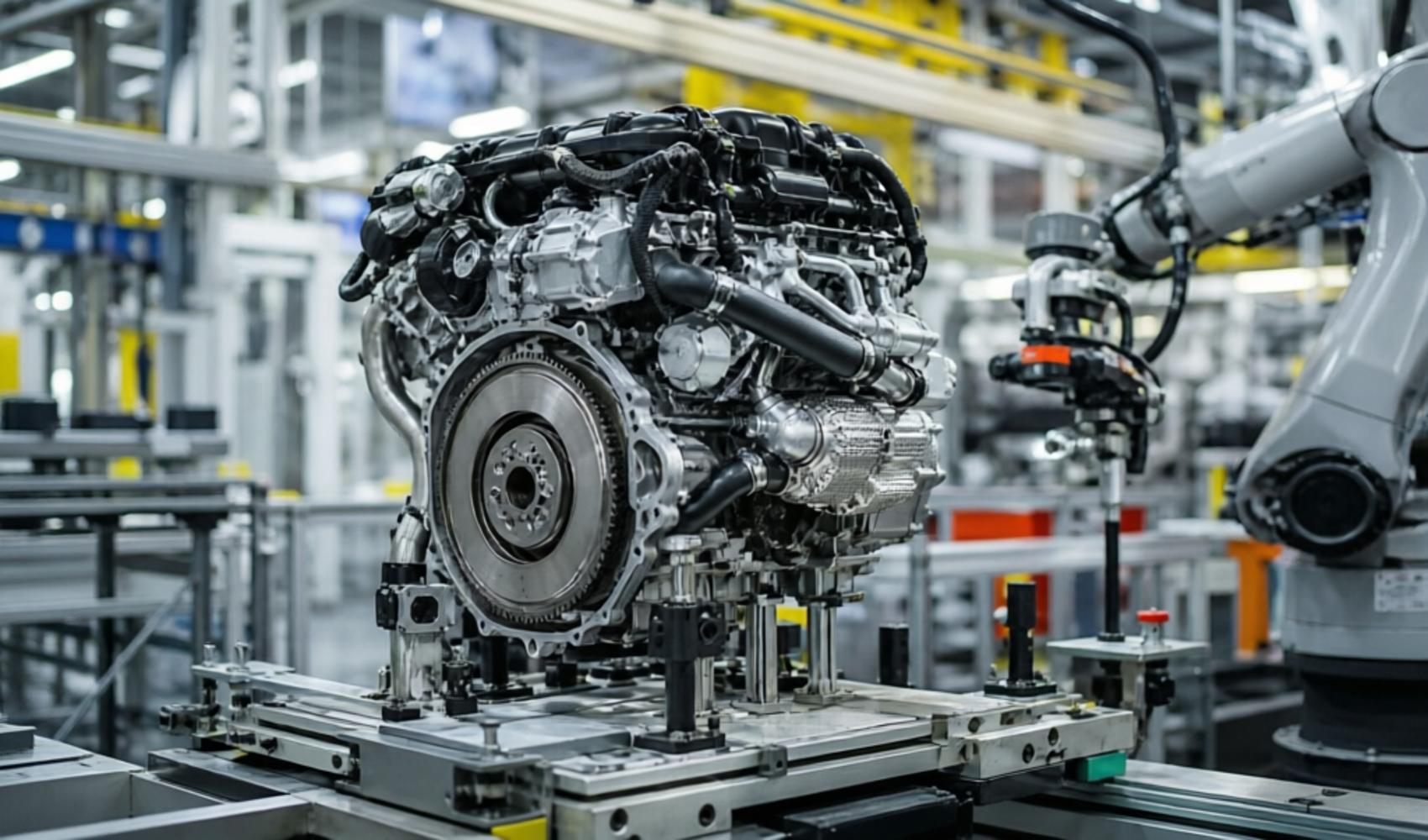
Toyota's reputation for automobile and especially engine durability is not attributed to a single "magic" part or a standalone production technique. Behind the brand's perception of long-lasting engines lies a multi-layered engineering approach that extends from the way power is generated to part tolerances, cooling and lubrication systems, and production culture.
One of the most striking aspects of this approach is that it does not always aim for the highest power values. In Toyota's naturally aspirated engines, which have been used for many years, more balanced power preferences stand out. The fact that the engine does not constantly operate at its limit helps keep the load on moving parts such as pistons, rings, bearings, and the crankshaft more controlled.
Some power values that appear less ambitious than those of competitors on paper are not a weakness in this respect; they can be evaluated as a conscious engineering choice that prioritizes long service life. Keeping the temperature and pressure inside the engine at more manageable levels contributes to keeping wear that may occur over time under control.
CHOICES THAT DETERMINE DURABILITY
Inside the engine, metal parts operate at very high speeds and with repetitive movements over many years. For this reason, how compatibly the parts are manufactured with each other is of great importance. Measurement ranges, referred to as "tolerances" in engineering, are decisive at critical points such as the gap between the piston and the cylinder. While a gap that is too narrow can create problems after heating, a gap that is too wide can increase the risk of oil consumption and wear.
Toyota's emphasis on production quality also comes into play at this point. The goal is not just to produce robust parts; it is to ensure that thousands of parts in mass production fit together as consistently as possible. This consistency paves the way for the engine to operate more predictably and trouble-free in the long term.
Another critical topic in durability is heat management. In internal combustion engines, a high amount of heat is generated during combustion. Failure to remove this heat correctly can lead to serious problems in areas such as the gasket, cylinder head, piston, and lubrication system. For this reason, the radiator, water pump, thermostat, and internal engine cooling channels are not just parts that prevent overheating; they are among the fundamental elements of engine health.
The relatively simple structures of some Toyota engines produced in the past also play a role in them being remembered for their longevity. Naturally aspirated induction, low specific power, and less complex auxiliary systems can reduce the number of components that could fail. Although more complex technologies provide advantages in performance or efficiency, design simplicity can be an important factor in long-term durability.
Company culture complements this picture as much as technical choices. Toyota's philosophy of continuous improvement, known as "kaizen," aims not only to fix a problem but to find out why it occurred and prevent its recurrence. In the Toyota Production System, not leaving quality control to the end of production and questioning the process when a problem is seen are also part of this approach.
As a result, the durability of Toyota engines stands out as a result created by the combination of measured power, precise manufacturing tolerances, effective cooling, simple design choices, and a quality culture embedded in production processes.
News Source: 12punto
Most Read

Price hike for Netflix Turkey plans

Market values updated in the Süper Lig

'Fatma Betül Sayan Kaya changed 60 chiefs of staff'

29 more workers dismissed at Üsküdar Municipality

'The league starts in a week, and there is no MHK'

Fear has gripped the mountains!

The amount Melis Sütşurup earned from the fund is staggering

Supreme Court ruling on retirement affects millions!

A magnificent farewell to Bosnia and Herzegovina legend Edin Dzeko

The American dream: Work and Travel