


The genetic codes of anti-military sentiment



To understand the unchanging codes of reactionism from the Ottoman Empire to the Republic, it is essential to know the 31 March 1909 uprising in all its dimensions. The justification for the 1730 Patrona Halil and 1807 Kabakçı Mustafa uprisings was, “The Sharia is slipping away.”
In the uprising led by the former Janissary Patrona Halil, a familiar face in the taverns of Istanbul, the head of Grand Vizier Damat Ibrahim Pasha would be taken, and modernization attempts would come to an end.
“The Sharia is slipping away” was also the main slogan of the 1807 Kabakçı Mustafa rebellion. Nizam-ı Cedit (New Order) is the name of Sultan Selim III's project to modernize the state in military, civil, economic, and social aspects. The organized reaction of the madrasa, the Janissary Corps, and all opponents of modernization was led by Kabakçı Mustafa, the chief of the Bosphorus yamaks (auxiliary troops). Interestingly, major powers like England, France, and Russia were also against Ottoman modernization! The anti-reformist Madrasa-Janissary alliance would emerge victorious once again.
Under pressure from the rebels who murdered pro-reform statesmen and declared, "We do not want the Sultan either," Selim III would be deposed and replaced by Mustafa IV. The reactionism that took over Istanbul would be dealt with by the alliance of the Ruschuk Ayan Alemdar Mustafa, the Seymens, and the Kircaali Army, which marched on Istanbul.
When Alemdar arrived at Topkapi to restore Selim III to the throne and encountered the body of the martyred sultan, he would depose Mustafa IV and place Mahmud, whom he had saved from the executioners at the last moment, on the throne. Mahmud II, who abolished the corrupt Janissary Corps (1826), had his portrait hung in government offices, initiated modernization in the army, introduced dress codes for civil servants, moved to liquidate feudalism, and opened Western-modeled schools such as the Harbiye (Military Academy) and Tıbbiye (Medical School), would be cursed by the madrasa as the “Infidel Sultan”!
Under pressure from young officers in Rumelia, the pledge that Abdul Hamid II would put the Kanuni Esasi (Constitution) into effect, open the Chamber of Deputies, and lift censorship would go down in history as the Proclamation of Freedom on July 23, 1908. The developments after July 23, 1908, were not the kind that the Madrasa would easily accept and endure. The madrasa, which did not want to lose its institutional privileges, especially regarding taxes and military service, would look for opportunities to close the door to modernity opened on July 23, 1908.
March 31, 1909, is the historical revolt of reactionism. Patrona Halil, Kabakçı Mustafa, and Muslu Beşe seemed to have risen from their graves, coming to life again on March 31, 1909, among the crowds flowing from the Fatih, Süleymaniye, and Beyazıt madrasas! The Madrasa/Janissary alliance was repeating itself, this time as the Madrasa/Hunter battalions. The Chamber of Deputies would be raided, the Minister of Justice would be killed, the deputy for Latakia would be lynched, and captured journalists, officers, and students would be brutally murdered; reactionism would take over the Ottoman capital for 2 weeks. There was no change in the rebels' slogans: "The religion is slipping away," "We do not want school-educated infidel officers, we want Alaylı (traditionally trained) officers," "We want the Sharia."
The March 31 uprising would be suppressed by the Action Army, which came from Rumelia under the command of Mahmut Şevket Pasha, with Mustafa Kemal Bey (Atatürk) as Chief of Staff, and the Taksim Barracks, where the rebels were stationed, would be shelled.
It must be known that the mental background of the Sheikh Said rebellion on February 13, 1925, and the Menemen incident on December 23, 1930, against the Republic has not changed one bit since the days of Patrona Halil and Kabakçı Mustafa, who took the heads of grand viziers and sultans.
If you miss the significance of March 31, 1909, and overlook the 100-year-old revenge hysteria of reactionism, you cannot understand the deep roots—going back centuries—of the hostility toward the soldier/army, seen by the madrasa mentality as the armed guardian of modernization and secularism, and the opposition to Atatürk and the Republic!
Would you like to get notifications about new developments and save news?
- NotificationsNew developments and breaking news
- SaveNews is stored in the app
Most Read

National Anthem surprise from Japanese Ambassador

Kılıçdaroğlu sends formal notice to YENİ Party
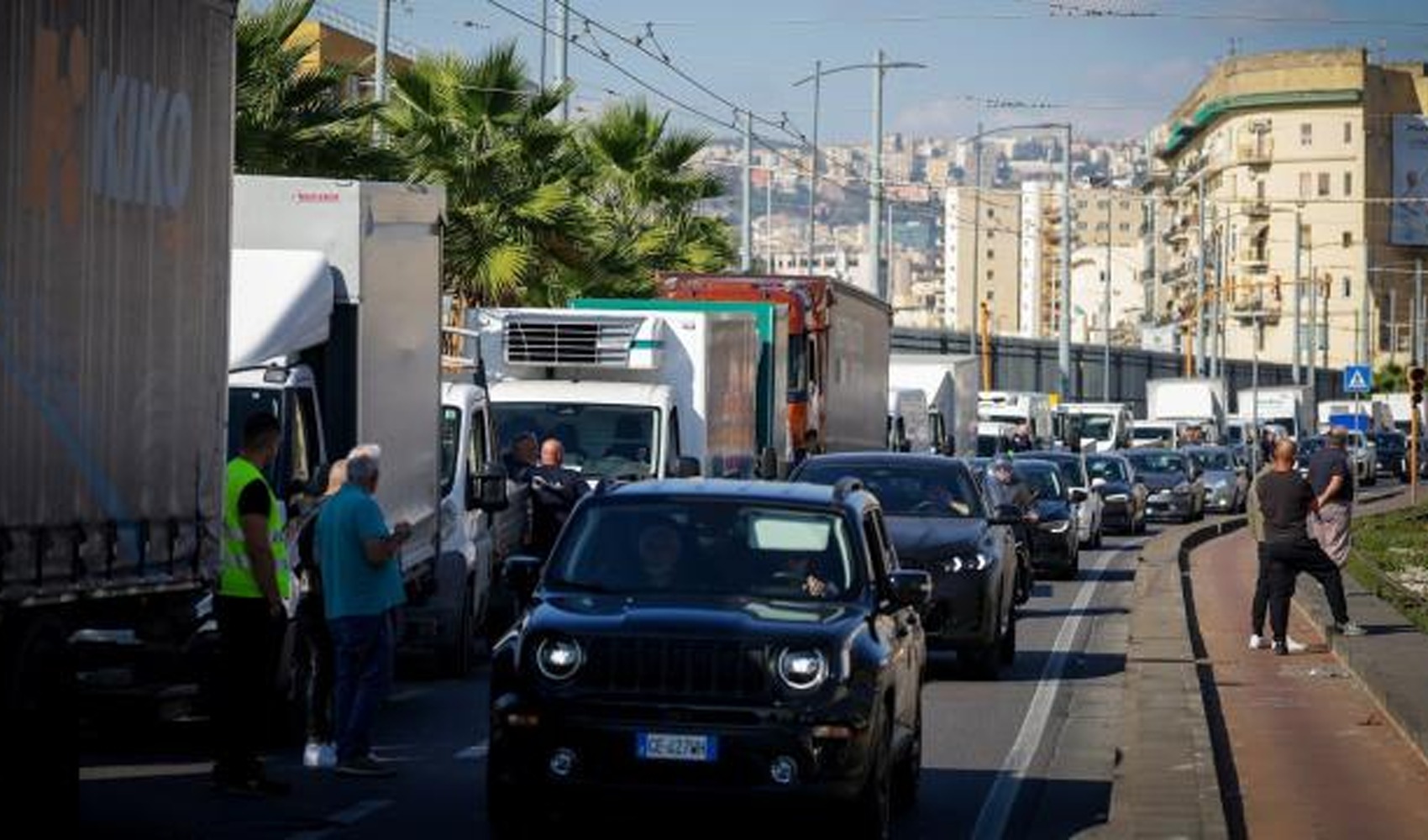
Diesel protest in Italy brings roads to a standstill
Is it time for the Turkish Parliament to revoke its 31-year-old 'Casus Belli' decision?

No to the 'opening' bar masked as change, yes to the Republic's bar
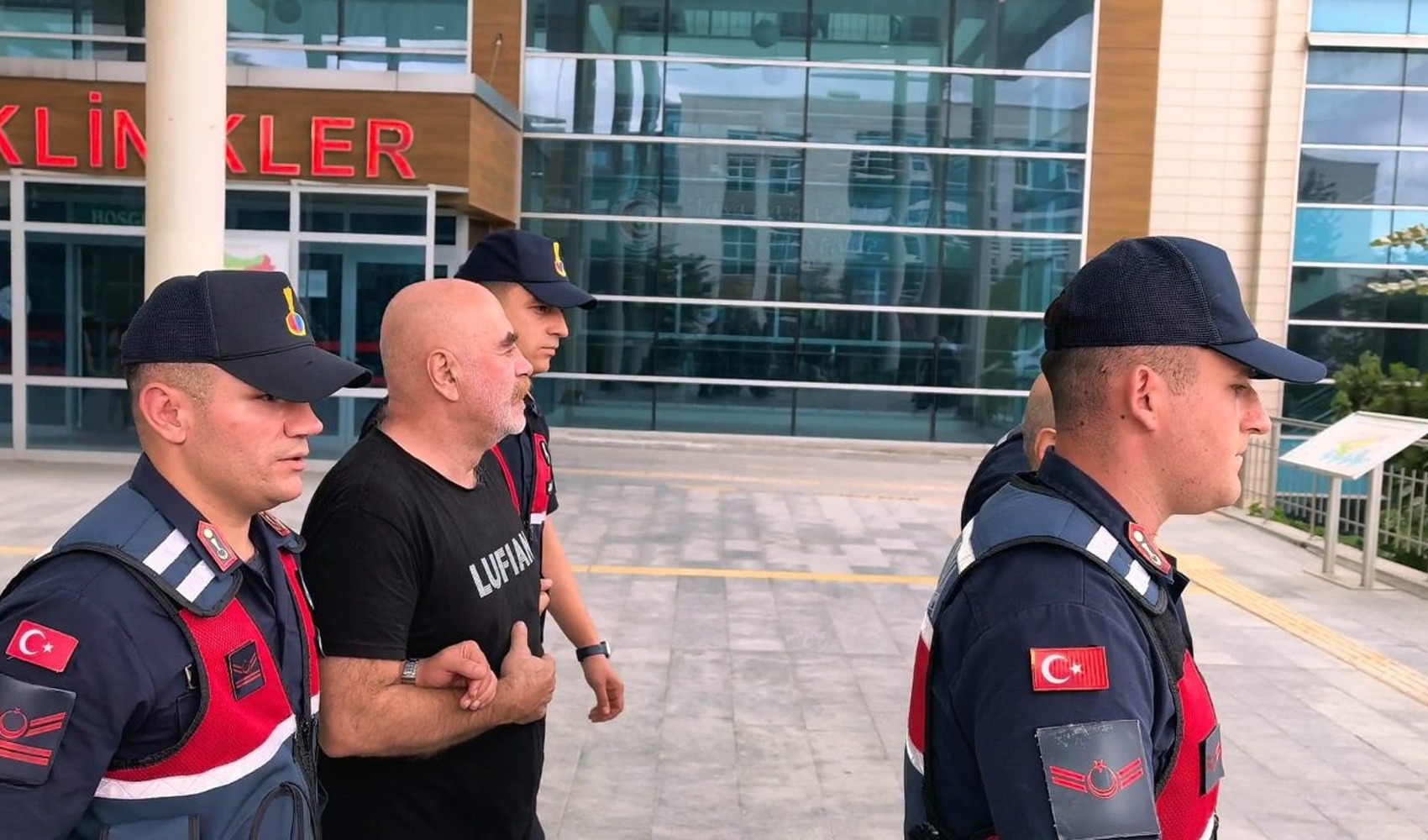
Ezel Akay and his brother's test results came back positive

Why is Paris burning? The crisis of the welfare state and the revolt of social justice

The politics of particles and the financing puzzle: 'Calamitous questions'

A new balance in the Eastern Mediterranean

Fenerbahçe's sponsor in crisis