


Media Malaise Theory



This interesting but well-known theory was proposed by Robinson in 1976, and many new dimensions have been added by other theorists since then.
The theory argues that the way the media presents news or conveys it to the public has a general negative impact on society.
This negativity is particularly concentrated in the political sphere. Its symptoms are seen in developments such as the decline in public trust in public institutions and the rise of political cynicism.
As we are all aware, in today's competitive environment, news channels generally focus on sensational news such as scandals, conflict, and drama to attract viewers.
On the other hand, although we may not realize it, this situation prevents the fair handling of current events. This is because the search for a fresher and bigger story becomes dominant. Especially since events around the world are reported instantly through social media platforms like Twitter/X, only a rapid flow of information is provided without giving space to detailed explanations of the news. We define this situation as information redundancy. This rapid flow causes confusion in public opinion and creates a distinct negative impact on politics as well as politicians.
Then, in order to gain broader news coverage—that is, to increase their own share within the intense news flow—politicians attack their rivals and engage in negative behavior. In this process, the positive work they do is ignored and left untold. Thus, a constant atmosphere of distrust and cynicism is created in society. In fact, this is a vicious cycle.
This negative perception disrupts the general atmosphere of the political sphere. For example, it has been observed in scientific research that political news creates more stress in people during the pre-election period. This leads the public to avoid such news and even stop buying newspapers or watching television. Viewers then turn to series, movies, entertainment programs, documentaries, and reality shows. If there is fighting and insults in political debate programs, viewership ratings increase.
As a result, journalism and television move away from their idealized purpose. By reducing the accountability of politicians to the public, television creates a bad impact on the foundations of democracy. This situation inevitably affects the stability of the government and, consequently, the lives of the public. Today, we can observe these effects on social media as well.
The issues emphasized by the theory contain important clues for today's media ecosystem. It is possible to say that due to increasing competition and the need for sensation in the media, trust in politicians is constantly decreasing, a negative atmosphere is being created, and this negatively affects democratic functioning.
For example, in the media, but especially on social media, extensive coverage is given to scandal and corruption news with the aim of exposing politicians.
This situation causes people to prefer staying away from elections entirely instead of voting for the right party, and public conscious participation in politics decreases. Today, the media creates negative effects in society such as alienation, diffusion, marginalization, discrediting, and political cynicism, and society remains vulnerable to all of this.
Would you like to get notifications about new developments and save news?
- NotificationsNew developments and breaking news
- SaveNews is stored in the app
Most Read
Video response to Kim Jong-un claims
Murat Ağırel’s police statement has been revealed
The Orionid meteor shower will be visible from Turkey!

Fatoş Seğmen reveals the cause of her daughter's death
Latest status in the race between AKP and YENİ Party revealed
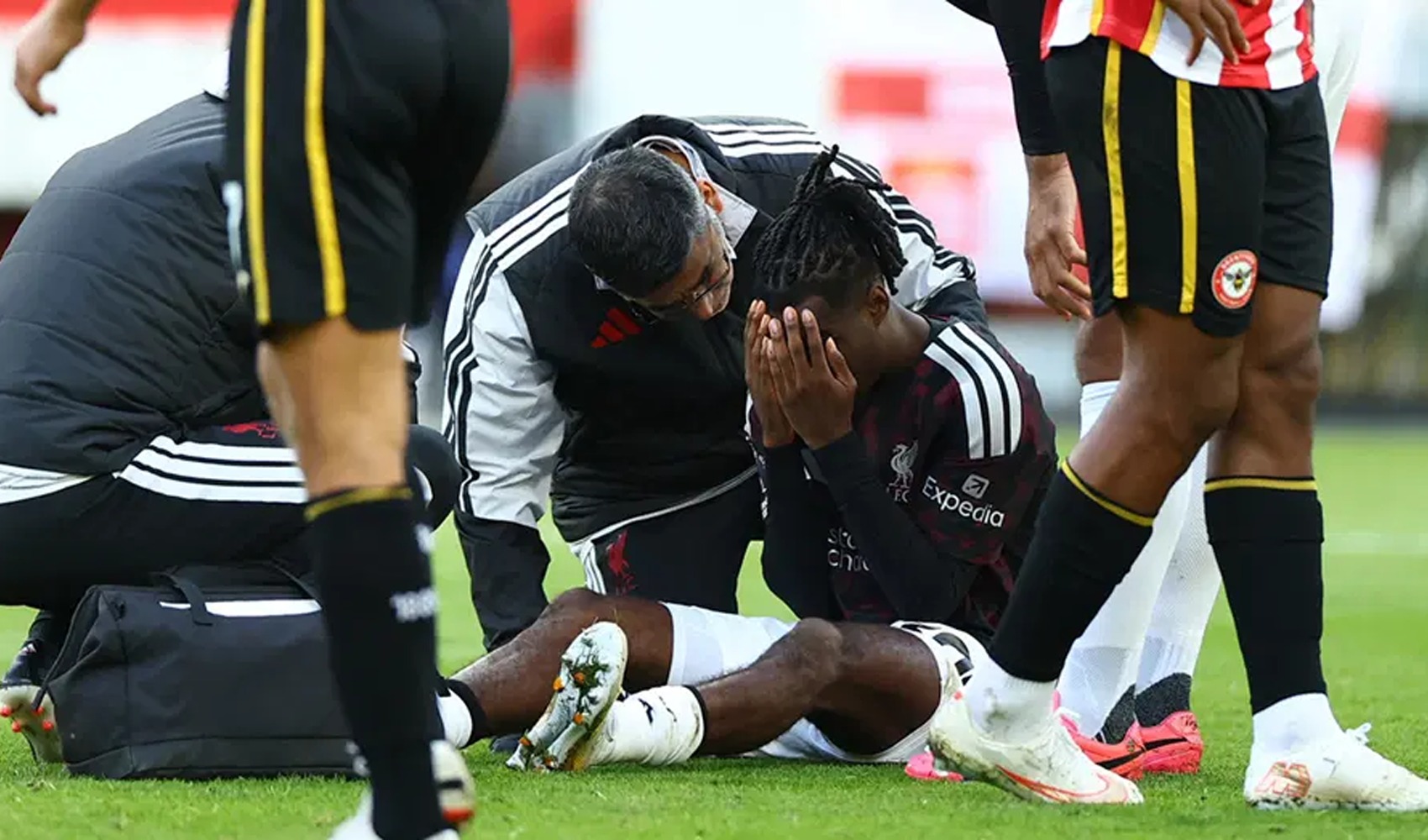
Injury shock at Liverpool: He may miss the Fenerbahçe match
From brotherhood to a distant partnership...

Who authorized the concert held in a parking garage?
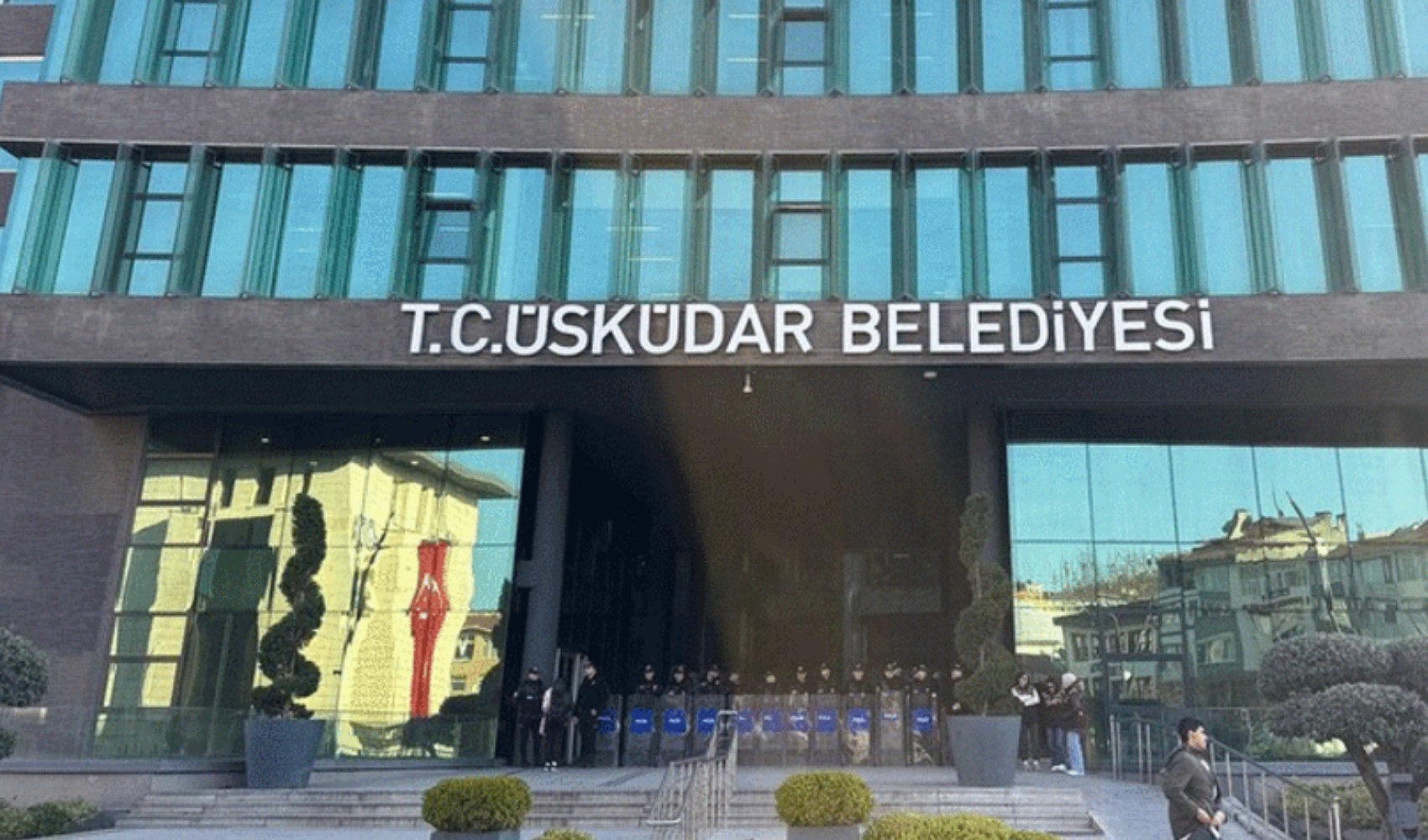
Acting mayor of Üsküdar has been determined
Good news from Izmir, may Istanbul be next