


Attorney Cenk Özdağ writes: 'We owe a debt to the Republic'


Our esteemed Editor-in-Chief Mustafa Büyüksipahi wrote this on October 29, 2026: “We owe a debt to the Republic.” On behalf of us all, he expressed his commitment to the founding values of the republic.
We have terms filled with beautiful meanings that stir our emotions, such as Republic, Enlightenment, law, rule of law, separation of powers, equality, justice, and so on. Generally, these are mentioned with pride and honor as a package, without questioning the relationship between them.
However, we do not all understand these in the same way. Moreover, the true meanings or actual conceptual relationships of these terms are different from what most of us think.
Taking Mustafa Büyüksipahi's article as an occasion, I am writing this piece to offer a warning in my own way to friends who are looking for a branch to hold onto during the turbulent days we are going through.
Separation of powers is a concept frequently invoked by progressives, democrats, and opponents in general. In general, opponents may be right to appeal to this concept. After all, the structure they are in conflict with, the current system of government, is a system where the separation of powers has been eliminated, albeit in a specific way.
However, I find it strange that progressives claim this concept. Because what is meant by the separation of powers and its conceptual burden is not clear. The purpose of Baron de Montesquieu, to whom we largely owe the concept, is completely irrelevant to that of today's opponent. The Baron was looking for a sanctuary for the aristocracy and the old regime against republican, populist rule. A sanctuary for reactionaries and conservatives where they could be reborn from their ashes in the future, or at least catch their breath. Yet, this was not the need of the revolution and the French nation. The revolutionaries were trying to establish an order that would not give the Barons and the church any room to breathe.
Although Turkish revolutionaries, such as Mustafa Kemal Atatürk and Hasan Tahsin, were saying "Defense of Rights" (Müdafaa-i Hukuk), the "law" (hukuk) here referred to the rights of a nation and the rights of oppressed citizens. Today, when we read those periods, we interpret them under the influence of post-World War II political discourse. The concept of the rule of law was formerly used, especially in Continental Europe, simply to mean the supremacy of legal rules. Today, it is used by natural law theorists—or to simplify, "those who believe in the law as it should be"—to emphasize that existing legal rules and the practices of administrations do not encompass the law and are contrary to "true law."
The current need of the Turkish nation and humanity is not the separation of powers or the rule of law. If by separation of powers we mean the protection of the definitive guarantees of legal rules, a state structure that will secure the rights of the minority, and the prevention of judicial oversight from being pruned by the executive branch, then we need that too. But humanity's current need is for strong governments that can protect collective (not just majority) interests, lead and manage the people, and implement fast, effective, and efficient solutions against social, economic, and environmental destruction. This need cannot be met with old concepts and old institutions.
The post-World War II era is behind us. The age of political interpretation and discourse dominated by the rhetoric of the "welfare state," "dollar hegemony," and "democracy" has been exhausted. We need to build the future by being aware of the needs of the era we live in and by interpreting the past within the framework of the needs of its own time. Only in this way can we pay our debt to the Republic and the arduous days that brought us to where we are today.
Would you like to get notifications about new developments and save news?
- NotificationsNew developments and breaking news
- SaveNews is stored in the app
Most Read

She filmed a dance video in a police uniform and was detained
Constitutional Court crisis in that country

Visa-free travel for Turkish citizens is ending!

His 48-year confession goes viral: He drinks cola instead of water
Striking instruction from Iranian leader Khamenei to the army

4 formulas on the table for the lowest pension

MLS claim for Lukaku: Two clubs in the mix
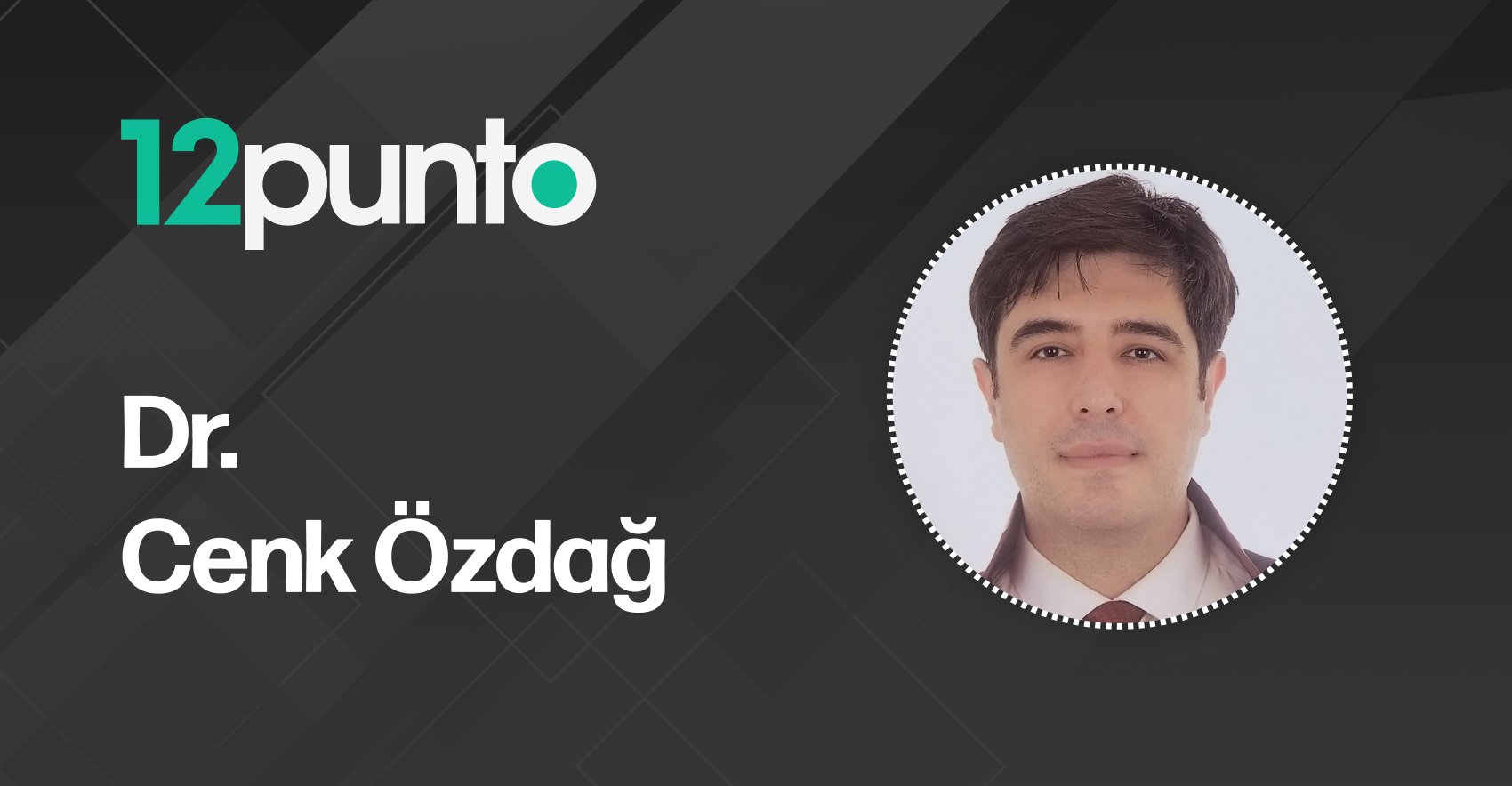
'We owe a debt to the Republic'
By whose decision was $12 million in 3 pension funds invested?
Message of return to those who left the 'Butlan' CHP for the NEW Party