


"From Turkish capital to capital from Turkey"



The War of Independence ended in victory, and the country was cleared of occupiers. In the words of Atatürk, centuries-old accounts were settled at the peace table established in Lausanne, and at the end of difficult negotiations that were interrupted for a time, Turkey's independence was legally registered.
The time had come to crown military victories with economic ones. The political architecture of the new state, symbolized by the date October 29, 1923, would be drawn by taking lessons from the collapse of the Ottoman Empire.
The final blow to the Ottoman Empire, which was struggling in the hands of Galata bankers and Western usurers, would be dealt by the Ottoman Public Debt Administration (Düyun-u Umumiye) in 1881. The Düyun-u Umumiye was the name of a consortium that seized the Ottoman Empire's sources of revenue for the purpose of collecting debts. Taxes would enter the coffers of the Düyun-u Umumiye instead of the Ottoman treasury and were shared among Western usurers.
The Düyun-u Umumiye, which was effectively a state within a state, untouchable and unchecked by anyone, with its thousands of employees, was a product of the reign of Abdulhamid II. The existence of the Düyun-u Umumiye, which sucked the blood and marrow of the Turkish people, destroyed households, and bankrupted the country, would come to an end during the Republican era, but the repayment of debts remaining from the Ottoman Empire would continue until the 1950s!
The sensitivity of the Republic of Turkey regarding foreign debt, and its principle of self-reliance and dependence on domestic resources, are the result of the bitter lessons learned from the Düyun-u Umumiye. For the reasons explained above, the Republic of Turkey would be brought to life as a nation-state with a unitary structure that would rise upon a national bureaucracy, a national army, and a national economy.
In the early years of the Republic, 80% of the Turkish people lived in villages and were engaged in agriculture and animal husbandry. Wars, famines, epidemics, and poverty were like the unchanging, resigned fate of the Turkish people. There was nothing in the country in the name of industry. Looking at small workshops and the modest shops of craftsmen, it is clear that there could be no talk of significant capital accumulation.
The socio-economic heritage that the Republic of Turkey inherited from the Ottoman Empire was, as seen above, not at all bright. This negative, pessimistic picture would turn into pride in a short time, by the 10th year of the Republic. What was achieved in the first quarter of the Republic is truly astonishing. The lack of capital accumulation and private entrepreneurs would be overcome through a planned economy led by the public sector.
Turkey attracts the world's attention as a concrete example of a miracle realized through an application that targets contemporary civilization, takes science as its guide, and excludes an outdated, theocratic understanding from public and social life. With successive revolutions, Turkish women took their place in social life, transitioning from being part of the 'ummah' (religious community) to a modern society, and from being subjects to citizens.
On the other hand, Turkey did not settle for a public economy; it also paved the way for private enterprise with state support and guidance. The purpose of state support and incentives was the 'Turkification' of capital and the rooting of the national economy. Today, the public contribution in the DNA of large capital, which has reached the monopoly stage, should not be ignored.
The pioneers of the Republic enthusiastically desired the 'Turkification' of capital and supported it with all their means. Because those who founded the Republic knew that a strong state and a prosperous society would only be possible with a strong economy.
But they could never have imagined that, after the monopoly stage, they would turn into supporters of projects like the "Yes Be Annem" (Yes, My Dear) campaigns, or initiatives like the 'opening' and 'wise people' projects.
They could not have even imagined in their wildest dreams that, after becoming integrated with international capital, they would cease to be Turkish capital and transform into 'capital from Turkey'!
Would you like to get notifications about new developments and save news?
- NotificationsNew developments and breaking news
- SaveNews is stored in the app
Most Read
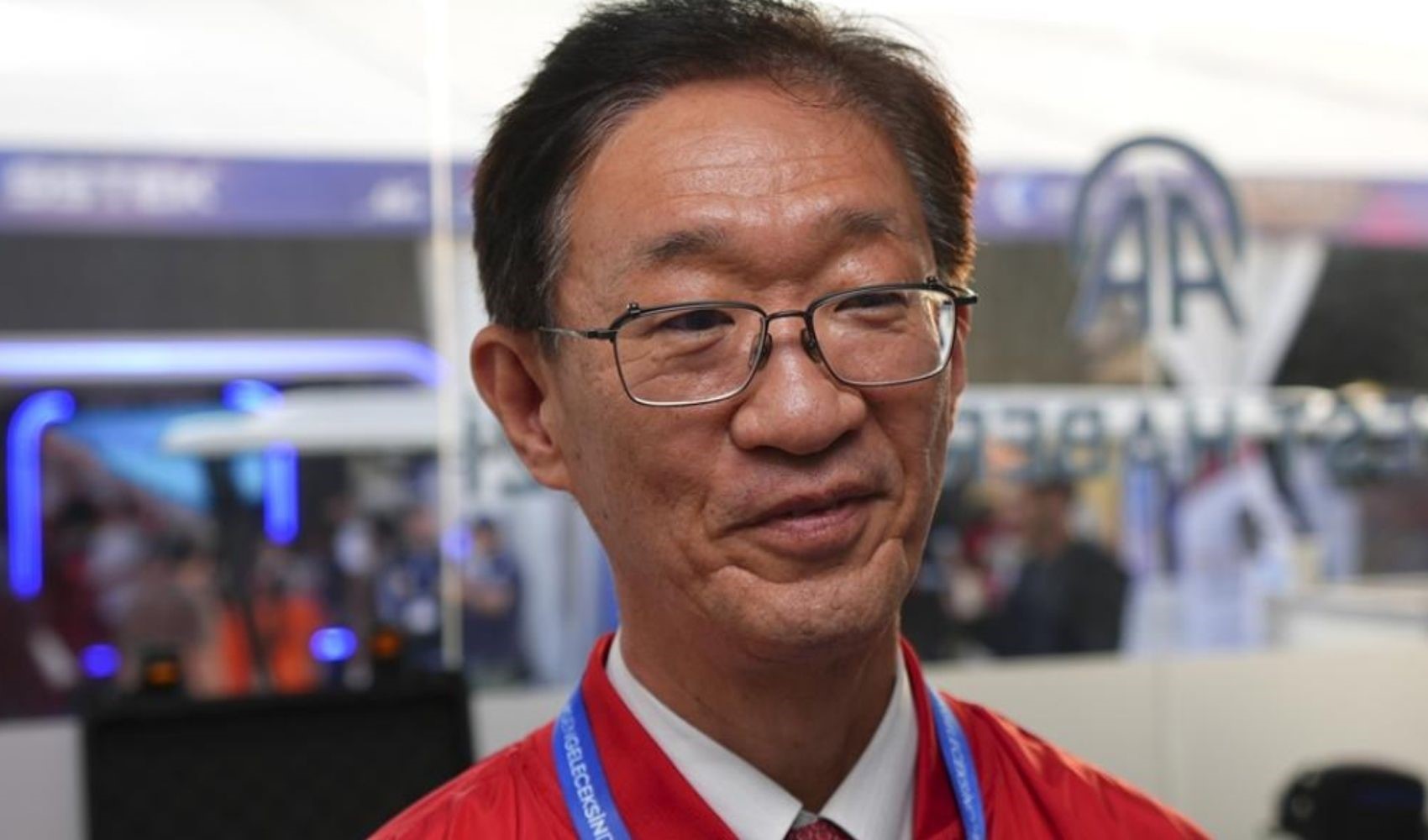
National Anthem surprise from Japanese Ambassador
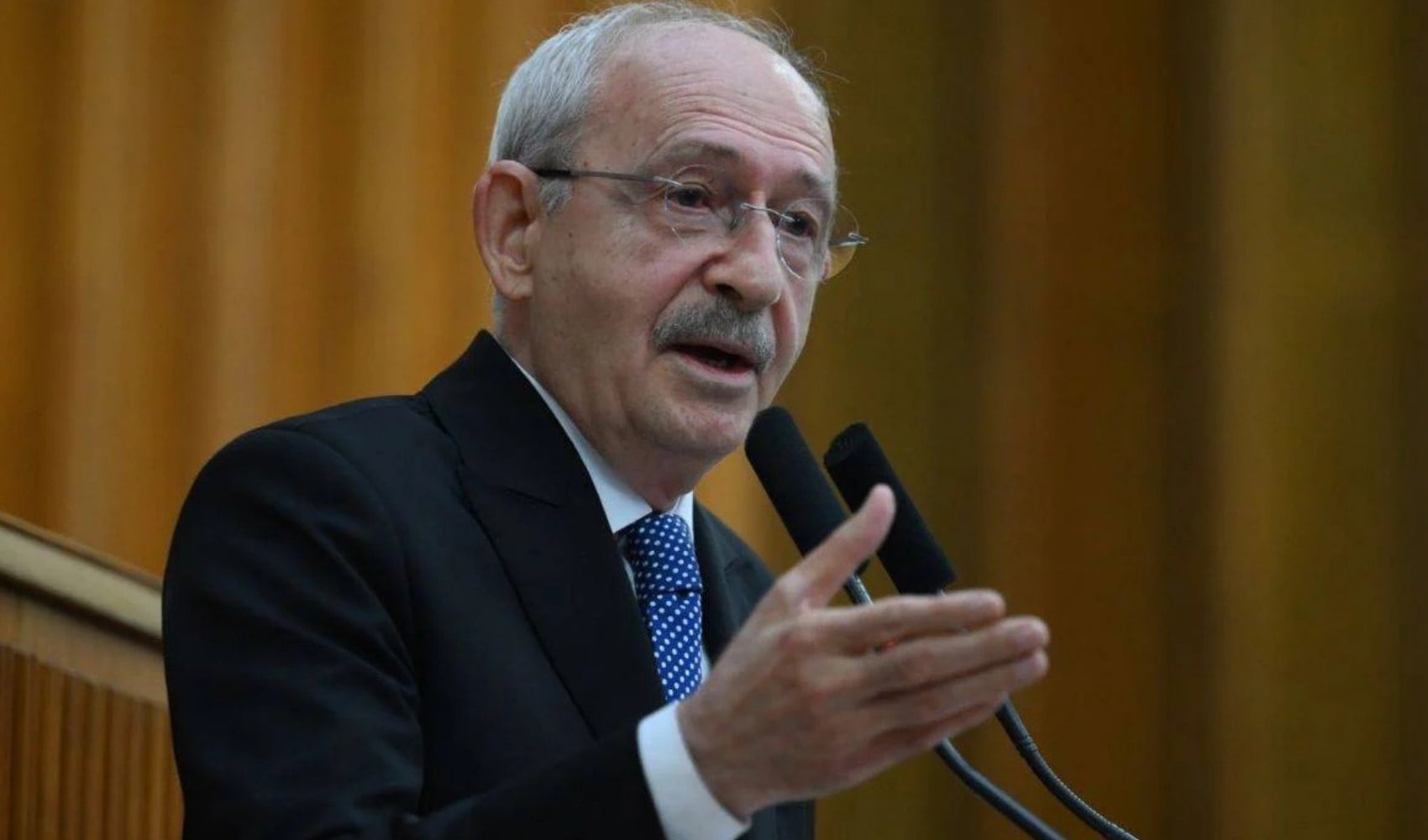
Kılıçdaroğlu sends formal notice to YENİ Party
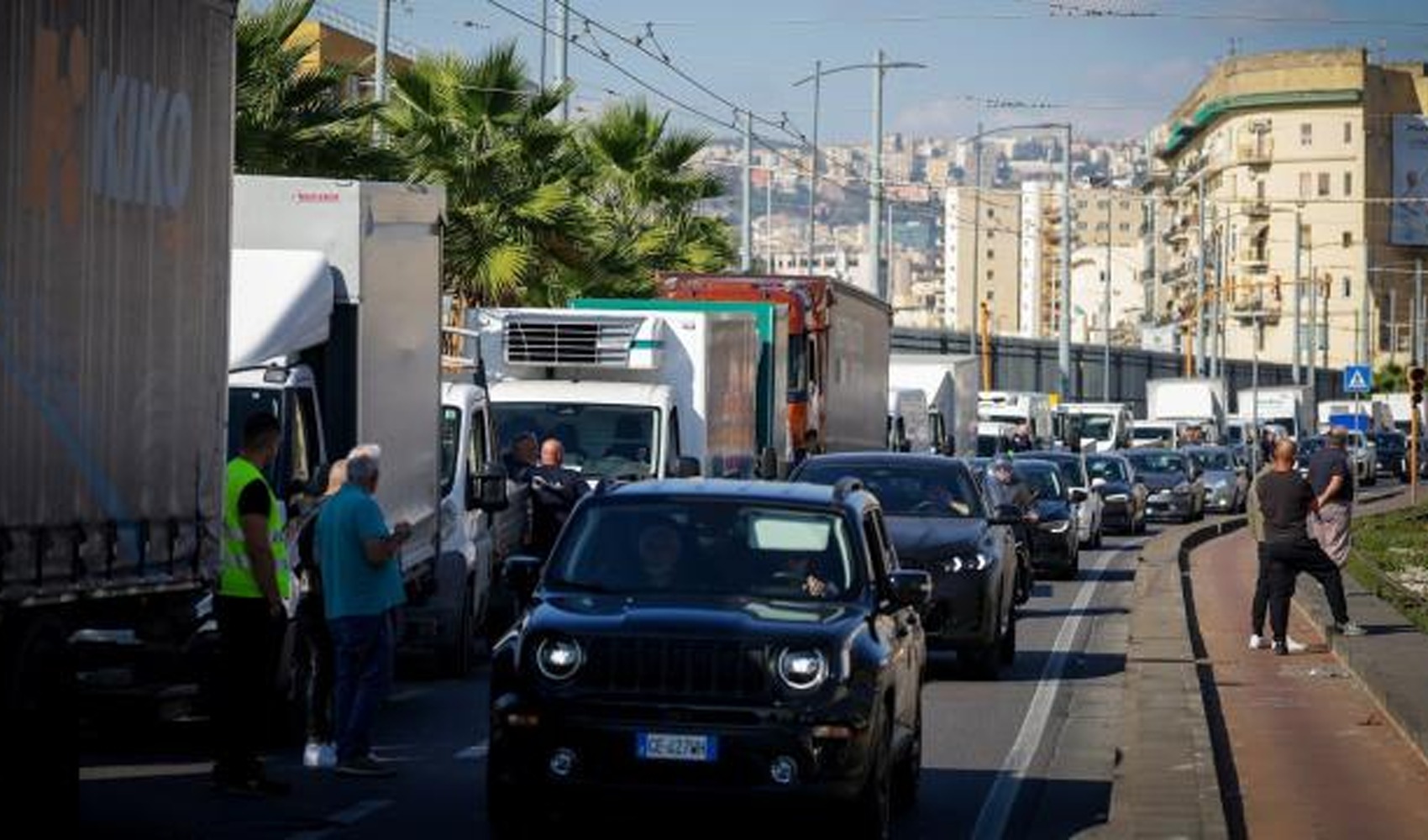
Diesel protest in Italy brings roads to a standstill

No to the 'opening' bar masked as change, yes to the Republic's bar
Is it time for the Turkish Parliament to revoke its 31-year-old 'Casus Belli' decision?
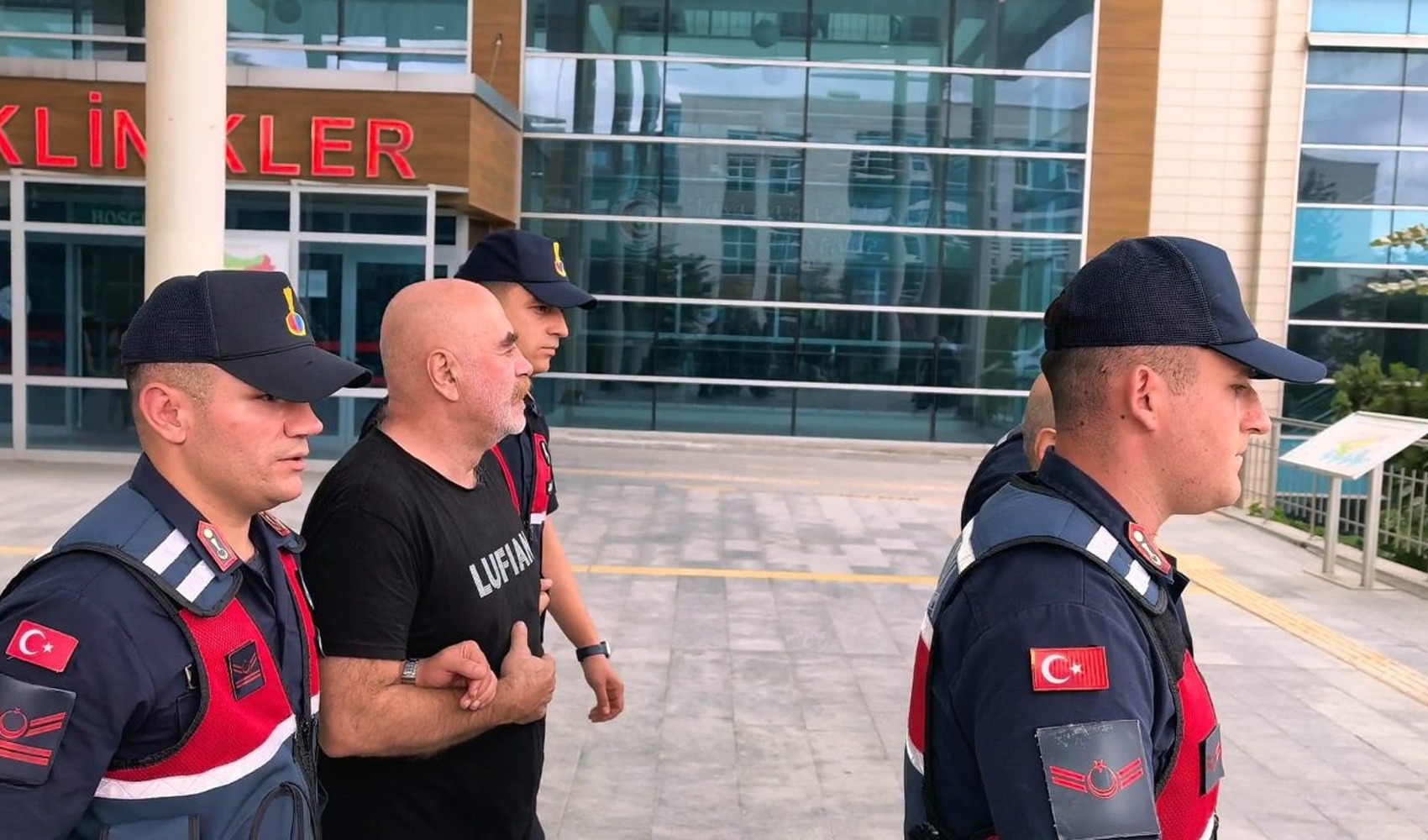
Ezel Akay and his brother's test results came back positive
Why is Paris burning? The crisis of the welfare state and the revolt of social justice
The politics of particles and the financing puzzle: 'Calamitous questions'

A new balance in the Eastern Mediterranean

New document regarding Diyanet's fund assets