


From Young Turks to Young Turkiyeli



Europe gave them the name Young Turks (Jeunes Turcs). They were opponents of Abdülhamit's oppressive regime. They wanted the Kanun-i Esasi (Constitution), which the Sultan had suspended, to be implemented and the Meclis-i Mebusan (Ottoman Parliament) to be reopened, and they demanded the abolition of censorship. Most of them were well-educated children of Istanbul who spoke foreign languages. France was like a meeting hub for the dissident intellectuals of the era. Newspapers and magazines were published, associations were formed, and decisions were made. The focus and target of their criticisms was the despot in Yıldız.
It would not be those abroad, but the Young Turks inside the country—the Committee of Union and Progress (CUP) members—who would ensure the opening of the Chamber of Deputies, the lifting of censorship, and the return of exiles from abroad and remote parts of the empire to Istanbul. Unable to withstand the pressure from young officers who took to the mountains in Rumelia, the barrage of telegrams raining down on the Yıldız Palace, and the rising opposition, Abdul Hamid II would concede on July 23, 1908! With the imperial decree that would go down in history as the Proclamation of Freedom, the demands we have listed were accepted.
The name 'Young Turk' would not be used in the period after the Committee of Union and Progress emerged as a political organization/party. The Committee of Union and Progress was in power during World War I. After the great war ended in defeat, its leaders would go abroad, but the Unionist organization at the grassroots and provincial levels continued. During the National Struggle period, the Defense of Rights organization would largely rely on this base and transform it by aligning it with Ankara's policies. The reasons why the Unionists and Unionism are still being debated today should be considered.
The Committee of Union and Progress remains at the center of criticism and accusations today due to its committee-based politics, political assassinations, tyranny against the opposition, adventurism, uniformity, and violence against minorities. First and foremost, it is certain that criticisms that ignore the conditions of the era and the projects of Western imperialism to dismantle and divide the Ottoman Empire (the 'Sick Man') will be incomplete and biased. The true 'flaw' of the Unionists, for which they are never forgiven and are crucified, is their desire to 'Turkify' capital during the Ottoman Empire's intensive care period!
The Turkification of capital meant a transition to an independent nation-state that was politically independent, economically self-sufficient, and capable of sustaining and developing its existence! This orientation meant a model of independence that would be adopted by oppressed nations. This ideology and political model, which kept imperialism awake at night, had to be eliminated before it could develop and flourish. The reasons described above lie behind the disparagement of the young Republic of Turkey's political architecture, which is based on a nation-state, a unitary structure, and a national economy, following the War of Independence.
It is obvious that this subject, which is very broad, deep, and multidimensional, is difficult to fit into a short column. We have attempted to draw a historical perspective today to better understand the insidious and highly planned campaign being carried out over the shift from 'Turkish literature' to 'Turkiyeli literature/Turkish-language literature.' To understand how seemingly independent and unrelated topics are actually interconnected, one must combine sensitivity with knowledge. It is necessary for Turkish intellectuals to realize that they are not only being captured in a snapshot of driftingfrom being 'Young Turks' to 'Young Turkiyeli,' but also to recognize that we are all—both the subjects and objects of this story that seems external to us—drifting into the unknown on the same ship. This is the only way to ensure the safety of the ship and reach a secure harbor. Because we are Turks, and there is no other Turkey!
Would you like to get notifications about new developments and save news?
- NotificationsNew developments and breaking news
- SaveNews is stored in the app
Most Read
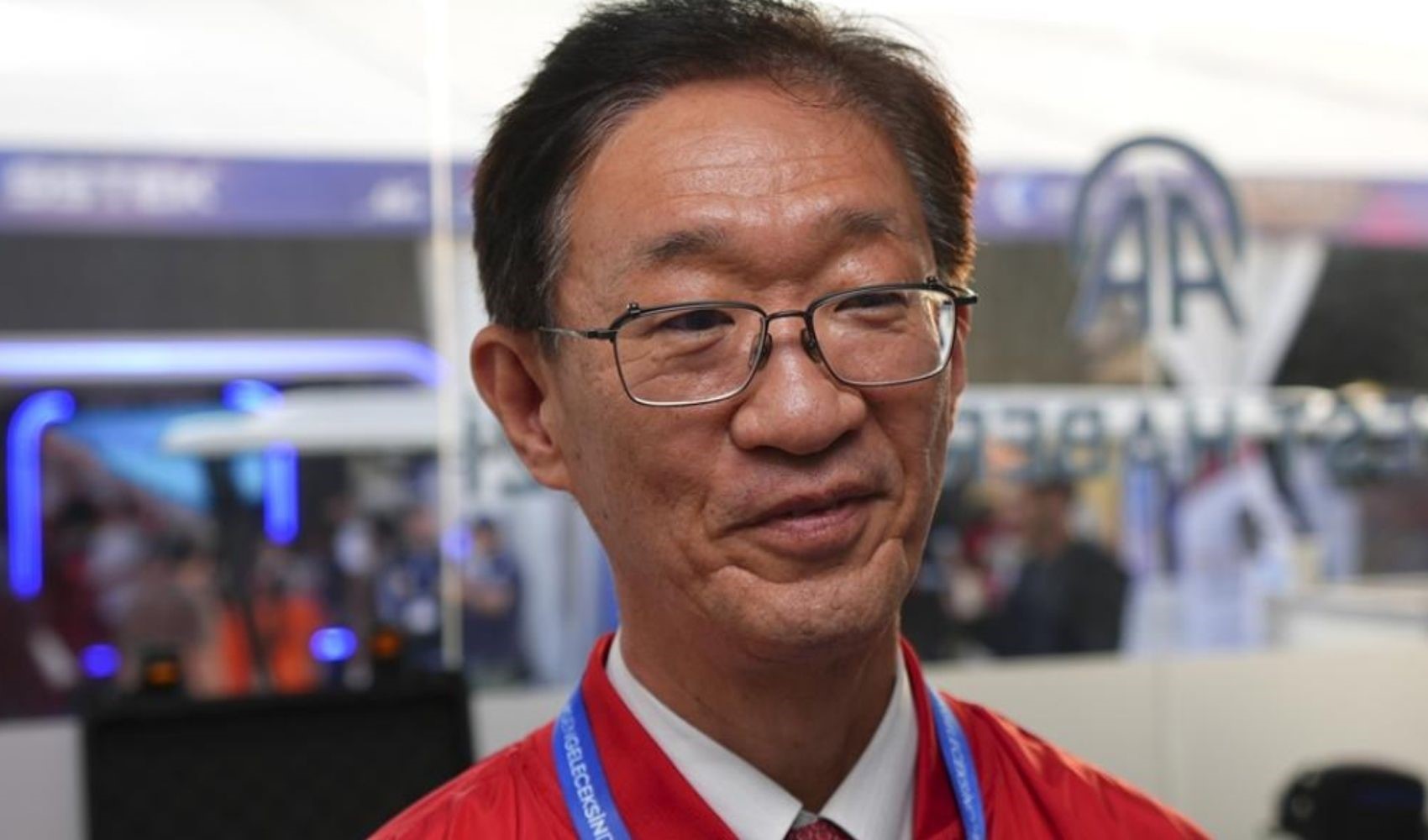
National Anthem surprise from Japanese Ambassador
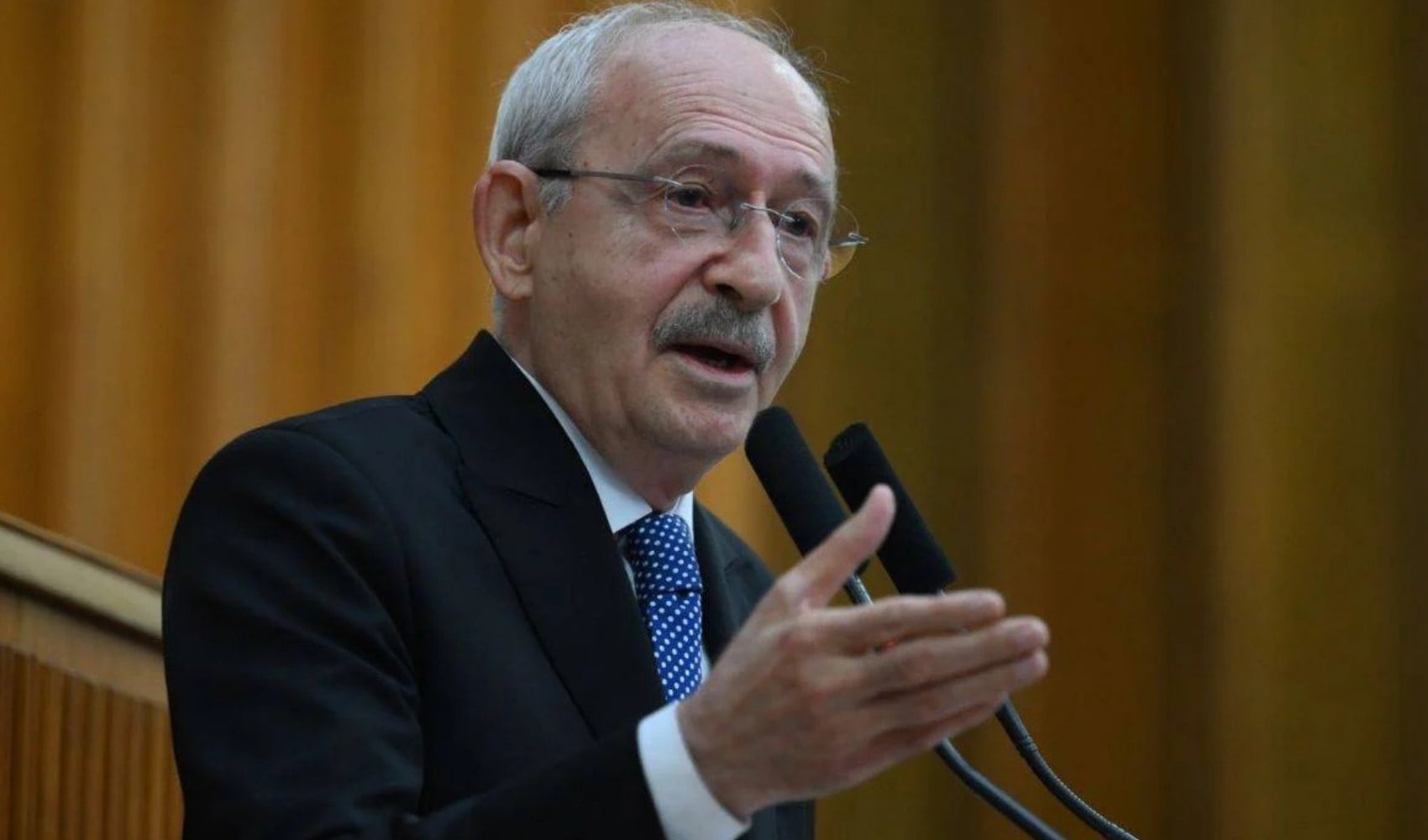
Kılıçdaroğlu sends formal notice to YENİ Party
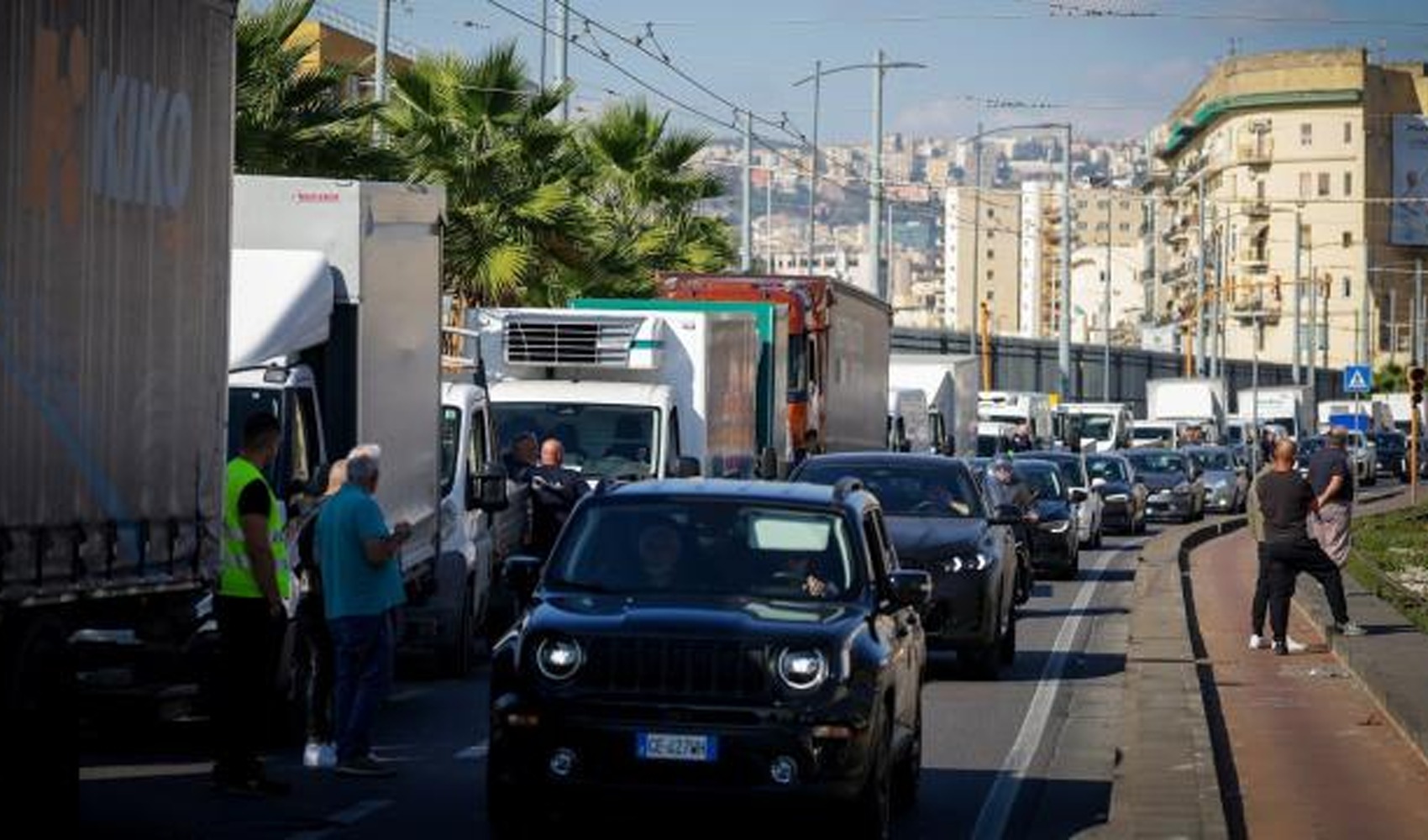
Diesel protest in Italy brings roads to a standstill

No to the 'opening' bar masked as change, yes to the Republic's bar

Is it time for the Turkish Parliament to revoke its 31-year-old 'Casus Belli' decision?
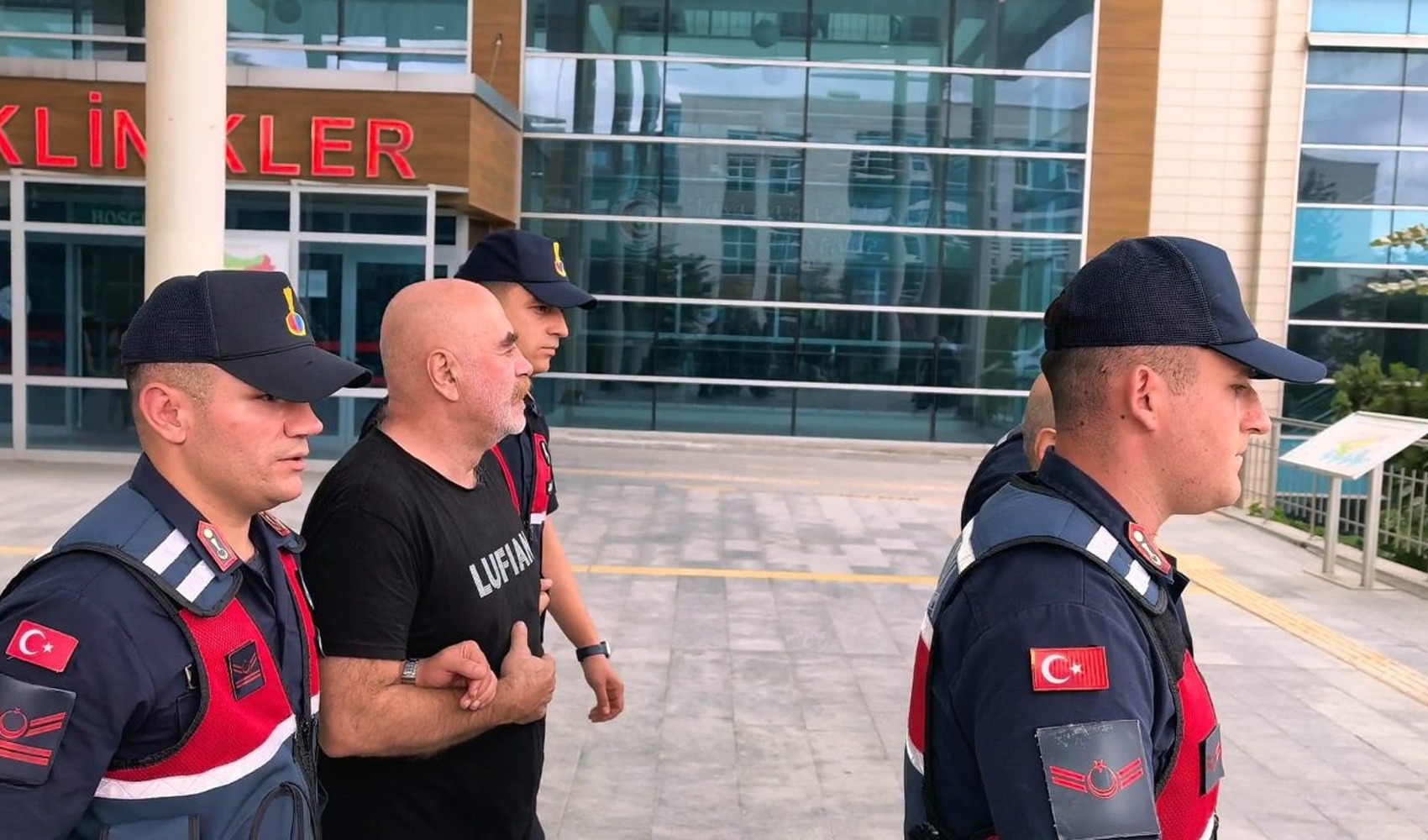
Ezel Akay and his brother's test results came back positive

Why is Paris burning? The crisis of the welfare state and the revolt of social justice

The politics of particles and the financing puzzle: 'Calamitous questions'

A new balance in the Eastern Mediterranean

New document regarding Diyanet's fund assets