


A treasonous structure with imperial software



FETULLAHIST TERRORIST ORGANIZATION
The traditional perception of Islam, which does not conflict with national identity but rather strengthens it, is referred to by Westerners as “Volk Islam / Folk Islam.” The Presidency of Religious Affairs (Diyanet) of the Republic, founded on October 29, 1923, was conceived as the public and institutional structure of this perception. Volk Islam, which does not object to the founding philosophy of the Republic of Turkey and is an original synthesis of religious and national identity, posed a serious obstacle to imperialism's projects for Turkey and the region. This perception, which serves as the faith-based foundation of national identity and sanctifies death in the defense of the homeland as martyrdom, had to be replaced by an imperial-coded, non-national, synthetic identity.
It should not be forgotten that the treasonous structure labeled as the "Hizmet Movement" was manufactured to meet the imperial need we mentioned. By installing an artificial software hostile to faith, belief, and national identity, religion would be stripped of its homeland, and in the process, Turkish Islam would be sidelined, and a social Mankurtization would be realized. We are talking about FETÖ, an imperial-coded, religion-masked treason organization. We are describing a structure that uses a thousand and one identities but is in reality identityless, and while operating in every country in the world, is in reality stateless.
In the recent past, Fetullah Gülen was a contemporary saint who dedicated his life to Islam for conservatives; a national dervish who raised the Turkic world with his schools for nationalists; a monument of tolerance who did not interfere with private life for liberals; a well-funded ally in the struggle against the nation-state for colonial leftists; and a sophisticated apparatus for the liquidation of the regime for the political power. In reality, however, Fetullah Gülen was chosen as the spiritual leader of the imperial-designed change and transformation in Turkey. He was to fulfill the task of being the battering ram for the fragmentation of the Republic of Turkey, the liquidation of the regime, and the transformation of Turks from a nation into a herd.
The difference between the Fetullah Gülen Community and other communities is that it carries the codes of its mission within itself. Communities are generally closed structures. In some, this closure reaches the point of ghettoization. Outside of their commercial activities, they live within an inward-looking sociological caste. For this reason, in these Political Islamist structures, with rare exceptions, you cannot find colorful figures from the worlds of cinema, music, entertainment, sports, politics, the academic community, or the media. The fact that Fetullah was marketed as a phenomenon that would transcend his identity as a clergyman and attract the interest, praise, and support of both the government and the opposition simultaneously in every area of daily life should be noted as a form of social engineering that deserves to be the subject of research.
The transformation of Fetullah into an extraordinary figure of social life—outside the religious sphere—in the worlds of politics, art, business, and sports, and his being made untouchable, was so that he would not encounter any obstacles while fulfilling the mission assigned to him. Are you asking what his mission was? Let us explain then: It is extremely misleading to view the Silivri process, which began with the Ergenekon operation and continued with Balyoz and others, as an act of the Fetullah Community independent of the government. The liquidation of the regime coded on October 29, 1923, and the elimination of Turkey's nation-state unitary structure was an imperial-backed political project. For this reason, it was impossible to carry it out without political support.
The regime could not be changed without liquidating the Turkish Armed Forces and the fundamental institutions of the Constitutional order, which are the protectors not only of the country's security but also of the regime, and the deterrent dynamic against reactionism and separatism. The task then was to turn the Army, which is the people's institution of trust and a symbol of collective pride, into a criminal organization in the eyes of the public under the accusation of being coup-plotters, and to defeat it through instrumentalized law and weaponized justice. It was to accuse the TSK, which carries the pride of Çanakkale, Sakarya, and Dumlupınar, as the focus of an illegal structure and push it outside of society and the regime. The goal was to inflict a "Second Balkan Defeat" on the Turkish Army at its headquarters.
As you can understand, the Silivri trials, which were reflected to the public with the demagoguery that "Turkey is being cleansed of coup-plotters," were designed as a stage for the liquidation of the regime through the judiciary. At the very top was the imperial headquarters of the liquidation strategy, the political authority that found it convenient to carry out the liquidation through the judiciary, and the "last hole of the bagpipe," the spiritual heirs of the Nemrut Mustafa Court of the Armistice-era Istanbul: Fetullah's Silivri executioners.
How they fell out with FETÖ—whom they praised as "Hoca Efendi," over whom they applied protocol for the President of Religious Affairs, for whose schools abroad they wrote letters of recommendation, and with whom they elbowed each other to grab the microphone at the Turkish Olympiads theater—and what happened afterward is undoubtedly the subject of a separate article.
But, shouldn't there be a limit to those who brought the non-national leader of a synthetic, stateless religion that would evaporate the faith and belief of the people and the national identity upon the country and the nation, acting as if they are pure and innocent?
Would you like to get notifications about new developments and save news?
- NotificationsNew developments and breaking news
- SaveNews is stored in the app
Most Read

National Anthem surprise from Japanese Ambassador
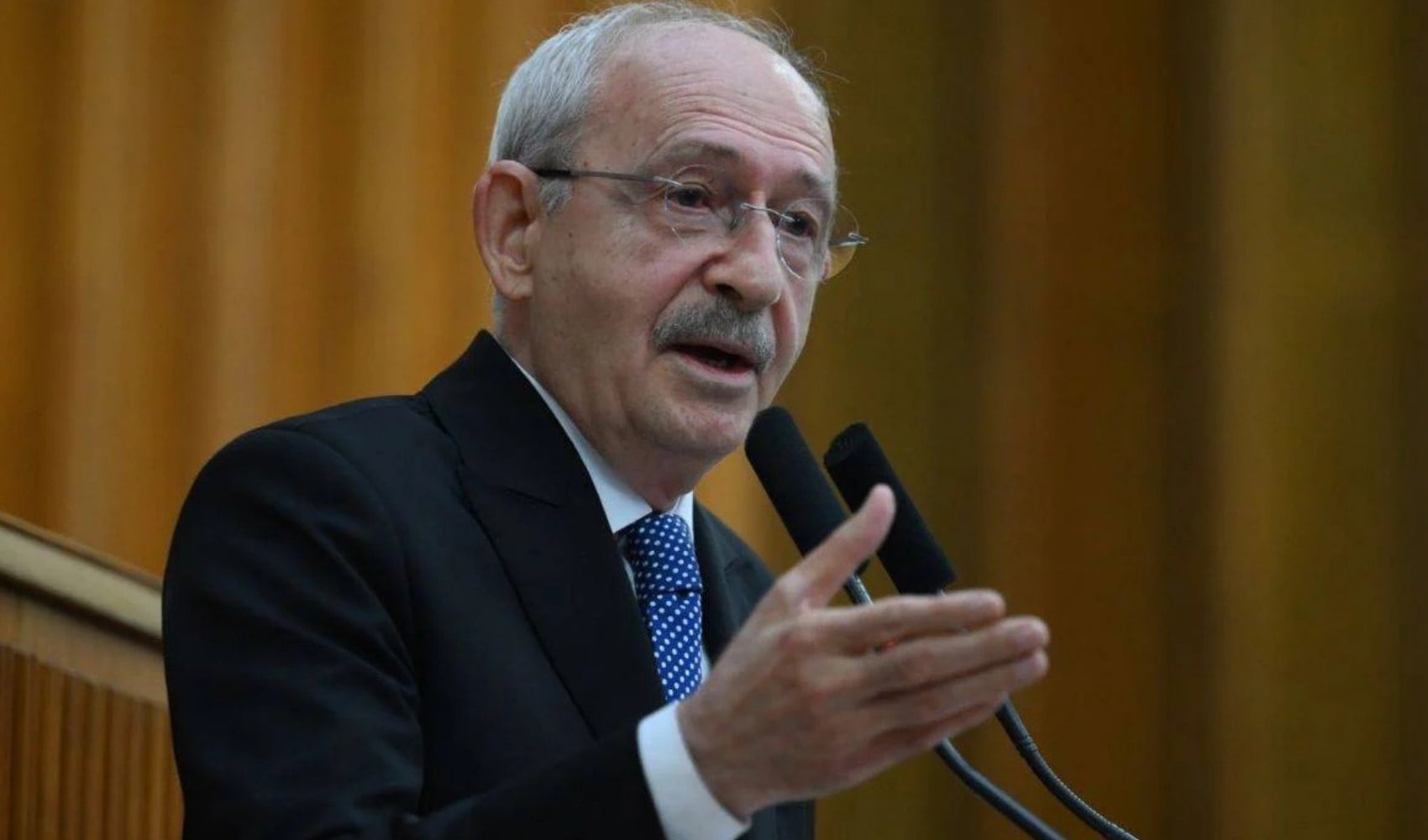
Kılıçdaroğlu sends formal notice to YENİ Party
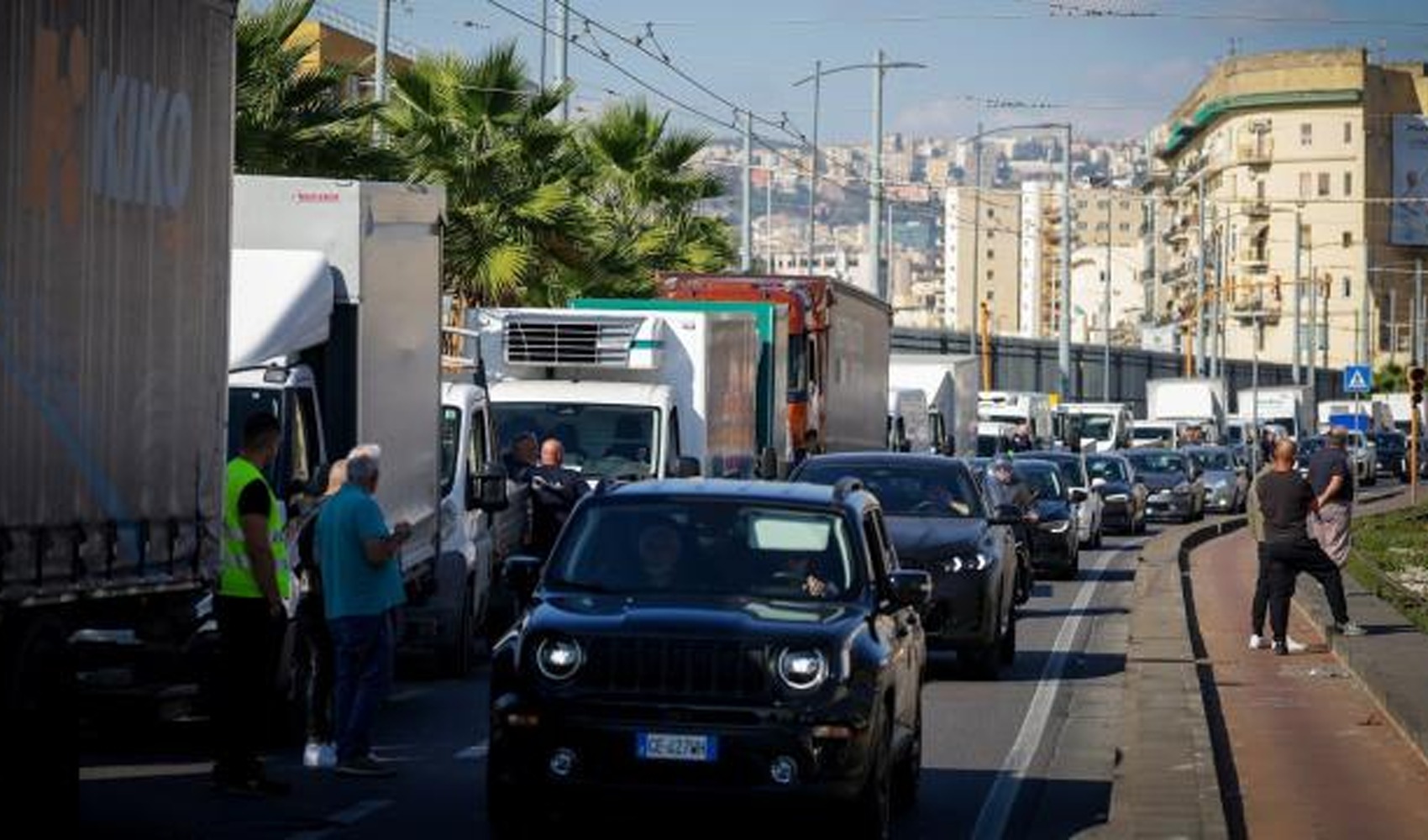
Diesel protest in Italy brings roads to a standstill

No to the 'opening' bar masked as change, yes to the Republic's bar
Is it time for the Turkish Parliament to revoke its 31-year-old 'Casus Belli' decision?
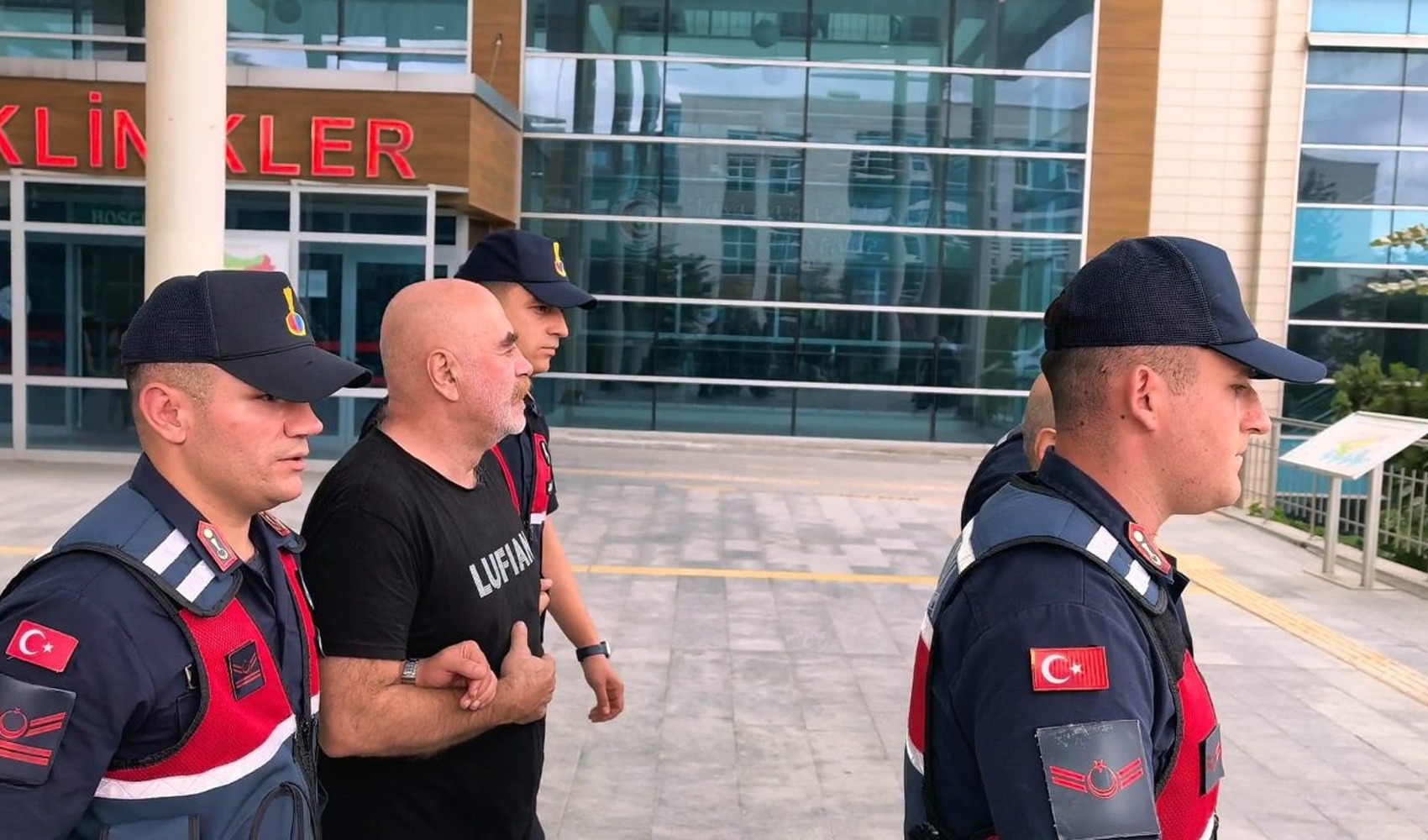
Ezel Akay and his brother's test results came back positive

Why is Paris burning? The crisis of the welfare state and the revolt of social justice
The politics of particles and the financing puzzle: 'Calamitous questions'

A new balance in the Eastern Mediterranean

New document regarding Diyanet's fund assets