


The path opened by the Turkish bayonet from Sèvres to Lausanne



The truth of the saying "the pen of diplomacy is the bayonet" has been proven on the anvil of history more times than one can count. The bayonet that imperialism pressed against our side in the Sèvres imposition was now in our hands at Lausanne. But first, let us return to the beginning of 1914, when the footsteps of the First World War were being heard. The calculations made at the table were truly flawless and appetizing. The energy-rich geography of the Ottoman Empire was to be partitioned by the allies, and the Turks were to be rendered homeless and enslaved. In the near future, they would be permanently expelled from Anatolia.
However, things would not go as the allies wished, and the calculations made in London and Paris would be disrupted on the front lines. The victory expected in early 1915 could only be achieved in late 1918, at a very high cost after immense economic, political, and human losses. The allies were extremely furious. They would certainly hold the Turks accountable for resisting for four years and increasing the cost of the war, when they could have just given up and surrendered at the beginning!
The Armistice of Mudros was designed as the preface to Sèvres. The work of the defeated Turks, who were disarmed, whose army was demobilized, and whose shipyards, fortified positions, and navy were seized by the Armistice of Mudros, was to be finished at Sèvres. We are talking about the armistice signed under pressure by the British Admiral Calthorpe on the battleship Agamemnon in the port of Mudros on the island of Lemnos. The choice of a battleship bearing the name of Agamemnon, the Commander-in-Chief of the Greek Allied Armies who came to invade Troy in ancient times, was a message clear enough for those who understood!
Sèvres, accepted on August 10, 1920, by the Council of the Sultanate gathered under the presidency of Vahdettin, was not only the death warrant of the Turkish Nation but also a cautionary reflection of the decay and historical/political exhaustion of the Ottoman dynasty represented by Vahdettin. If the matter had ended with the will of the spineless Caliph Sultan, the price of sitting in the seat as a puppet sultan for a while longer would have been paid with the extinction of the nation! But the Turks would choose to resist once again.
Like grabbing a log from a flood, the task given to the Greek Army, which landed in Anatolia on May 15, 1919, with the dream of conquering Ionia, was to act as the hitman for Sèvres. Due to the atrocities they committed against the civilian population during the occupation (May 15, 1919 - September 9, 1922), Mustafa Kemal would call the Greek Army; "A herd of murderers devoid of military honor." The work did not end with military victory. The bayonet had paved the way for diplomacy. The reckoning of centuries would take place at the Lausanne Conference.
The imperialist bloc, led by England and France, sat at the table in Lausanne in the capacity of victors of the First World War. They had invited the Turkish delegation as the defeated party of the great war and wanted them to pay the entire bill! The Turkish delegation would first object to this definition of the parties by the others, emphasizing that they came to Lausanne not from Mudros, but from Mudanya. Indeed, the TBMM (Grand National Assembly of Turkey) delegation in Lausanne carried not the humiliation of Mudros, but the self-confidence of the Mudanya Armistice, which was the work of the War of Independence!
The conference would begin on November 20, 1922, instead of November 13, and after long discussions, conflicts, mutual challenges, and a long break at the table of wolves, the Treaty of Lausanne, the document of the Turkish Nation's freedom and independence, would be signed on July 24, 1923. The rag of Sèvres had taken its place in the trash heap of history, and the military victory won by the bayonets of the Mehmets had paved the way for the diplomatic victory to be achieved at Lausanne.
Let us end our article with Atatürk's meaningful assessment regarding the Treaty of Lausanne: "This treaty is a document declaring that a great assassination, which had been prepared against the Turkish Nation for centuries and was thought to have been completed with the Treaty of Sèvres, has failed. It is a work of political victory unprecedented in Ottoman history."
Would you like to get notifications about new developments and save news?
- NotificationsNew developments and breaking news
- SaveNews is stored in the app
Most Read

National Anthem surprise from Japanese Ambassador

Kılıçdaroğlu sends formal notice to YENİ Party
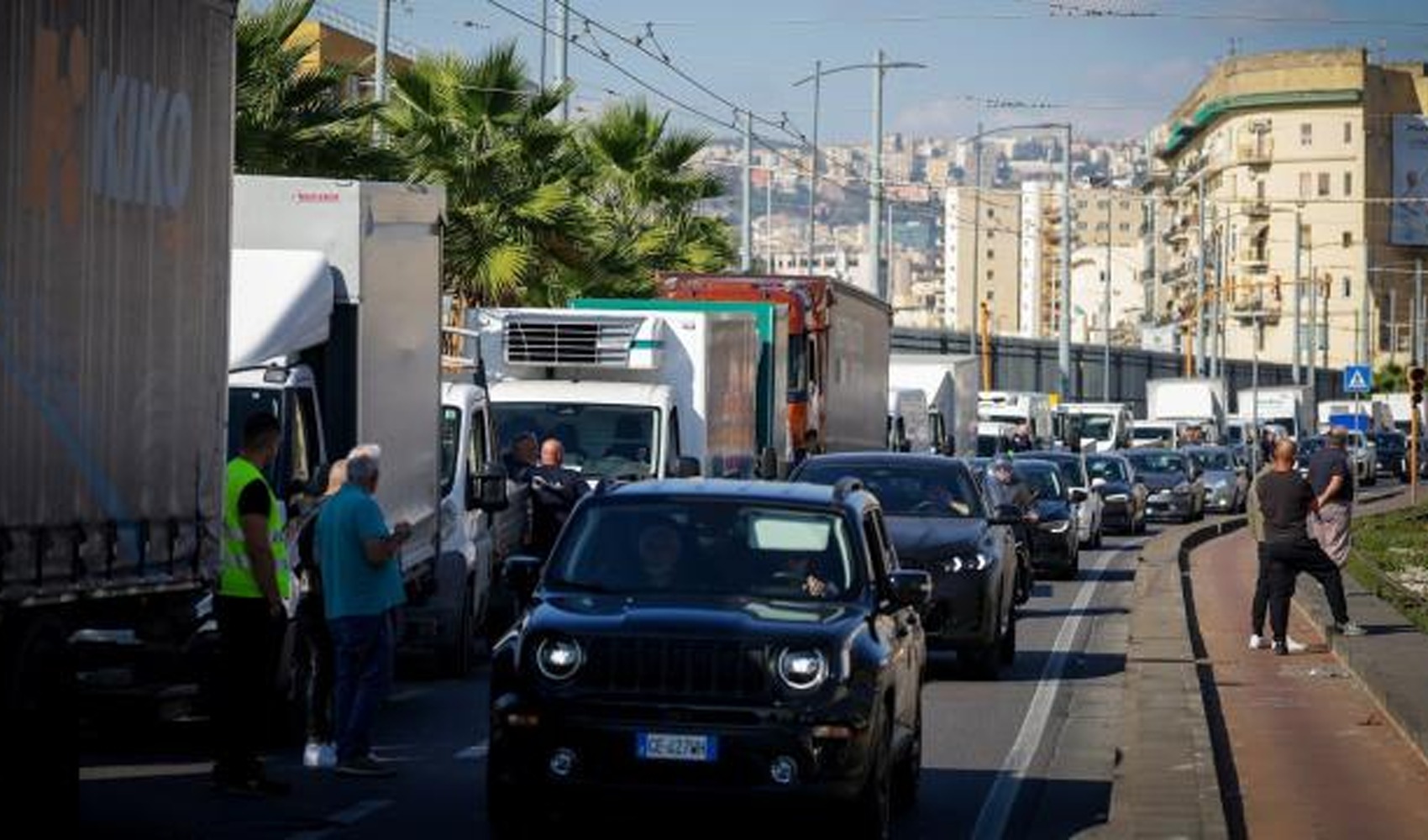
Diesel protest in Italy brings roads to a standstill

No to the 'opening' bar masked as change, yes to the Republic's bar

Is it time for the Turkish Parliament to revoke its 31-year-old 'Casus Belli' decision?
Ezel Akay and his brother's test results came back positive

Why is Paris burning? The crisis of the welfare state and the revolt of social justice

The politics of particles and the financing puzzle: 'Calamitous questions'

A new balance in the Eastern Mediterranean

New document regarding Diyanet's fund assets